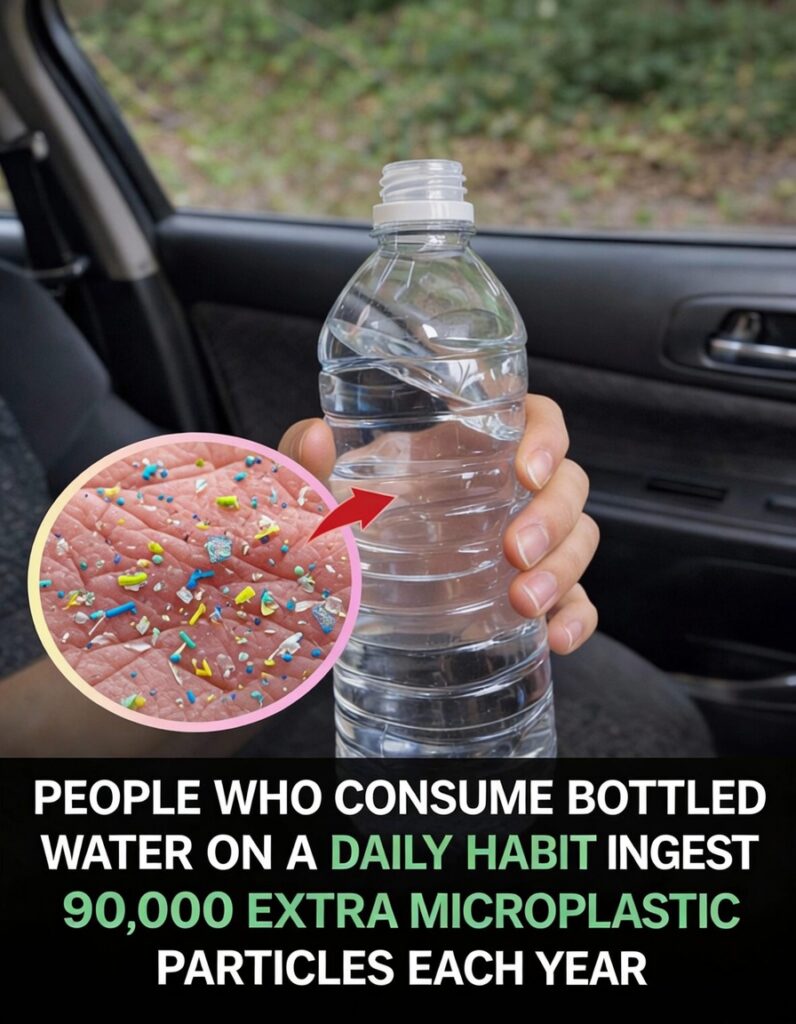
You may grab a bottle of water assuming it’s the cleanest, easiest way to stay hydrated. Yet a growing body of research suggests this routine choice can quietly add tens of thousands of microscopic plastic fragments to what you consume each year. These microplastics—plastic pieces smaller than 5 millimeters—can shed from the bottle itself, and studies indicate that people who drink bottled water every day may ingest about 90,000 more microplastic particles per year than those who mainly drink filtered tap water. Scientists are still working to clarify the full health implications, but the rising level of exposure raises reasonable questions about long-term habits—and straightforward ways to reduce it.
The concern is less about an immediate, dramatic threat and more about cumulative intake over time from something as ordinary as drinking water. The encouraging part: small, realistic changes to your hydration routine can meaningfully reduce how much plastic you take in.
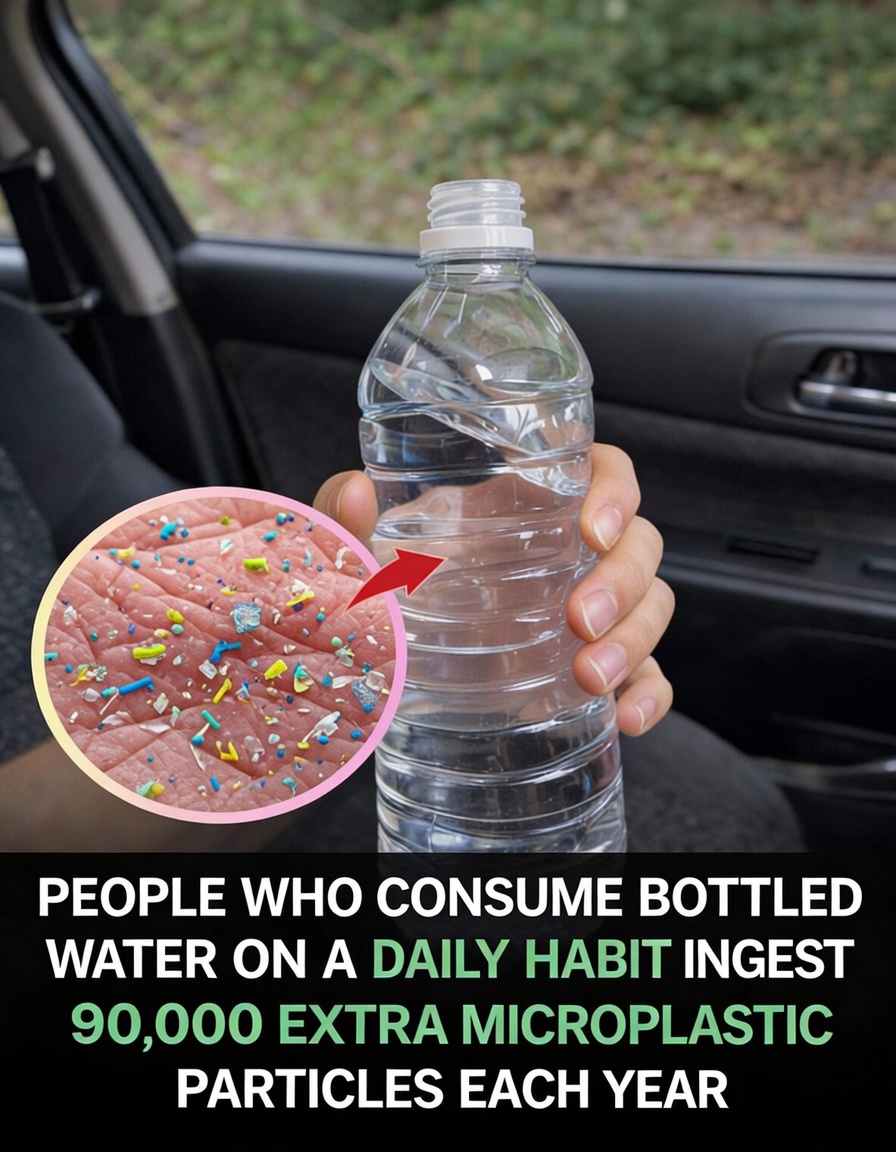
What Are Microplastics—and How Do They Get Into Bottled Water?
Microplastics are tiny plastic particles created when larger plastic items degrade, wear down, or fragment. In the case of bottled water, these particles may come from:
- The bottle material itself (commonly PET plastic)
- The cap and inner sealing components
- Manufacturing, filling, transport, and storage processes
Evidence summarized in major scientific reviews—including a 2025 analysis covering more than 140 papers in the Journal of Hazardous Materials—indicates that single-use plastic bottles can release notable amounts of microplastics into the water. Exposure can increase when bottles are subjected to:
- Heat
- Direct sunlight
- Frequent opening and closing of the cap
- Long storage times
Microplastics are widespread in the environment, so bottled water is not the only source. However, regularly choosing water packaged in plastic appears to elevate personal exposure more than alternatives such as treated or filtered tap water.
How Much Extra Exposure Comes From Drinking Bottled Water Every Day?
Exact numbers vary across studies and regions, but research consistently shows a clear difference between bottled and tap water habits. Common estimates include:
- Many people ingest roughly 39,000–52,000 microplastic particles per year from combined food and water sources.
- If you meet most of your daily water intake through single-use bottled water, that habit can contribute up to around 90,000 additional particles per year.
- People who primarily drink tap water may ingest only about 4,000 particles per year from drinking water.
These figures are drawn from synthesized global analyses, including reporting discussed in journals such as Environmental Science & Technology and other recent peer-reviewed reviews. The key point is how a seemingly minor daily choice becomes significant when multiplied across 365 days.
Why It Matters: What Science Suggests About Health Concerns
After ingestion, many microplastic particles may pass through the digestive system. However, research suggests that smaller particles—especially nanoplastics—may be more biologically active, with the potential to move beyond the gut and reach the bloodstream or tissues. Microplastics may also carry additives or interact with other compounds.
Most current evidence comes from laboratory and animal studies, where ongoing exposure has been associated with possibilities such as:
- Inflammation and oxidative stress at the cellular level
- Potential disruption to hormone-related processes
- Changes in immune response over time
Public health organizations, including the World Health Organization (WHO), have noted that existing data does not point to widespread acute harm at typical drinking-water levels, but they also emphasize the need for continued monitoring and higher-quality human research.
A practical takeaway is that reducing unnecessary exposure—when it’s easy to do—fits a sensible, precautionary approach.
Simple, Practical Ways to Reduce Microplastics From Drinking Water
Lowering your exposure does not require extreme lifestyle changes. Many people reduce microplastic intake through a few consistent habits:
- Switch to filtered tap water
- Use a reputable home filter designed to reduce particles and contaminants. This can sharply reduce exposure compared with relying on plastic bottles.
- Use reusable non-plastic bottles
- Choose glass or stainless steel for daily hydration. These materials don’t shed plastic into your drink and hold up well over time.
- Avoid heat and sunlight with plastic bottles
- If you occasionally use bottled water, store it in a cool place and keep it out of direct sun to reduce plastic breakdown and shedding.
- Audit your routine
- Notice how often bottled water is the default. Replacing even one bottle per day with filtered tap water can add up quickly.
These steps can cut personal exposure while also reducing single-use plastic waste.
Bottled Water vs. Filtered Tap Water: A Quick Comparison
Based on common research estimates, here’s how the two options stack up:
-
Bottled Water (Daily Habit)
- More microplastic shedding from bottle and cap
- Up to ~90,000 additional particles per year
- Convenient, but linked with higher routine exposure
-
Filtered Tap Water
- Typically far fewer particles (around ~4,000 per year from drinking water)
- Treated and often further improved with home filtration
- Usually more cost-effective and environmentally friendly when paired with reusables
For many people, switching feels more motivating once the difference is put into perspective.
Final Thoughts: Small Changes That Support a Healthier Routine
Staying hydrated is essential—but the source of that water can influence how many microplastics you consume over time. By choosing filtered tap water and drinking it from glass or stainless steel containers, you can reduce unnecessary exposure that may otherwise build up year after year.
Start with a single easy swap today, and let that small change compound into a cleaner daily routine.
FAQ
-
How do microplastics in bottled water compare to tap water?
Studies frequently find higher microplastic levels in bottled water, sometimes reaching hundreds or thousands of particles per liter due to plastic packaging. Tap water generally shows lower levels after treatment. -
Are microplastics dangerous if I only drink bottled water occasionally?
Occasional use is unlikely to be a major concern, but daily reliance increases cumulative exposure. When practical, reducing routine contact with plastic food and drink packaging is a reasonable precaution. -
What home water filters work best for reducing microplastics?
Look for filtration systems certified for particle reduction. Reverse osmosis and certain high-quality carbon block or multi-stage systems can reduce particulates and improve overall water quality (capabilities vary by product and certification).
Disclaimer: This article is for informational purposes only and does not provide medical advice. For personalized guidance about hydration or health concerns, consult a qualified healthcare professional. Research on microplastics is evolving, and findings may change as new evidence emerges.