Many athletes and active adults over 30 notice a frustrating pattern: recovery takes longer, soreness lingers, and performance gains slow down—even when training remains consistent. In many cases, the issue isn’t motivation or effort. It’s the body’s changing needs as oxidative stress, inflammation, and nutrient demands rise with age and hard exercise.
Popular solutions like protein shakes, beetroot juice, or extra caffeine can help, but they don’t always cover the bigger picture of cellular repair, antioxidant defenses, and sustained energy. That’s where a nutrient-rich, traditional trio—baobab, moringa, and rooibos—is drawing new attention. Each offers a distinct mix of antioxidants, vitamins, and minerals that may support endurance and recovery in a practical, daily routine.
The Quiet Recovery Problems That Stall Progress After 30
Training in your 30s and beyond can come with an invisible tax: workouts often generate more oxidative load, and the body may take longer to return to baseline. Many recreational athletes also show higher inflammation markers after training, which can translate into real-world symptoms such as:
- Heavy legs halfway through a session
- Ongoing fatigue that lasts into the next day
- Soreness that feels “stickier” than it used to
- A sense that results are plateauing despite doing the work
Quick fixes—ice baths, stimulants, or constant “pushing through”—can be useful tools, but they may not address the core need: better cellular support for repair and adaptation. Nutrient-dense plants are interesting here because they bring naturally occurring compounds that may help the body handle training stress more efficiently. Even more compelling is how baobab, moringa, and rooibos can complement each other rather than acting as single-ingredient solutions.
Why Baobab, Moringa, and Rooibos Are Gaining Attention in Sports Nutrition
Used for generations across African communities, these plants are now being studied and discussed in performance-focused nutrition because their profiles align with common athletic needs—antioxidant protection, micronutrient density, hydration support, and recovery-friendly compounds.
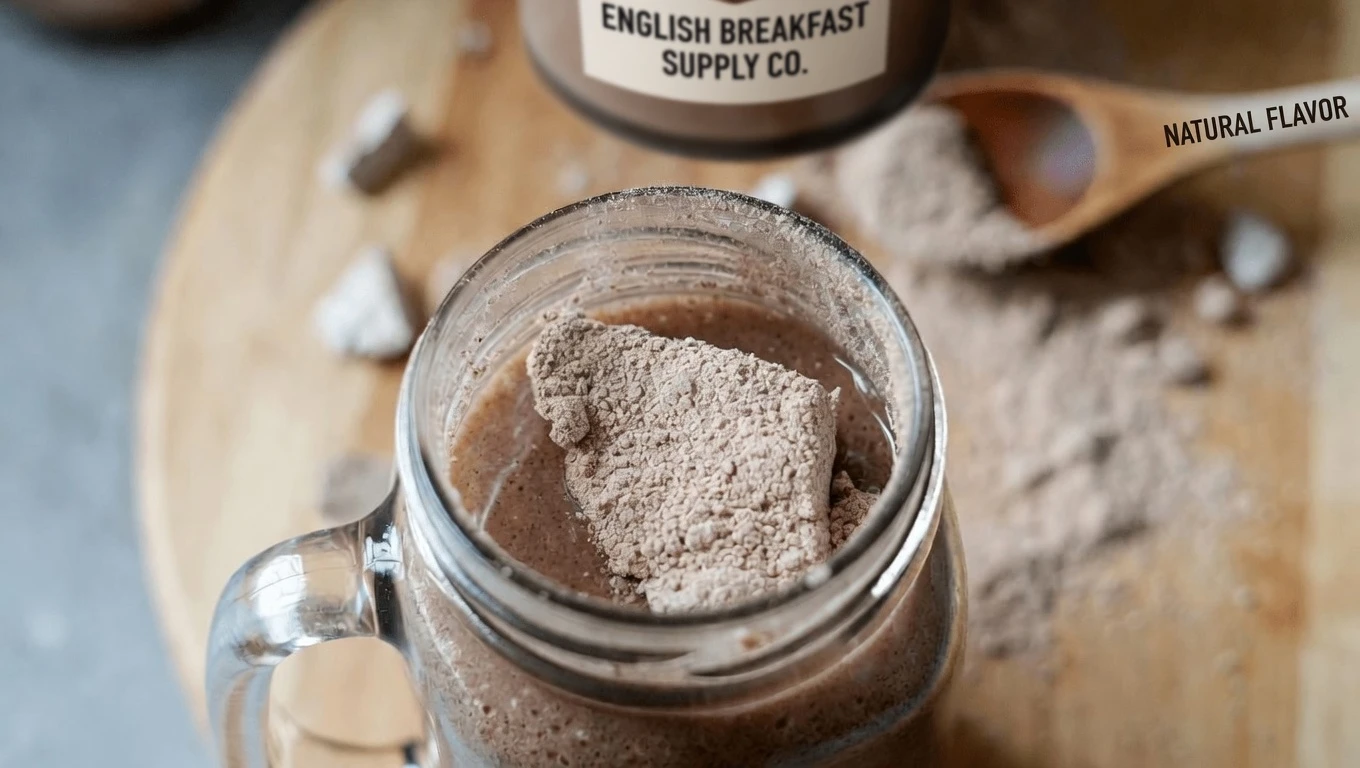
Here’s what makes each one stand out:
- Baobab (fruit pulp): Known for extremely high vitamin C (often far above citrus), plus potassium, magnesium, and prebiotic fiber that may support gut health, hydration balance, and energy stability.
- Moringa (leaves): Offers a broad set of antioxidants, along with plant protein and key minerals, and is frequently studied for its role in stress and inflammation modulation related to physical exertion.
- Rooibos (herbal tea): Naturally caffeine-free and rich in distinctive polyphenols (including aspalathin) that may contribute to antioxidant defenses and fatigue management—without stimulating the nervous system late in the day.
Overall, research interest centers on their potential to support antioxidant capacity and metabolic health—two pillars that matter during intense training cycles.
How This African Plant Trio May Support Endurance, Recovery, and Performance
Below are key performance areas where baobab, moringa, and rooibos show promise based on emerging evidence and their nutrient chemistry.
1) Endurance Support and Efficient Oxygen Delivery
Baobab’s vitamin C may help improve iron absorption, which matters for red blood cell function and oxygen transport—critical for endurance training. Higher vitamin C intake has been associated in some research with improved markers related to endurance capacity.
Moringa has also been explored for stamina support, with animal data and small human studies suggesting potential for sustained performance—especially when physical stress is high.
2) Managing Exercise-Triggered Inflammation
Hard training naturally creates inflammation signals that drive adaptation—but excessive or prolonged inflammation can slow recovery. Moringa contains compounds such as isothiocyanates, which may help modulate inflammatory responses tied to workout stress.
Rooibos polyphenols have also shown potential for influencing oxidative and inflammatory markers after exertion, supporting a smoother post-session recovery curve.
3) Faster Recovery Between Sessions
Rooibos is often highlighted for antioxidant activity that may help protect energy systems at the cellular level, including mitochondria, supporting a quicker return to training readiness.
Baobab contributes helpful minerals and nutrients that can support electrolyte replenishment, especially when sweat losses are high.
4) Supporting Natural Energy Pathways
Rather than relying on stimulants, the polyphenols and micronutrients across this trio may support metabolic flexibility—the body’s ability to shift efficiently between carbohydrates and fats during longer efforts.
5) Extra Benefits That Matter During Heavy Training Blocks
Beyond performance, many athletes also care about staying healthy and resilient during high load phases. This trio may also support:
- Hydration balance via naturally occurring minerals
- Immune function when training volume is high
- Better overall resilience to daily stress and fatigue
Quick Nutrient Snapshot
- Baobab: Vitamin C, prebiotic fiber, potassium, magnesium
- Moringa: Antioxidants, plant protein, iron, calcium
- Rooibos: Aspalathin and other flavonoids, low tannins, gentle mineral support

A Simple Phased Routine: When and How to Use Baobab, Moringa, and Rooibos
To keep the approach practical, many people find it easiest to match each plant to a training window:
- Pre-workout: Mix 1 tablespoon of baobab powder into a smoothie or water for vitamin C and mineral support.
- During workout: Sip moringa-infused water or add a small amount to a light shake for steady nutrient intake.
- Post-workout: Drink 1–2 cups of rooibos tea to support relaxation and antioxidant intake after training.
Start small to assess digestion and tolerance, then build gradually. Some athletes prefer cycling (for example, 4–6 weeks on, then 1 week off) to keep the routine sustainable.
For best results, keep fundamentals strong: sleep, balanced nutrition, progressive programming, and recovery days.
Advanced Optimization Ideas (Optional)
- Pair with black pepper (piperine) to potentially enhance absorption of certain plant compounds.
- Consider fermented or concentrated rooibos products if tolerated, as some people use them for added digestive-support potential.
- Track outcomes for 4 weeks: energy, soreness level, session performance, and sleep quality.
Simple Daily Stack (At-a-Glance)
- Baobab: 1 tbsp powder — Pre-workout — hydration and energy support
- Moringa: 1 tsp powder — During workout — sustained nutrients and antioxidants
- Rooibos: 2 cups tea — Post-workout — recovery and relaxation support
Conclusion: A Food-Based Next Step for Better Recovery and Resilience
Adding baobab, moringa, and rooibos is a natural, food-first strategy that aligns well with the real demands of athletic training—especially for active adults over 30 navigating slower recovery and stubborn plateaus. These plants are not a substitute for rest, smart programming, or medical care, but their nutrient profiles may support goals like endurance, recovery, hydration, and day-to-day resilience.
Small, consistent additions often matter more than complicated stacks. Experiment responsibly, pay attention to how your body responds, and adjust based on your training phase.
FAQ
What makes baobab, moringa, and rooibos different from other “superfoods”?
They come from long-standing African traditions and offer a distinctive blend of antioxidants, vitamins, and minerals that can fit athletic routines—often with fewer stimulants than many popular performance products.
How fast might results show up?
It depends on the individual, training load, and overall diet. Some people notice changes—like better energy or less soreness—within 1 to 4 weeks, especially when timing intake around workouts.
Are there precautions or people who should be careful?
Yes. Begin with low servings to check digestive tolerance. If you’re pregnant, managing a medical condition, or taking medications, speak with a qualified clinician—higher intakes of plant compounds can sometimes interact with health conditions or treatments.
Disclaimer: This article is for informational purposes only and does not provide medical advice. Consult a qualified healthcare professional before changing your diet or supplement routine, particularly if you have health concerns or take medication.