Aging After 80: Why Vision and Mental Sharpness Often Shift
In your 80s and 90s, it’s common to notice small but meaningful changes—fine print feels harder to read, concentration drifts, names take longer to recall, or there’s a predictable mid-afternoon mental slump. These changes are often linked to higher oxidative stress, less efficient nutrient absorption, and normal wear on the eyes and brain. Large-scale research, including work referenced by organizations such as the National Eye Institute, supports the idea that these age-related shifts are widespread.
The encouraging part: studies repeatedly suggest that nutrient-dense foods can help support eye and brain health, even later in life.
A Simple Morning Habit: Three Everyday Seeds With Big Nutrient Value
What if a low-cost daily routine—built around common seeds—could help you consistently get key nutrients such as:
- Omega-3s (ALA)
- Zinc
- Magnesium
- Antioxidants
This article explains how chia, flax, and pumpkin seeds may fit into a practical wellness routine, how to use them daily, and what research suggests about their potential benefits. You’ll also find an easy “start tomorrow” ritual and a realistic timeline of gentle changes some people report when they stay consistent.
Why Eye and Brain Health Can Become More Vulnerable After 80
After age 80, several biological changes can make the eyes and brain more sensitive to stress:
- The retina may be more exposed to oxidative damage
- Macular pigment levels can decline over time
- Blood flow to the eyes and brain may slow
Cohort research and findings tied to studies like AREDS2 (associated with the National Eye Institute) connect lower intakes of nutrients—such as omega-3 fatty acids, zinc, and antioxidants—with faster or more noticeable changes in eye health. Similar nutrition patterns show up in cognitive aging research as well.
Seeds are especially helpful in this context because they are:
- Nutrient-dense
- Often easy to eat even with a smaller appetite
- More supportive when soaked or ground, which can help with absorption
The real benefit comes from combining seeds that offer complementary nutrients, rather than relying on just one.
The Nutrient Strength of Chia, Flax, and Pumpkin Seeds
Each seed contributes something distinct:
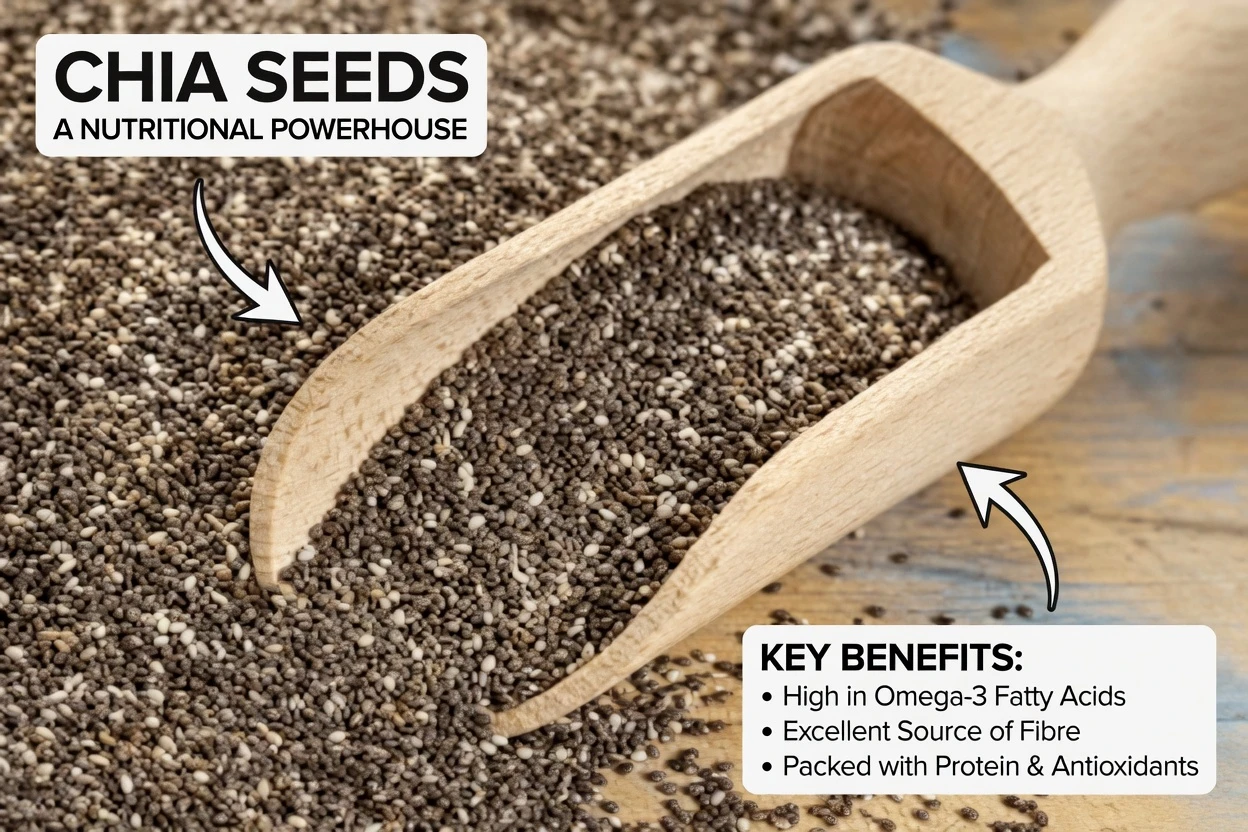
- Chia seeds: rich in plant-based omega-3s (ALA) and fiber, which can support steadier energy and digestion.
- Flaxseeds: provide ALA plus lignans, plant compounds studied for their potential anti-inflammatory effects.
- Pumpkin seeds: excellent sources of zinc and magnesium, minerals involved in many processes that influence eye comfort, nerve signaling, and brain function.
Research connecting higher intakes of plant-based omega-3 (ALA) from sources like chia and flax suggests potential associations with brain-health support in older adults, including areas such as verbal fluency. Meanwhile, zinc supports many enzyme systems, and magnesium plays a key role in nerve communication and relaxation.
Taken together, these seeds create a whole-food “nutrient trio” that aligns with common needs in advanced age.
A Real-World Example: A Consistent, Low-Effort Routine
Many older adults prefer simple habits that don’t feel overwhelming. One frequently shared type of story is like “Evelyn,” a 91-year-old who felt discouraged by blurry reading and afternoon fog. After making a daily habit of adding a chia–flax–pumpkin seed blend to yogurt, she reported noticing brighter color perception and smoother conversations over a few months.
Individual results vary, and personal stories aren’t proof—but the bigger point is the strategy: small dose, daily consistency, and nutrient-focused food choices.
7 Practical Ways to Eat Chia, Flax, and Pumpkin Seeds Every Day
Choose one method to begin, then build gradually.
-
The Classic Morning Mix
- Stir 1 tablespoon each of ground chia, ground flax, and pumpkin seeds into oatmeal, yogurt, or a smoothie.
- A simple way to front-load nutrients early in the day.
-
Overnight Chia Pudding
- Soak 2 tablespoons chia in milk (dairy or plant-based) overnight.
- In the morning, add 1 tablespoon ground flax and 1 tablespoon pumpkin seeds.
-
The Easy Sprinkle
- Add 1 tablespoon ground flax + 1 tablespoon pumpkin seeds to soups, salads, toast, or cooked vegetables.
-
Ginger Seed Tea (Afternoon Option)
- Steep fresh ginger in hot water.
- Stir in 1 teaspoon each of ground chia, ground flax, and finely ground pumpkin seeds for a warm pick-me-up.
-
A Small Evening Portion
- Take 1 tablespoon of mixed seeds in the evening to support a steady nutrient pattern.
-
Smoothie Boost
- Blend 1 tablespoon each into a berry-and-spinach smoothie to pair seeds with antioxidant-rich produce.
-
Layered Daily Routine
- Morning mix + midday sprinkle + evening portion for consistent intake without large servings.
Absorption tip: Grinding helps. Grind chia and flax (or buy them pre-ground) because whole seeds may pass through less digested—especially in older adults. Pumpkin seeds can stay whole if you chew them thoroughly.
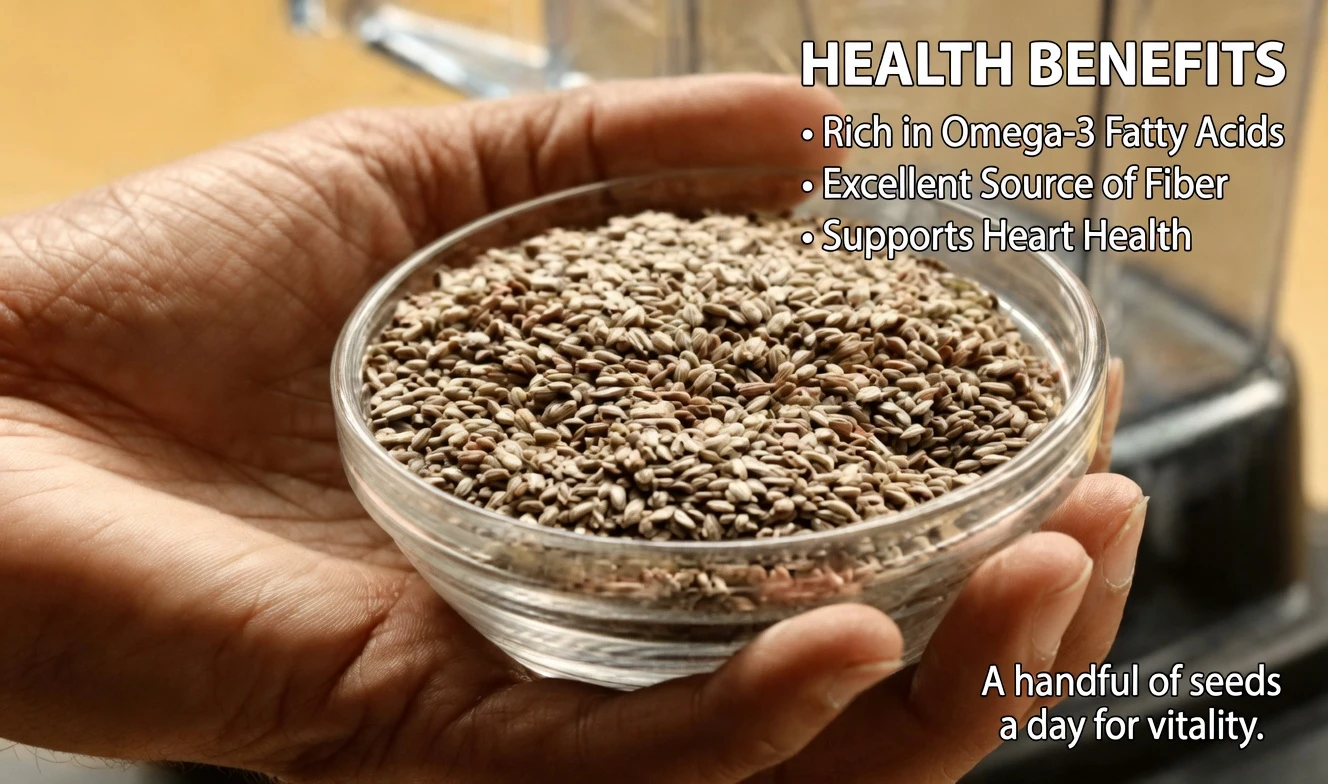
8 Additional Wellness Benefits Often Linked to Consistent Seed Intake
Beyond the basics, research and nutritional patterns suggest that a steady seed routine may support:
- Lower oxidative stress (antioxidants, vitamin E, protective plant compounds)
- Better circulatory support associated with omega-3 intake patterns
- More stable memory and recovery processes during rest
- Less eye discomfort due to mineral support (including magnesium and zinc)
- Support for near-vision tasks through nutrient patterns tied to macular health
- Faster thinking and steadier mood through lower inflammation patterns
- Smoother energy (less “crash” feeling) thanks to fiber and slow digestion
- Overall resilience that may support independence with age
While no food is a guarantee, higher omega-3 ALA and mineral intake frequently correlates with healthier aging markers in eye and cognitive research.
Quick Comparison: Common Challenges After 80 vs. How Seeds May Help
-
Blurry near vision
- Everyday impact: difficulty reading labels or books
- Seed support: antioxidants + nutrients that align with macular support
-
Brain fog and slower recall
- Everyday impact: forgetting names during conversation
- Seed support: omega-3 ALA + zinc patterns linked with neural function
-
Afternoon mental fatigue
- Everyday impact: energy dip and reduced motivation
- Seed support: fiber-driven steadier energy + circulation support patterns
-
Eye strain or dryness
- Everyday impact: discomfort after reading or screen time
- Seed support: magnesium and zinc supporting comfort and function
-
Overall slowdown
- Everyday impact: slower planning and decision-making
- Seed support: anti-inflammatory and nutrient-repair support through whole foods
A Gentle 90-Day Timeline: What Some People Notice With Consistency
Many people report gradual, subtle improvements rather than dramatic changes:
- Weeks 1–2: Morning mix (plus tea if you like) → less afternoon dip, slightly brighter perception
- Weeks 3–4: Add smoothie + evening portion → improved focus, steadier recall
- Weeks 5–8: More consistent full routine → less discomfort, smoother daily energy
- Weeks 9–12: Maintain and observe → steadier clarity and day-to-day vitality
A simple tracking method: rate vision clarity and mental energy each day from 1–10 in a notebook.
Why Whole Seeds Can Be a Smart Option Compared With Supplements
Supplements (like fish oil or lutein) may help some people, but they can be expensive and absorption can vary with age. In contrast, seeds provide:
- Whole-food nutrient synergy
- Flexible use in meals
- Low cost (often under $5/month, depending on location and brand)
- Better value when prepared correctly (especially ground or soaked)
Start Tomorrow: The Simple Seed Ritual
- Grind 1 tbsp chia + 1 tbsp flax (or use pre-ground).
- Add 1 tbsp pumpkin seeds to breakfast.
- Optional: drink ginger tea for a circulation-friendly afternoon routine.
- Chew slowly and record your daily 1–10 scores.
A small, repeatable habit can help nourish the eyes and brain with steady, research-relevant nutrients—especially when you stay consistent for weeks.
Medical Note (Important)
This article is for informational purposes only and does not replace medical advice. Any changes in vision or cognition should be discussed with a qualified healthcare provider. Speak with your doctor before increasing seed intake if you:
- take blood thinners
- have diabetes
- experience significant digestive issues
Regular eye exams and routine checkups remain essential.
FAQ
-
How much should I eat per day?
Many people start with about 1 tablespoon of each seed (or 1–2 tablespoons total mixed) and adjust based on comfort and digestion. -
Do I need to grind all the seeds?
It’s best to grind chia and flax for absorption. Pumpkin seeds can be eaten whole if you chew them well. -
Are side effects possible?
Seeds are generally safe, but increasing too quickly can cause digestive discomfort. Start small and increase gradually. If you take medications, confirm with your clinician.
A Simple Question to End With
Your eyes and brain benefit most from steady, consistent support—why not try this seed habit for a few weeks and track how you feel?