
Many people deal with ongoing tiredness, unexplained weight changes, hair thinning, or “brain fog” and assume it’s just aging or everyday stress. In many cases, these symptoms can be linked to subtle shifts in thyroid function—a small gland that helps regulate metabolism, energy levels, mood, and hormonal balance. The American Thyroid Association estimates that up to 60% of people with thyroid disease don’t know they have it, which helps explain why so many feel “off” without a clear reason. The encouraging part: daily lifestyle choices—especially nutrient-dense eating and stress regulation—can meaningfully support thyroid wellness.
What if small, repeatable habits could help you start the day with more stable energy, clearer focus, and a greater sense of balance? Below are six practical, evidence-informed steps inspired by nutrition science and lifestyle research. Stay to the end for a lesser-known traditional practice that may provide an extra antioxidant boost.
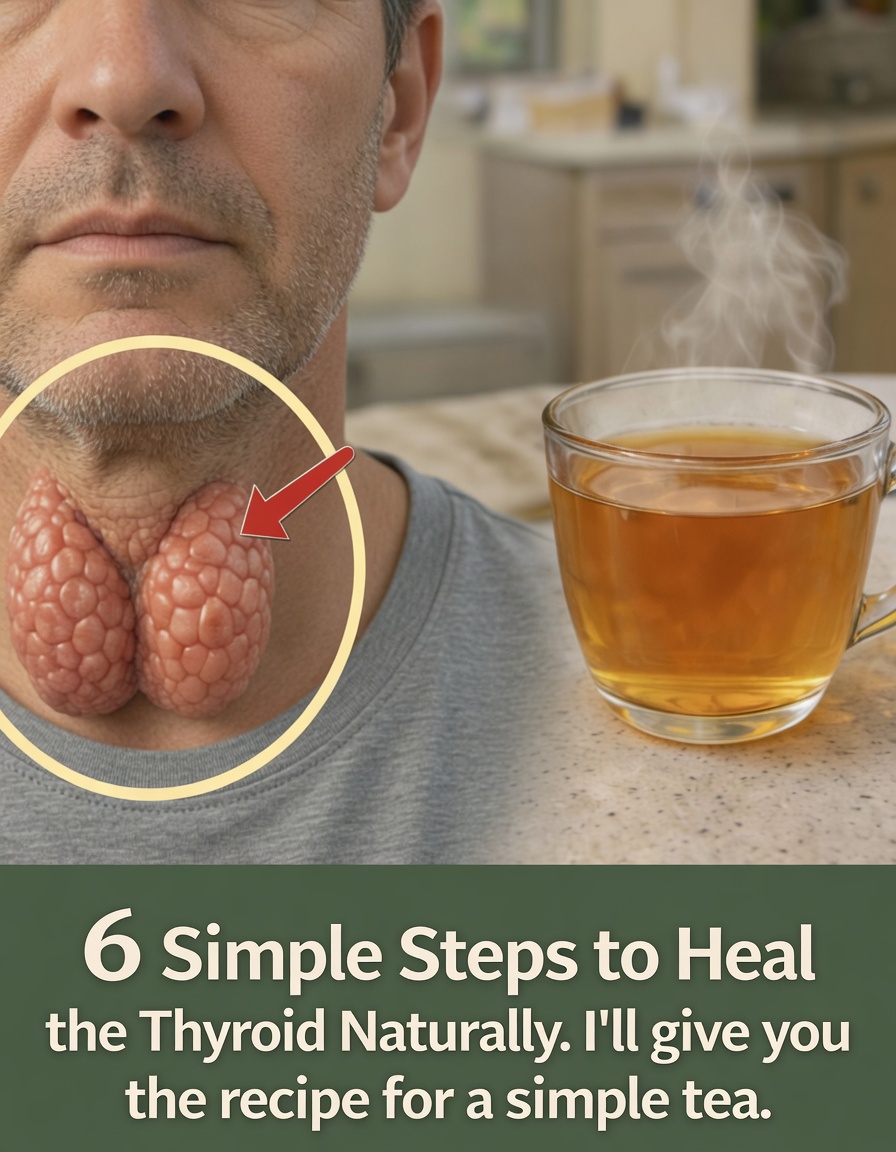
The Thyroid’s Hidden Influence (and Why It Matters)
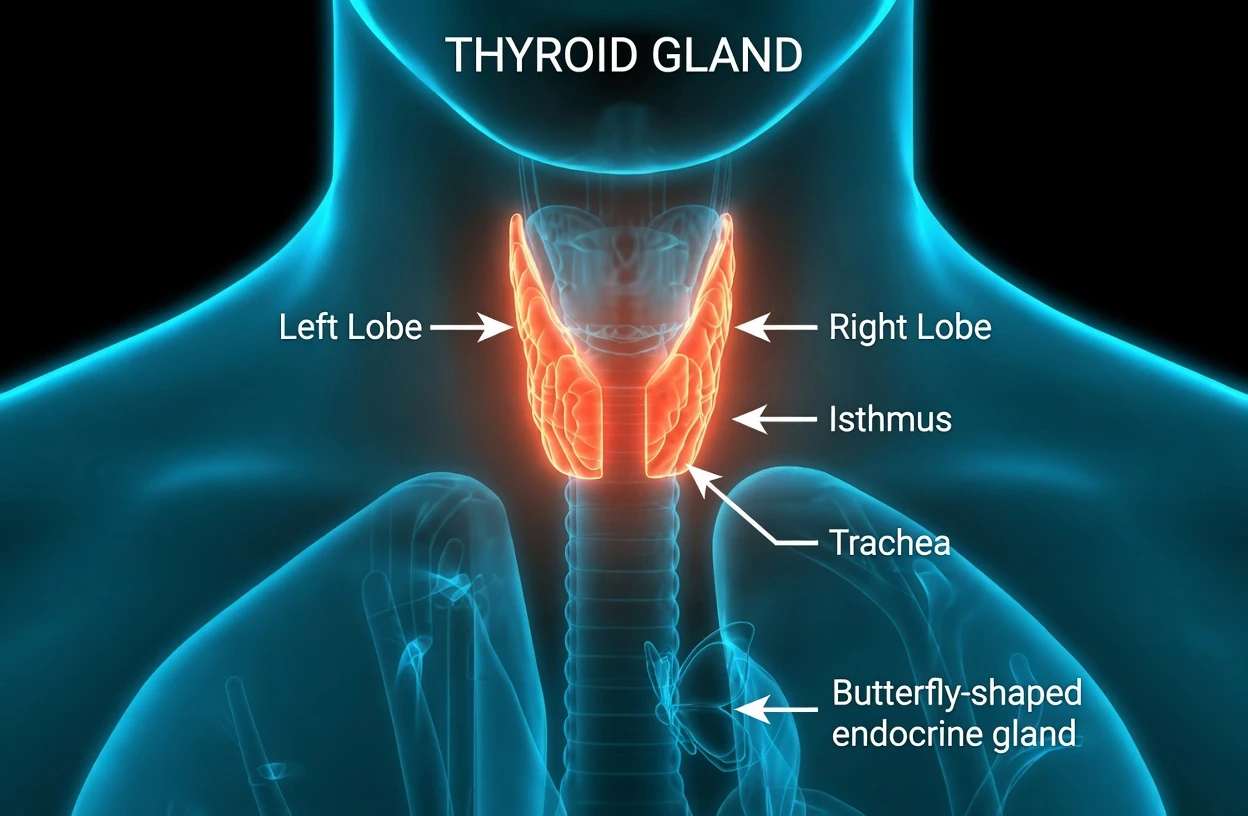
Your thyroid is a butterfly-shaped gland at the front of your neck. It produces hormones such as T4 (thyroxine) and T3 (triiodothyronine)—with T3 being the more active form. These hormones affect almost every tissue in the body. When thyroid hormone balance is disrupted—often influenced by inflammation, nutrient insufficiencies, gut issues, or chronic stress—the results can show up in everyday life: slow mornings, stubborn weight gain, temperature sensitivity, or mood changes.
Thyroid disorders are common. Research suggests that around 1 in 8 women will experience a thyroid issue in her lifetime, with risk rising after age 35. Men can be affected as well, though symptoms may be missed or attributed to other causes. While quick fixes (more caffeine, harder workouts) can offer temporary relief, long-term support tends to come from restoring balance through nutrition, digestion, and recovery habits.
Step 1: Cut Back on Foods That May Quietly Strain Thyroid Function
Some everyday foods can increase inflammation or interfere with how the body uses key nutrients needed for thyroid hormone production and activation. You don’t necessarily need to eliminate them, but moderating them can reduce hidden stressors.
Consider limiting:
- Refined sugar and high-fructose products, which may spike insulin and promote inflammation
- Ultra-processed foods, often high in additives and low in micronutrients
- Large amounts of unfermented soy, which may affect certain enzymes when consumed excessively
- Very high intake of raw cruciferous vegetables (such as kale, broccoli, cabbage) because they contain goitrogens—compounds that may affect iodine utilization when eaten raw in large quantities (cooking significantly reduces this effect)
- Gluten for individuals with gluten sensitivity or autoimmune thyroid conditions, where some research suggests potential links with antibody activity in certain cases
A quick self-audit helps: how often do processed snacks or sugary drinks show up during the day? Reducing even a few can lighten the overall load on the body.
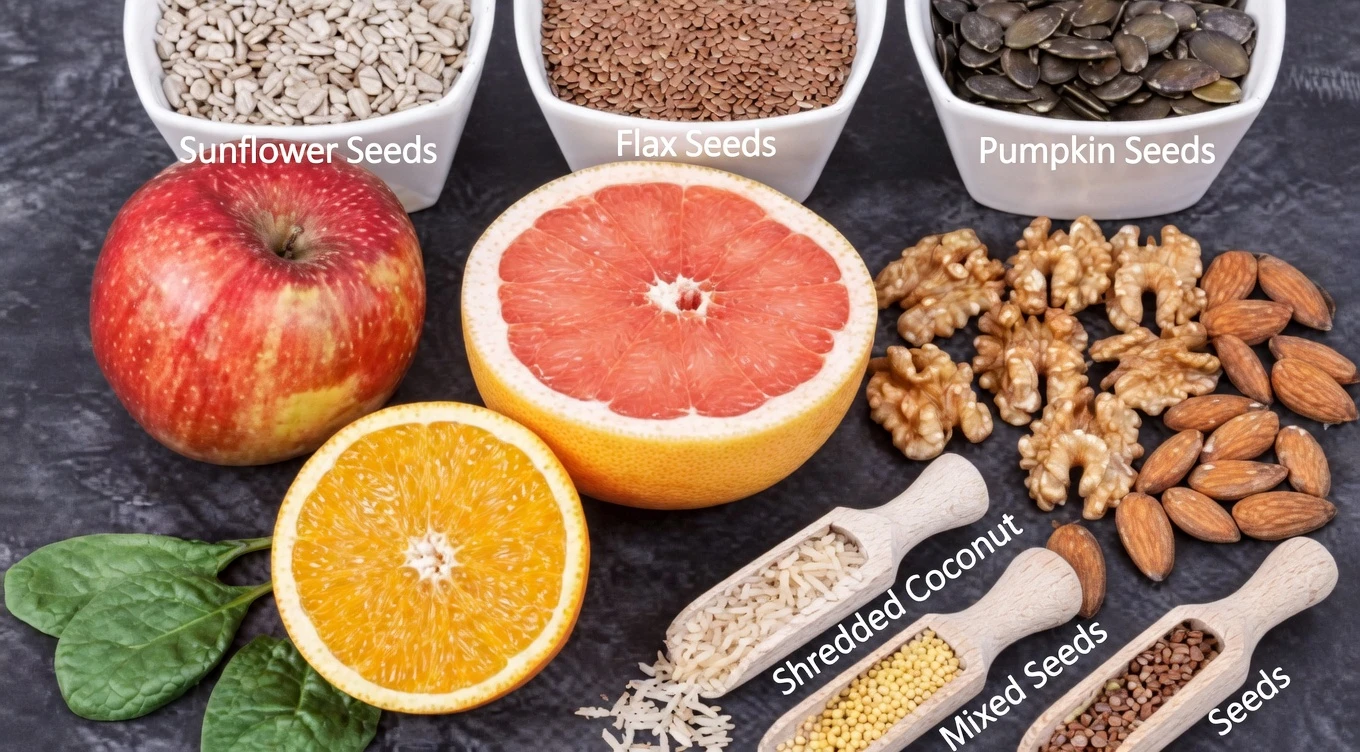
Step 2: Emphasize Nutrients That Support Thyroid Hormone Production
Thyroid function depends on specific nutrients that support hormone creation, conversion, and protection from oxidative stress. Many people feel better when they correct deficiencies—but it’s best to do this thoughtfully, ideally with testing when appropriate.
Key thyroid-supportive nutrients include:
- Iodine (in moderation): Essential, but balance matters—too little or too much can be problematic. Sources include seaweed, fish, eggs, and iodized salt.
- Selenium: Crucial for converting T4 to active T3 and for antioxidant defense in thyroid tissue. In many cases, 2–3 Brazil nuts per day can meet needs.
- Zinc: Supports thyroid hormone synthesis and immune balance. Good sources include oysters, beef, and pumpkin seeds.
- Iron: Low iron stores (often measured via ferritin) are linked with fatigue and can influence thyroid-related symptoms—discuss testing with your clinician.
- Vitamin D and B vitamins: Deficiencies are common and may affect energy and metabolic function. Support levels through sunlight exposure, fatty fish, leafy greens, and legumes as appropriate.
In real-world nutrition practice, people often report more stable energy after adding selenium-rich foods and addressing low iron or vitamin D—patterns that align with broader nutritional research.
Step 3: Strengthen the Gut–Thyroid Connection
A significant portion of the immune system is located in the gut. When the gut microbiome is imbalanced or the intestinal lining is irritated, inflammation can increase—potentially influencing thyroid health and how well nutrients are absorbed.
Supportive habits include:
- Aim for 25–35 g of fiber per day from vegetables, berries, legumes, and whole foods
- Include fermented foods such as sauerkraut, kimchi, kefir, or yogurt (as tolerated)
- Hydrate consistently; a simple guideline is about half your body weight in ounces of water daily
- Eat slowly and chew thoroughly to improve digestion and reduce bloating
A simple, low-effort routine many people enjoy: starting the day with warm water and lemon to gently support digestion and hydration.
Step 4: Make Stress Reduction Non-Negotiable
Long-term stress raises cortisol, and research suggests elevated cortisol can interfere with thyroid hormone regulation, including the conversion of T4 into T3. If you’re doing “everything right” nutritionally but still feel depleted, stress and sleep are often the missing pieces.
Build a few daily anchors:
- 10–20 minutes of deep breathing, including box breathing or slow diaphragmatic breathing
- 7–9 hours of consistent, quality sleep
- Choose gentle movement (walking, stretching, yoga) more often than intense training every day
- Protect your schedule: say “no” to one extra commitment each week
These habits are free, scalable, and frequently associated with noticeable improvements in mood and energy within weeks.
Step 5: Practice Gentle Neck and Jaw Self-Care
Tension around the neck and upper chest can contribute to tightness and discomfort—especially for people who spend long hours at a desk. While massage won’t “fix” a thyroid condition, gentle self-care may support relaxation and local circulation.
Try this approach:
- Use a small amount of coconut oil or olive oil
- Apply light circular motions at the base of the neck for 3–5 minutes daily (evenings can work well)
- Keep pressure soft—this area is sensitive
Important: if you have known thyroid nodules, swelling, pain, or a thyroid diagnosis, check with a healthcare professional first before doing neck massage.
Step 6: Try a Traditional Garlic–Onion Infusion (Antioxidant Support)
This traditional preparation uses onion and garlic—foods rich in sulfur-containing compounds and plant antioxidants. Preliminary research highlights compounds such as allicin (from garlic) and quercetin (notably in onions) for their potential antioxidant and anti-inflammatory properties. While this is not a medical treatment, some people use it as a supportive wellness habit.
Ingredients (for 1–2 days)
- 1 medium red onion, chopped
- 2–3 garlic cloves, crushed
- 2 cups filtered water
How to prepare
- Bring the water to a boil.
- Add the onion and garlic.
- Simmer for 10 minutes.
- Strain the liquid.
- Drink 1 cup per day, warm (morning or evening).
- Suggested cycle: 7 days on, 5 days off.
If you’re sensitive to garlic/onion or have digestive issues (like reflux), start with a smaller amount to assess tolerance.
Realistic Expectations: Combine Strategies for Better Results
Lifestyle-based thyroid support may improve how you feel, but it is not a replacement for medical care, especially for diagnosed thyroid disease. Work closely with a qualified clinician if you are taking thyroid medication, pregnant, or managing autoimmune conditions.
Here’s a simplified comparison of common approaches:
-
Prescription medication
- Primary focus: hormone replacement or suppression
- Evidence: very strong
- Typical timeline: 2–8 weeks
- Key note: requires monitoring
-
Nutrient optimization
- Primary focus: provides building blocks for hormone function
- Evidence: moderate to strong
- Typical timeline: 4–12 weeks
- Key note: test when possible before supplementing
-
Stress and sleep support
- Primary focus: cortisol balance and recovery
- Evidence: strong
- Typical timeline: 2–6 weeks
- Key note: high impact, no cost
-
Gut support
- Primary focus: reduce inflammation and improve absorption
- Evidence: emerging to moderate
- Typical timeline: 4–12 weeks
- Key note: consistency matters most
-
Garlic–onion infusion
- Primary focus: antioxidant support
- Evidence: traditional use + preliminary research
- Typical timeline: 2–8 weeks (anecdotal)
- Key note: use in cycles as a supportive habit
The strongest results tend to come from synergy, not a single “miracle fix”—nutrients support hormone production, gut health supports absorption, and stress reduction helps protect hormone conversion.
If you want to begin simply, start with one or two steps—many people choose improving sleep consistency and adding a selenium-rich food like Brazil nuts. Which step feels most realistic for you right now?
FAQ
-
What early signs suggest thyroid support could be helpful?
Common early clues include ongoing fatigue, hair thinning, unexplained weight changes, or persistent brain fog. These symptoms can have multiple causes, so testing and a clinical discussion are important. -
Can diet alone fix thyroid problems?
Nutrition can strongly support thyroid wellness, but diagnosed thyroid conditions often require professional care. Diet should be viewed as a foundation, not a substitute for treatment. -
How long does it take to notice improvements?
Many people report gradual changes in 4–12 weeks with consistent habits. Results depend on the individual, underlying causes, and whether deficiencies or medical conditions are present.
Disclaimer: This article is for informational purposes only and does not provide medical advice. Always consult a qualified healthcare professional before making changes—especially if you have a thyroid diagnosis, take medication, are pregnant, or have an autoimmune condition.