
Why Protein Matters in Chronic Kidney Disease (CKD)
Protein plays a major role in preserving muscle, supporting immune defenses, and repairing body tissues. But when kidney function is reduced, protein metabolism also creates nitrogen-based waste—especially urea—that the kidneys must filter out. Eating more protein than your body needs can raise these waste levels and, in some cases, increase the workload on already stressed kidneys.
Many kidney nutrition guidelines, including those often referenced from the National Kidney Foundation (NKF), commonly suggest moderating protein intake to about 0.6–0.8 grams per kilogram of body weight per day for people with non-dialysis CKD, with about half coming from high-quality protein sources. In practice, this is less about “cutting protein” and more about choosing the right kinds and portions.

Protein Quality Also Affects Phosphorus, Potassium, and Acid Load
Protein isn’t just protein—its source can change how much phosphorus, potassium, and dietary acid load your body processes. These factors can influence lab values and overall kidney workload.
Research often notes a key difference:
- Animal-based proteins tend to contain phosphorus that is more easily absorbed (commonly ~50–60% or higher).
- Many plant proteins contain phosphorus bound to phytates, which may reduce absorption (often below ~40–50%).
For anyone monitoring phosphorus, that absorption gap can be meaningful, even when two foods have similar “phosphorus on paper.”
4 Kidney-Friendly Protein Options to Consider
Below are four protein choices frequently highlighted in kidney-focused nutrition resources because they can be easier to fit into a CKD eating pattern—especially when phosphorus control is a priority.

1) Egg Whites
Egg whites are a standout for CKD because they provide complete, high-quality protein with a strong biological value (your body can use it efficiently). They also come with very little phosphorus, plus they’re naturally low in potassium and typically create a relatively low acid load.
- Typical serving: about 4 large egg whites
- Approximate protein: ~14 g
- Approximate phosphorus: often under ~20 mg total
2) Firm Tofu
Firm tofu is a versatile plant protein that may be easier on phosphorus management because its phosphorus is often less absorbable than the phosphorus in many meats or dairy products. It also provides complete protein and contains isoflavones, which are commonly studied for potential broader health benefits.
- Typical serving: ½ cup
- Approximate protein: ~10–15 g
- Phosphorus: moderate, but commonly lower bioavailability than many animal sources
3) White Fish (e.g., Tilapia)
Lean white fish such as tilapia can offer high-quality protein with moderate phosphorus compared with some higher-fat fish or red meats. It also supplies selenium, a nutrient involved in antioxidant protection.
- Typical serving: 3–4 oz cooked
- Approximate protein: ~20–25 g
- Approximate phosphorus: ~150–200 mg (varies by portion and preparation)
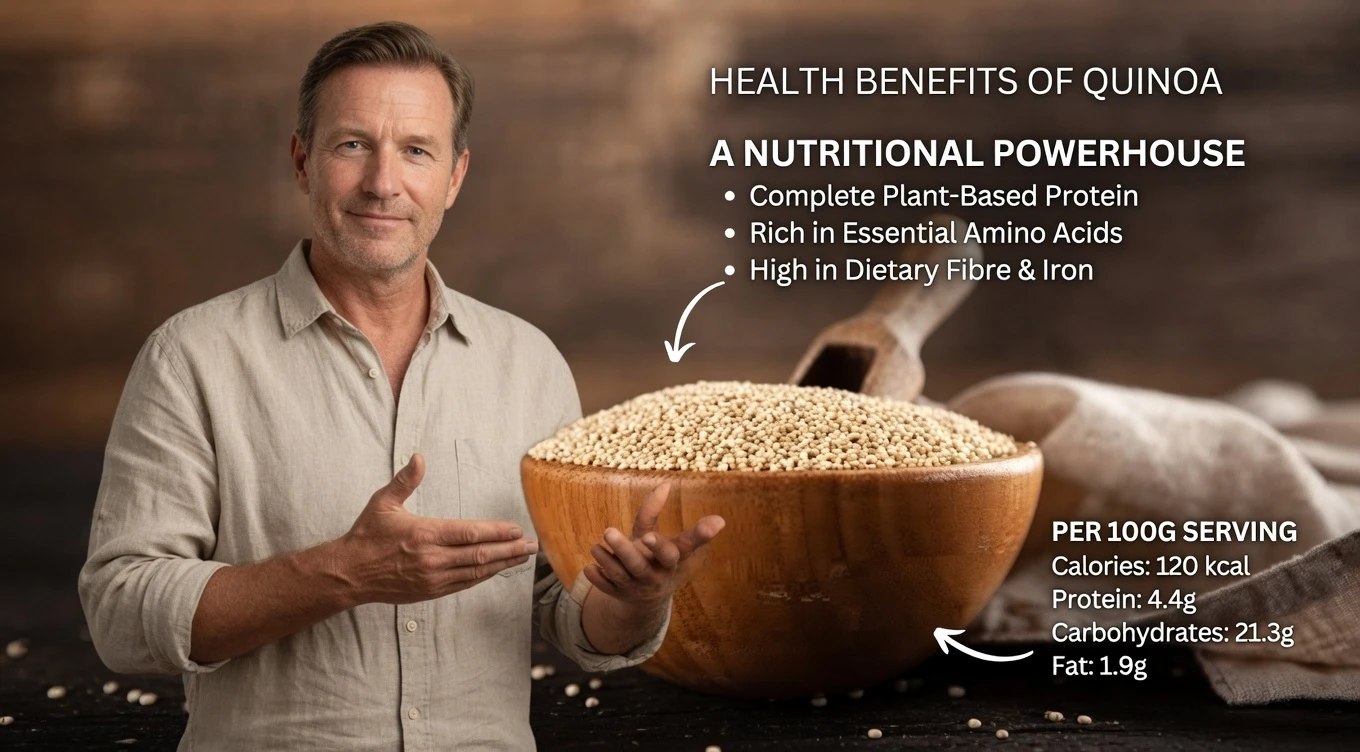
4) Quinoa
Quinoa is a “pseudo-grain” that’s notable for being a complete plant protein, making it helpful when you want more variety beyond animal proteins. Compared with many beans and lentils, quinoa often fits more easily into plans that also consider potassium and phosphorus. The fiber may support gut health, and rinsing well before cooking can reduce certain naturally occurring compounds.
- Typical serving: 1 cup cooked
- Approximate protein: ~8 g
- Often: lower potassium/phosphorus than many legumes
Quick Comparison: Protein and Key Minerals (Approximate)
- Egg whites (4 large): ~14 g protein, very low phosphorus (~15–20 mg), low potassium
- Firm tofu (½ cup): ~10–15 g protein, moderate phosphorus with lower absorption
- Tilapia (3 oz): ~20 g protein, ~170 mg phosphorus
- Quinoa (1 cup cooked): ~8 g protein, generally lower phosphorus/potassium than many legumes
6 Protein Sources That Often Need More Caution in CKD
Some protein foods—while considered nutritious in many general diets—can be tougher to manage in CKD due to higher levels of absorbable phosphorus, potassium, sodium, or a higher acid load.
Consider being more cautious with:
- Processed meats (turkey bacon, hot dogs): often high sodium and may contain phosphate additives
- Red lentils and other legumes: can be higher in potassium and phosphorus per serving
- Whey protein powders/supplements: can rapidly increase protein intake and related waste products
- Canned beans with added salt: sodium concerns plus potential potassium load
- Red meat (e.g., beef steak): typically higher acid load and more readily absorbed phosphorus
- High-phosphorus animal foods such as organ meats or many dairy products
Swapping these more often for lower-impact options (like egg whites, tofu, white fish, or quinoa) can help you meet protein needs while keeping mineral targets more manageable.
Simple, Practical Ways to Use Kidney-Friendly Proteins
Try these straightforward strategies:
- Replace one higher-phosphorus protein (such as red meat) with egg whites or tofu—an egg-white veggie scramble works well for breakfast.
- Add firm tofu to stir-fries or salads 2–3 times per week for plant-based variety.
- Plan for tilapia or other white fish about twice weekly, baked or grilled, without adding salt-heavy seasonings.
- Use quinoa as a side dish in place of rice or beans; rinse thoroughly and cook in water.
- Review portion sizes with your dietitian to match your goals (many plans use a guide like 2–3 oz animal protein or ½ cup plant protein per meal, depending on your needs).
- Check ingredient lists for phosphate additives, which commonly appear in processed foods.
Consistent, small changes often work better than drastic restrictions—especially when paired with regular lab monitoring and a kidney-focused care plan.
30-Day Starter Meal Approach (Easy Weekly Focus)
- Week 1: Prioritize egg whites at breakfast (omelets with vegetables) and tofu-based lunches.
- Week 2: Add two tilapia dinners, and pay attention to appetite, energy, and thirst.
- Week 3: Rotate grains—use quinoa more often to build balanced plates.
- Week 4: Check in with your healthcare team and discuss any symptom or energy changes.
Frequently Asked Questions (FAQ)
How much protein should I eat with CKD?
Protein targets depend on CKD stage, body size, nutrition status, and lab results. Many non-dialysis CKD plans commonly fall around 0.6–0.8 g/kg/day, but your nephrologist or renal dietitian should set your specific goal.
Are plant proteins always better for kidneys?
Not always, but many plant proteins tend to have less bioavailable phosphorus and a lower acid load, which can be helpful. Potassium still matters, and not every plant protein is equal—tofu and quinoa are often easier options for many people.
Can I eat eggs if I have kidney problems?
Egg whites are commonly recommended because they offer high-quality protein with very low phosphorus. Whole eggs contain more phosphorus due to the yolk, so it’s best to confirm what fits your plan with your care team.
Medical Disclaimer
This content is for educational purposes only and is not a substitute for medical advice. Always consult your nephrologist or a registered dietitian for guidance based on your CKD stage, lab values, medications, and individual nutrition needs.