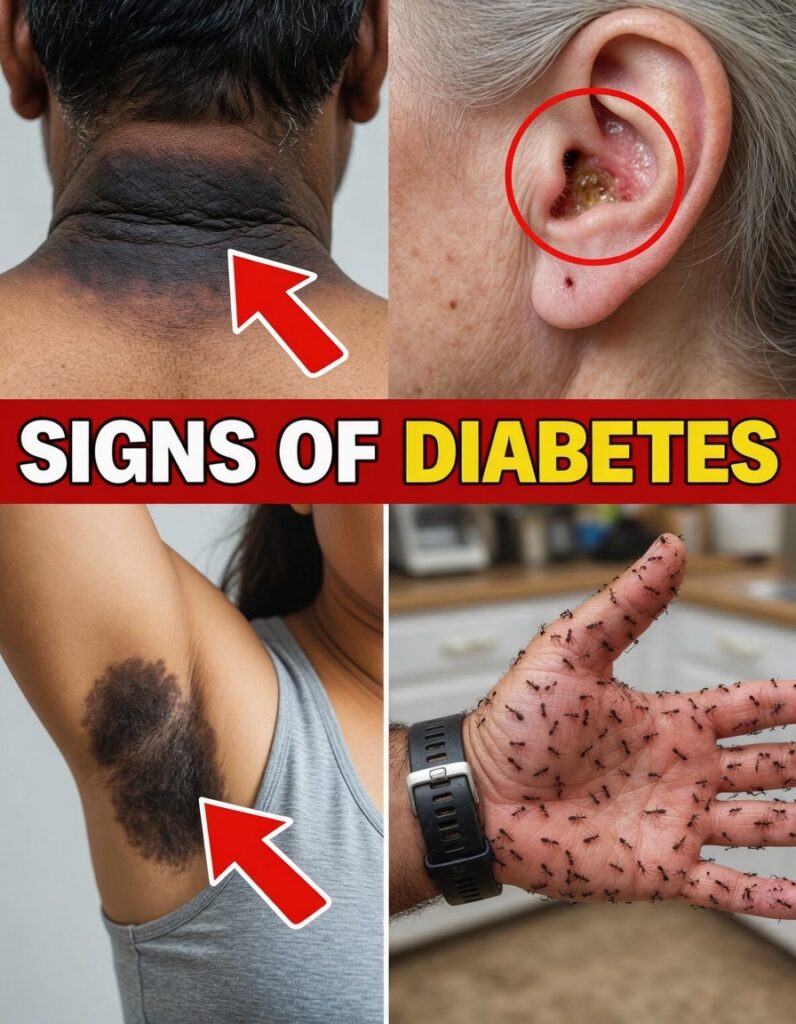
Millions of U.S. adults are living with diabetes or prediabetes without knowing it—largely because the earliest symptoms can feel mild, inconsistent, or easy to blame on stress, busy schedules, or getting older. Recent figures from the CDC and the American Diabetes Association estimate that over 40 million Americans have diabetes (roughly 12% of the population), while more than 115 million adults have prediabetes. Many don’t discover it until complications begin.
These gradual changes can quietly reduce energy, impact concentration, and raise long-term health risks when ignored. The upside is that recognizing possible warning signs early can lead to simple next steps—such as getting tested and making practical lifestyle adjustments to support healthier blood sugar levels.
What most people don’t realize is that several early indicators look “ordinary” at first—but they can reflect how your body is managing glucose. Below are 15 potential early warning signs supported by reliable health guidance, including why one signal (#8) often warrants prompt medical attention.
Understanding the Key Tests for Early Detection
Early detection starts with knowing the core screenings clinicians use to evaluate blood glucose and diabetes risk:
-
Fasting Plasma Glucose (FPG)
Taken after 8–12 hours without food.- Normal: under 100 mg/dL
- Prediabetes: 100–125 mg/dL
- Diabetes: 126 mg/dL or higher
-
HbA1c (A1c)
Estimates average blood sugar over the last 2–3 months.- Normal: below 5.7%
- Prediabetes: 5.7–6.4%
- Diabetes: 6.5% or above
-
Oral Glucose Tolerance Test (OGTT)
You fast first, then drink a glucose solution, followed by a 2-hour blood glucose check.- Normal: under 140 mg/dL
- Prediabetes: 140–199 mg/dL
- Diabetes: 200 mg/dL or higher
Even “borderline” values can indicate that your metabolism is shifting—one reason body-based clues matter and shouldn’t be dismissed.
15 Potential Early Warning Signs of Diabetes
These symptoms are commonly reported and are often linked to elevated blood sugar over time. You may experience only a few—or none. Many signs can also overlap with other conditions, so testing and professional evaluation are essential.
-
Tingling, burning, or numbness in the hands or feet
Persistently high glucose can affect nerves, creating a pins-and-needles sensation—often more noticeable at night. This may reflect early neuropathy changes. -
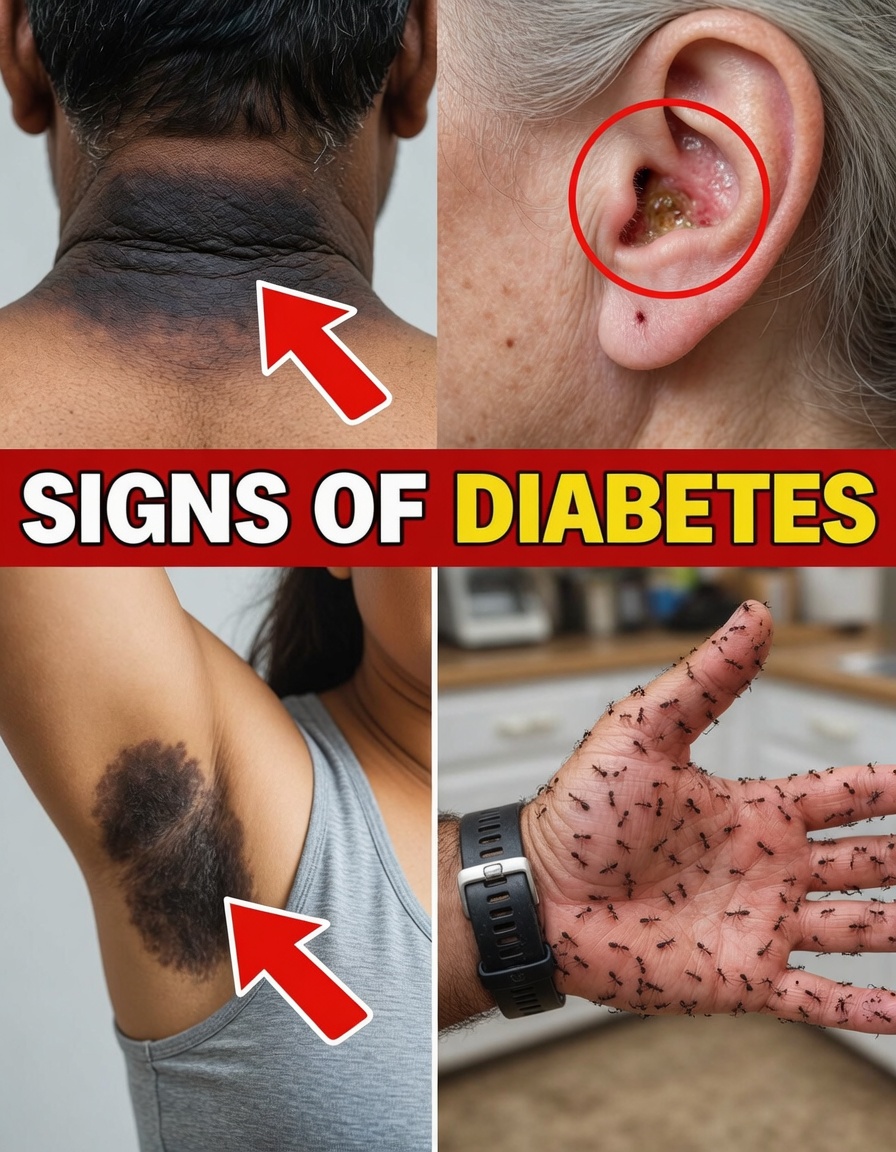
Dark, velvety skin patches (acanthosis nigricans)
Thickened, darker skin—especially on the neck, armpits, or groin—is frequently associated with insulin resistance and can appear in prediabetes or type 2 diabetes. -
Feeling unusually full or experiencing slow digestion
High blood sugar can interfere with stomach emptying, leading to bloating or prolonged fullness even after smaller meals. -
Shakiness or “crashing” after high-carb meals
In early insulin resistance, the body may release more insulin than needed after a carbohydrate-heavy meal, causing blood sugar to dip later and triggering weakness, jitters, or low energy. -
Sweet-smelling urine that seems to attract insects
When blood glucose rises high enough, sugar can spill into the urine—sometimes producing a sweet odor that may even draw ants. While old-fashioned, this clue can still be relevant. -
Blurry vision or frequent changes in eyesight
Blood sugar fluctuations can shift fluid levels in the eye’s lens, temporarily affecting focus. Vision may improve when glucose becomes more stable. -
Cuts, bruises, or sores that heal slowly
Elevated blood sugar can impair circulation and immune response, making even small injuries take longer to recover. -
Unexplained weight loss despite eating normally
When insulin isn’t working properly, the body may begin breaking down fat and muscle for energy, leading to noticeable weight loss. In some situations—especially with type 1 diabetes—this can progress quickly to diabetic ketoacidosis, a serious condition requiring urgent medical care. This is why unexplained weight loss is often treated as a high-priority red flag. -
Ongoing fatigue that rest doesn’t fix
If cells can’t use glucose efficiently, you can feel persistently drained—even with adequate sleep—because your body isn’t accessing fuel effectively. -
Frequent gum problems or mouth infections
Higher blood sugar can increase inflammation and infection risk in the mouth. Sometimes dental professionals notice early warning patterns first. -
Constant hunger, even after meals
When the body can’t use glucose properly, the brain may continue signaling hunger, even if you’re eating enough calories. -
Excessive thirst that doesn’t go away
The kidneys work harder to filter out extra glucose, pulling more water with it. This can cause dehydration and persistent thirst. -
Fruity or unusual breath odor
When the body shifts to burning fat for fuel, ketones can build up, causing breath that smells fruity or like acetone—especially in uncontrolled diabetes. -
Hormone-related shifts (irregular cycles, lower energy, libido changes)
Blood sugar imbalance can disrupt hormonal regulation, affecting menstrual cycles in women and testosterone or energy levels in men. -
Recurring infections (yeast, skin, urinary tract)
High glucose can weaken immune defenses and encourage bacterial or fungal overgrowth, increasing the frequency of infections.
Quick Comparison: Common Signs and Why They Happen
- Tingling in hands/feet: early nerve impact → can worsen if not addressed
- Dark skin patches: insulin resistance → often a visible early clue
- Sweet-smelling urine / ants: glucose spilling into urine → suggests higher levels
- Unexplained weight loss: muscle/fat breakdown for energy → seek care promptly
- Fruity breath: ketone buildup → may signal an emergency
- Repeat infections: reduced immune effectiveness → risk rises over time

Simple Steps You Can Take Right Now
If one or more symptoms feel familiar, these practical actions can help you move forward:
-
Track symptoms for 7 days
Note thirst, fatigue, meals, and how you feel afterward. A simple journal or phone note can reveal patterns worth discussing. -
Book a basic blood sugar test
Request fasting glucose or A1c at your next appointment. These tests are quick, widely available, and informative. -
Strengthen daily habits that support stable blood sugar
Prioritize whole foods, regular movement (even walking), and consistent sleep—small changes can improve energy and glucose stability. -
Stay hydrated and observe post-meal responses
Drink water regularly and pay attention to energy dips or shakiness after eating.
These steps aren’t “cures,” but they can make a meaningful difference in catching problems early and reducing the chance of complications.
Frequently Asked Questions
-
What’s the difference between prediabetes and diabetes?
Prediabetes means blood sugar is above normal but not yet in the diabetes range—and it may be improved with lifestyle support. Diabetes meets diagnostic thresholds and often requires ongoing management. -
Can these symptoms happen without diabetes?
Yes. Many overlap with stress, thyroid conditions, medication effects, aging, and other health issues. Testing is the only reliable way to confirm what’s going on. -
How often should at-risk adults get screened?
If you’re over 35, have excess weight, a family history, or other risk factors, many guidelines recommend screening every 1–3 years, or sooner if symptoms appear.
Medical Disclaimer
This article is for informational purposes only and does not replace professional medical advice. If you notice multiple warning signs—especially rapid unexplained weight loss, fruity breath, severe fatigue, or sudden worsening symptoms—seek medical evaluation promptly for proper testing and guidance.