When a “Nipah-Like” Illness Isn’t Nipah: The Emerging Threat of Pteropine Orthoreovirus (PRV)
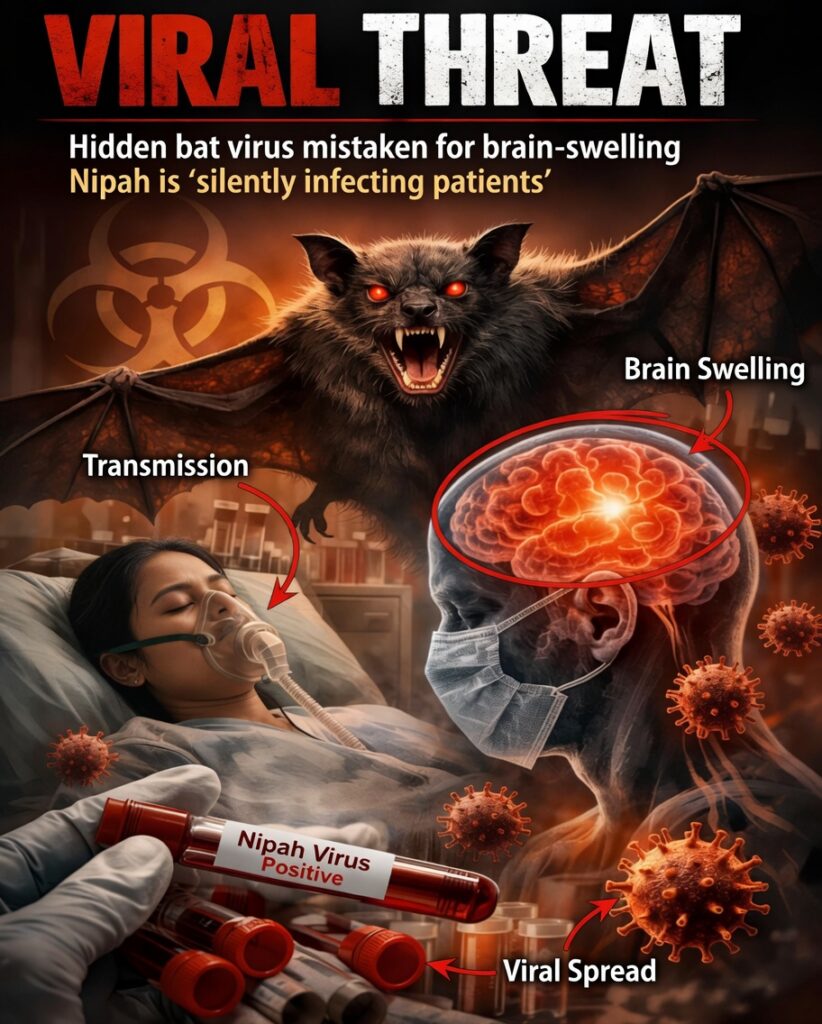
Waking up with a high fever, struggling to breathe, and feeling confused would alarm anyone—especially in places where doctors routinely watch for Nipah virus, one of the world’s most feared infections. But recent findings from Bangladesh suggest that a different bat-associated virus may sometimes be responsible, quietly escaping notice.
Researchers have identified Pteropine orthoreovirus (PRV) in patients whose symptoms closely resembled Nipah. The discovery raises an important public health message: when suspected Nipah cases test negative, other bat-borne viruses may be involved—and some may be spreading under the radar.
What Is Pteropine Orthoreovirus (PRV)—and Why Does It Matter?
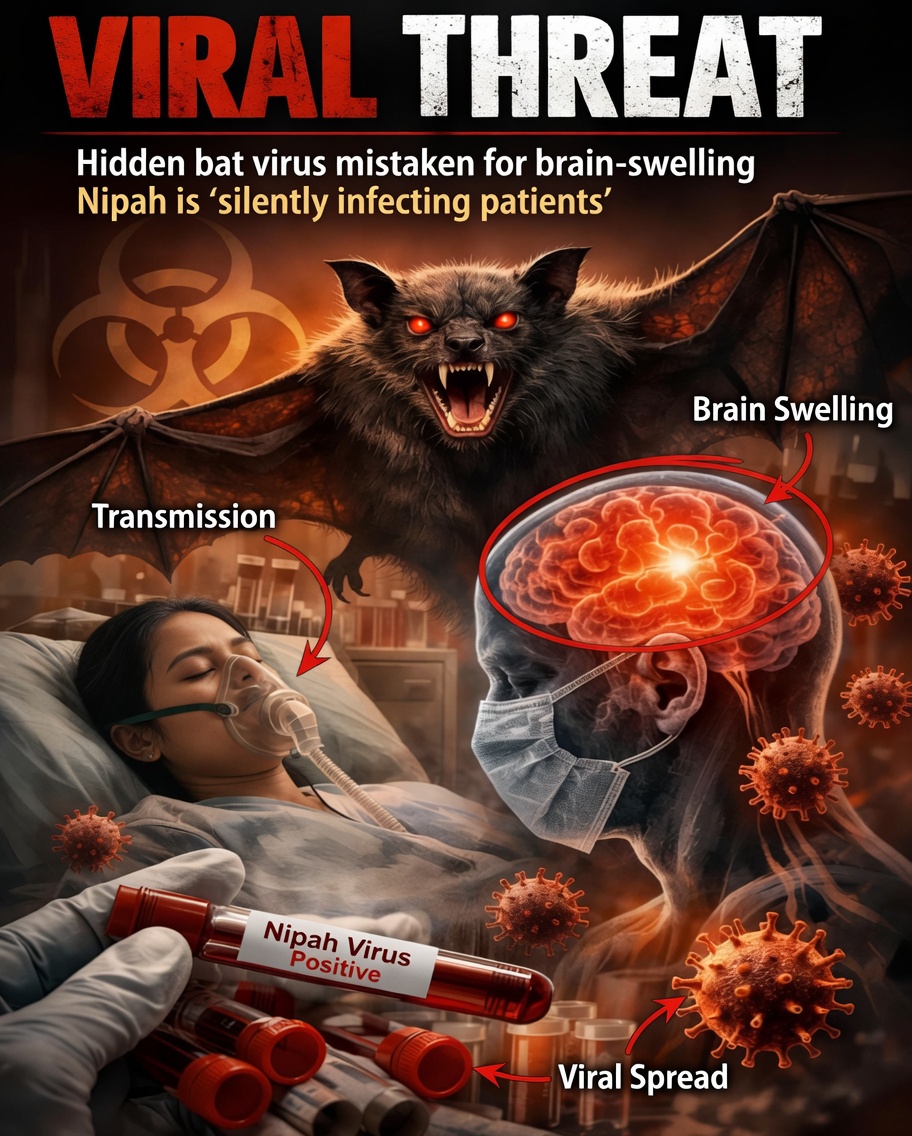
Pteropine orthoreovirus (PRV) is part of a group of viruses associated with bats. Unlike Nipah virus, which is well known for severe outbreaks and high fatality rates (reported as high as 75% in some events), PRV has received far less attention in human disease.
A study published in Emerging Infectious Diseases analyzed stored clinical samples from five patients in Bangladesh who became ill between late 2022 and early 2023. All five sought medical help for a combination of:
- Acute respiratory illness
- Neurological symptoms, including signs consistent with encephalitis-like inflammation
Initial testing ruled out Nipah. However, advanced genetic sequencing identified PRV in throat swab samples. In some cases, researchers were able to culture live virus, strengthening the evidence of active infection rather than incidental detection.
One shared detail stood out: every patient had recently consumed raw date palm sap, a seasonal traditional drink commonly collected during winter.
Why Raw Date Palm Sap Can Become a High-Risk Exposure
In many parts of South Asia, date palm sap is harvested by cutting into palm trunks and leaving open collection pots overnight. Because the liquid is sweet, it attracts fruit bats, which can contaminate the sap through:
- Saliva
- Urine
- Droppings
This exact practice has long been linked to Nipah spillover events in Bangladesh, and the new evidence suggests PRV may exploit the same route—moving from bats to humans through contaminated sap consumed without boiling.

PRV Symptoms Can Resemble Nipah—Making Cases Easy to Miss
One reason PRV is concerning is how closely its illness can overlap with Nipah-like clinical presentations. In the Bangladesh cases, reported features included:
- Fever
- Severe breathing difficulty
- Confusion and disorientation
- Encephalitis-like symptoms
Additional observations from follow-up made the situation more complex:
- Patients typically improved enough to leave the hospital after 2–3 weeks
- Some continued experiencing problems for over a year, such as fatigue, cognitive issues, breathing trouble, disorientation, and mobility limitations
- One individual later died after ongoing decline and unexplained neurological complications, although a direct cause-and-effect link to PRV could not be definitively proven
The practical implication for clinicians and public health teams is clear: a Nipah-negative result should not end the investigation. Broader testing for other bat-related viruses may be crucial in regions where spillover risk is high.
PRV vs. Nipah Virus: Similarities and Key Differences
Current research suggests strong overlap, but also important distinctions:
-
Likely exposure route
- Both are associated with raw date palm sap contaminated by bats
- PRV may have additional transmission pathways in other settings, though evidence is still emerging
-
Clinical picture
- Both can involve fever, respiratory illness, and encephalitis-like brain inflammation
- PRV cases in this report were severe and may leave long-term effects
-
Severity profile
- Nipah is often fatal
- PRV caused serious disease in these cases, while milder illness has been described elsewhere—suggesting many infections may be missed
-
How it is detected
- Nipah is typically found with targeted PCR tests
- PRV in this study was detected through genomic sequencing, which is not routinely available in many laboratories
-
Documented human cases
- Nipah: hundreds of recognized cases
- PRV: still emerging, with these five Bangladesh cases standing out due to severity
Because surveillance systems in Bangladesh are heavily oriented toward Nipah, PRV could be misdiagnosed or overlooked, especially where sequencing is not standard.
Why Bat-Borne Viruses Are a Growing Global Health Concern
Spillover infections from bats are increasingly discussed in global health due to factors such as:
- Environmental and land-use changes that alter wildlife habitats
- More frequent human–animal contact
- Climate-related shifts that affect animal behavior and movement patterns
Bangladesh is considered a critical region for monitoring spillovers because of dense populations, strong seasonal traditions, and established evidence of bat-to-human transmission tied to date palm sap.
Experts from Columbia University’s Mailman School of Public Health and Bangladeshi partner institutions stress that the hazards linked to raw sap likely extend beyond Nipah. Senior author Nischay Mishra emphasized the need for expanded detection programs that can identify additional emerging threats.
Researchers are also investigating how spillovers occur, including bat ecology and human exposure patterns in areas such as river-adjacent regions (including the Padma Basin). The overarching goal is to detect viruses early, before they spread more widely.
Practical Ways to Lower Risk From Bat-Borne Infections
There is currently no PRV-specific vaccine, but exposure can likely be reduced through straightforward steps—particularly in communities where date palm sap consumption is common:
- Avoid drinking raw date palm sap
- Choose boiled or pasteurized alternatives when possible, or skip consumption during winter harvesting season
- Use protective barriers when collecting sap
- Bamboo skirts, nets, or covers over collection pots can help prevent bat access (a method proven effective for Nipah prevention and likely relevant here)
- Maintain strong hygiene habits
- Wash hands well after handling tree products or spending time in rural areas where bats are present
- Seek medical care quickly
- If fever, breathing problems, or neurological symptoms appear after possible exposure, tell healthcare providers about recent raw sap consumption
- Support community awareness
- Sharing accurate information helps communities adopt safer practices without fear-driven misinformation
These actions cannot remove all risk, but they can significantly reduce exposure through known pathways.
How Health Experts Are Responding
Bangladesh continues long-running Nipah monitoring and surveillance efforts, supported by international partners including the CDC. Since 2006, these programs have enrolled more than 22,000 patients. Importantly, the PRV finding came from retesting archived samples, demonstrating how retrospective analysis can uncover threats that standard testing may miss.
Public health systems are increasingly incorporating broader viral surveillance, including sequencing to detect unexpected pathogens. This strategy improves the chance of identifying viruses like PRV earlier—before they become a larger outbreak.
Conclusion: Awareness and Prevention Matter
Human PRV infections in Bangladesh highlight a crucial lesson: not every Nipah-like illness is Nipah. Even if PRV is not known to be as deadly as Nipah, it can cause serious disease, mimic severe symptoms, and potentially circulate unnoticed.
Understanding the risks linked to raw date palm sap and adopting safer habits can help protect individuals and communities from emerging zoonotic threats—while ongoing research and surveillance improve our ability to stay ahead of new viruses.
Frequently Asked Questions (FAQ)
What symptoms have been reported with PRV infection?
Documented cases included fever, severe respiratory distress, confusion, and encephalitis-like symptoms. Some patients also reported long-term issues after recovery, such as fatigue and mobility problems.
Is PRV as dangerous as Nipah virus?
Nipah has a much higher known fatality rate. PRV caused serious illness in the reported Bangladesh cases, but milder infections may exist and go undetected, making direct comparisons difficult.
How can people in higher-risk areas protect themselves?
Key steps include avoiding raw date palm sap, using bat-proof covers on sap collection pots, practicing good hygiene, and seeking medical care quickly if symptoms develop after possible exposure.
Disclaimer
This article is for informational purposes only and is not a substitute for professional medical advice. If you experience symptoms of illness, consult a qualified healthcare professional.