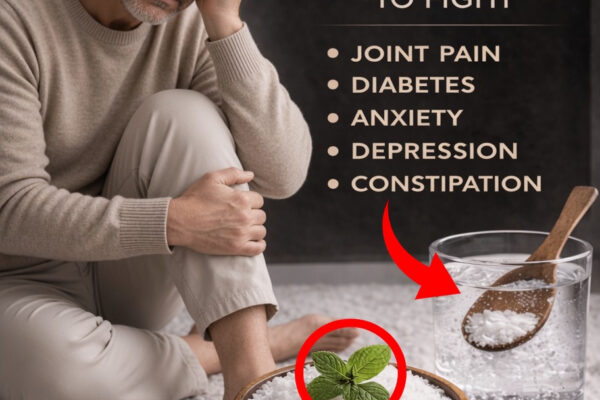
Many adults over 35 quietly manage small but persistent hurdles—occasional tiredness, mild digestive unease, inconsistent energy, or less-than-ideal heart-health numbers flagged during routine checkups. Because these changes often appear gradually, mornings can feel less “bright,” and everyday tasks may seem heavier than they once did.
Nutrition research continues to spotlight simple, natural foods that may offer gentle, day-to-day wellness support—garlic is one of the most studied. When a fresh clove is crushed or chopped, it forms allicin and related sulfur compounds that have been linked to multiple body processes. One easy ritual that has gained attention is garlic infused in water. What might happen if you drink it regularly? Below are science-informed possibilities and a practical way to make it at home.

The Science Behind Garlic Water: What’s Inside the Glass
Garlic’s best-known “active” components are its sulfur-containing compounds, especially allicin, which forms after the clove is damaged (crushed, chopped, or minced). When garlic sits in water, these compounds can slowly diffuse into the liquid.
Modern studies—including meta-analyses of randomized controlled trials—have evaluated different garlic preparations (raw garlic, powders, extracts, and aged forms) for their impact on cardiovascular and metabolic markers. While garlic water itself has fewer direct clinical trials compared with standardized supplements, the infusion still contains overlapping bioactive compounds—meaning it may provide similar gentle effects when used consistently.
Potential Benefits Discussed in Research
1) Support for Heart Health Markers
Blood pressure and cholesterol are two of the most common concerns people try to improve alongside standard care and lifestyle changes.
- Blood pressure: Multiple meta-analyses report that garlic interventions can produce modest reductions in systolic and diastolic blood pressure, with stronger effects often seen in people who already have elevated readings. Some reviews describe average drops in the range of ~8–9 mmHg systolic and ~4–6 mmHg diastolic over several weeks to months in hypertensive participants.
- Cholesterol and lipids: Research suggests garlic may slightly lower total cholesterol and LDL (“bad”) cholesterol, particularly when baseline levels are high. Some studies also note potential support for HDL (“good”) cholesterol, though results vary.
A key theme across these studies is consistency: meaningful changes tend to appear after regular intake over time.
2) Possible Effects on Blood Sugar and Energy Stability
Steadier blood sugar often translates into more consistent energy, mood, and focus throughout the day. Clinical evidence has linked garlic intake with small improvements in fasting blood glucose and insulin sensitivity, especially among individuals dealing with diabetes-related concerns.
Meta-analyses commonly describe modest reductions in fasting blood sugar on average, positioning garlic as a potential complement to foundational habits like balanced meals, movement, sleep, and medical guidance.
3) Antioxidant Activity and Immune Support
Garlic’s sulfur compounds are frequently studied for antioxidant properties, which may help the body manage everyday oxidative stress.
Some trials also suggest garlic may support immune resilience—for example, by reducing the frequency or severity of common colds in certain groups. This aligns with garlic’s long-standing reputation in traditional wellness practices for supporting overall vitality.
4) Emerging Areas: Digestion, Inflammation, and Comfort
Beyond heart and metabolic markers, other topics appear in early research and anecdotal experience:
- Digestion and metabolism: Limited studies and many personal reports associate garlic with mild digestive support, potentially influenced by how its compounds interact with gut processes.
- Inflammation and daily comfort: Lab findings and some human research point to anti-inflammatory potential, which could contribute to improved overall comfort and easier day-to-day movement for some people.
Quick Snapshot: Common Concerns and How Garlic Is Often Framed in Studies
- Blood pressure concerns → modest reductions reported in meta-analyses
- Elevated cholesterol → small improvements in lipid profiles
- Energy ups and downs → possible link to improved glucose stability
- Occasional digestive sluggishness → gentle support reported, evidence still emerging
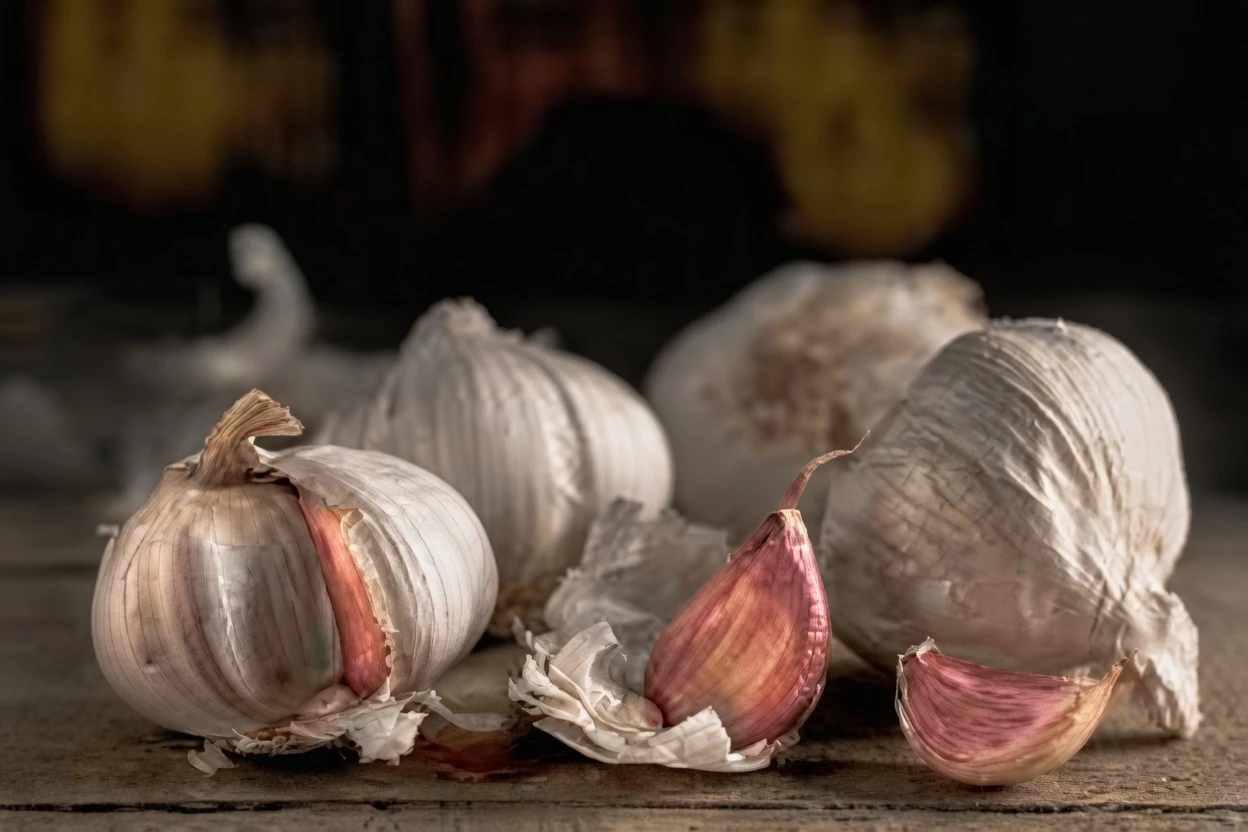
How to Make Garlic Water (Simple Daily Routine)
If you want to try this habit, keep it straightforward and start gently.
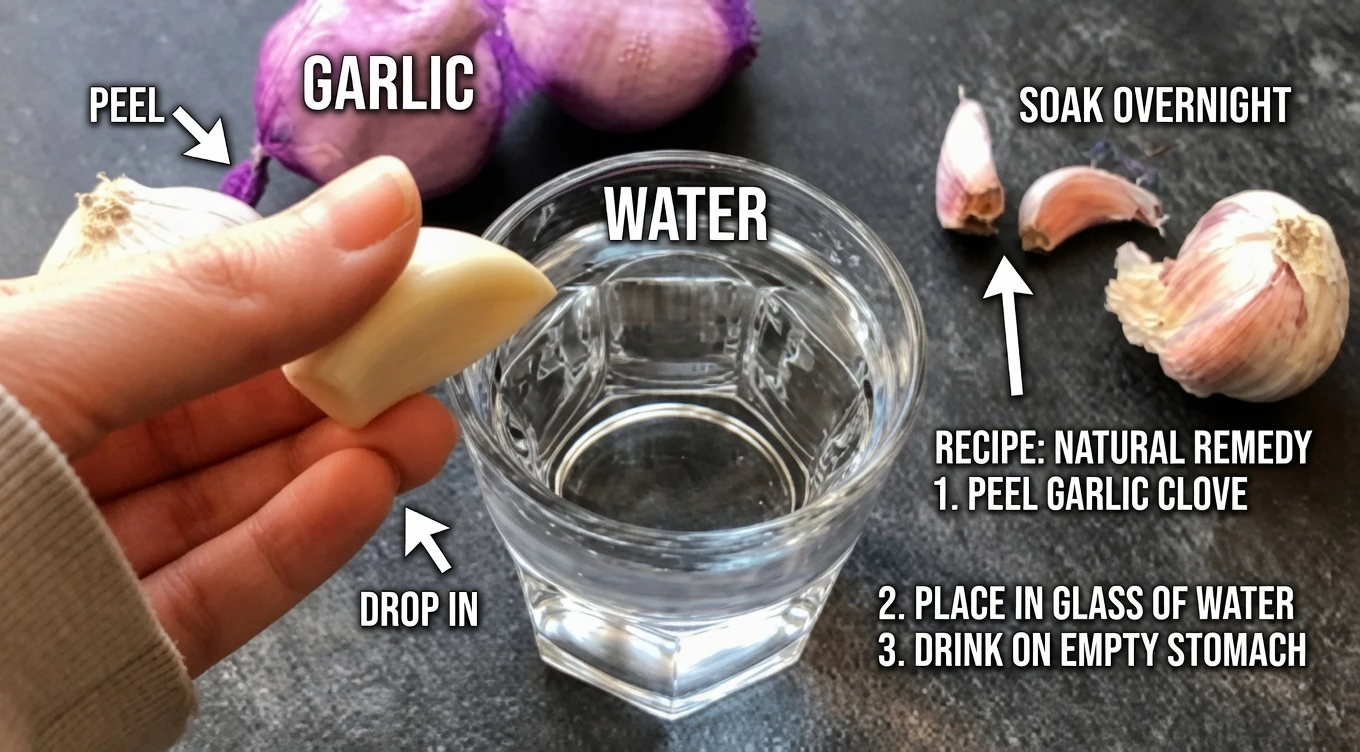
- Choose garlic: Use 1–2 fresh organic cloves (start with 1 if you’re new to raw garlic).
- Activate compounds: Crush or finely chop the clove, then let it sit for 10–15 minutes (this helps allicin form).
- Add water: Put the garlic into 8–12 oz of cool or room-temperature water.
- Steep:
- Option A: 30 minutes minimum
- Option B: Overnight in the refrigerator
- Strain (optional): Remove garlic pieces if you prefer a smoother drink.
- Drink timing: Many people take it first thing in the morning on an empty stomach.
- Optional flavor additions:
- A squeeze of lemon
- A small amount of honey for mild sweetness
Tip: Fresh cloves matter. Older garlic may contain fewer active compounds, and high-quality garlic reduces the chance of unwanted residues.
Easy Variations (If You Want Variety)
- Lemon-garlic water: Brighter taste and an extra vitamin C boost.
- Gentler evening version: Shorter steep time and a milder flavor for those who find mornings too intense.
What a Realistic Timeline Might Look Like
Results vary by person, but many people describe changes as gradual:
- Week 1: mild digestive “wake-up” effect or a small energy shift
- Weeks 2–4: more noticeable steadiness in how you feel day to day
- Month 2+: benefits, if they occur, tend to be more maintainable with ongoing consistency
Quick Self-Check
How do your mornings feel this week compared with your baseline—energy, digestion, and overall ease? Tracking small patterns can help you judge whether this habit fits your body.
Conclusion: A Simple Habit with Research-Backed Potential
A daily glass of garlic water is an inexpensive, kitchen-based way to explore garlic’s studied properties. Evidence around garlic preparations points to modest, positive influences on heart-health markers, oxidative stress support, and metabolic balance—especially when combined with an overall healthy lifestyle.
This article is for informational purposes only and does not replace medical advice. Garlic can interact with certain medications (including blood thinners) and may cause digestive discomfort in some people. Consult a healthcare professional before adding garlic water to your routine, especially if you have a medical condition, take medications, or are pregnant.
FAQ
-
Is garlic water safe to drink every day?
For most people, yes—when used in moderation (1–2 cloves daily). Start with a small amount to assess tolerance, since raw garlic can cause stomach irritation or stronger breath odor for some. -
Is garlic water better than garlic supplements?
They are different formats. Garlic water uses freshly formed compounds like allicin, while supplements often rely on aged extracts or standardized powders. Both connect to similar research themes, but fresh garlic may provide a more “natural” compound profile. -
Can I drink garlic water if my blood pressure is already low?
Be cautious. Garlic may lower blood pressure slightly in some people. If you have low blood pressure or take blood-pressure medication, consult a clinician and monitor your readings.