Many adults today experience early, easy-to-miss signs of liver strain driven by common routines—highly processed foods, chronic stress, and too little movement. Recent estimates suggest up to one in three adults (or more) may develop fatty liver buildup, often with no clear symptoms until the condition advances. Over time, this can show up as ongoing tiredness, mild discomfort, or lower day-to-day energy, gradually impacting overall quality of life.
Fortunately, small dietary upgrades can help support the liver’s natural roles, including detoxification pathways, oxidative stress defense, and overall metabolic wellness. While research is still evolving, studies increasingly highlight how nutrient-dense foods may play a meaningful supportive role. Below are 11 evidence-informed foods—plus simple, practical ways to add them to everyday meals.
The Hidden Challenges Facing Your Liver Today
Modern life keeps the liver busy: it filters unwanted compounds, helps metabolize nutrients, and produces bile for digestion. Over time, fat accumulation, inflammation, and oxidative stress can reduce how efficiently it performs these jobs.
Research links fatty liver conditions to metabolic factors that affect a large portion of adults. When the liver is under long-term pressure, you may notice subtle shifts—like slower digestion or fluctuating energy—that build gradually rather than appearing overnight.
The encouraging part: small, consistent food choices can deliver antioxidants, healthy fats, and bioactive compounds that support these natural processes.
How Your Liver Works—and Why Food Makes a Difference
The liver is one of the body’s most capable “maintenance organs.” It helps:
- Process and store nutrients
- Neutralize potentially harmful substances
- Produce bile to support fat digestion
- Regenerate cells when given proper nutritional support
A liver-friendly eating pattern often emphasizes foods rich in polyphenols, sulfur-containing compounds, and key nutrients. Evidence across multiple studies suggests certain whole foods may:
- Support protective enzyme activity
- Increase antioxidant capacity (including glutathione)
- Help balance inflammatory signaling
If your energy dips after meals or your digestion feels inconsistent, these food additions may help create a steadier baseline over time.
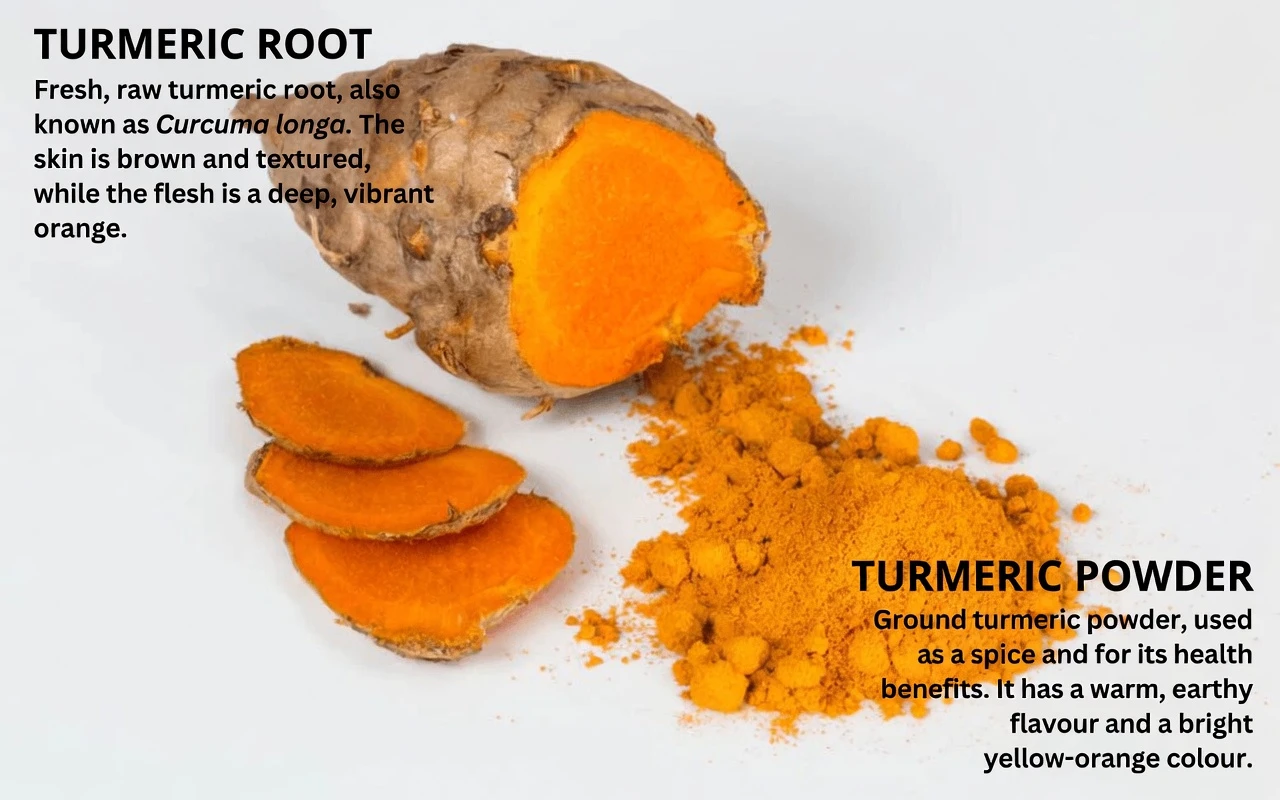
#11: Turmeric — A Golden Spice for Inflammation Support
Turmeric is best known for curcumin, a compound studied for its potential to support inflammatory balance and liver-protective pathways.
Some research indicates curcumin may help reduce oxidative stress and activate protective mechanisms in liver cells.
How to use it (simple idea):
- Make golden milk: warm milk (or a plant-based option) + ½ tsp turmeric + a pinch of black pepper + honey to taste.
Tip: Black pepper can significantly improve curcumin absorption.
#10: Allium Vegetables — Sulfur-Rich Support for Natural Detox Pathways
Garlic, onions, leeks, and scallions contain sulfur compounds that may support bile flow and enzyme activity involved in the body’s natural clearance processes. Studies commonly associate allium vegetables with enhanced phase II detoxification activity.
Easy ways to add more:
- Crush fresh garlic into salad dressings or stir-fries
- Add sautéed onions to eggs, grain bowls, or soups
Many people report feeling “lighter” after meals when these foods appear regularly in their diet.
#9: Eggs — Choline for Healthy Fat Transport
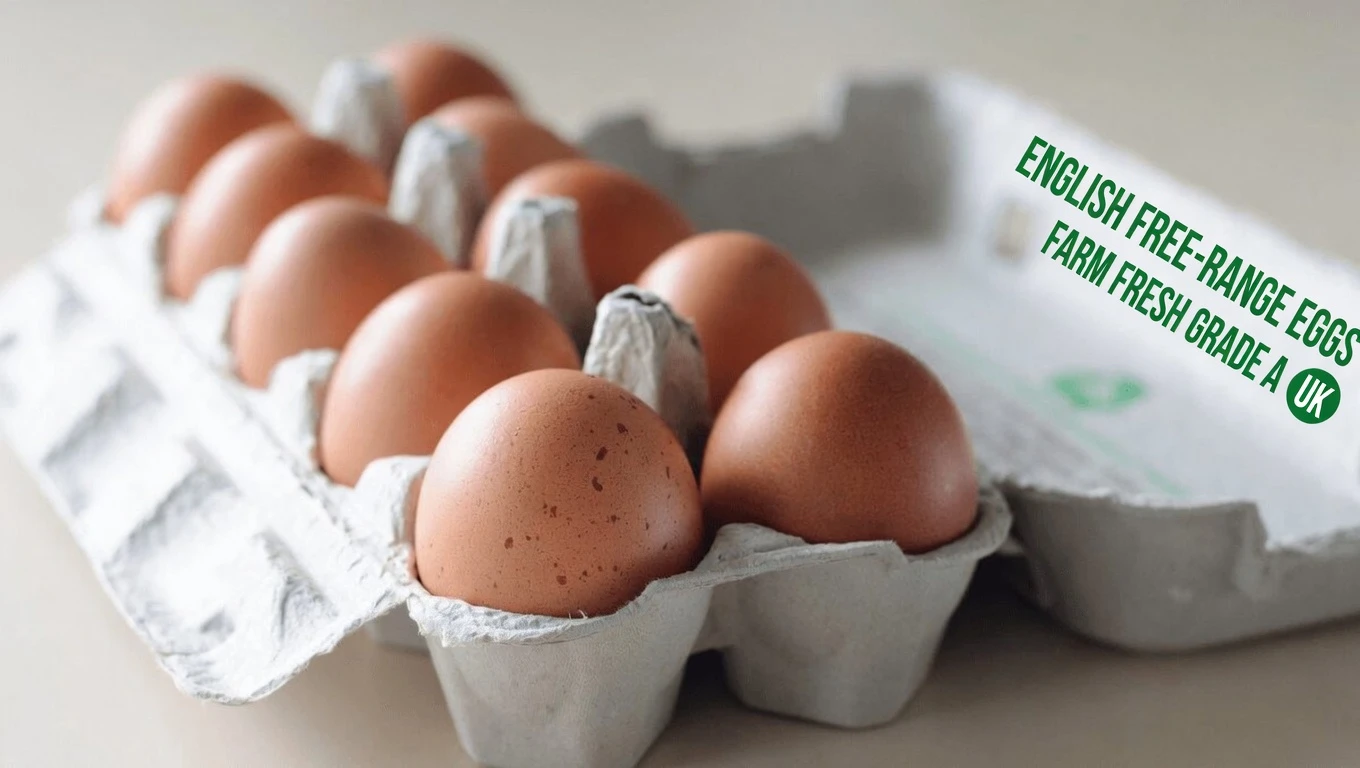
Eggs are a convenient source of choline, a nutrient essential for moving fats out of the liver. Population-based research has linked higher choline intake with a lower likelihood of fat buildup in the liver.
Practical breakfast option:
- 1–2 soft-boiled or poached eggs with vegetables and olive oil
The yolk is where much of the choline is found, and it can also help meals feel more satisfying.
#8: Cruciferous Vegetables — Helping Boost Glutathione Defenses
Broccoli, kale, Brussels sprouts, and cauliflower contain compounds such as sulforaphane, studied for its potential to support the body’s “master antioxidant,” glutathione, and protective enzyme systems.
Simple routine:
- Steam or lightly sauté broccoli/kale 3–4 times per week
- Add lemon, garlic, or olive oil for flavor and consistency
This is one of the most practical, research-supported categories to build into weekly meals.
#7: Microgreens — Small Portions, Concentrated Nutrition
Microgreens (such as broccoli microgreens) can provide high concentrations of beneficial plant compounds compared with mature plants. Early studies highlight their potential role in supporting antioxidant defenses and detox-related pathways.
Quick ways to use:
- Sprinkle microgreens on sandwiches, salads, omelets, or soups
- Blend a small handful into smoothies
They’re also easy to grow indoors, making freshness more accessible.
#6: Green Tea — Catechin-Rich Support in a Daily Cup
Green tea contains catechins, antioxidant compounds studied for their potential to support inflammatory balance and cellular protection. Regular green tea intake is also being explored for its relationship with metabolic health markers.
Simple habit to try:
- Drink 2–3 cups/day, unsweetened (adjust to your caffeine tolerance)
Many people enjoy the gentle alertness and focus it can provide.
#5: Berries — Low-Glycemic Antioxidant All-Stars
Blueberries, strawberries, raspberries, and similar fruits supply polyphenols that help counter oxidative stress. Research often links berry intake with benefits related to metabolic support and cellular protection.
Easy add-ons:
- Mix a handful into yogurt or oatmeal
- Use frozen berries for smoothies
- Keep them as a naturally sweet snack to reduce cravings
#4: Fermented Foods — Strengthening the Gut–Liver Connection
The gut and liver work closely together. Fermented foods like kimchi, sauerkraut, kefir, and yogurt with live cultures can support microbiome balance, which may reduce overall burden on the liver via improved gut barrier function.
Start gently:
- Add 1–2 tablespoons of fermented vegetables with meals
- Choose yogurt with clearly labeled live/active cultures
A small amount consistently is often more sustainable than large servings occasionally.
#3: Healthy Fats — Supporting Bile Flow and Fat Metabolism
Avocados, extra-virgin olive oil, nuts, and seeds provide monounsaturated fats and supportive nutrients that may help promote smoother fat handling and reduce unwanted buildup.
Simple swaps that work:
- Drizzle olive oil on vegetables instead of heavy sauces
- Add avocado to toast or bowls
- Use nuts as a snack instead of refined carbs
These upgrades often improve satisfaction without leaving you feeling weighed down.
Quick Reference: Helpful Foods and Easy Uses
- Turmeric: golden milk, soups, curries — supports protective pathways
- Cruciferous vegetables: steamed sides — supports glutathione activity
- Berries: snacks, smoothies — helps manage oxidative stress
- Green tea: daily cups — supports antioxidant and inflammation balance
- Eggs: breakfast staple — choline for fat transport
#2: Milk Thistle — A Classic Herbal Option for Cellular Support
Milk thistle contains silymarin, studied for its potential to support liver cell protection and natural repair processes. It has a long history of traditional use and remains an area of active research.
Common forms:
- Tea, capsules, or standardized extracts (use thoughtfully and follow product guidance)
If you take medications or have health conditions, check with a qualified clinician first, as herbs can interact with certain treatments.
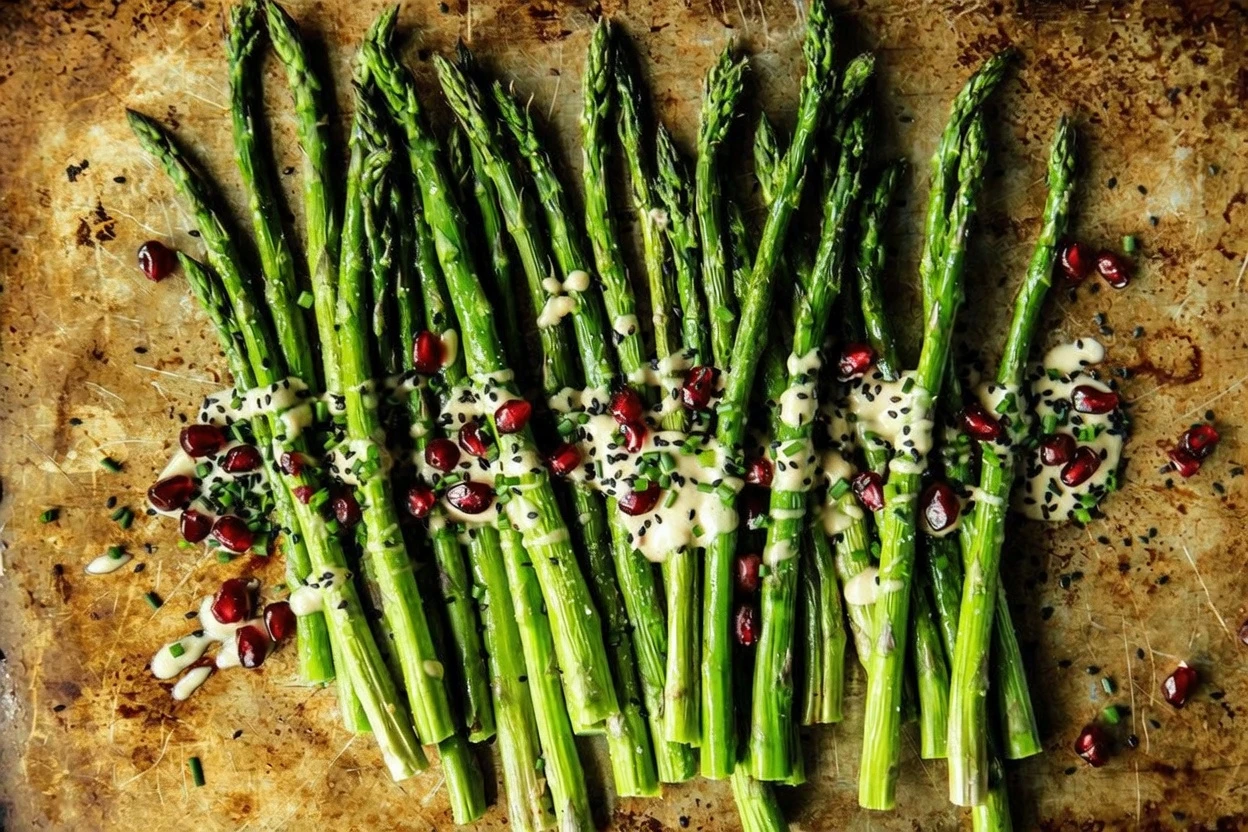
#1: Extra Credit Foods — Asparagus and Pomegranate
To round out a varied approach, two additional options often highlighted for supportive nutrients include:
- Asparagus: traditionally valued for its diuretic properties and micronutrient content
- Pomegranate: rich in polyphenols that support antioxidant defenses
Used alongside the core foods above, they add diversity—an underrated advantage for long-term consistency.
A Gentle 30-Day Integration Plan
Week 1: Start small (choose 2–3)
- Example: turmeric tea, eggs at breakfast, broccoli at dinner
- Aim for daily consistency rather than perfection
Weeks 2–3: Expand variety
- Add berries at breakfast
- Use green tea in the afternoon
- Include a fermented side with dinner a few times per week
Week 4: Personalize and stabilize
- Keep what feels best for your energy and digestion
- Focus on enjoyment, repeatable meals, and sustainable portions
Track subtle indicators like post-meal heaviness, daily energy, and digestive comfort.
Why Sustainable Food Choices Outperform Extreme “Cleanses”
- Restrictive cleanses can increase the risk of nutrient imbalance
- Better approach: balanced, enjoyable whole-food meals
- Relying only on supplements may lead to variable absorption and inconsistent results
- Better approach: whole-food synergy with targeted additions when appropriate
Whole foods create a broader nutritional foundation without extremes.
Nourish for Long-Term Vitality
With steady, manageable changes, many people notice improvements in energy stability, digestion comfort, and overall confidence. The liver’s ability to regenerate and adapt is impressive—especially when supported with consistent, nutrient-rich inputs.
Begin with one or two foods you genuinely enjoy, build them into repeatable meals, and observe how your body responds over a few weeks.
This article is for informational purposes only and does not replace professional medical advice.