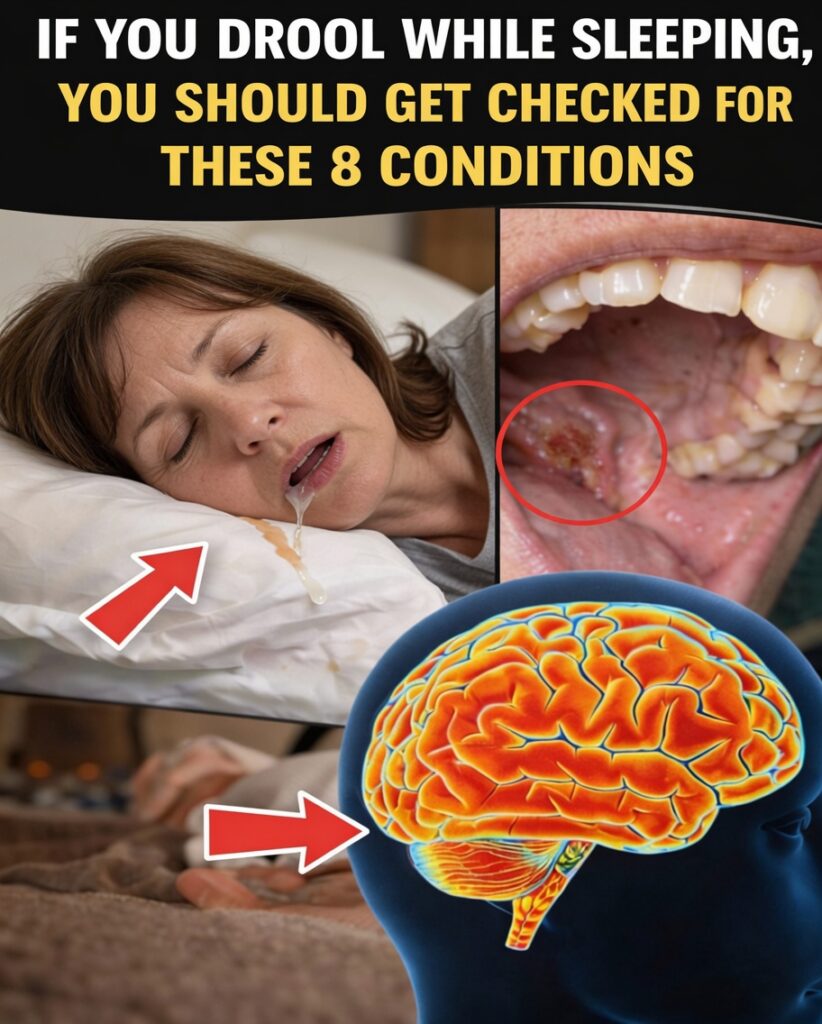
Waking up to a wet pillow because of drooling can feel awkward and uncomfortable—especially when it disrupts your sleep or leaves the skin around your mouth irritated. Many adults deal with this more often than they admit and treat it like a minor nuisance, but frequent nighttime drooling can sometimes reflect everyday habits, breathing patterns, or health-related triggers worth noticing. Guidance commonly referenced by organizations such as the Cleveland Clinic and the Sleep Foundation explains that relaxed muscles and reduced swallowing during sleep make it easier for saliva to leak out, particularly when you breathe through your mouth.
The encouraging part is that once you understand what’s driving it, the fix is often surprisingly manageable—and a very common “missing piece” (nasal breathing) helps many people see real improvement.
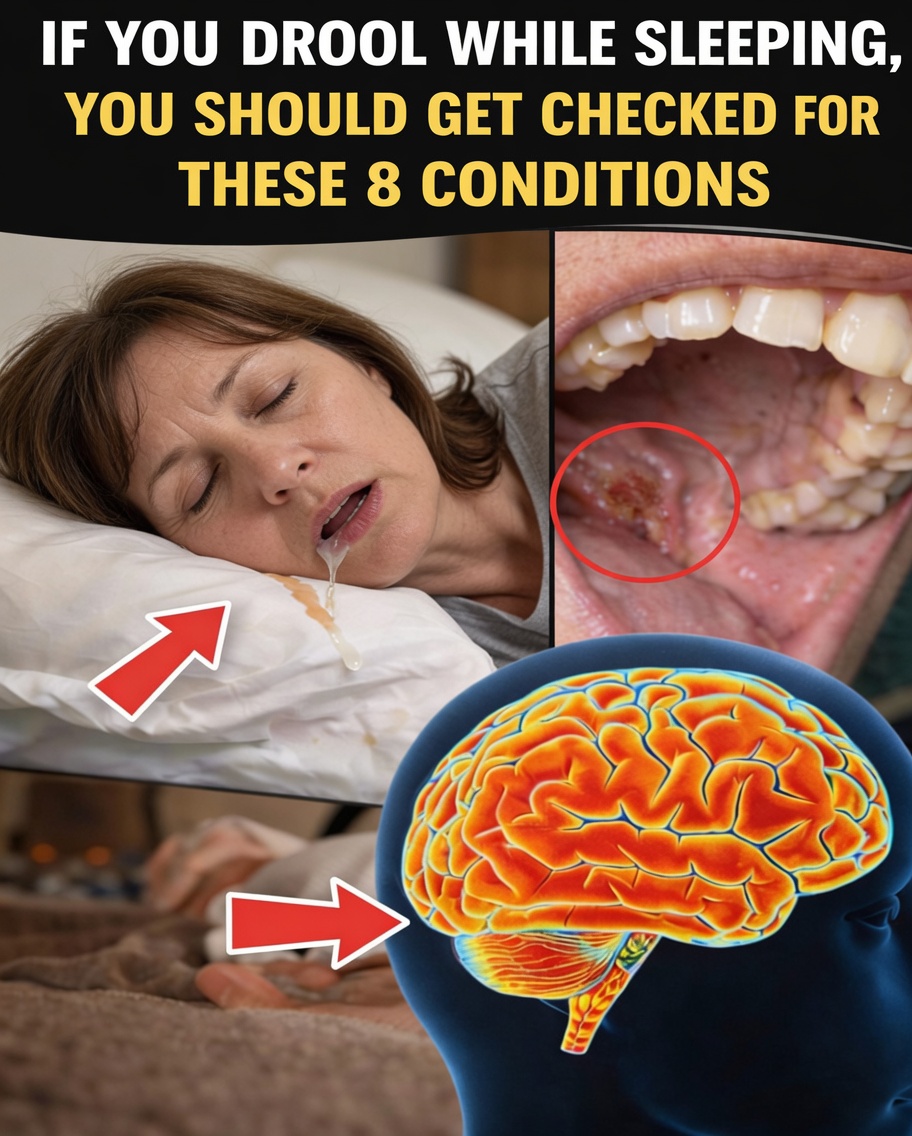
Why Drooling Is More Common During Sleep
Your body keeps producing saliva overnight to protect oral tissues and support digestion. However, as you move into deeper sleep, your swallowing reflex slows and the muscles of your jaw and face relax. That combination makes it easier for saliva to collect.
Position also matters. Gravity can work against you if you sleep on your side or stomach, allowing saliva to escape rather than remain in your mouth to be swallowed. Mouth breathing—often caused by nasal blockage or airway issues—further increases the chance of pooling and overflow. Occasional drooling is normal, but repeatedly waking to a damp pillow is a sign to look at patterns.
8 Common Causes of Nighttime Drooling in Adults
Health resources frequently discuss the factors below as contributors to nocturnal drooling (also called nocturnal sialorrhea). Some are temporary and lifestyle-based, while others may require medical evaluation.
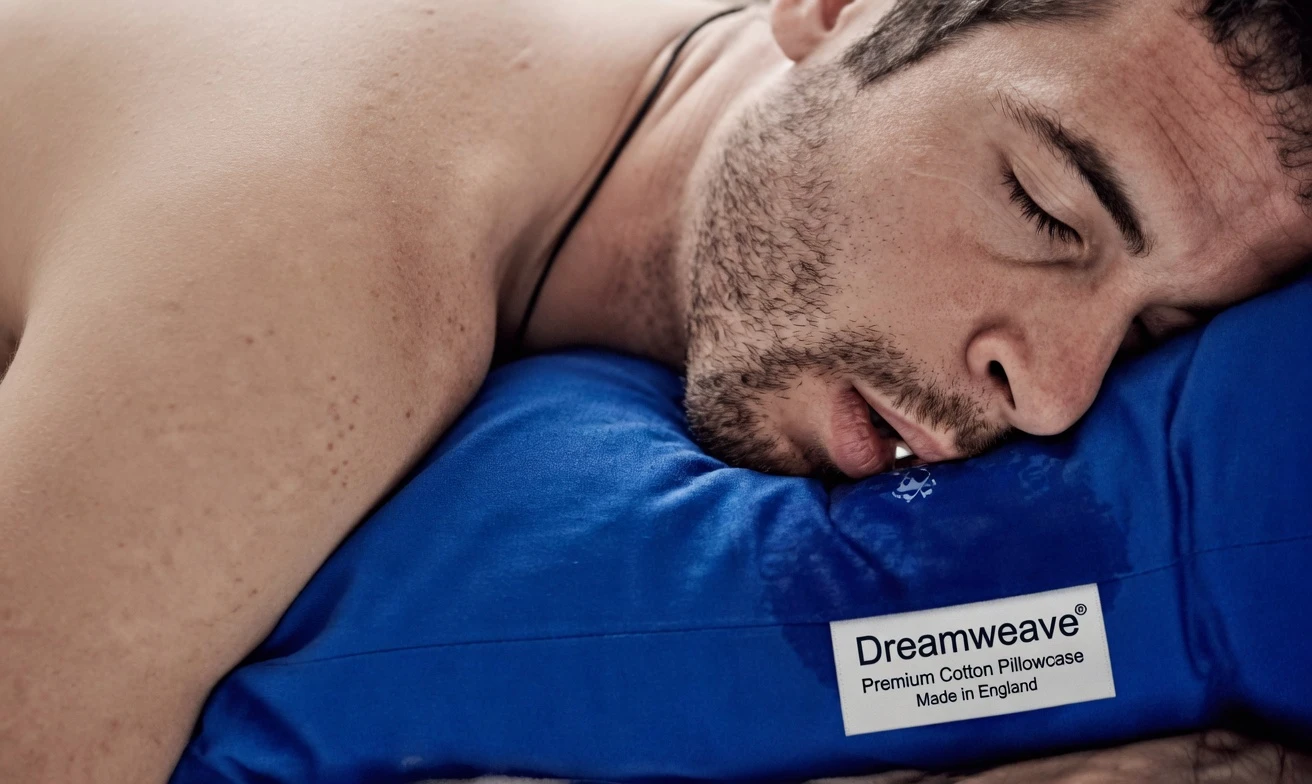
8) Nasal Congestion or Allergies
A blocked nose from allergies, colds, or sinus inflammation can push you into mouth breathing at night. When your mouth stays open, saliva is far more likely to escape. Many people notice drooling spikes during allergy season or while sick. If congestion becomes chronic, the problem can persist.
7) Acid Reflux (GERD)
Gastroesophageal reflux can trigger extra saliva production as the body attempts to neutralize stomach acid. Symptoms may worsen when lying down, which can increase saliva volume during sleep. If you often experience nighttime heartburn or sour taste, reflux may be part of the picture.
6) Medication Side Effects
Some medications can increase saliva production or affect muscle control around the mouth and throat. Certain psychiatric medications are commonly mentioned, but other drug types may also contribute. Because this cause can be reversible, it’s worth discussing with a clinician if drooling started after a medication change.
5) Sleep Apnea
Sleep apnea involves repeated pauses in breathing that can relax throat tissues and promote mouth breathing—often alongside saliva buildup. It’s frequently associated with loud snoring and daytime sleepiness. Research and clinical experience commonly link sleep apnea with nighttime drooling in adults.
4) Throat Infections or Ongoing Irritation
Conditions such as swollen tonsils, post-nasal drip, or mild infections can make swallowing uncomfortable. When swallowing becomes harder, saliva and mucus may pool overnight. This cause is often short-term and tied to a recent illness, allergies, or throat irritation.
3) Stroke or Sudden Muscle Weakness
A stroke or other event that changes muscle control can affect mouth closure and swallowing, increasing drooling risk. Any new, sudden, or rapidly worsening drooling—especially with weakness or speech changes—should be evaluated promptly.
2) Parkinson’s Disease
In Parkinson’s disease, drooling often occurs because swallowing becomes less coordinated, not necessarily because the body makes too much saliva. Studies show it affects a substantial number of people with Parkinson’s and may appear alongside symptoms such as stiffness, slowed movement, or tremors.
1) Other Neurological Conditions
Progressive neurological disorders (such as multiple sclerosis or ALS) can interfere with the nerve and muscle coordination needed to manage saliva effectively. During sleep, when muscles are more relaxed, these issues may become more noticeable.
Quick Guide: Matching Patterns to Possible Triggers
- Nasal congestion & sleep apnea: mouth breathing and airflow restriction
- Common clues: snoring, dry mouth, daytime fatigue
- GERD & throat irritation/infection: increased saliva or painful swallowing
- Common clues: heartburn, sour taste, sore throat
- Medications & post-stroke changes: altered saliva flow or reduced muscle control
- Common clues: new symptoms after medication changes, weakness, speech changes
- Parkinson’s & other neurological conditions: swallowing coordination challenges
- Common clues: tremor, stiffness, progressive changes over time
Real-World Clues: How People Connect the Dots
Many adults dismiss drooling until they notice patterns. For example, someone in their 50s might wake to a soaked pillow along with loud snoring and low daytime energy—then discover, after evaluation, that sleep apnea is involved. Another person may realize their wet pillow episodes track closely with reflux symptoms; addressing GERD can make sleep far more comfortable.
A frequently overlooked takeaway from everyday cases: improving nasal breathing often delivers the biggest payoff.
Practical At-Home Strategies to Reduce Nighttime Drooling
If drooling is occasional, it’s usually harmless. If it happens often, these simple changes can help many adults:
- Sleep on your back to reduce gravity-driven saliva leakage and encourage a more closed-mouth position.
- Support nasal breathing with options like saline rinses, nasal strips, or a humidifier if dryness and congestion are factors.
- Slightly elevate your head (for example, with an extra pillow) if reflux may be contributing.
- Stay hydrated during the day, but avoid heavy meals close to bedtime—especially if you notice reflux.
- Keep up with oral hygiene to reduce irritation and support overall mouth comfort.
Tracking your sleep position, congestion, and reflux symptoms for 1–2 weeks can make triggers much easier to spot.
When to Talk to a Healthcare Professional
Consider medical guidance if you notice any of the following:
- Drooling combined with loud snoring, choking/gasping at night, or persistent daytime sleepiness
- Sudden changes, especially with weakness, facial droop, or speech difficulties
- Drooling that continues despite home strategies, particularly with additional symptoms (heartburn, neurological changes, chronic congestion)
A clinician can help identify underlying causes and recommend targeted solutions. Consistent sleep schedules may also support steadier nighttime muscle control and better overall sleep quality.
Frequently Asked Questions
Is drooling during sleep normal for adults?
Yes. Occasional drooling is common and often relates to sleep position or deeper relaxation. Most adults experience it at times without any health concern.
Can drooling be a sign of sleep apnea?
It can be one possible sign—especially when it occurs with snoring, disrupted sleep, or daytime fatigue. A professional evaluation can clarify whether breathing interruptions are involved.
What’s the simplest change that helps many people drool less?
Switching to back sleeping helps many adults because it reduces saliva escape and supports a more naturally closed-mouth posture.
Key Takeaway
Frequent drooling at night is usually tied to sleep position, mouth breathing, congestion, reflux, medications, or (less commonly) neurological factors. By spotting your patterns early, you can often reduce wet pillows and sleep more comfortably. And that commonly missed insight many people benefit from: improving nasal breathing is often the best starting point.
This article is for informational purposes only and is not a substitute for professional medical advice. Always consult a qualified healthcare provider for personalized guidance regarding symptoms or concerns.