Many adults over 50 begin to notice small but meaningful shifts in how their legs feel—morning heaviness, mild tingling after sitting, or feet that seem colder than they used to. These sensations can be connected to age-related changes such as reduced arterial flexibility, gradual plaque accumulation, and slower blood flow. Major health organizations, including the American Heart Association, note that circulation and vascular function are closely tied to overall cardiovascular health.
The encouraging part is that everyday food choices can help support healthy circulation. In particular, several common kitchen oils contain beneficial fats and protective plant compounds that research associates with improved vascular function and lower inflammation.
This guide highlights six widely used cooking oils with research-backed potential to support heart and vessel health—without claiming quick fixes or “miracle” reversals. At the end, you’ll also find a simple daily routine to try, plus an easy blend that may enhance the benefits.

Why Circulation Changes Can Affect Your Daily Life
With age, arteries can gradually stiffen and narrow, making it harder for blood to travel efficiently—especially to the legs and feet. That can show up as:
- Tired or heavy legs
- Mild cramps during walking or activity
- Swelling later in the day
- Cooler extremities
Studies suggest that circulation challenges often appear in the lower body early, sometimes acting as a signal that broader cardiovascular support may be needed.
Many people jump to restrictive diets or supplement stacks, but research consistently favors sustainable, whole-food strategies. Using heart-friendly oils is a simple, enjoyable way to support vascular wellness while improving the flavor and satisfaction of meals.
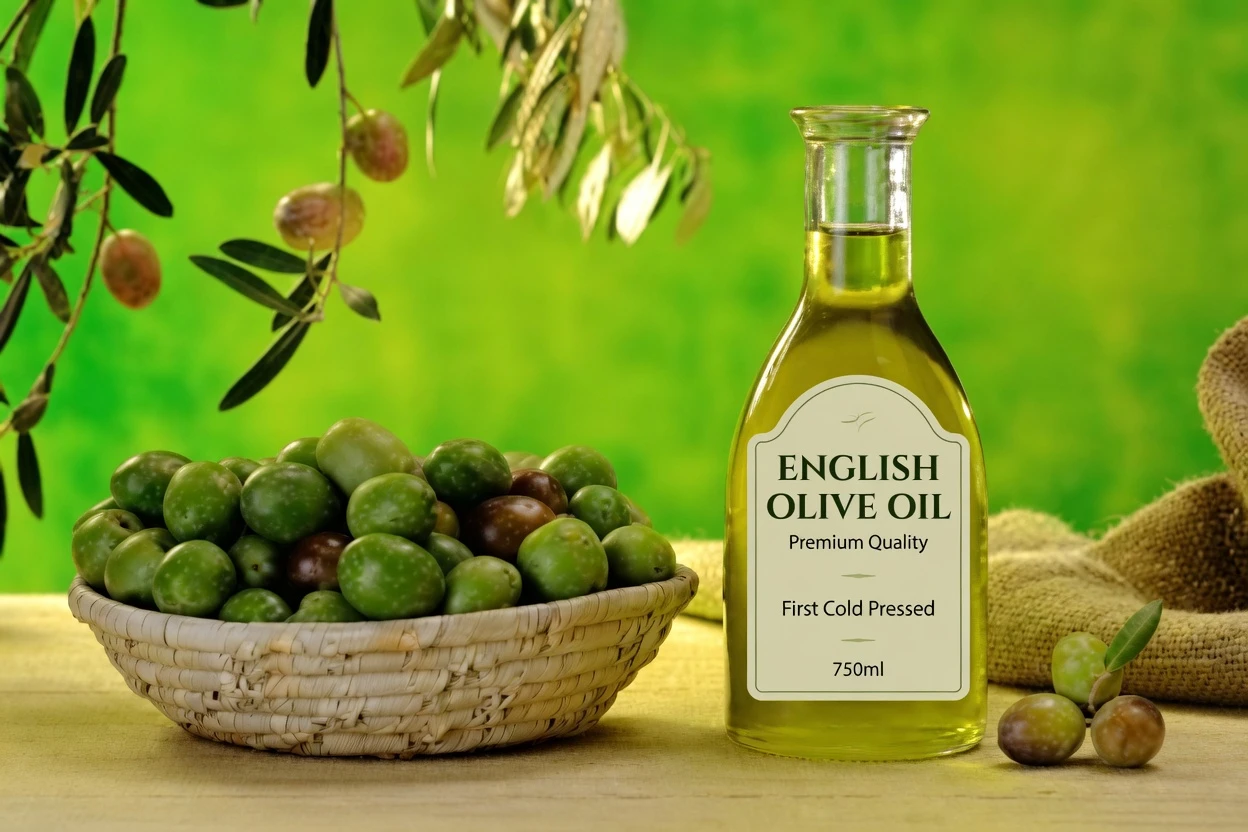
Oil #6: Extra Virgin Olive Oil (EVOO) — A Heart-Healthy Classic
Extra virgin olive oil stands out in the landmark PREDIMED study. Participants who added roughly 2 tablespoons per day to a Mediterranean-style eating pattern experienced fewer cardiovascular events compared with those following low-fat approaches.
EVOO is rich in:
- Monounsaturated fats (notably oleic acid)
- Polyphenols that help modulate inflammation and support healthy blood vessels
Best way to use it: For maximum polyphenol content, use EVOO raw—drizzle it over salads, vegetables, or whole-grain bread. High heat can reduce some of its delicate compounds.
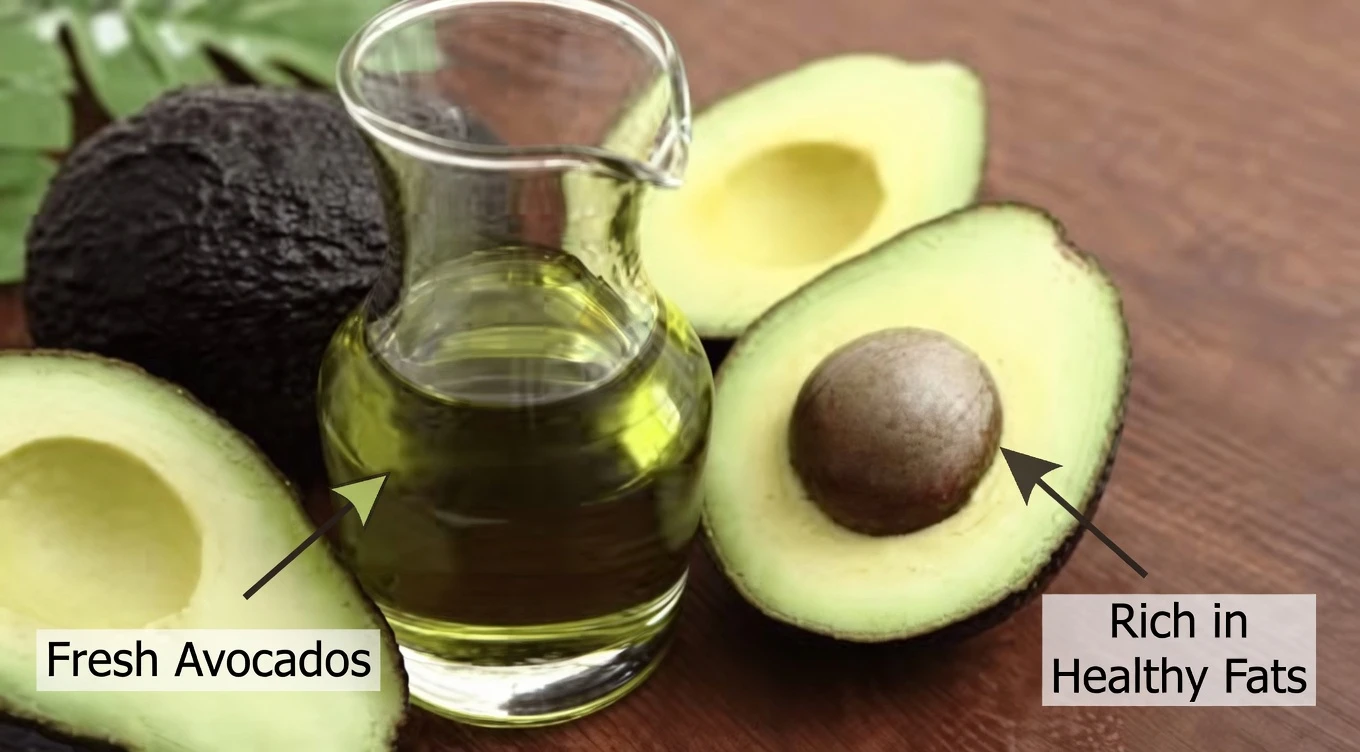
Oil #5: Avocado Oil — Supporting Flexible, Relaxed Arteries
Avocado oil provides a strong mix of monounsaturated fats and vitamin E, a key antioxidant. Research suggests it may support cardiovascular health by helping reduce oxidative stress (including damage related to oxidized LDL) and promoting nitric oxide activity, which helps arteries relax and improve blood flow.
Why it’s practical: Avocado oil has a high smoke point, making it well-suited for sautéing, roasting, or pan-cooking, while still being mild enough for dressings.
Oil #4: Pumpkin Seed Oil — Nutrients for Vessel Elasticity
Pumpkin seed oil contains beneficial fats and important minerals such as magnesium, which plays a role in blood pressure regulation and vascular tone. Small studies in postmenopausal women have reported improvements in arterial measures and reduced stiffness, suggesting potential support for vessel flexibility.
How to use it: Its flavor is rich and nutty—great in salad dressings or drizzled over soups. Start with small amounts because it can be intense.
Oil #3: Sesame Oil — Traditional Use, Modern Research
Sesame oil is widely used in Asian cuisines and has been studied for effects on blood pressure. In clinical trials, replacing other cooking oils with sesame oil has been linked to reductions in both systolic and diastolic blood pressure in people with hypertension. Researchers believe antioxidants such as sesamin may contribute to these effects.
Best use: Add to stir-fries, marinades, or use as a finishing oil. A small amount can add deep aroma without overwhelming a dish.
Quick Comparison: The First Four Oils
- Extra Virgin Olive Oil — Best used raw; supported by large-scale research.
- Avocado Oil — Excellent for higher-heat cooking; offers antioxidant protection.
- Pumpkin Seed Oil — Magnesium-rich; may support arterial flexibility.
- Sesame Oil — Traditional staple; linked with blood pressure support in trials.
Oil #2: Sweet Almond Oil — Mild Help for Cholesterol and Endothelial Function
Sweet almond oil contains vitamin E and oleic acid, similar to other monounsaturated-rich oils. While specific almond oil research is more limited, broader evidence from meta-analyses on nut intake (including almond-based products) associates almonds with:
- Modest reductions in LDL cholesterol
- Improved endothelial (blood vessel lining) function
Easy ways to use it: Stir a small amount into oatmeal, or use it for light sautéing. The flavor is gentle and blends easily into everyday meals.
Oil #1: Cold-Pressed Flaxseed Oil — A Plant Omega-3 Option
Flaxseed oil is one of the best plant sources of ALA (alpha-linolenic acid), an omega-3 fat. Research links ALA intake with improvements in lipid profiles, reduced platelet “stickiness,” and supportive effects on blood pressure.
Important note: Flaxseed oil should be used cold only. Heating can degrade its fragile fats.
Use it in: Smoothies, yogurt, or salad dressings.
A Simple Upgrade: The “Enhanced Blend” for Better Impact
Nutrient absorption research suggests that pairing complementary ingredients can improve stability and bioavailability. A practical combination many people use is:
- 1 tsp flaxseed oil
- 1 tsp extra virgin olive oil
- A squeeze of lemon (vitamin C may help limit oxidation)
- A pinch of black pepper (piperine can enhance bioavailability)
Taken consistently, this blend may support anti-inflammatory effects more effectively than using a single oil alone. Many people take it as a quick daily “shot.”
A Beginner-Friendly 30-Day Starter Protocol
You don’t need to change everything overnight. Build gradually:
- Week 1
- Morning: Add 1 tbsp EVOO to breakfast
- Evening: Use avocado oil on cooked vegetables
- Week 2
- Add pumpkin seed oil as a midday dressing
- Week 3
- Use sesame oil in one meal per day
- Week 4
- Add a cold-pressed flaxseed oil shot, optionally using the enhanced blend
Track how your legs feel across the month—many people report steadier energy and improved comfort with consistent habits.
Why These Kitchen Oils Are Often More Sustainable Than Other Options
- Fish oil supplements can provide omega-3 benefits, but some people dislike the aftertaste and prefer food-based strategies.
- Prescription medications can be essential for specific conditions, but must be used exactly as directed by a clinician.
- These six oils fit naturally into daily meals, delivering flavor plus research-supported fats and antioxidants—often at a manageable monthly cost.
Small Daily Choices, Meaningful Long-Term Support
For many people, circulation support isn’t about extreme changes—it’s about steady, repeatable habits. A simple starting step is adding one tablespoon of extra virgin olive oil to your day and observing how you feel after a few weeks.
FAQ
Which oil is best to start with?
Extra virgin olive oil. It’s versatile, widely studied, and easy to use daily.
Can I cook with all of these oils?
Not equally. Avocado oil and olive oil work better for cooking. Flaxseed oil and pumpkin seed oil should generally be kept cold to preserve nutrients.
How much oil is too much?
A practical target is 1–2 tablespoons total per day from these oils, adjusted to your calorie needs and overall diet.
Disclaimer
This article is for informational purposes only and does not provide medical advice. Talk with a qualified healthcare professional before changing your diet, especially if you have health conditions, are pregnant, or take medications (including blood thinners).