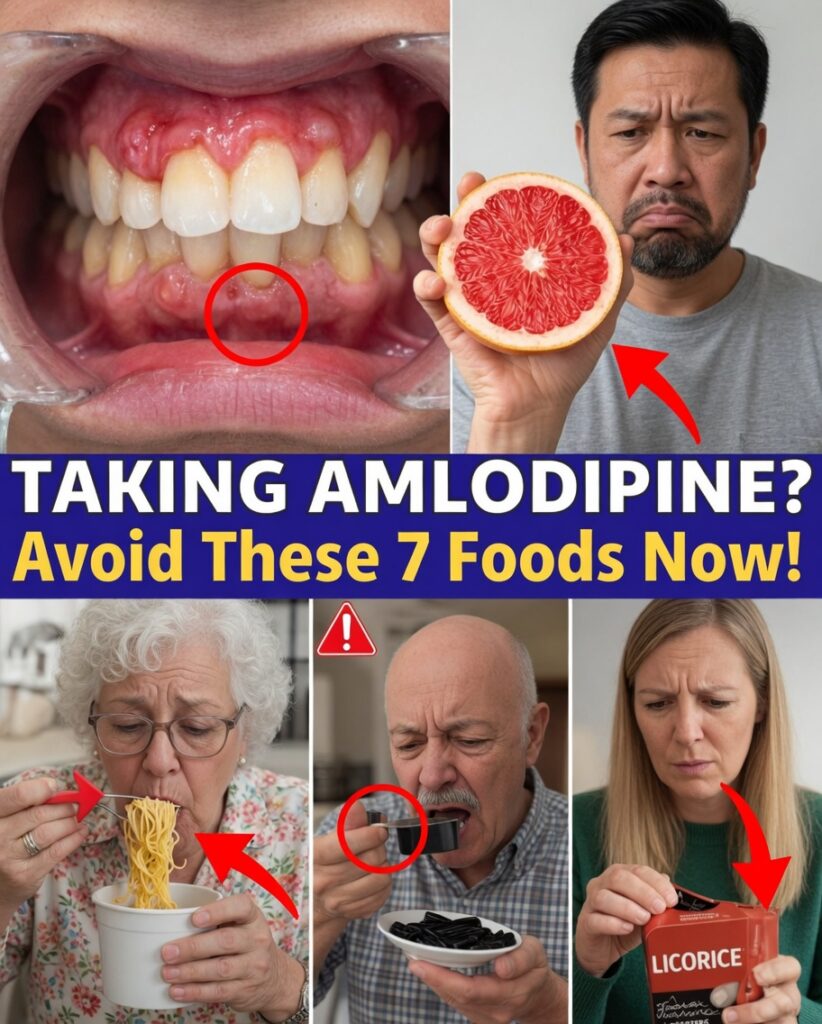
Many people who take amlodipine for high blood pressure still deal with frustrating side effects—such as ankle or leg swelling, facial flushing, dizziness, and headaches—even when they follow medical instructions carefully. These symptoms can interfere with everyday comfort, from shoes feeling too tight by evening to feeling off-balance during normal routines. Research suggests that certain common foods and drinks may make these effects feel stronger, either by changing how the medication is processed or by encouraging fluid retention.
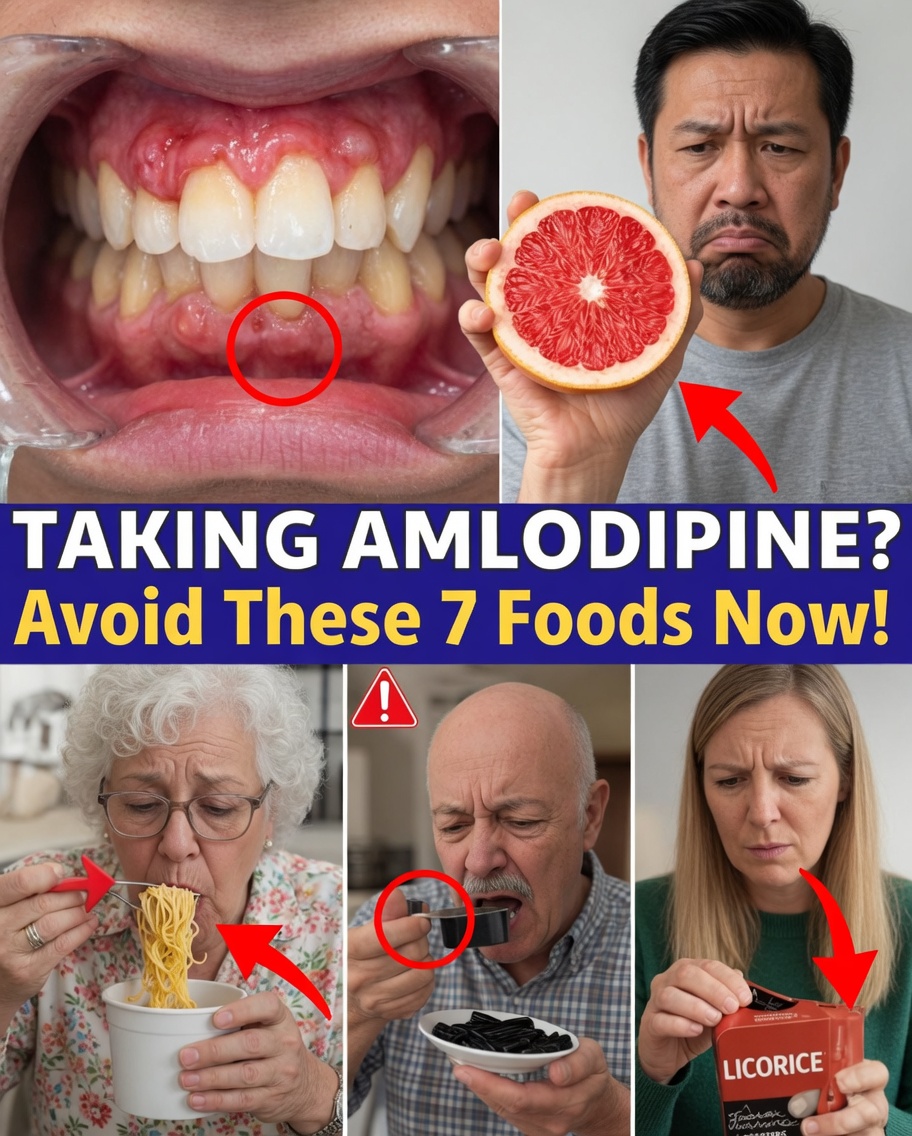
The encouraging part: you don’t necessarily need major lifestyle changes. A few strategic, food-based adjustments can help you reduce discomfort while staying on your prescribed treatment. Below are seven everyday foods that studies and clinical knowledge associate with worsened amlodipine side effects, along with practical alternatives that many patients find easier to live with.
Why Amlodipine Side Effects Can Feel Stronger
Amlodipine is a calcium channel blocker that relaxes blood vessels to lower blood pressure. One of the most recognized side effects is peripheral edema (swelling, usually in the ankles and lower legs). Other frequently reported issues include flushing, lightheadedness, and headaches.
Even if you’re consistent with medication timing, stay active, and aim for a heart-healthy diet, symptoms can still linger. Diet matters because certain foods can:
- Increase the medication level in your bloodstream
- Promote water retention, worsening swelling
- Add to blood vessel changes that intensify flushing or dizziness
Understanding which foods contribute to these patterns makes it easier to choose targeted swaps.
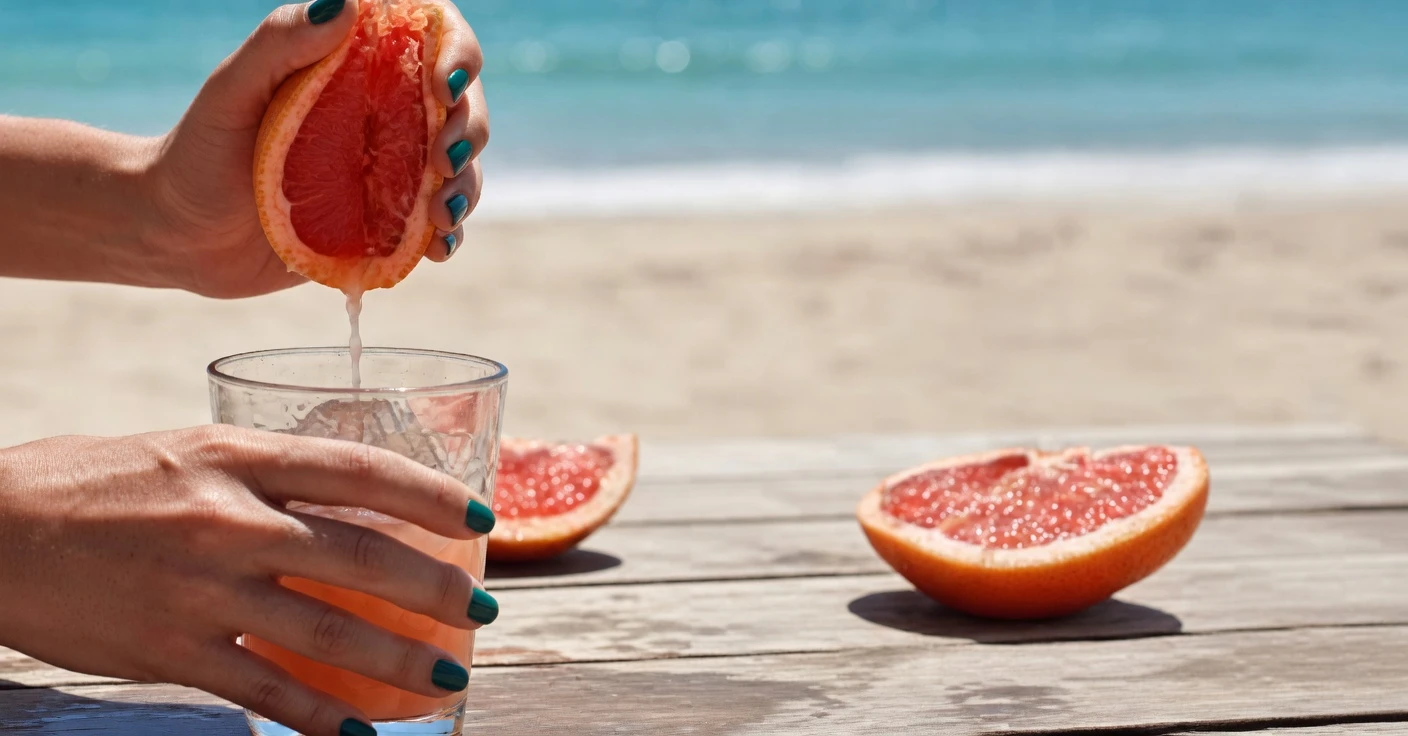
Food #1: Grapefruit and Grapefruit Juice
Grapefruit may be rich in nutrients, but it’s also known for interacting with many medications, including amlodipine.
Grapefruit contains furanocoumarins, which can inhibit the CYP3A4 enzyme in the gut. This enzyme helps break down part of the medication before it enters circulation. When CYP3A4 is blocked, amlodipine levels can rise, making side effects—like swelling, flushing, dizziness, or headaches—more noticeable.
While research suggests the interaction is often modest compared with some other drugs, many people still report feeling better after avoiding grapefruit.
- Smart swap: Choose citrus options that don’t share this interaction, such as oranges, tangerines, lemons, or limes. Lemon water can give a similar “bright” flavor without the concern.
- Quick self-check: If grapefruit (or its juice) is part of your daily routine, this is often one of the easiest changes to try first.
Food #2: High-Sodium Foods (Salt-Heavy Meals and Snacks)
Sodium is one of the biggest diet-related contributors to swelling. It commonly hides in:
- Chips and crackers
- Canned soups
- Processed meats (deli meats, bacon, sausages)
- Bottled sauces and condiments
- Bread and packaged baked goods
- Some cereals and “quick” meals
When sodium intake is high, the body holds onto water to maintain balance. That extra fluid volume can make amlodipine-related ankle and leg swelling worse—especially later in the day.
Many guidelines suggest keeping sodium around 1,500–2,300 mg/day for people managing hypertension, yet typical intake often exceeds that.
- Smart swaps:
- Buy “low-sodium” or “no salt added” products.
- Use herbs, garlic, spices, lemon juice, and vinegar for flavor instead of salt.
- Choose fresh or frozen vegetables more often than canned versions.
Food #3: Alcohol
Alcohol can feel relaxing, but it may intensify the same vessel-relaxing effects that amlodipine already produces. Because alcohol is also a vasodilator, combining it with amlodipine may lead to:
- More dizziness or lightheadedness
- Increased flushing
- A stronger-than-expected blood pressure drop
- In some cases, faintness—especially if dehydrated or drinking on an empty stomach
Some darker alcoholic drinks can also contain compounds that trigger headaches or flushing in sensitive individuals.
- Smart swaps:
- Keep alcohol occasional and take it with food.
- Choose non-alcoholic social alternatives like sparkling water with citrus or herbal tea.
- If you do drink, pay attention to whether symptoms increase afterward.

Food #4: Licorice (Candy, Teas, Supplements, and Remedies)
Licorice is more than a candy flavor. Real licorice contains glycyrrhizin, which can cause the body to:
- Retain sodium and water
- Lose potassium
This combination can work against blood pressure control and may worsen swelling or contribute to other electrolyte-related issues. The tricky part is that licorice can appear in candies, herbal teas, and even some cough or “natural” remedies—sometimes in small amounts that build up over time.
- Smart swap: Choose soothing alternatives such as ginger, peppermint, or chamomile tea.
- Tip: If a product contains “licorice root,” treat it as potentially active—not just a flavoring.
Food #5: High-Fat, Heavy Meals
Large, greasy meals—such as fast food, fried dishes, creamy sauces, heavy cheese portions, and high-fat red meat meals—can slow digestion. Slower digestion may lead to less predictable absorption timing, which can make side effects feel stronger or occur at unexpected times (for example, flushing or dizziness later in the day).
- Smart swaps:
- Build meals around lean protein, vegetables, and fiber-rich carbohydrates.
- Choose healthier fats like olive oil, avocado, nuts, and fatty fish.
- If you plan a heavier meal, consider separating it from your medication time when possible (and when consistent with your prescriber’s instructions).
Food #6: Caffeine and Stimulant Drinks (Coffee, Energy Drinks, Strong Tea)
Caffeine can temporarily raise blood pressure and heart rate, which may clash with amlodipine’s calming cardiovascular effect—especially in people who are sensitive to stimulants. Some people notice more:
- Headaches
- Flushing
- Restlessness
- Lightheadedness
Energy drinks can be especially problematic because they often combine high caffeine with other stimulants and sugar.
- Smart swaps:
- Keep caffeine to one small serving earlier in the day.
- Try decaf coffee, mild tea, or caffeine-free herbal drinks.
- Hydrate with plain water throughout the day to reduce dizziness triggers.
Food #7: Processed and Packaged Foods
Highly processed foods often create a “perfect storm” for swelling and discomfort because they tend to combine:
- High sodium
- Added sugars
- Preservatives and additives
Examples include frozen meals, instant noodles, snack foods, deli meats, and many packaged breakfast items. Over time, these dietary patterns can support fluid retention and put extra strain on overall cardiovascular and kidney health—factors that may make amlodipine swelling feel worse.
- Smart swaps:
- Center meals on whole foods you prepare at home.
- Read labels and compare brands—sodium content can vary dramatically.
- Try simple meals like a fresh stir-fry, grain bowls, or soups made with low-sodium ingredients.
Quick Comparison: What to Avoid vs What to Choose Instead
- Grapefruit / grapefruit juice → Orange, tangerine, or lemon water
- Salt-heavy canned soup → Homemade soup or low-sodium versions
- Alcohol (especially dark drinks) → Sparkling water with citrus, herbal tea
- Black licorice / licorice tea → Peppermint, ginger, chamomile tea
- Fried fast food / heavy meals → Grilled protein + vegetables, healthier fats
- Energy drinks / excess coffee → Decaf, herbal tea, water
- Processed frozen meals → Fresh, minimally processed home-cooked meals
Take Action: Small Changes, Real Comfort Gains
Pick one or two changes to start this week—such as removing grapefruit or reducing hidden sodium. Then track how you feel for 7–14 days, noting swelling severity, headache frequency, dizziness episodes, and overall daily comfort.
Many people find that these targeted choices help amlodipine feel more tolerable, without requiring major lifestyle overhauls.
FAQ
Can I ever have grapefruit while taking amlodipine?
Regular or large amounts are best avoided because grapefruit may increase medication levels and intensify side effects. Some people may tolerate small amounts occasionally, but it’s safest to confirm with your doctor or pharmacist.
How much alcohol is safe with amlodipine?
Moderation matters, and tolerance varies. Alcohol can increase flushing and dizziness, especially if you drink on an empty stomach or become dehydrated. If you consistently feel worse after drinking, consider reducing or avoiding it and discuss it with your clinician.