Natural Eye Support After 50: 3 Everyday Seeds That Can Help
As the years pass, it’s common to notice small but real shifts in vision—needing brighter light to read, feeling stronger glare from headlights, or getting eye fatigue sooner than you used to. These changes can be annoying and sometimes worrying, but they’re also a reminder that eyes, like the rest of the body, respond to time, light exposure, and daily wear.
The encouraging part is that simple daily habits—especially food choices—may offer gentle, long-term support for eye comfort. One of the easiest options is also one of the most affordable: adding nutrient-dense seeds to your meals.
What many people overlook is that three basic seeds (often already in your pantry) contain key nutrients widely associated with healthy aging eyes. Used consistently, they may help your eyes feel better day to day.
Why Eye Health Deserves More Attention After Age 50
Over decades, the eyes face constant light exposure, natural oxidative stress, and cumulative tissue wear. Major research efforts, including the Age-Related Eye Disease Study (AREDS) from the U.S. National Eye Institute, highlight that certain nutrients can play a supportive role in retinal health and overall vision comfort as we age.
Nutrients often discussed in relation to eye wellness include:
- Omega-3 fatty acids
- Zinc
- Lutein
- Zeaxanthin
- Antioxidants (various types)
These compounds are linked to protecting delicate eye structures, supporting moisture balance, and helping maintain normal long-term eye function. And importantly, you don’t necessarily need pricey supplements to get them—whole foods, including seeds, can deliver many of these nutrients naturally.
The 3 Best Seeds for Supporting Aging Eyes
Below are three standout options, chosen for their nutrient profiles and how well they fit into everyday eating.
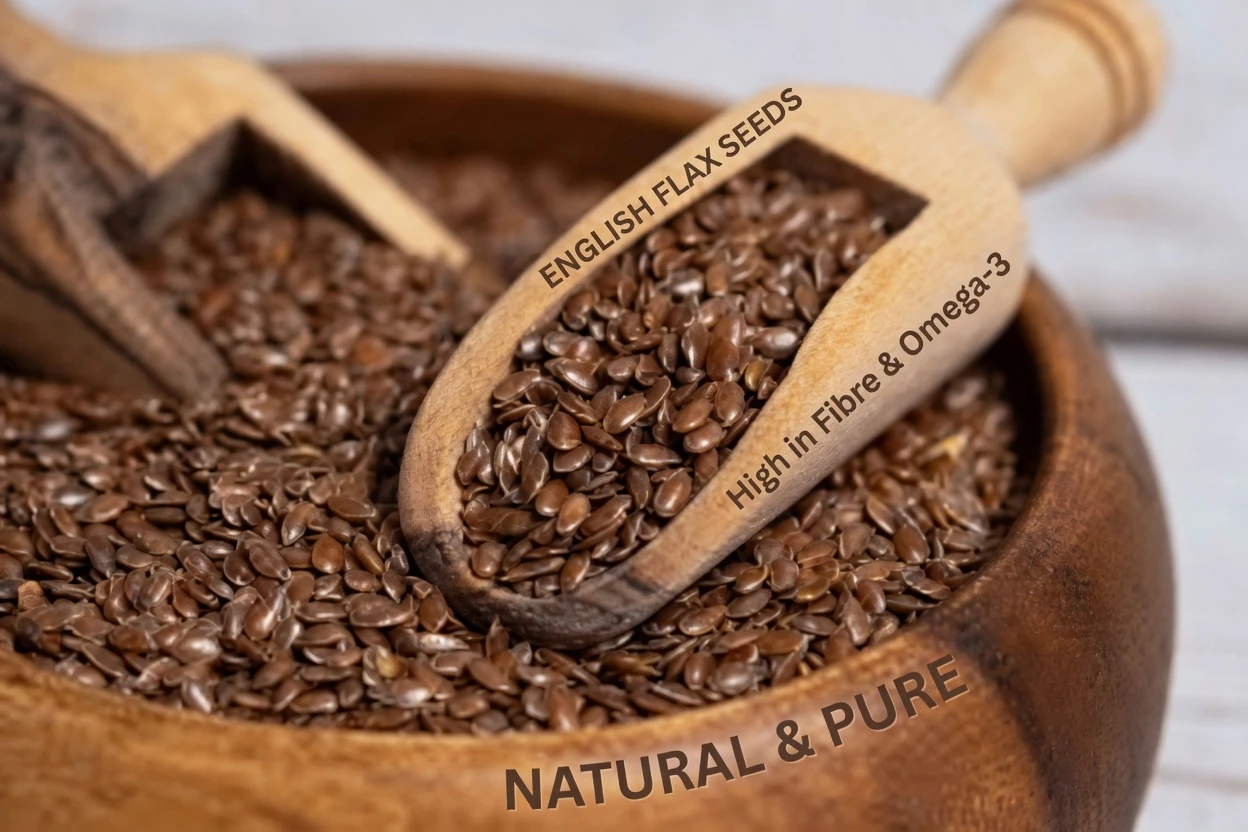
1) Flaxseeds: A Leading Plant-Based Source of Omega-3s
Flaxseeds (also called linseeds) are among the richest plant sources of alpha-linolenic acid (ALA)—a type of omega-3 fatty acid.
Omega-3s are often associated with helping manage inflammation and supporting the structure of retinal cells, both relevant as the eyes age.
What makes flaxseeds valuable:
- Roughly 3 grams of plant-based omega-3s per tablespoon (when ground)
- Lignans, which function as antioxidants
- Fiber, supporting digestive health (a helpful bonus for many older adults)
Tip for better absorption: use ground flaxseed. Whole flaxseeds commonly pass through digestion without fully breaking down. Grinding fresh (or buying pre-ground and storing properly) makes the nutrients easier to access.
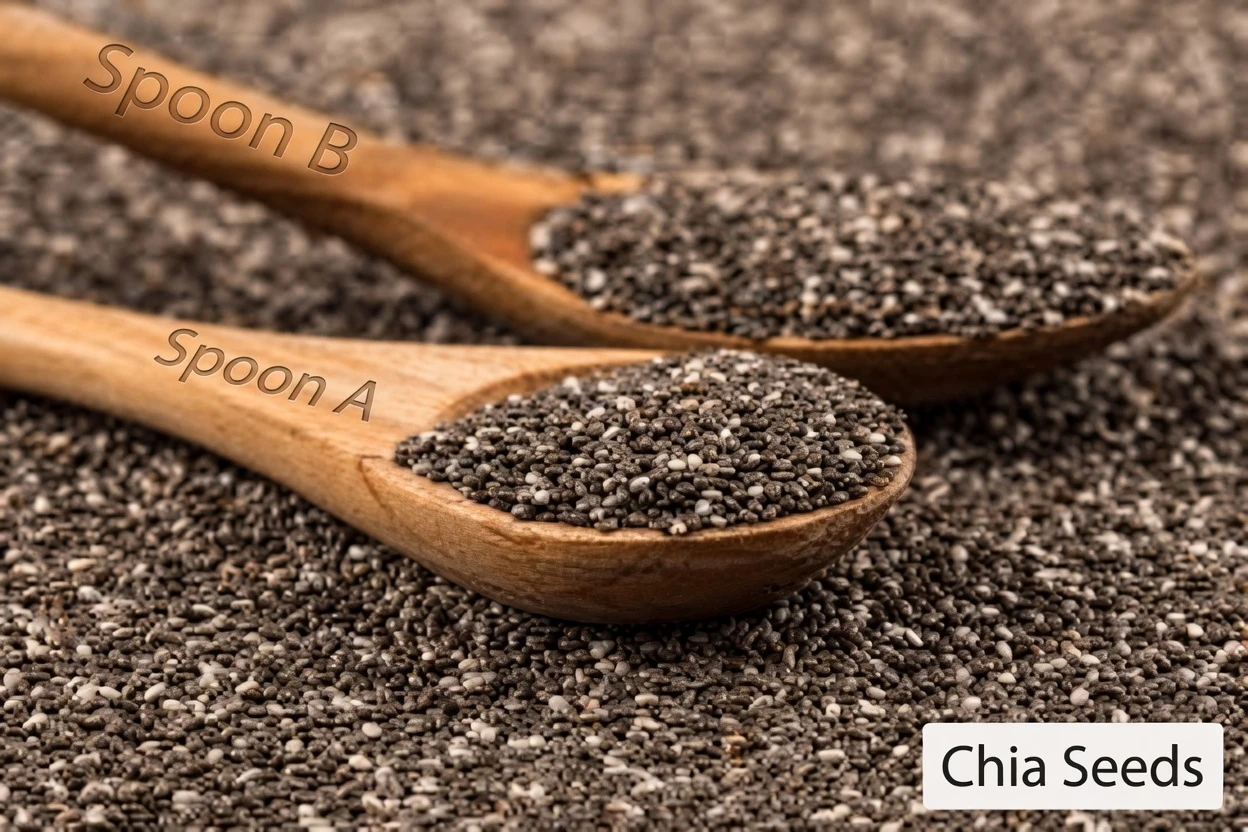
2) Chia Seeds: Small Seeds with Hydration-Friendly Benefits
Chia seeds provide a strong omega-3 profile similar to flax, along with antioxidants that may support overall eye comfort.
A unique advantage: when mixed with liquid, chia forms a gel-like texture that supports hydration—useful because dry eye symptoms tend to become more common with age.
Chia seed highlights:
- Omega-3 content comparable to flax
- Extra fiber and protein, which can help with satiety and steady energy
- Antioxidant compounds such as quercetin
Many eye-health discussions emphasize that consistent omega-3 intake (including from plant sources like chia) may help support tear film quality and overall retinal wellness.
Easy ways to use chia daily:
- Overnight chia pudding: mix 2–3 tablespoons into almond milk (or another milk), refrigerate, then top with berries.
- Stir into yogurt or oatmeal for a mild crunch and added nutrition.
- Blend into smoothies—chia is flavor-neutral and easy to hide.
3) Pumpkin Seeds: A Convenient Zinc-Rich Choice
Pumpkin seeds (pepitas) are best known here for zinc, a mineral involved in transporting vitamin A to the retina and supporting normal retinal function.
Zinc is found in notable amounts in eye tissues, and maintaining adequate intake is associated with better long-term eye wellness.
Pumpkin seed benefits include:
- About 2 mg of zinc per ounce
- Healthy fats plus magnesium for broader wellness support
- Naturally occurring lutein and zeaxanthin in whole seeds (in smaller amounts)
Roasted pumpkin seeds are also easy to carry and snack on—ideal if you want something crunchy, satisfying, and practical.
Why These Seeds Work Better Together
Using all three creates a helpful nutritional “team effect”:
- Flax + chia: provide omega-3s, supporting inflammation balance and eye tissue integrity.
- Pumpkin seeds: contribute zinc, supporting nutrient delivery to the retina.
- All three: add antioxidants that help counter everyday oxidative stress.
Health organizations such as Johns Hopkins Medicine and the American Academy of Ophthalmology commonly emphasize that diets rich in these nutrient groups may contribute to healthier eyes over time.
Simple, Practical Ways to Add These Seeds Starting Today
You don’t need a major diet overhaul. Start small, stay consistent, and build from there.
- Start modestly: aim for 1–2 tablespoons total per day across the seeds to allow comfortable digestion.
- Grind flaxseed: grind in a coffee grinder or blender; store in the refrigerator to preserve freshness.
- Soak chia seeds: mix with liquid and wait 10–15 minutes to form a gel that many people find easier to digest.
- Roast pumpkin seeds: toss with a little olive oil, bake at 350°F (175°C) for 10–15 minutes, then salt lightly if you like.
- Mix and match: add to trail mix, salads, soups, or breakfast bowls for variety.
Helpful tip: pair seeds with healthy fats such as avocado or a drizzle of olive oil to support nutrient absorption.
Everyday Seed Ideas Many Older Adults Actually Stick With
Consistency matters more than perfection. These small routines are easy to repeat:
- Add ground flax + chia to morning oatmeal for a nutrient-dense start.
- Keep a jar of roasted pumpkin seeds ready for a mid-afternoon snack.
- Make a simple dessert by layering yogurt + fruit + mixed seeds.
Over weeks and months, these small habits can add up to meaningful support.
Conclusion: Small Seeds, Big Potential for Eye Comfort
Adding flaxseeds, chia seeds, and pumpkin seeds to your daily routine is a simple, budget-friendly strategy for supporting eye health as you age. Together, they supply omega-3s, zinc, and antioxidants—nutrients strongly connected to vision comfort and retinal support in the aging process.
Choose one seed to start with today, build the habit, and you may notice your eyes feeling more comfortable over time.
FAQ
How much of these seeds should seniors eat per day?
A practical starting point is 1–2 tablespoons total per day across the three types. Increase gradually if digestion feels comfortable.
Are there any drawbacks to eating these seeds?
Most people tolerate them well. However:
- Drink extra water, especially with chia, to reduce the chance of constipation.
- If you have digestive conditions or take medications, consult your healthcare professional first.
Can seeds replace eye supplements or routine eye exams?
No. Seeds can support nutrition as part of a balanced diet, but they are not a replacement for prescribed supplements, medical treatment, or regular eye checkups. Follow your clinician’s advice.
Disclaimer: This article is for informational purposes only and does not provide medical advice. It is not intended to prevent, diagnose, treat, or cure any disease. Consult a qualified healthcare provider before making dietary changes, especially if you have eye conditions or take medications.