
Feeling tired, experiencing occasional bloating, or noticing your complexion looks a bit dull? Many people deal with low-grade fatigue, mild digestive discomfort, and a general “off” feeling—often connected to dehydration, daily stress, and less-than-ideal food choices. Over time, these small issues can stack up and leave you looking for a simple, realistic way to feel lighter and more energized.
The encouraging part: an everyday green vegetable found in most kitchens may offer gentle support through hydration and nutrient intake—especially when you prepare it in a way that protects its naturally occurring compounds.

Celery: The “Ordinary” Vegetable with Not-So-Ordinary Potential
Celery (Apium graveolens) is a crunchy, low-calorie staple used around the world for generations. What makes it especially interesting for daily wellness is its combination of:
- High water content (about 95%) to support hydration
- Naturally occurring micronutrients that contribute to normal body function
- Plant compounds studied for antioxidant and anti-inflammatory activity
Researchers have highlighted celery’s nutritional profile, including:
- Antioxidants such as vitamin C and flavonoids like apigenin and luteolin, which help the body manage everyday oxidative stress
- Electrolyte-related minerals like potassium and magnesium, important for fluid balance
- Bioactive plant compounds that may support a healthy inflammatory response
- Water + fiber (note: juicing significantly reduces fiber)
A key detail many people overlook: some of these beneficial compounds are sensitive to heat and heavy processing, so preparation can influence what you ultimately get from celery.
How Celery Juice Can Support Hydration and Healthy Circulation
Hydration is one of the most basic drivers of how you feel day to day—energy, digestion, and even mental clarity are affected when you’re running low on fluids. Because celery is largely water, it can be a practical way to increase fluid intake.
When you juice celery fresh, you may get:
- Fast, easy hydration (especially helpful in the morning)
- Electrolytes, particularly potassium, which helps maintain normal fluid balance
- Compounds linked to vascular support, including phthalides studied for their potential role in helping blood vessels relax and supporting healthy blood pressure levels
Over time, better hydration can contribute to steadier energy and that “lighter” feeling people often describe. It’s not an overnight transformation—consistency is what tends to matter.
Why This Simple Green Habit May Show Up in Your Skin
Skin often mirrors what’s happening internally. Hydration status, nutrient intake, and low-grade inflammation can all influence how your skin looks and feels.
People who regularly drink celery juice often mention:
- A brighter, more refreshed appearance over time
- Less dullness and improved “glow”
- Smoother-looking texture with consistent use
These changes may be related to improved hydration plus antioxidant support from celery’s flavonoids (including apigenin). While no single food can “fix” skin on its own, hydrating, nutrient-dense habits can support the body’s natural renewal processes as part of a balanced routine.
Gentle, Supportive Benefits for Key Organs
Your body relies on the liver, kidneys, and pancreas to keep everyday functions running smoothly. Celery’s hydration, minerals, and antioxidant compounds may provide mild support—again, as part of an overall healthy lifestyle.
Kidneys
Because celery provides water and potassium, it may encourage healthy urine flow and support the body’s normal waste-removal processes.
Liver
Celery contains antioxidants that, in research settings (including animal studies), have been associated with support against oxidative stress and normal liver function markers.
Pancreas and metabolic balance
Celery is naturally low in sugar and has a low glycemic impact, which can make it a comfortable option for those focused on steadier energy and balanced nutrition.
These are supportive effects, not medical treatment. Your organs function best with foundational habits like nutrient-rich meals, movement, quality sleep, and stress management.

The Most Common Mistake: Preparation That Undercuts the Benefits
Many people try celery in ways that reduce its potential value. Heat and heavy processing can degrade certain antioxidants, and combining celery juice with other ingredients may change how it’s absorbed and used.
Common missteps include:
- Cooking or heating celery (can reduce heat-sensitive compounds)
- Turning it into a sugary drink by adding sweeteners or lots of fruit
- Mixing it into multi-ingredient blends right away
- Drinking it after a heavy meal, when digestion is already busy
If you’re trying celery juice for wellness support, the method matters as much as the ingredient.
The Recommended Method: How to Drink Celery Juice for Best Results
Many wellness-focused routines suggest keeping celery juice simple, fresh, and timed for easier absorption.
A commonly recommended approach:
- Select fresh celery (organic if possible), choosing stalks that are crisp and vibrant green
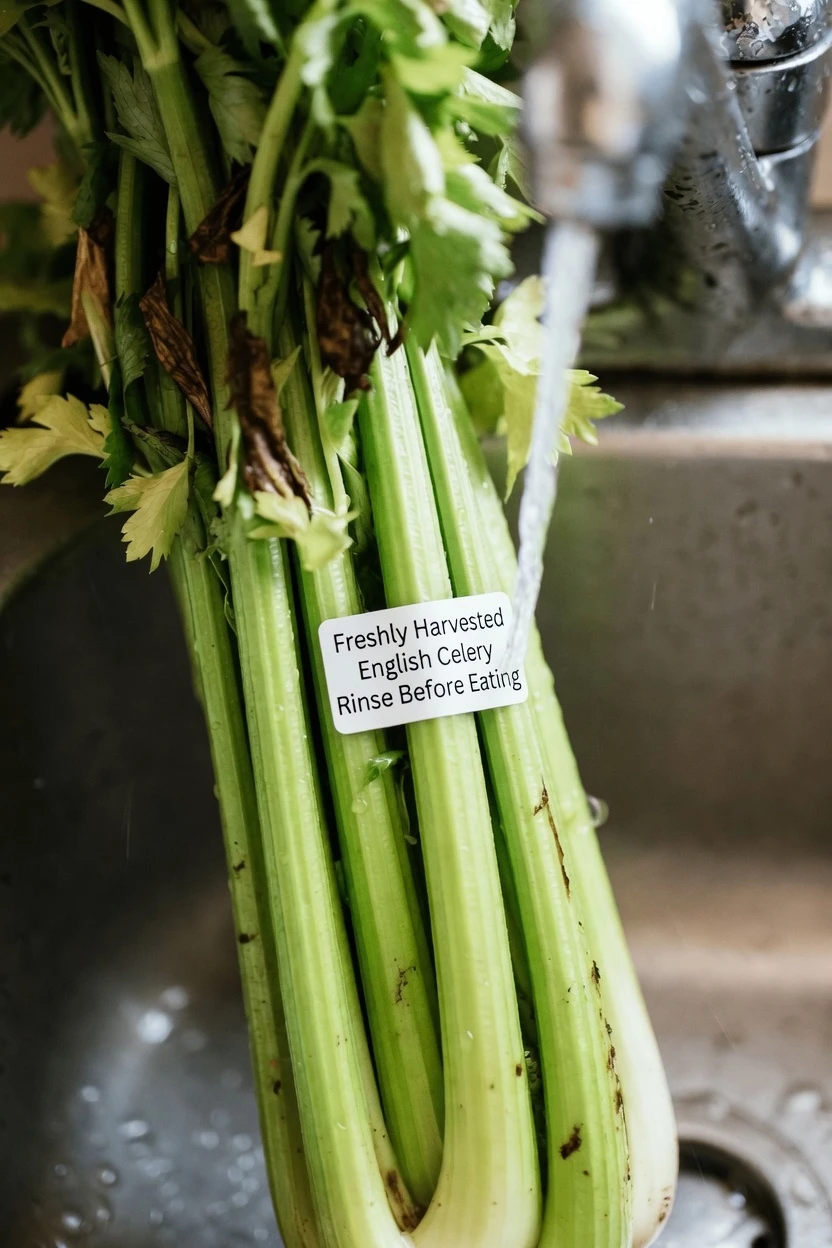
- Wash thoroughly to remove dirt and residues
- Juice only celery using a juicer—no add-ins
- Drink 16 oz (about 475 ml) in the morning (often around one large bunch, depending on size)
- Consume it on an empty stomach, ideally soon after waking
- Wait 20–30 minutes before breakfast to give your body time to absorb it without competing foods
This timing is used to help the juice interact with the digestive system more directly, without other ingredients slowing things down.
What to Avoid If You Want Maximum Impact
To keep celery juice as effective and consistent as possible:
- Avoid adding lemon, apple, ginger, honey, or sugar if your goal is a pure celery routine
- Don’t boil, steam, or cook celery for this purpose
- Skip store-bought, pasteurized celery juice (processing may reduce nutrient activity)
- Don’t drink it right after a large meal
If daily is too much at first, start with a smaller amount and build gradually. Consistency matters more than perfection.
What Results Are Realistic—and When Might You Notice Them?
Responses vary based on your overall diet, sleep, stress levels, hydration habits, and activity. That said, people commonly report:
- Less bloating and smoother digestion within a few days to 1 week
- Feeling more hydrated and steady in energy
- Subtle skin improvements in 2–4 weeks
- A general sense of being lighter or less sluggish
These outcomes are not guaranteed, but they are reasonable expectations when celery juice is used as a supportive habit—rather than a quick fix.
Final Takeaway: A Simple Green Upgrade to Your Morning
Celery juice is not a miracle cure, but prepared fresh and taken at the right time, it can be a practical way to improve hydration and add plant-based nutrients to your routine. The biggest “secret” isn’t celery itself—it’s using a clean, simple method and sticking with it long enough to notice gradual benefits.
FAQ
Is celery juice better than eating whole celery?
They serve different purposes. Whole celery provides fiber, which supports gut health and fullness. Juicing concentrates fluids and some nutrients, but removes most fiber. Many people benefit from including both in a balanced diet.
Can I drink celery juice every day?
Many people tolerate daily celery juice well in moderate amounts. However, if you have kidney concerns, are on a medically restricted diet, or take medications such as blood thinners (celery contains vitamin K), consult a healthcare professional.
Does celery juice “detox” your body?
Your body already “detoxes” through the liver and kidneys. Celery juice can support hydration and antioxidant intake, which may indirectly support these natural processes—but it is not a special cleanse or medical detox.
Disclaimer
This article is for informational purposes only and does not provide medical advice. Celery juice may be a healthy addition for many people, but it is not intended to diagnose, treat, cure, or prevent any disease.