
What Your Morning Urine Color Can Reveal About Hydration
You get out of bed, walk into the bathroom, and notice your first urine of the day. Most mornings, it is an automatic part of your routine. But when the color looks different than usual, it can quickly catch your attention. A light, nearly transparent shade often feels normal and comforting. On the other hand, a darker yellow, amber, or deeper tone can raise concerns, especially after a busy day, too little water, or long hours of fatigue.
That small change may leave you feeling drained, sluggish, or wondering whether your body is signaling that something needs attention. The encouraging part is that understanding urine color can give you a simple, practical way to check your hydration at home. With a few easy adjustments, you may improve your daily fluid balance and feel more energized in the morning. And one often-overlooked habit connects it all together.
Why Morning Urine Color Is Such a Useful Hydration Clue
The first urine you pass in the morning is usually more concentrated because your body has gone several hours without fluid intake during sleep. Throughout the night, your kidneys continue regulating water and waste, so that first sample can provide a clearer picture of your overnight hydration status than urine later in the day.
According to health experts such as those at the Cleveland Clinic, morning urine can act like a quick daily snapshot of how well your body is managing fluids. When hydration is on track, you may notice steadier energy, better focus, and a fresher overall feeling. If the color appears darker, it is often a gentle sign that your body may need more support through simple hydration habits.

How to Interpret Common Morning Urine Colors
Urine color can offer helpful clues, although it should never be treated as the only measure of health. Each person is different, and several factors can influence the shade.
Pale Yellow or Almost Clear
This color usually suggests that your body is well hydrated and your fluid intake is meeting your needs. It is generally considered a healthy range.
Dark Yellow or Amber
A deeper yellow tone commonly points to mild dehydration after a full night without drinking. In many cases, a glass of water soon after waking can help restore balance.
Orange or Brownish Shades
These colors may show up when urine is highly concentrated. They can also be linked to certain foods, vitamins, or supplements. If the color continues, it is worth paying closer attention.
Pink or Red Tints
Sometimes urine turns pink or red after eating foods like beets or taking certain medications. However, if the color does not go away, many medical sources advise checking with a healthcare professional.
Cloudy Appearance
Cloudy urine may happen for minor reasons, including diet-related changes or particles in the urine. If it happens repeatedly, bring it up at your next medical visit.
Foamy or Bubbly Urine
A small amount of foam can simply be caused by a fast urine stream. But if foaming happens often, it may be worth discussing with a medical provider, especially if other symptoms are present.
Studies on urine concentration, including urine osmolality research, support the idea that color changes often reflect hydration status quite well. That makes this a fast and surprisingly useful self-check.
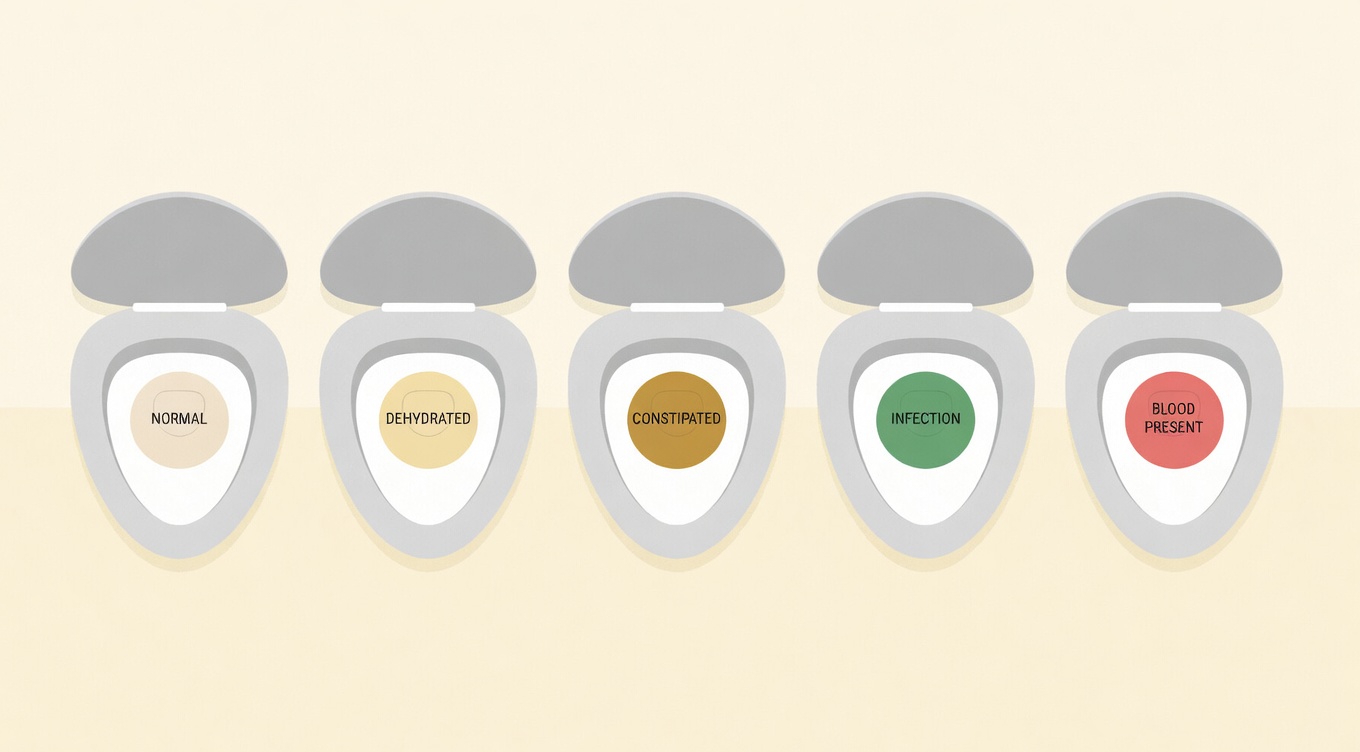
Quick Morning Urine Color Chart
Use this simple guide as a reference when checking your first bathroom visit of the day.
| Urine Color | What It May Mean | Easy First Step |
|---|---|---|
| Pale yellow or clear | Healthy hydration balance | Keep your current routine |
| Dark yellow or amber | Mild dehydration after sleep | Drink 8 to 12 ounces of water |
| Orange or brown | Stronger concentration or other influences | Increase fluids and monitor for 24 hours |
| Red or pink | Food, medication, or possible health issue | Track symptoms and consult a professional if it continues |
| Cloudy | Minor changes or particles | Stay hydrated and watch for patterns |
| Foamy | Stream speed or possible protein-related issue | Monitor daily water intake and discuss if persistent |
This kind of chart can be especially helpful if you want a quick reminder on your phone or in your wellness notes.
What Can Change Urine Color Besides Water Intake?
Hydration is important, but it is not the only factor that affects urine color. Several everyday habits and choices can influence what you see in the morning.
Foods
Some foods can temporarily change urine color. Beets and blackberries, for example, may create a pink or reddish tint.
Vitamins and Supplements
B vitamins are well known for causing bright yellow urine. Certain supplements may also affect color intensity.
Coffee and Alcohol
Both can contribute to fluid loss, especially when consumed in the evening. This may lead to more concentrated urine by morning.
Exercise
A hard workout without enough fluid replacement can leave you more dehydrated overnight, which often shows up as darker urine the next day.
The most useful approach is to look for patterns over several days rather than worrying about a one-time color change.
Daily Habits That Support Healthier Morning Urine Color
If you want to improve your hydration and encourage lighter, healthier urine color in the morning, these habits can help quickly.
- Drink 8 to 12 ounces of plain water within the first 30 minutes after waking.
- Try to spread water intake evenly throughout the day instead of drinking a large amount all at once.
- Include water-rich foods such as cucumbers, oranges, and watermelon in your meals.
- Reduce late-day caffeine and alcohol, which may increase overnight fluid loss.
- Track your morning urine color for a week to see which habits make the biggest difference.
Here is the part many people overlook: the timing of your final water intake before sleep can matter almost as much as the first glass in the morning. A small amount of water around 30 to 60 minutes before bed, rather than a full bottle, may help maintain better overnight fluid balance without causing unnecessary sleep interruptions.
When You Should Pay More Attention
A darker or unusual urine color that lasts longer than a day or two deserves more notice, especially if it appears along with symptoms like discomfort, unusual fatigue, or anything that feels out of the ordinary. In those cases, it is wise to speak with a healthcare provider.
The National Kidney Foundation emphasizes that noticing changes early can sometimes lead to simple solutions. Paying attention does not mean assuming the worst. It just means staying aware of what your body may be telling you.

Lifestyle Adjustments That Help Keep Urine Color in a Healthy Range
Water is the foundation, but other small daily habits can help support more consistent hydration.
- Start the day with light movement to encourage circulation and wake up your system.
- Keep a reusable water bottle nearby so you remember to sip regularly.
- Set a reminder on your phone for afternoon hydration if you often forget to drink.
- Build steady routines rather than relying on catching up with water late in the day.
Many people find that once these habits become regular, they notice not only better urine color but also more stable energy and clearer thinking.
A Simple Way to Improve Your Mornings
Your morning urine color is a free and easy daily check-in that takes only a few seconds. By learning what common shades may mean, following a simple hydration routine, and paying attention to that often-missed bedtime water habit, you can better support your body and start the day feeling more balanced.
Small changes often create noticeable results. Begin observing tomorrow morning and see what your body has been showing you all along.
FAQ
Why is morning urine usually darker than urine later in the day?
Because you go several hours without drinking while you sleep, urine becomes more concentrated overnight. After you wake up, drink water, and move around, later urine is often lighter.
Can food or vitamins really change urine color?
Yes. Foods like beets and berries, along with supplements such as B vitamins, can temporarily affect urine color. Keeping track of what you ate the day before can help you tell the difference between dietary effects and dehydration.
How much water should I drink to keep morning urine in a healthy color range?
A common guideline is to aim for about half your body weight in ounces of water per day. For example, a person who weighs 150 pounds may target around 75 ounces daily. Needs can vary depending on climate, activity level, and how your body responds.
Disclaimer
This article is for informational purposes only and is not a substitute for professional medical advice, diagnosis, or treatment. Always speak with your healthcare provider if you have concerns about urine color changes or any other symptoms. Individual experiences may vary.