
Everyday forgetfulness—misplacing your keys, blanking on someone’s name mid-conversation, or overlooking a simple errand—can be surprisingly draining. When life moves fast, even small memory lapses can make you feel like your mind isn’t keeping pace. And while calendars, reminders, and productivity apps help, they don’t always strengthen recall in the moment.
What if something as familiar as an herb in your kitchen could offer a gentle, natural nudge for focus and memory? Research into rosemary aroma suggests it may support certain aspects of cognitive performance—especially the kind of memory you rely on throughout a busy day.

Rosemary: The “Herb of Remembrance” Through History
Rosemary has long been associated with mental clarity and recall, earning a traditional reputation as “the herb of remembrance.” In Ancient Greece, students reportedly wore rosemary garlands while studying or taking exams. Literary references reinforced the idea, too—Shakespeare famously linked rosemary with memory in Hamlet (“rosemary, that’s for remembrance”).
This long-standing cultural use helped spark modern scientific interest, particularly once researchers began testing aromatherapy claims under controlled conditions in the early 2000s.
What Research Says About Rosemary Aroma and Cognitive Performance
Early findings (Northumbria University, 2003)
One of the earlier modern investigations came from Northumbria University (UK) in 2003. Researchers examined how exposure to rosemary essential oil scent affected performance on memory and thinking tasks. Participants in rosemary-scented environments tended to do better on certain cognitive measures than those in unscented rooms—suggesting that aroma alone might influence mental performance.
Follow-up work and the role of 1,8-cineole (Northumbria University, 2012)
A later study (2012), also associated with Northumbria University and led by Dr. Mark Moss, explored the effect more deeply. Participants completed tasks such as:
- Serial subtraction
- Visual information processing and speed-based activities
They did these tasks in rooms with rosemary essential oil diffused or with no scent. Importantly, blood testing detected 1,8-cineole (a prominent rosemary compound) in the bloodstream of those exposed to the aroma. Higher levels of 1,8-cineole were linked with better speed and accuracy on certain cognitive tests.
A notable link: Prospective memory
One of the most interesting outcomes involved prospective memory—your ability to remember to do something later, such as:
- Taking medication at a specific time
- Sending an email you intended to write
- Dropping off a letter or completing an errand
Some reports (including presentations related to this line of research) noted differences in task completion between groups. However, it’s worth emphasizing that popular media sometimes exaggerated the results; the research indicates modest improvements, not dramatic “instant memory upgrades.”
Not just mood or alertness
The cognitive effects didn’t appear to come simply from feeling happier or more energized. Instead, researchers proposed that 1,8-cineole may influence pathways involving acetylcholine, a neurotransmitter closely tied to learning and memory.
Rosemary’s Brain-Supporting Compounds Beyond Aroma
Rosemary isn’t only about scent. It also contains antioxidant compounds such as:
- Carnosic acid
- Rosmarinic acid
Laboratory research suggests these antioxidants may help protect cells from oxidative stress, a factor associated with aging and everyday wear-and-tear in the body. While this doesn’t mean rosemary is a treatment for any condition, it helps explain why the plant is often discussed in broader conversations about brain health and wellness.

How Rosemary Aroma May Work in the Body
When you inhale rosemary’s fragrance, airborne compounds—especially 1,8-cineole—can pass through the lungs into the bloodstream and potentially reach the brain. This is one reason researchers describe the effect as more than “just a pleasant smell.” In some people, it may function like a mild, targeted cognitive support.
Key points to keep expectations realistic:
- Effects vary by individual
- Benefits are typically subtle, not transformative
- Most studies were relatively small and involved healthy adults
- Larger, more diverse studies are still needed
Practical Ways to Use Rosemary Aroma Daily
If you want to try rosemary aromatherapy for focus or memory support, these easy options can fit into a normal routine:
- Diffuse rosemary essential oil: Add 3–5 drops of high-quality rosemary essential oil to a diffuser. Use for 30–60 minutes while working, reading, or studying.
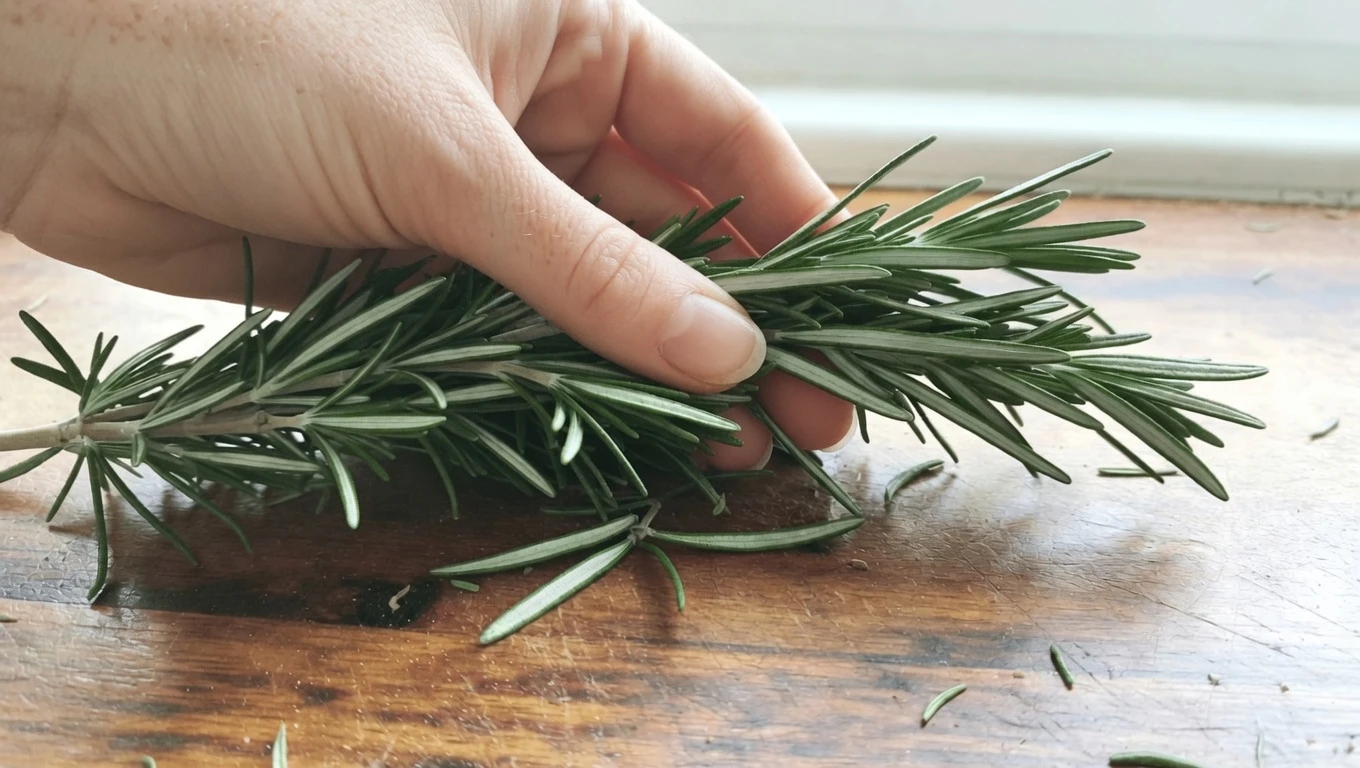
- Keep a live rosemary plant nearby: A small potted plant on a desk can release a gentle scent. Lightly brushing the leaves increases the aroma.
- Make a diluted portable blend: Combine 1 drop rosemary essential oil with 1 teaspoon of a carrier oil (like jojoba or coconut). Apply sparingly to wrists or temples as needed.
- Use it while cooking: Crushing fresh rosemary while preparing food releases a naturally energizing scent into the air.
- Add to a morning routine: Place a sprig near the shower (away from direct water). Steam can help disperse the fragrance for a calm, focused start.
Start with low exposure and pay attention to how you feel—many people report being more “locked in” during tasks, even if the shift is mild.
Extra Support for Brain Wellness (Beyond Herbs)
Rosemary may complement healthy habits, but it works best as part of a bigger picture. For overall cognitive well-being, prioritize:
- Consistent, high-quality sleep
- Regular movement and exercise
- A nutrient-dense diet
- Stress management and breaks during mentally demanding work
Final Thoughts: Is Rosemary Aroma Worth Trying?
Based on promising research—particularly from Northumbria University—rosemary scent may offer a simple, pleasant way to support aspects of memory and mental performance, including prospective memory. It’s not a magic fix, but it could be an easy habit to experiment with, especially during study sessions or busy workdays.
FAQ
Does smelling rosemary actually improve memory?
Research suggests rosemary aroma may support certain cognitive functions, including prospective memory, with compounds like 1,8-cineole detectable in the bloodstream. Results tend to be modest and differ from person to person.
How long should I use rosemary aroma to notice benefits?
In studies, exposure often occurred during the task period—commonly around 30–60 minutes. Try short sessions first and adjust depending on comfort and sensitivity.
Is rosemary essential oil safe for everyone?
Many people tolerate rosemary oil well when diffused properly. Avoid applying it directly to skin unless diluted. If you are pregnant, nursing, have asthma or sensitivities, or have medical concerns, consult a qualified healthcare professional before use.
Disclaimer
This article is for informational purposes only and does not provide medical advice. These statements have not been evaluated by the FDA. Aromatherapy is not intended to diagnose, treat, cure, or prevent any disease. Always consult a qualified healthcare professional before making changes to your routine, especially if you have health concerns.