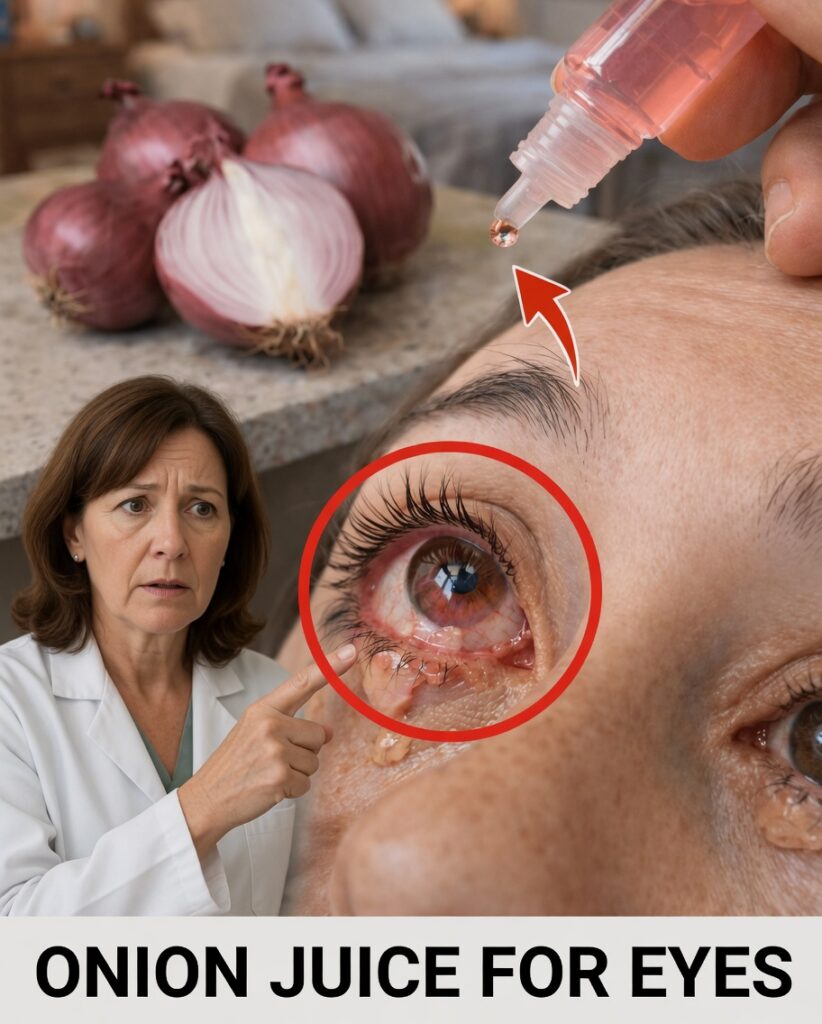
Digital Eye Fatigue: Why Everyday Food Choices Matter
Modern life keeps many of us in front of phones, laptops, and tablets for hours a day. Over time, that constant screen exposure can leave your eyes feeling dry, tired, and overworked—making it harder to focus and less comfortable to get through routine tasks. It also naturally leads people to think about how to maintain healthy vision as they get older.
The good news is that small, consistent habits—like choosing more nutrient-dense foods—can support overall eye wellness in a practical, natural way.
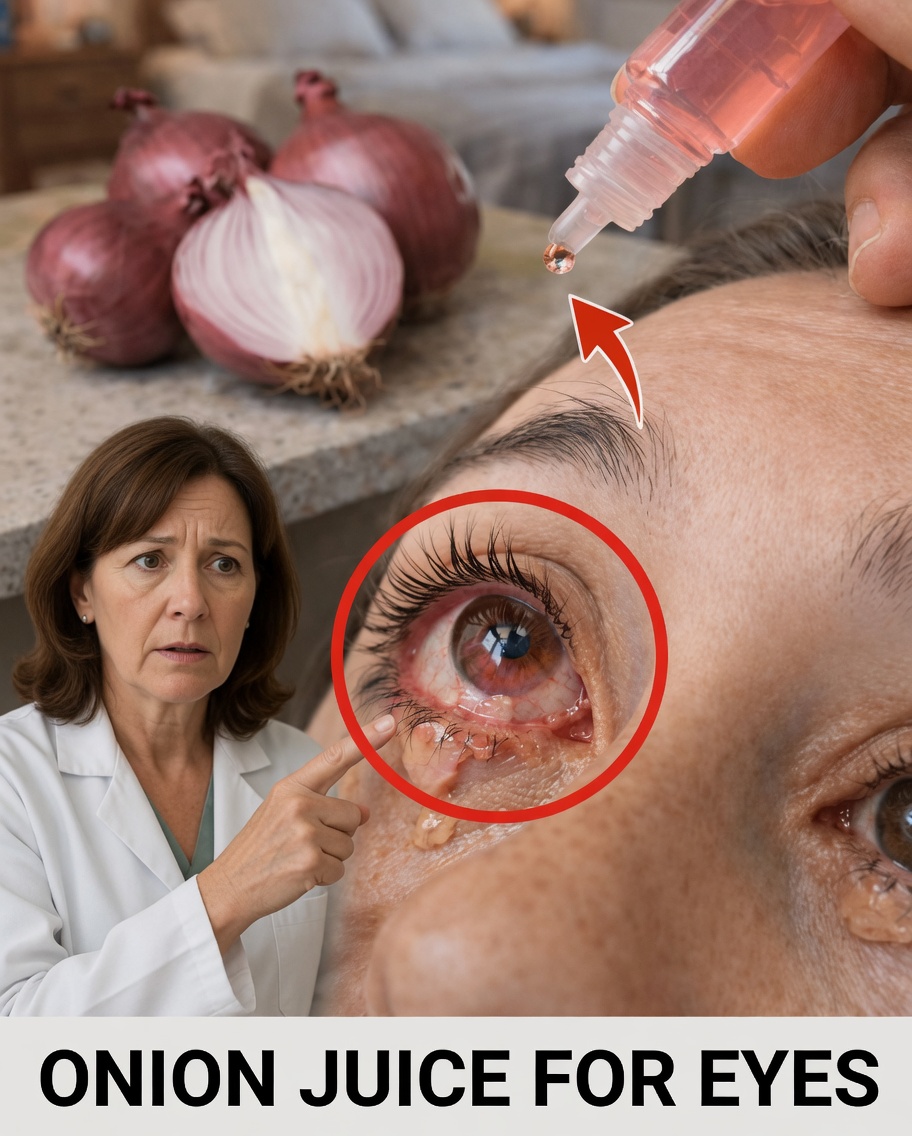
Onions and Eye Health: A Surprising Kitchen Staple
What if one of the most common ingredients in your kitchen could also provide compounds that researchers continue to study for their potential role in eye support? Onions aren’t a magic fix, but they do contain several nutrients that fit well within an antioxidant-rich eating pattern—often recommended for healthy aging, including healthy eyes.
Below is how onions may contribute to eye wellness and simple ways to include them more often.
Why Onions May Support Eye Wellness
Onions are more than a flavor booster. They’re packed with naturally occurring plant compounds that have been examined for broad health benefits, including areas connected to the eyes. One of the most talked-about is quercetin, a flavonoid antioxidant found in high amounts in onions—especially red onions.
Research has linked oxidative stress to age-related changes throughout the body, including in ocular tissues. Laboratory work, animal studies, and early human observations suggest quercetin may help protect cells from oxidative damage and may play a supportive role in tear function. Alongside quercetin, onions provide:
- Vitamin C, which contributes to collagen support in eye structures and acts as an antioxidant
- Sulfur-containing compounds, which support the body’s production of glutathione, a key cellular antioxidant
Rather than promising dramatic results, onions are best viewed as part of a consistent, balanced approach: simple nutrition habits that are easy to maintain long term.
Key Nutrients in Onions Associated With Eye Support
Onions contain several nutrients and compounds that science frequently associates with eye-friendly nutrition:
- Quercetin: A flavonoid known for antioxidant and anti-inflammatory properties. Population research links higher flavonoid intake with positive health indicators, while lab and animal studies explore how quercetin may help reduce oxidative stress in eye cells.
- Vitamin C: Supports connective tissue strength (via collagen formation) and helps neutralize free radicals.
- Sulfur compounds: Help the body build glutathione, often described as a “master antioxidant” for cellular defense.
- Selenium: Works alongside antioxidants such as vitamin E to support tissue protection.
Because of their pigments, red onions often contain higher quercetin levels, making them a strong option when available. Still, the biggest payoff comes from combining onions with a wide variety of colorful fruits and vegetables.
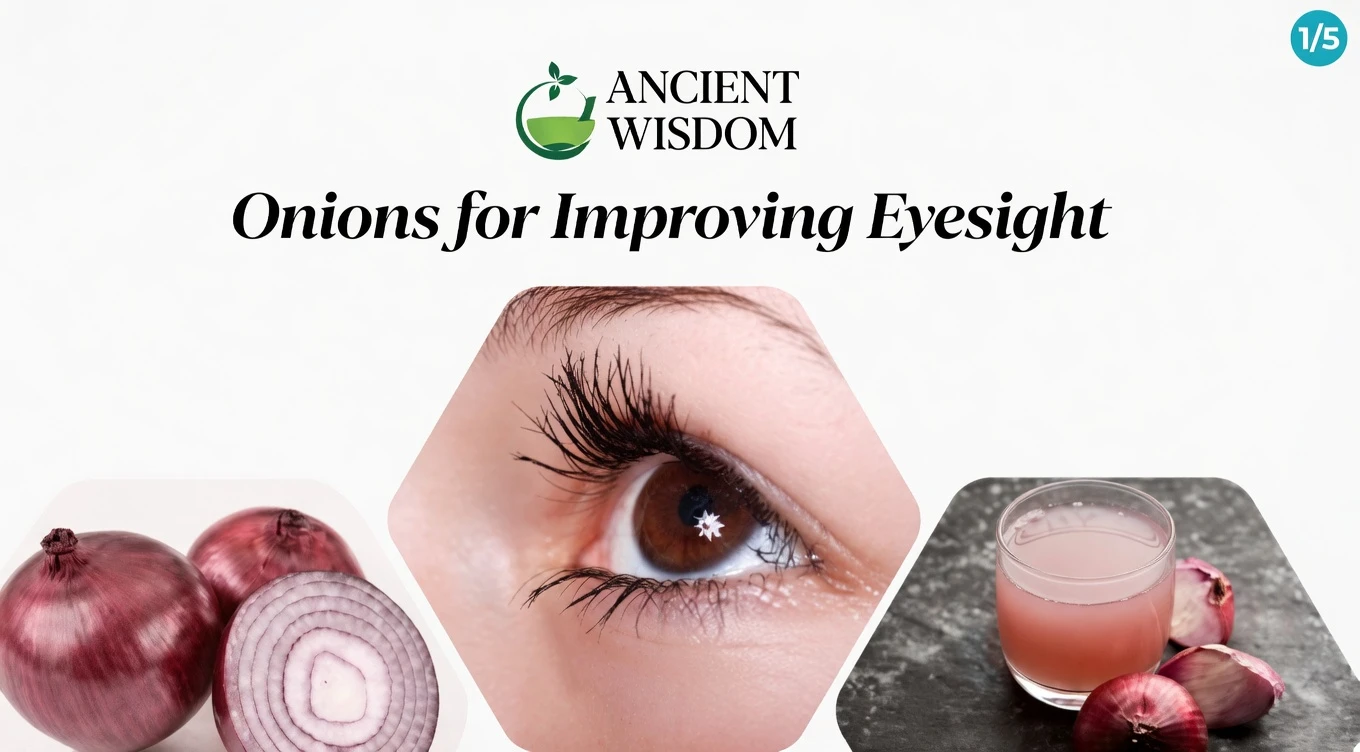
Easy Ways to Eat More Onions (Without Overthinking It)
You don’t need complicated recipes to make onions a regular part of your diet. Start with small additions and build up based on taste and tolerance.
Try these simple ideas:
- Add thinly sliced raw red onion to salads for crunch and strong nutrient retention.
- Use sautéed yellow onion as a base for soups, stir-fries, roasted vegetables, or grain dishes.
- Roast or grill onion wedges with other vegetables or lean proteins for a deeper, sweeter flavor.
- Blend small amounts of mild onion into smoothies (often paired with apple for a quercetin-friendly mix) if you enjoy savory notes.
- Top meals with chopped green onions (scallions) on eggs, avocado toast, rice bowls, or noodles.
Cooking tends to soften onion intensity while still preserving many beneficial compounds. If raw onion feels too strong, begin with cooked dishes and add raw servings gradually.
A practical target is about half a medium onion a few times per week—enough to contribute useful nutrients without dominating your meals.
Simple Onion Recipes You Can Make at Home
These beginner-friendly recipes make onions enjoyable and easy to repeat.
1) Crisp Red Onion Salad
- Thinly slice 1 red onion.
- Combine with sliced cucumber and cherry tomatoes.
- Dress with olive oil and fresh lemon juice.
- Let it sit for 10 minutes to reduce sharpness, then serve chilled.
2) Caramelized Onion Yogurt Dip
- Slowly cook sliced onions until golden, soft, and sweet.
- Mix with Greek yogurt, minced garlic, and herbs such as chives or dill.
- Serve with carrot sticks or whole-grain crackers.
3) Quick Onion Soup Starter
- Sauté chopped onions until translucent and tender.
- Add vegetable broth and herbs, then simmer for about 20 minutes.
- Finish with an optional light sprinkle of cheese.
These options are flexible, family-friendly, and easy to customize.
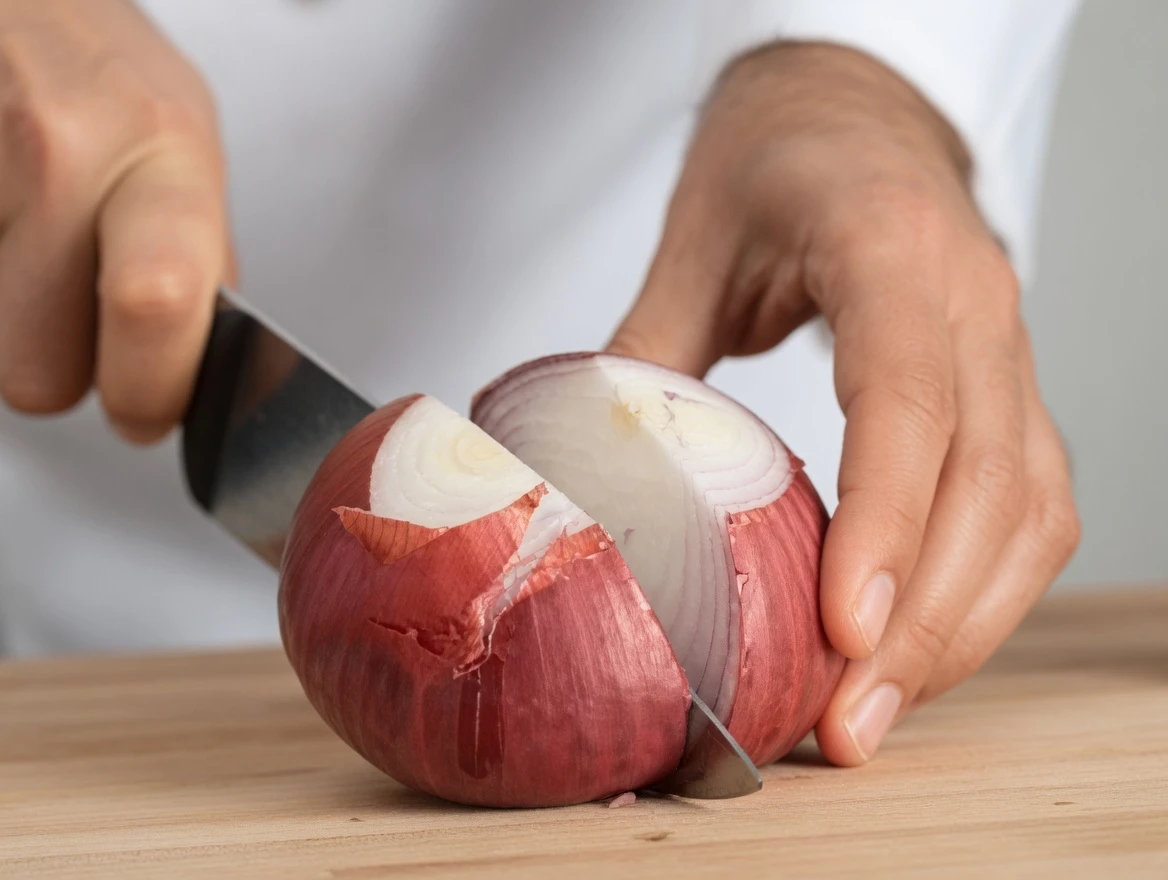
What Studies Suggest About Onions and Eye Support
Scientific interest in onions largely comes from their antioxidant density. In animal models, onion-derived compounds and extracts have been studied for potential effects related to lens clarity and retinal protection under stress. In humans, observational research often associates flavonoid-rich diets—including foods high in quercetin like onions—with healthier aging patterns.
Broader nutrition reviews also emphasize that vitamin C and whole-food antioxidants support tissue wellness in general, which includes eye structures. Onions have a long history in traditional food cultures for overall vitality, and ongoing research continues to explore the mechanisms behind their benefits.
It’s still important to keep perspective: no single food “fixes” vision. The strongest results usually come from consistent lifestyle patterns—such as hydration, movement, screen breaks, and a varied diet.
Common Questions About Onions and Eye Health
How many onions should I eat for potential benefits?
There’s no official dosage. However, using onions in meals several times per week is a realistic way to increase quercetin, vitamin C, and sulfur compounds. Start with amounts you enjoy, and balance them with other vegetables.
Are raw onions healthier than cooked onions?
Raw onions generally preserve more quercetin, while cooked onions may be easier to digest and simpler to eat in larger portions. For most people, a mix of raw and cooked works well.
Can onions reduce screen-related dry eyes or eye strain?
Onions provide supportive nutrients, but daily habits matter most—especially:
- The 20-20-20 rule (every 20 minutes, look 20 feet away for 20 seconds)
- Proper lighting and screen positioning
- Blinking more often and staying hydrated
Onions can complement these strategies, but they won’t replace them.
Final Takeaway: A Simple, Affordable Way to Support Eye Wellness
Adding onions to your meals is a practical, low-cost way to increase intake of quercetin, vitamin C, and other compounds associated with eye-friendly nutrition. For best results, pair this habit with a colorful diet, good hydration, regular eye exams, and mindful screen use.
Consistency matters more than perfection—pick one onion-based idea this week and build from there.
Important Disclaimer
This content is for informational and educational purposes only and is not intended to diagnose, treat, cure, or prevent any disease or health condition. For personalized guidance about eye health or symptoms, consult a qualified healthcare professional.