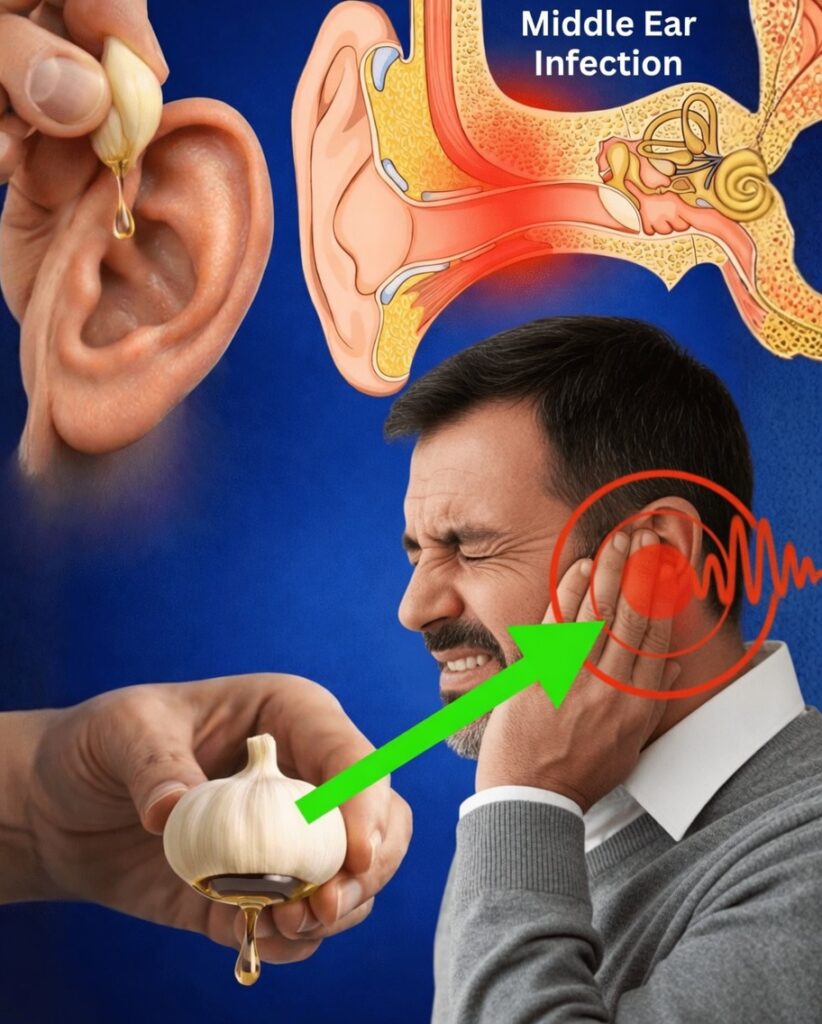
Ear Discomfort Is Common—and Often Disruptive
Ear discomfort affects millions of people, ranging from mild pressure after a cold to intermittent aches that interfere with work, sleep, and everyday conversations. Many also experience muffled hearing, irritation, or a “blocked” sensation during allergy season, after swimming, or following air travel.
While over-the-counter products can offer short-term relief, some people prefer gentle, home-based routines using familiar ingredients. One of the most frequently mentioned options is garlic, a kitchen staple with a long history in traditional wellness practices and growing interest in modern research.
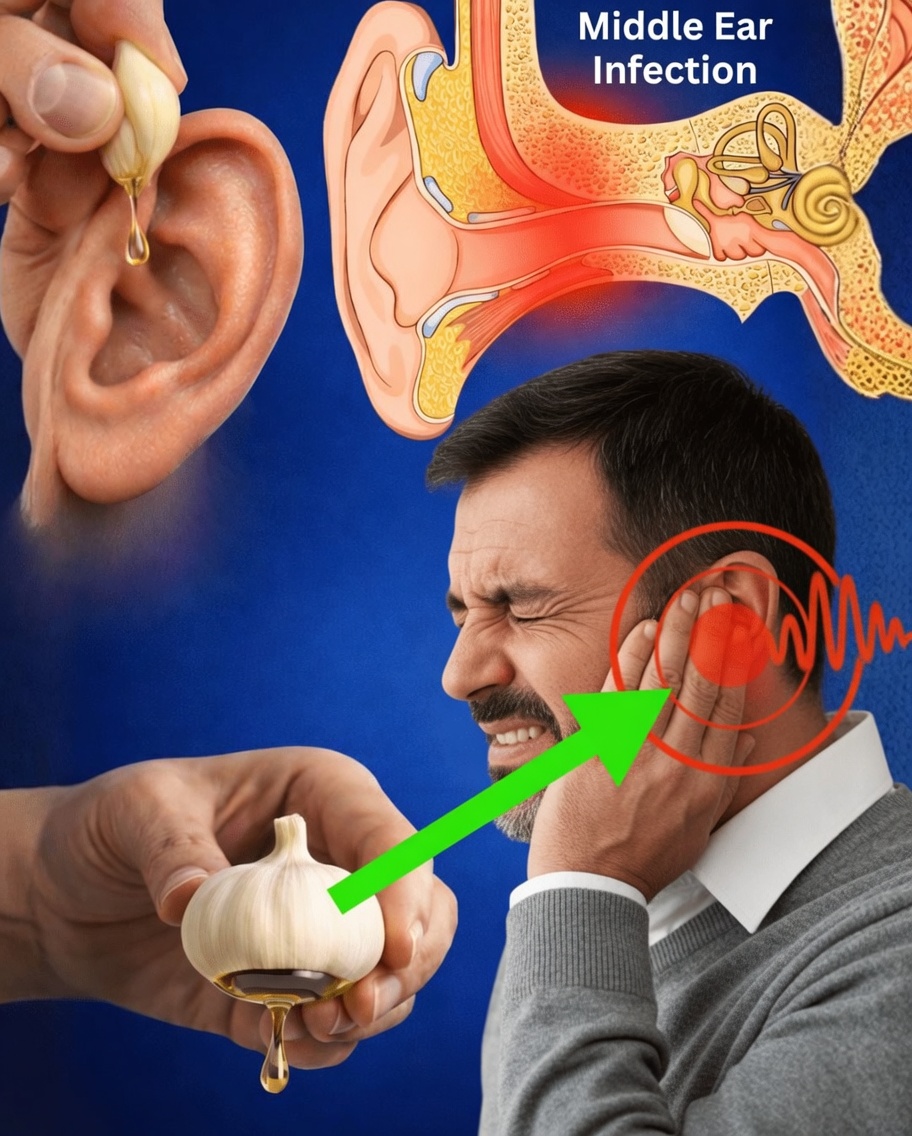
How Ear Discomfort Impacts Daily Life
Ear problems aren’t always intense or obvious. For many adults—especially those over 30—ear pressure, fullness, or occasional sensitivity can build gradually. These small issues can still have a real impact:
- Difficulty focusing at work
- Struggling to hear clearly in social settings
- Discomfort after flights, colds, or seasonal allergies
- Frustration from symptoms that “hang around”
When low-grade discomfort persists, people often look beyond symptom-focused solutions and explore supportive habits—where garlic often enters the conversation.
Why Garlic Keeps Showing Up in Natural Wellness Traditions
Garlic has been used for centuries in folk remedies, largely due to its distinctive sulfur-containing compounds. Modern interest centers on components such as allicin, which forms when garlic is crushed and allowed to rest briefly.
Some laboratory (in vitro) research has explored garlic derivatives for activity against certain microorganisms that can be associated with external ear concerns. Additionally, a clinical trial on herbal ear drops that included garlic reported soothing effects for ear pain in children with middle-ear discomfort.
These findings are not definitive, and lab results do not always translate directly to real-world outcomes. Still, they help explain why garlic remains a popular topic for natural ear support.

15 Ways Garlic May Support Ear Wellness (What People Use It For)
1. Antimicrobial activity (lab-supported)
In controlled studies, allicin and related garlic compounds have shown antimicrobial effects against certain bacteria sometimes associated with outer ear issues. This does not replace medical care, but it’s a key reason garlic is used as a supportive option.
Preparation detail many people miss:
- Crush fresh garlic and let it rest 10–15 minutes before infusing.
This waiting period can increase allicin formation.
2. Potential support during colds and viral seasons
Ear fullness often follows respiratory infections. Reviews in nutrition and wellness literature have discussed garlic compounds in relation to immune response and viral processes—suggesting indirect support during cold season.
3. Anti-inflammatory potential for mild irritation
Some studies indicate garlic may influence inflammatory pathways, which could matter when swelling or irritation contributes to discomfort.
A well-known trial (2003) found that naturopathic ear drops containing garlic performed similarly to conventional options for managing ear pain in some children.
4. Gentle soothing without sedation
Warm, diluted garlic-infused oil is commonly used as a calming, non-drowsy approach for occasional discomfort—especially compared with solutions that may be harsher or more drying.
5. Immune system nourishment from regular intake
Eating garlic consistently has been linked in some studies (including research on aged garlic extract) to changes in immune cell activity. Stronger overall immune resilience may indirectly support ear wellness.
Simple daily idea:
- Combine crushed garlic with a small amount of honey.
6. Supporting clearer sensations during congestion
Some wellness sources suggest garlic may help with mucus-related congestion, which can contribute to pressure and plugged sensations—especially after colds or allergies.
7. Preventive routine support for recurring seasonal issues
Many people use garlic as part of ongoing wellness habits to reduce the frequency of seasonal discomfort.
A simple pacing approach:
- Days 1–3: Start small and observe how you respond
- Days 4–7: Build consistency
- Week 2+: Maintain as part of a routine if tolerated well
8. Antioxidant support for long-term wellness
Garlic contains antioxidants that help counter oxidative stress. While this is more general health support, it’s often included in discussions about maintaining healthy tissues over time.
9. Occasional ringing support (limited evidence)
Some anecdotal reports link garlic’s sulfur compounds to easing nerve-related sensations like mild ringing. Evidence here is limited, so this should be viewed cautiously.
10. Gentle wax-softening (oil-based approach)
Oil infusions—including garlic oil—are sometimes used to help soften earwax buildup and support natural clearing, similar to other oil-based home methods.
11. Fits well into holistic self-care habits
Garlic is often used alongside other hygiene and wellness practices, including hydration, allergy management, and congestion relief routines.
12. Affordable and accessible
Fresh garlic is low-cost and widely available, making it appealing for people seeking everyday supportive habits.
13. Better sleep when nighttime irritation improves
When discomfort decreases at night, sleep quality may improve—especially for people who notice symptoms most when lying down.
14. Seasonal resilience during allergy-prone months
Some people use garlic consistently during spring/fall transitions to support overall resilience when allergies and congestion are more common.
15. The real key: consistency and personalization
Garlic is not about “instant fixes.” Supportive routines tend to work best when you:
- Start with small amounts
- Track sensitivity and results
- Adjust your approach based on your body’s response

Simple, Practical Ways to Use Garlic at Home
Make a basic garlic oil (common home method)
- Crush 1–2 garlic cloves
- Let sit for 10 minutes (to support allicin formation)
- Add to gently warmed olive oil and infuse for about 30 minutes
- Strain carefully and store properly
How people typically apply it
- Use 2–3 warm drops around the outer ear area only
- Never insert anything deep into the ear canal
- Patch-test on skin first to check for irritation
Dietary use (internal routine)
- Add garlic raw or cooked to meals regularly for general wellness support
Safety precautions you should not skip
- Avoid if you have a perforated eardrum, ear tubes, unexplained drainage, or severe pain
- Do not use if you have a known garlic allergy
- Stop immediately if burning, itching, rash, or worsening discomfort occurs
- If you’re unsure, consult a qualified healthcare professional first
What a More Comfortable Month Could Look Like
With mindful, consistent use—whether through meals or carefully prepared topical routines—many people report subtle improvements in daily comfort over a few weeks. That can mean fewer moments of ear “adjusting,” less disruption during conversations, and fewer sleep interruptions.
Start small, track changes, and keep your approach gentle.
P.S. Light fermentation (like fermented garlic) may alter and sometimes enhance certain compounds—some people use it for variety as part of a broader wellness routine.
Advanced Tips (Quick List)
- Combine garlic infusion with mullein for extra soothing (commonly used in herbal ear blends)
- Store homemade oil safely and consider refrigeration for freshness
- Some blends include herbs like calendula for additional skin-soothing properties
Frequently Asked Questions
Is garlic safe for everyone to use in or near the ears?
Many people tolerate diluted garlic oil used carefully, but sensitivity varies. Always patch-test, avoid deep application, and consult a professional if you have any ear condition or uncertainty.
How quickly can you notice results?
Some people feel soothing effects within days, while broader “support” tends to be associated with consistent routines over several weeks.
Can garlic replace medical treatment for ear problems?
No. Garlic is best viewed as a complementary approach for mild discomfort. Seek medical care for persistent pain, fever, discharge, hearing loss, or suspected infection.
Medical Disclaimer
This article is for informational purposes only and does not replace professional medical advice. Always consult your healthcare provider before trying new remedies—especially for ear-related concerns.