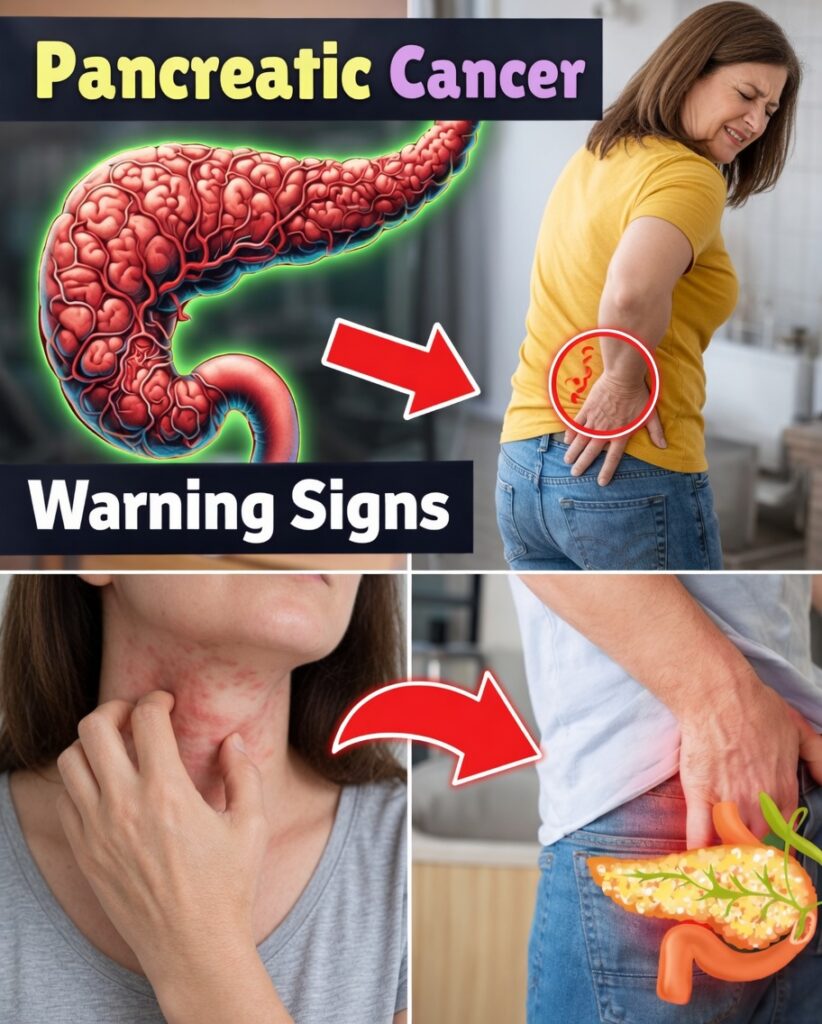
Pancreatic Cancer: Why It’s Called the “Silent Killer”
Pancreatic cancer is frequently described as a “silent killer” because it can progress for a long time without clear, attention-grabbing symptoms. Early changes may feel minor—such as subtle digestive issues, lower energy, or shifts in normal body functions—so many people chalk them up to stress, diet changes, or getting older.
According to recent American Cancer Society data, the five-year relative survival rate is about 13% across all stages combined, largely because many cases are found only after the cancer has advanced. Learning to notice possible early warning signs can prompt earlier medical evaluation and may improve outcomes.
What You’ll Learn in This Guide
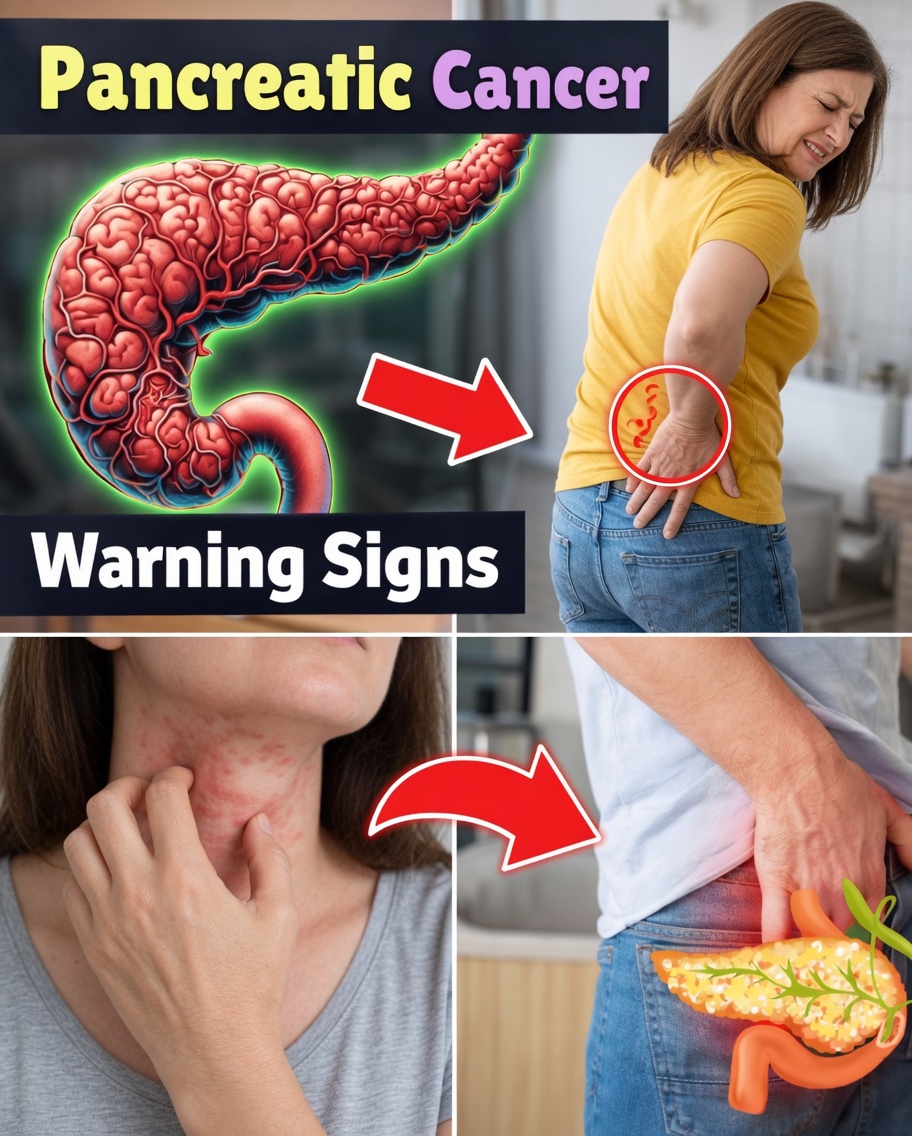
This article reviews 10 understated symptoms that medical sources and patient reports commonly associate with pancreatic cancer, along with why they can happen and practical steps that may support overall health. These signs are not specific to cancer and can come from many non-serious conditions—but persistent or worsening changes deserve attention. At the end, you’ll also find a simple daily habit some people use to support general wellness.
Why Pancreatic Cancer Is Often Missed in the Early Stages
The pancreas is located deep in the abdomen, behind the stomach, so small tumors may not cause noticeable problems at first. Trusted organizations such as the Mayo Clinic and the American Cancer Society note that early pancreatic cancer often produces few or non-specific symptoms.
When symptoms do appear, they can look like more common issues, including:
- Indigestion or acid reflux
- Gallbladder or liver-related problems
- New or worsening blood-sugar issues (including diabetes)
Research also suggests that digestive changes and unexplained weight shifts can occur months before diagnosis—yet they’re often overlooked because they feel vague or intermittent.
10 Subtle Early Warning Signs Mentioned in Medical Sources
Below are 10 symptoms frequently linked to pancreatic cancer in medical literature. They do not confirm cancer on their own, but they may warrant medical discussion—especially if they persist, intensify, or occur together.
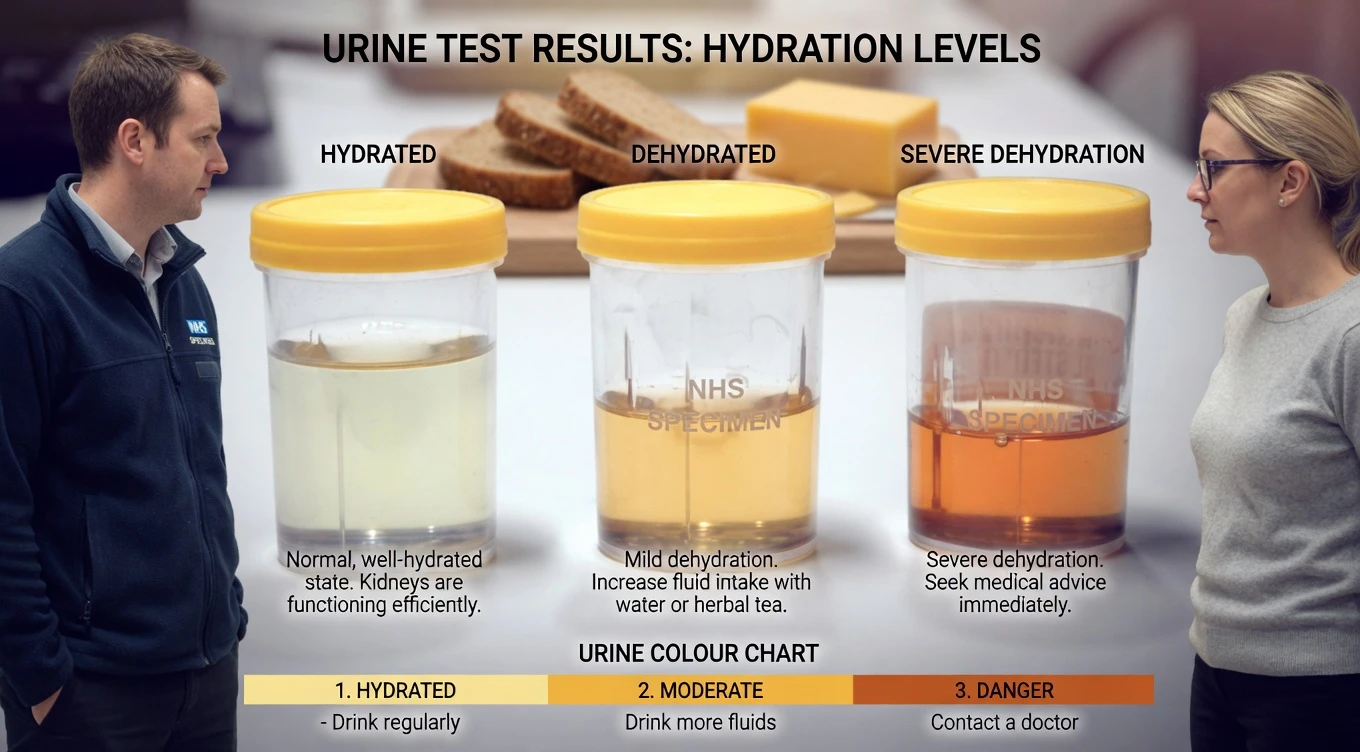
1) Dark Urine That Doesn’t Improve with Hydration
Urine that becomes unusually dark (often described as tea- or cola-colored) can reflect bilirubin buildup, sometimes caused by a blocked bile duct. In some cases, this change appears before more visible symptoms.
2) Pale, Greasy, or Floating Stools
Light-colored stools, oily residue, strong odor, or stools that float may point to fat malabsorption, which can happen if the pancreas isn’t releasing enough digestive enzymes.
3) Yellowing of the Skin or Eyes (Jaundice)
A yellow tint in the skin or the whites of the eyes can develop when bile flow is obstructed and bilirubin accumulates. This is a classic sign, particularly when a tumor affects the head of the pancreas.
4) Persistent Itching Without a Visible Rash
Ongoing itching—often felt strongly on the hands or feet—may occur when bile salts collect in the skin. For some people, itching begins before jaundice is obvious.
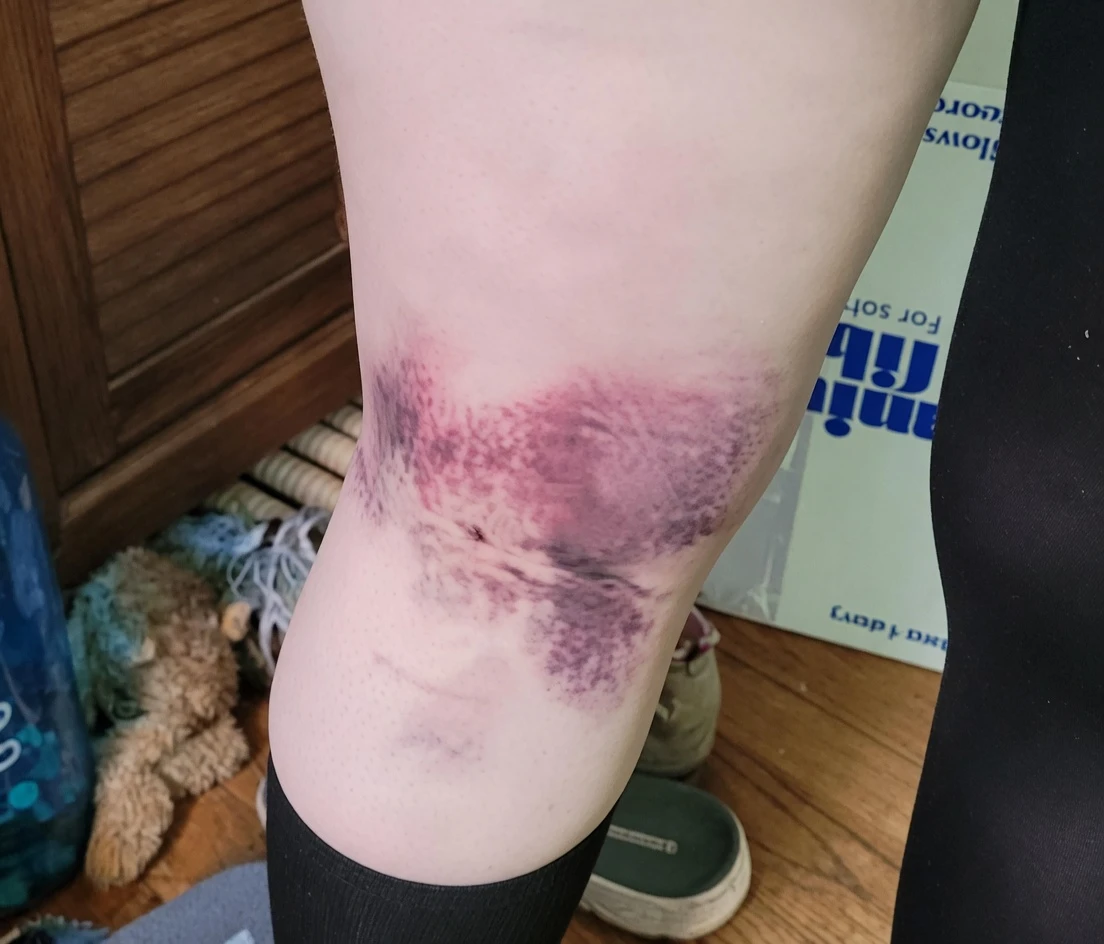
5) Unexpected Blood Clots
Pancreatic cancer has been associated with an increased tendency to form clots in some individuals. Symptoms can include:
- New swelling or pain in one leg
- Sudden shortness of breath or chest discomfort (potential emergency)
6) A Sense of Fullness or Tenderness Under the Right Ribs
A feeling of pressure or soreness near the right upper abdomen (where the gallbladder sits) may occur due to bile backup and related swelling.
7) Unintentional Weight Loss
Losing weight without changes in diet or exercise is common in many serious illnesses. With pancreatic cancer, weight loss may be linked to:
- Reduced appetite
- Poor digestion and nutrient absorption
- Increased metabolic demand from disease processes
8) Getting Full Quickly or Noticeable Appetite Changes
Feeling satisfied after small portions, or losing interest in food, can be caused by pressure on nearby structures or inflammatory effects that alter appetite.
9) Unexplained Nausea or Vomiting
Nausea that comes and goes without a clear trigger—even when the stomach is empty—may relate to irritation of nerves, digestive disruption, or the body’s systemic response to illness.
10) Dull Pain in the Upper Abdomen or Mid-Back
A persistent, aching pain in the upper abdomen that radiates to the back is a commonly reported complaint. Some people notice it:
- Worsens when lying flat
- Improves when leaning forward
Because this pain can resemble many other conditions, it is often misattributed.
Red-Flag Symptom Combinations: When to Seek Care Sooner
If two or more symptoms occur together and last for several weeks, it’s wise to consult a healthcare professional. Certain pairings deserve faster attention:
- Dark urine + persistent itching: Ask about blood work and whether imaging is appropriate.
- Greasy/pale stools + unexplained weight loss: Consider evaluation for malabsorption and pancreatic enzyme issues.
- New abdominal or back pain + new-onset diabetes after age 50: This combination warrants prompt medical review.
- Jaundice + right upper abdominal fullness/tenderness: Seek medical care urgently.
When speaking with a clinician, describe the timing, frequency, what makes symptoms better or worse, and any recent changes in weight or appetite.
Practical Lifestyle Steps That May Support Pancreatic Health
No routine can guarantee prevention, but research suggests that reducing risk factors—such as insulin resistance and chronic inflammation—may be beneficial. Here is a simple 30-day, step-by-step approach focused on realistic habits:
- Week 1: Reduce added sugars and aim for daily walking (often cited as ~10,000 steps) to support steadier energy and less bloating.
- Week 2: Replace red meat more often with fish or plant-forward meals to support digestion and overall dietary quality.
- Week 3: Increase fiber by emphasizing vegetables such as broccoli and Brussels sprouts to support gut function.
- Week 4: Book a routine check-up and bring a written list of symptoms or concerns.
Helpful foundations include:
- Choosing mostly whole foods over ultra-processed options
- Staying physically active
- Maintaining a weight range that supports metabolic health
Some studies associate chronic high blood sugar and heavy processed-food intake with higher risk—so balanced meals and steady activity are practical, evidence-aligned steps.
A Simple Daily Habit Some People Add for Wellness
A small daily addition that many people find easy: 1 teaspoon of extra-virgin olive oil combined with a pinch of turmeric and black pepper, taken with meals. This combination is often discussed in general wellness research for its potential to support everyday inflammation balance.
Key Takeaways
Pancreatic cancer can begin with symptoms that look ordinary—digestive changes, mild pain, appetite shifts, or skin-related signs. Because these clues overlap with many non-cancer conditions, the most important factor is persistence, progression, or clustering of symptoms. Paying attention and seeking medical guidance when something feels “off” can lead to earlier evaluation and better-informed health decisions.
FAQ
What are the most common early signs of pancreatic cancer?
Frequently cited early signs include unexplained weight loss, upper abdominal or back pain, jaundice, dark urine, pale or greasy stools, and appetite changes, as described by organizations such as the American Cancer Society and Mayo Clinic.
Can lifestyle choices lower pancreatic cancer risk?
Evidence suggests certain actions may reduce risk factors: maintaining a healthy weight, staying active, limiting processed foods and added sugars, and avoiding smoking.
When should I talk to a doctor about these symptoms?
If symptoms last longer than two weeks, worsen, or appear in combination—especially jaundice, dark urine, pale stools, unexplained weight loss, or new pain—seek medical assessment promptly.
Disclaimer
This article is for informational purposes only and is not a substitute for professional medical advice, diagnosis, or treatment. If you have concerns about your health, contact a qualified healthcare provider as soon as possible.