Living With a Peptic Ulcer: Foods and Habits That Can Slow Healing (and What to Do Instead)
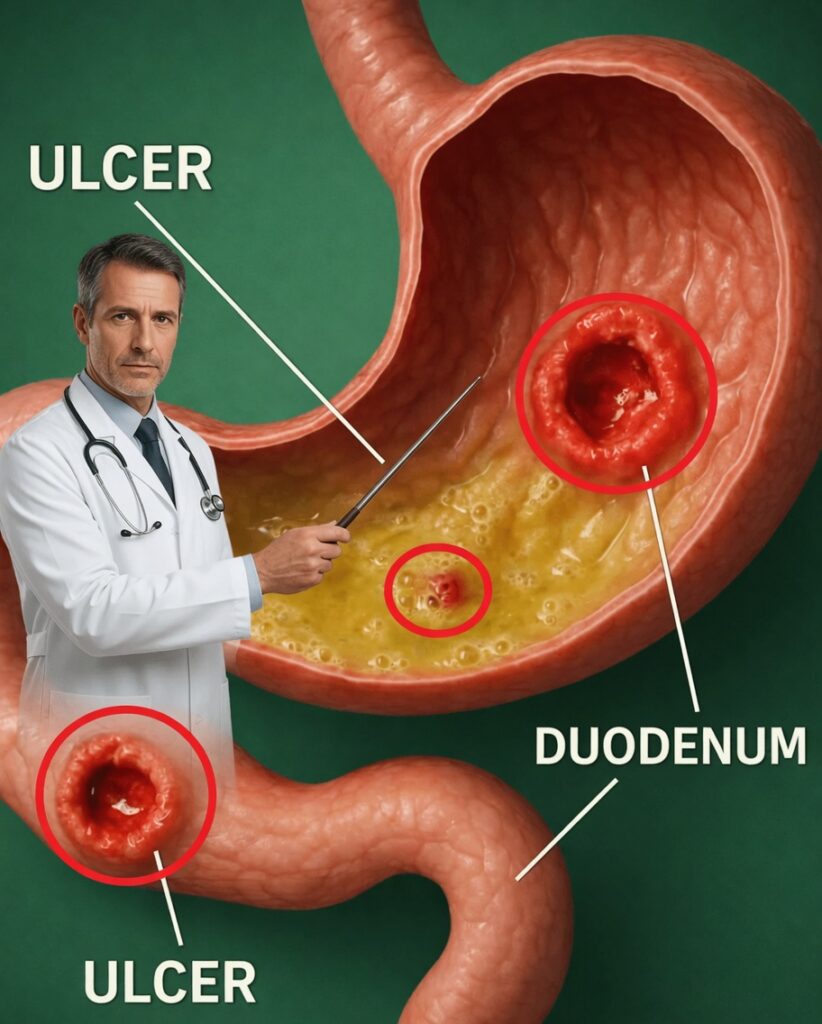
A peptic ulcer—an open sore in the lining of the stomach or the upper portion of the small intestine—can be exhausting to live with, especially when pain returns even while you’re taking medication. Many people discover that everyday meals and routines seem to trigger flare-ups, leading to more discomfort, nighttime burning, or slower recovery.
Diet is not usually the root cause of ulcers. The most common drivers are H. pylori infection and long-term NSAID use. Still, what you eat—and how you eat—can aggravate a sensitive digestive lining, making healing harder. Guidance consistent with major medical sources (such as Mayo Clinic and WebMD) suggests that avoiding common irritants can make symptom control easier during the healing phase.
The encouraging part is that small, realistic adjustments often help. Below are the foods and habits that frequently interfere with ulcer healing, plus practical alternatives to try.
Why Certain Foods and Routines Can Keep an Ulcer Irritated
Ulcers develop when the digestive tract’s protective mucus layer weakens, allowing stomach acid to damage the tissue underneath. Anything that:
- increases acid production,
- irritates the ulcer directly, or
- slows digestion and keeps acid in the stomach longer,
can extend inflammation and make symptoms more persistent.
There is no single “perfect ulcer diet” for everyone, because triggers vary from person to person. However, several patterns show up repeatedly, and many are easy to overlook.
1. Milk: The “Soothing” Drink That Can Backfire
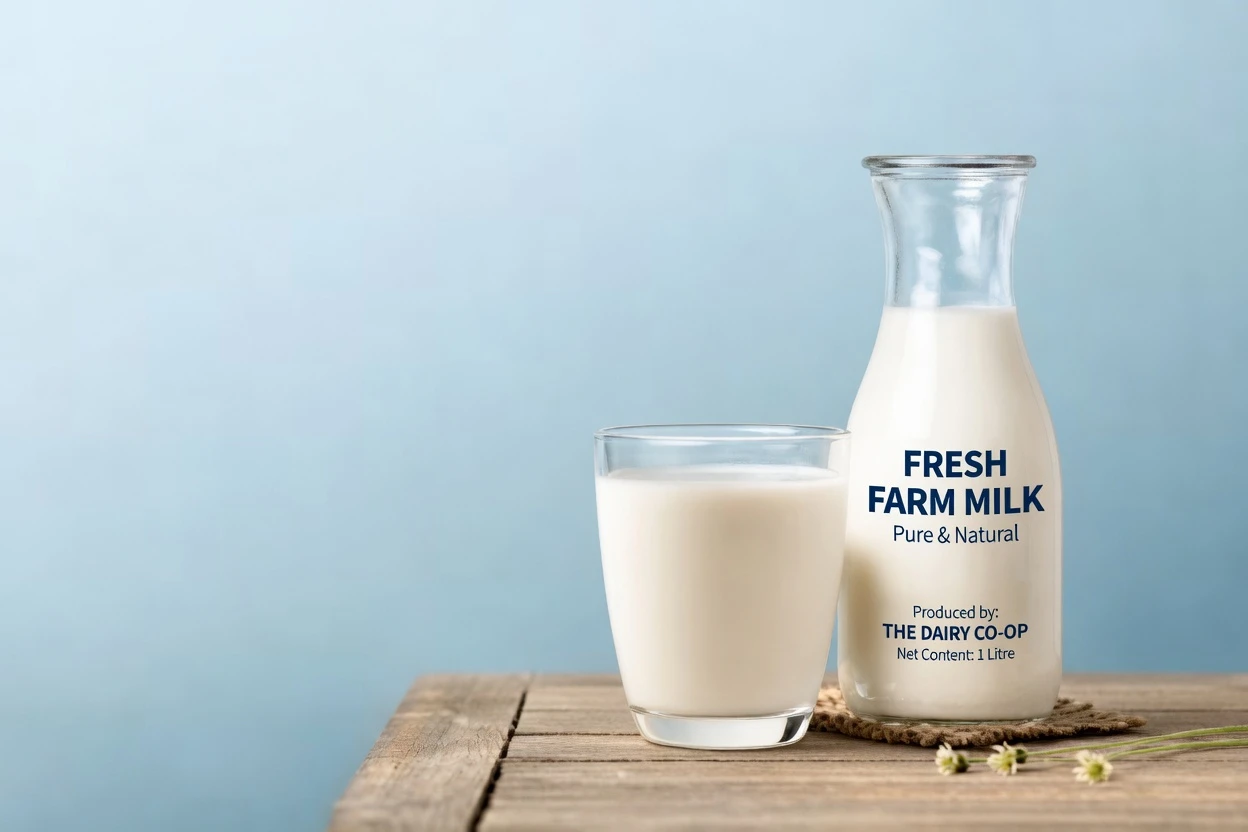
Milk has a long reputation as a stomach soother. It may feel calming at first because it temporarily coats the stomach lining and slightly buffers acid. The problem is what happens later: milk’s calcium, protein, and fat can stimulate the stomach to produce more acid, sometimes causing a rebound effect a few hours afterward—often when you’re trying to sleep.
Many people notice a familiar pattern: quick relief, followed by worse burning later, especially overnight.
What to try instead
- If milk seems to trigger symptoms, reduce your portion size or choose lower-fat options.
- During flare-ups, consider avoiding milk altogether and track whether symptoms improve.
- Pay attention to your personal response—tolerance differs widely.
2. NSAIDs: Pain Relievers That Commonly Worsen Ulcers
Nonsteroidal anti-inflammatory drugs (NSAIDs) such as ibuprofen, naproxen, diclofenac, and even low-dose aspirin are well-known ulcer risk factors. They reduce prostaglandins—natural compounds that help protect the stomach lining—making tissue more vulnerable to acid.
If you already have an ulcer, continuing NSAIDs (especially regularly or on an empty stomach) can delay healing and raise the risk of complications.
What to do
- Speak with your clinician about safer pain relief options, such as acetaminophen, if appropriate.
- Only use NSAIDs if your healthcare provider recommends them, often alongside protective medication (for example, a proton pump inhibitor).
3. Very Hot or Very Cold Foods and Drinks
Extreme temperatures can irritate an already inflamed area. For some people:
- very hot coffee, tea, soup, or freshly cooked dishes increase burning on contact,
- ice-cold drinks or foods cause discomfort or cramping sensations.
A gentler approach
- Choose lukewarm or room-temperature foods and beverages while healing.
- Let hot drinks cool before sipping, and skip icy options if they trigger pain.
4. Chocolate: A Frequent Trigger During Active Symptoms
Chocolate isn’t just a sweet treat—it contains compounds (including caffeine-like stimulants) that may:
- increase acid output, and/or
- relax the lower esophageal sphincter, allowing acid to move upward and worsen burning sensations.
Even if chocolate doesn’t affect everyone, it is commonly reported as a trigger during active ulcer phases.
Better options
- Postpone chocolate until symptoms settle.
- If cravings hit, try a carob-based alternative and see whether it feels easier on your stomach.

5. Eating Close to Bedtime
Late-night eating keeps your stomach active while you’re lying down. Without gravity helping keep acid lower in the stomach, irritation can feel stronger, which is why ulcer pain often peaks at night or early morning.
Simple habit upgrade
- Finish your last meal or snack at least 3 hours before bed.
- If you must eat later due to schedule, keep it small and bland, and remain upright afterward.
6. Fatty or Fried Foods
High-fat meals take longer to digest. That can lead to:
- prolonged stomach activity,
- longer exposure to acid, and
- continued irritation as acid repeatedly contacts the ulcer site.
Fried foods can be especially difficult because the oils add to the digestive workload.
Easy swaps
- Choose lean proteins (fish, chicken, eggs).
- Use lighter cooking methods such as baking, grilling, steaming, or boiling.
- Keep rich sauces and creamy dishes for later, once healing is underway.
More Ulcer-Friendly Choices to Support Healing
Avoiding triggers matters, but choosing gentler foods can also help you feel more stable day to day.
Often better tolerated (many people do well with these):
- Lean proteins: chicken, fish, eggs
- Low-acid fruits: bananas, apples, melon
- Vegetables: carrots, zucchini, leafy greens
- Whole grains (moderate portions)
- Probiotic foods like yogurt if you tolerate dairy
Common items to reduce during flare-ups (especially if they bother you):
- Spicy foods
- Citrus and acidic juices
- Tomatoes and tomato-based sauces
- Caffeine (coffee, colas, energy drinks)
- Alcohol
- Any personal trigger foods you notice consistently
A practical tool: keep a simple food and symptom diary for 7 days to identify your most reliable triggers.

Action Steps You Can Start Today
- Eat smaller meals more often to avoid overfilling the stomach.
- Chew thoroughly and eat slowly to support digestion.
- Stay upright for 30–60 minutes after meals.
- Reduce stress with gentle movement, breathing exercises, or relaxing hobbies (stress doesn’t cause ulcers, but it can amplify symptoms).
- Stop smoking if applicable—smoking significantly delays ulcer healing.
- Work with your healthcare provider on medications and testing (including evaluation for H. pylori).
Key Takeaway: Healing Works Best With Medication + Daily Habits
Peptic ulcer recovery isn’t only about prescriptions—your routine plays a major role in keeping the area calm enough to heal. By reducing common irritants such as milk (rebound acid effect), NSAIDs, extreme food temperatures, chocolate, late-night eating, and fatty/fried meals, many people experience fewer flare-ups and better symptom control. Consistency matters, and improvement often comes from steady, manageable changes.
FAQ
What are the safest drinks for people with peptic ulcers?
Water is usually the best choice. Many people tolerate non-caffeinated herbal tea (lukewarm) and low-acid juices in small amounts. If they worsen symptoms, avoid alcohol, coffee, carbonated drinks, and citrus beverages.
Do stress or spicy foods cause ulcers?
Current evidence shows ulcers are most commonly caused by H. pylori or NSAIDs, not stress or spicy foods. However, stress and spicy meals can intensify symptoms for some people who already have an ulcer.
How long does it take to feel better after changing diet and habits?
With appropriate medical treatment and reduced irritation, many people notice symptom relief within days to weeks. Complete healing commonly takes 4–8 weeks, sometimes longer depending on the cause and severity. Follow your clinician’s plan closely.
Disclaimer
This article is for informational purposes only and does not replace professional medical advice. Consult a qualified healthcare provider for diagnosis and personalized guidance, especially before changing your diet or stopping any medication.