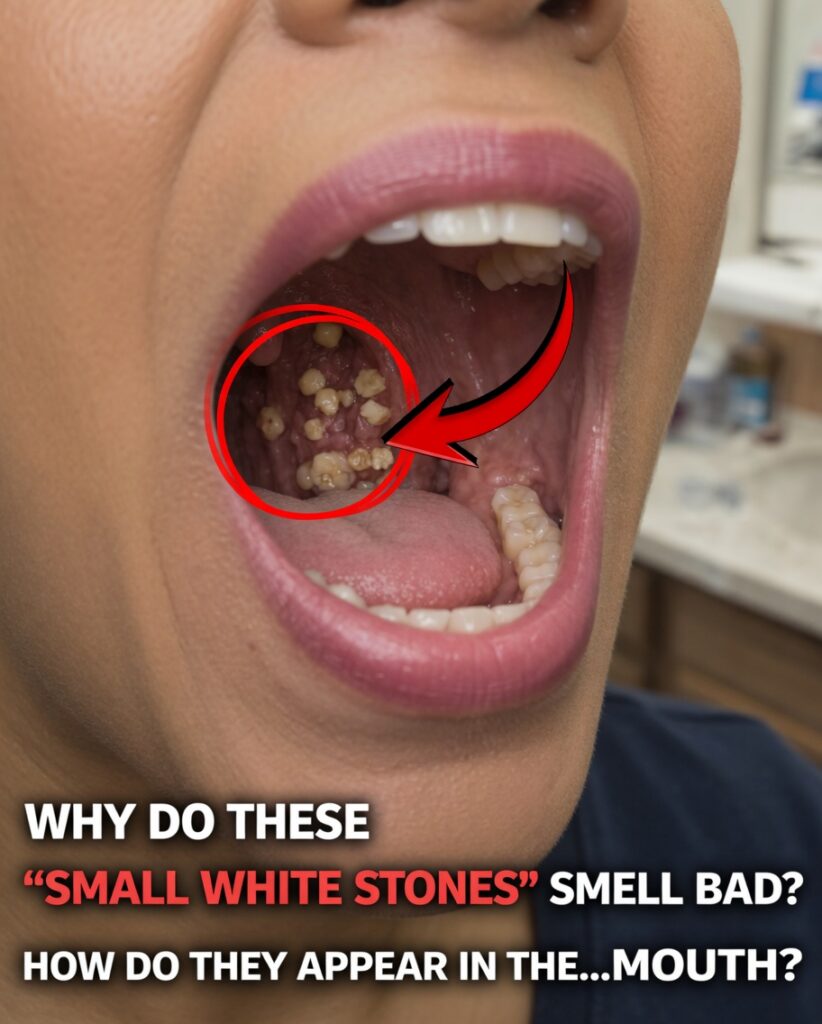
You cough or clear your throat, and a tiny hard lump—white or yellowish—suddenly comes out. The smell is immediate: sharp, unpleasant, and hard to ignore. Even after brushing twice or using strong mouthwash, the odor can stick around. If this keeps happening and you feel embarrassed by bad breath despite good oral care, tonsil stones (also called tonsilloliths) may be the missing explanation. These small deposits often sit deep at the back of the throat, where routine hygiene can’t easily reach.
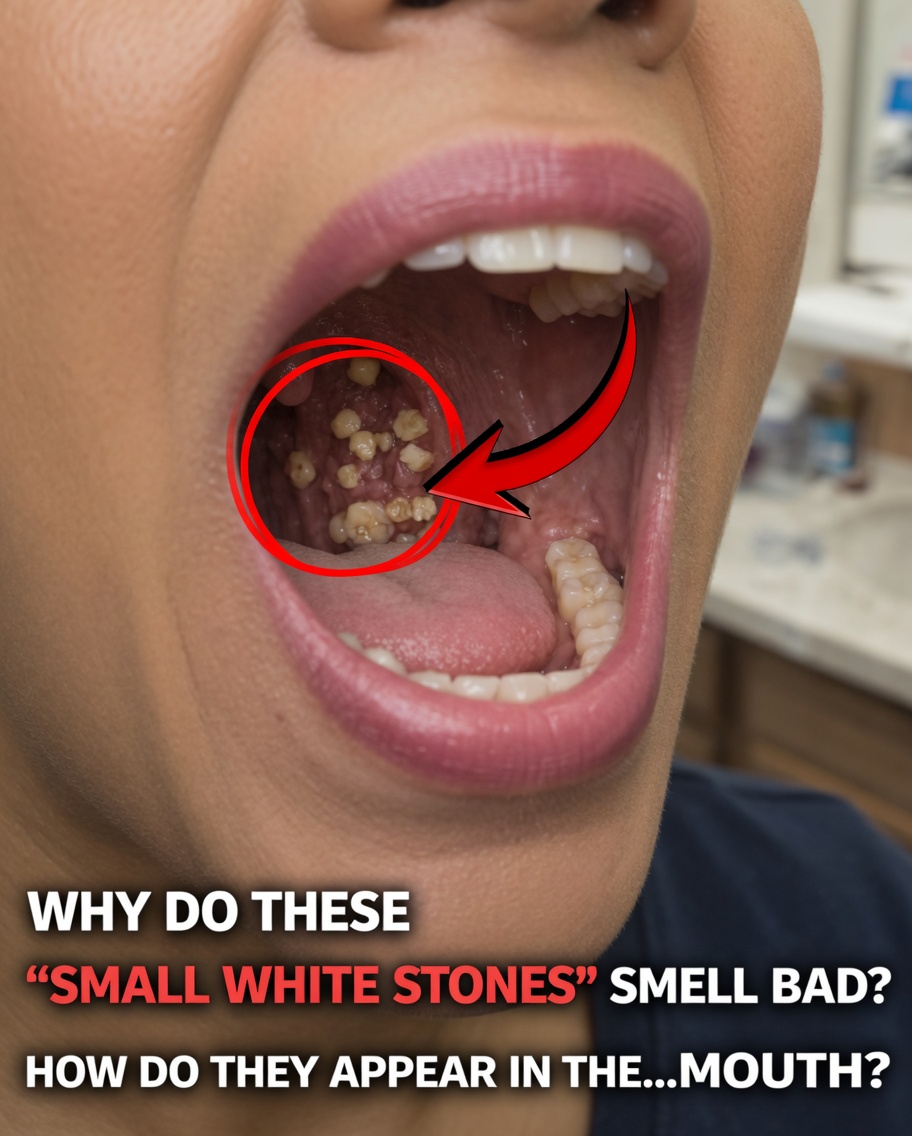
What Are Tonsil Stones?
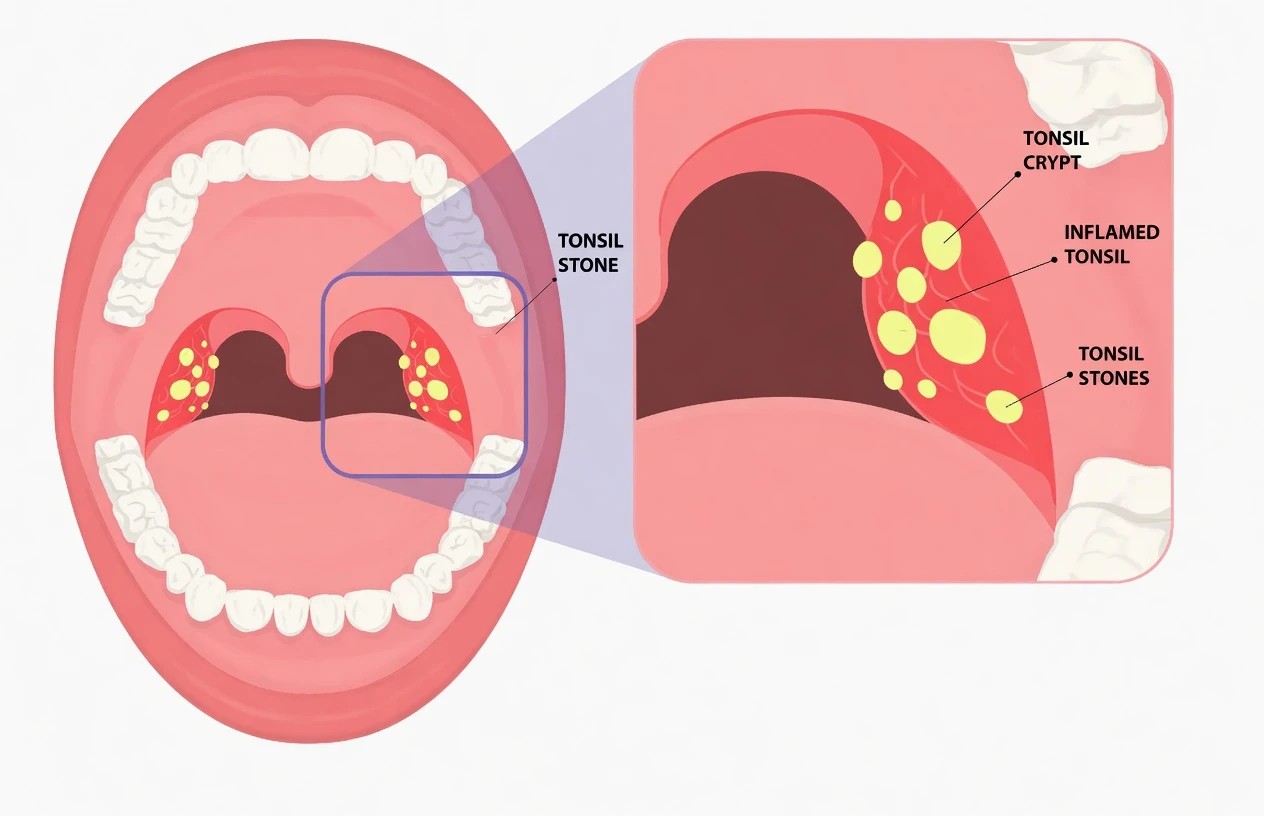
Tonsil stones develop inside the natural grooves of the tonsils, known as tonsil crypts. These pockets can collect:
- Food particles
- Dead cells from the lining of the mouth
- Mucus
Over time, anaerobic bacteria (bacteria that thrive in low-oxygen environments) break down this trapped material. Meanwhile, minerals in saliva—especially calcium and phosphorus—can solidify the buildup into firm, calcified deposits.
Studies describe tonsil stones as a mix of bacterial biofilm and mineral salts. They may be barely noticeable (like a grain of rice) or larger (closer to a pea). Some people get them rarely, while others experience them often, largely due to the shape and depth of their tonsil crypts.
Why Tonsil Stones Smell So Bad
The strongest complaint isn’t usually the stone itself—it’s the odor. Bacteria inside tonsil stones produce volatile sulfur compounds (VSCs), which are the same gases responsible for “rotten egg” breath in certain cases of halitosis.
Research involving people with chronic tonsil issues has linked tonsil deposits to increased VSC levels, and findings show that having stones can significantly raise the likelihood of abnormal breath measurements.
Even one small stone can create a stubborn sulfur-like smell that overpowers typical brushing and rinsing. Mouthwash often fails because it doesn’t reach deep into the crypts, where the bacteria and debris are concentrated.
8 Common Signs You May Have Tonsil Stones (Even If You Don’t See Them)
Many people live with symptoms for years without realizing the cause. These are among the most frequently reported signs:
- Ongoing bad breath that brushing, flossing, and mouthwash don’t fully resolve
- A persistent bad taste or metallic taste, especially toward the back of the mouth
- Feeling like something is stuck in your throat, or frequent throat clearing
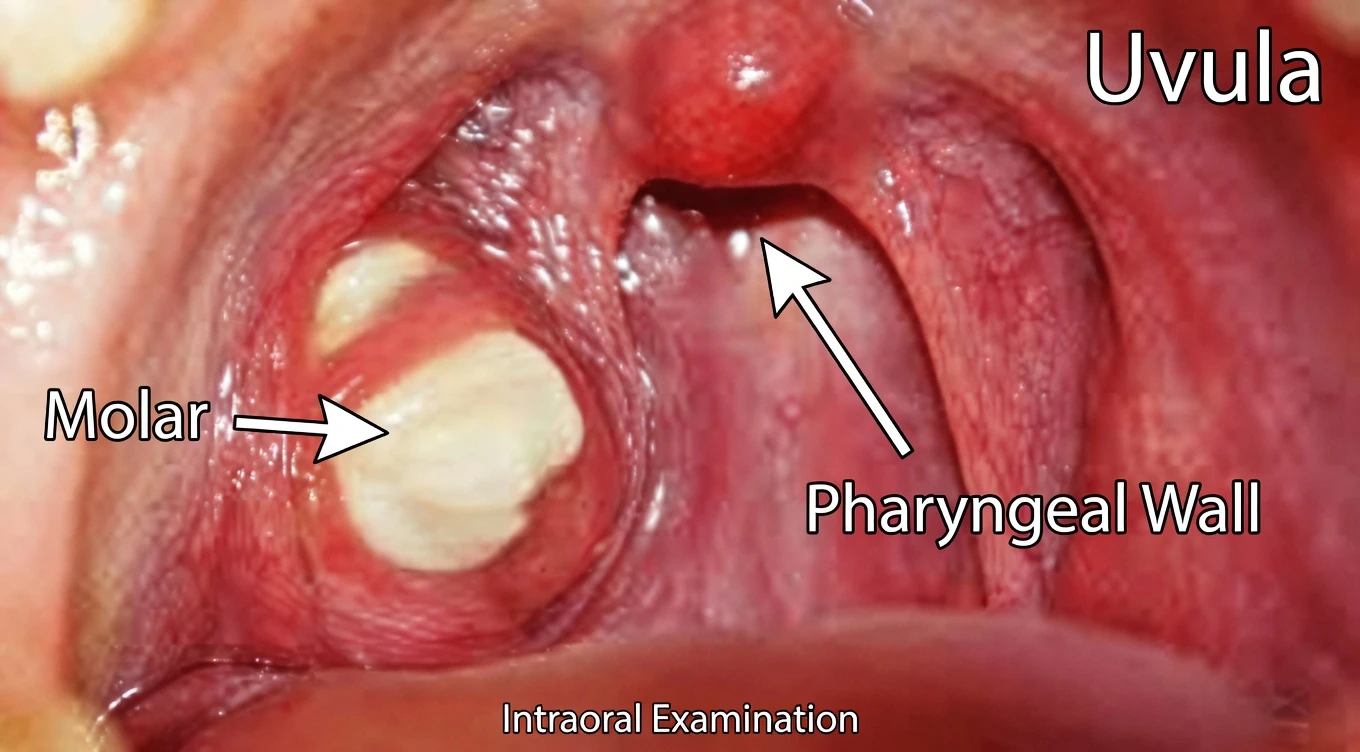
- White or yellow spots on the tonsils
- Ear discomfort or pain (due to shared nerve pathways)
- Mild but recurring sore throat or throat irritation
- Occasionally coughing up small, hard lumps
- Sometimes difficulty swallowing
If several of these apply to you, tonsil stones may be contributing—even if your tonsils look mostly normal at a quick glance.
Who Is Most Likely to Get Tonsil Stones?
Tonsil stones are not automatically a sign of poor hygiene. For many, anatomy is the main factor. You may be more prone if you have:
- Large tonsils or deeply pitted (cryptic) tonsils that trap debris
- A history of frequent tonsillitis or repeated childhood throat infections
- Post-nasal drip from allergies or sinus problems
- Dry mouth, whether from dehydration or certain medications
Some studies estimate tonsil stones may affect up to 10% of people, with higher rates among those with larger crypts. They’re often noticed more by teens and young adults, but they can occur at any age.
How to Manage Tonsil Stones at Home (Safely)
Many people reduce stone formation and improve breath with consistent, gentle routines. The key is avoiding irritation or injury.
Gentle Removal (Only If the Stone Is Visible)
If a stone is clearly near the surface, these approaches are commonly used:
- Use a clean cotton swab to apply gentle pressure around the area (avoid pushing deeply).
- Try a low-pressure water flosser/oral irrigator, aimed carefully toward the tonsil.
- Follow up by coughing or forceful gargling to help dislodge loosened debris.
Avoid sharp tools and don’t dig into the tonsil crypts—this can cause bleeding, inflammation, or infection.
Daily Prevention Habits That Often Help
A simple routine can keep crypts clearer over time:
- Gargle at night with warm salt water (about 1/2 teaspoon salt in 8 oz warm water).
- Use an oral irrigator on the lowest setting to rinse the tonsil area gently.
- Drink enough water throughout the day to reduce dry mouth.
- Brush your tongue daily to lower bacterial load.
- If post-nasal drip is a factor, consider saline nasal rinses.
Many people report noticeably fresher breath and fewer stones within 1–2 weeks of consistent effort.
A Simple “Natural Spray” Some People Use
Some individuals try a light homemade throat spray, such as:
- Warm water
- A small pinch of salt
- A few drops of food-grade peppermint essential oil (or grapefruit seed extract, if available)
Spray gently toward the back of the throat a few times per day. This may help loosen debris gradually for some people, though results vary and sensitivities can occur.
When to See a Doctor or ENT Specialist
Tonsil stones are usually harmless, but professional evaluation is important if you notice any red flags, including:
- Stones larger than a small pea (about 5–6 mm)
- Bleeding, or swelling that persists—especially on one side
- Frequent infections or recurring sore throats
- Symptoms that seriously impact comfort, sleep, or confidence
An ENT specialist can remove stones more thoroughly and discuss longer-term strategies. In severe, recurring cases, tonsillectomy may be considered.
Quick Comparison of Common Options
-
Mouthwash alone
- Bad breath relief: temporary
- Stone removal: no
- Prevention: limited
- Cost: low
-
Salt water gargles + hydration
- Bad breath relief: yes
- Stone removal: sometimes
- Prevention: good
- Cost: very low
-
Gentle oral irrigation
- Bad breath relief: yes
- Stone removal: yes
- Prevention: very good
- Cost: low
-
Professional evaluation
- Bad breath relief: yes
- Stone removal: yes
- Prevention: long-term options available
- Cost: higher
For many, a nightly routine of salt-water gargling plus gentle rinsing makes a noticeable difference.
Final Thoughts
If tonsil stones have been affecting your confidence, you’re far from alone. They are a common hidden cause of stubborn bad breath, especially when normal oral hygiene doesn’t solve the problem. In many cases, it’s your tonsil structure—not poor habits—that makes stones more likely. With careful daily care and the right routines, a lot of people successfully keep tonsil stones under control and enjoy fresher breath again.
FAQ
Can tonsil stones disappear on their own?
Yes. Smaller stones often fall out naturally through swallowing, coughing, or gargling. Consistent prevention habits can make this happen more frequently.
Do tonsil stones always mean infection?
No. They’re typically hardened debris rather than an active infection. However, fever, significant swelling, or severe pain should be checked by a clinician to rule out infection.
Will a tonsillectomy permanently stop tonsil stones?
Often, yes. Removing the tonsils eliminates the crypts where stones form. Tonsillectomy is usually reserved for cases that are severe, recurrent, or significantly disruptive.
Disclaimer
This content is for informational purposes only and does not replace medical advice. If you have persistent symptoms, pain, swelling, or concerns, consult a qualified healthcare professional.