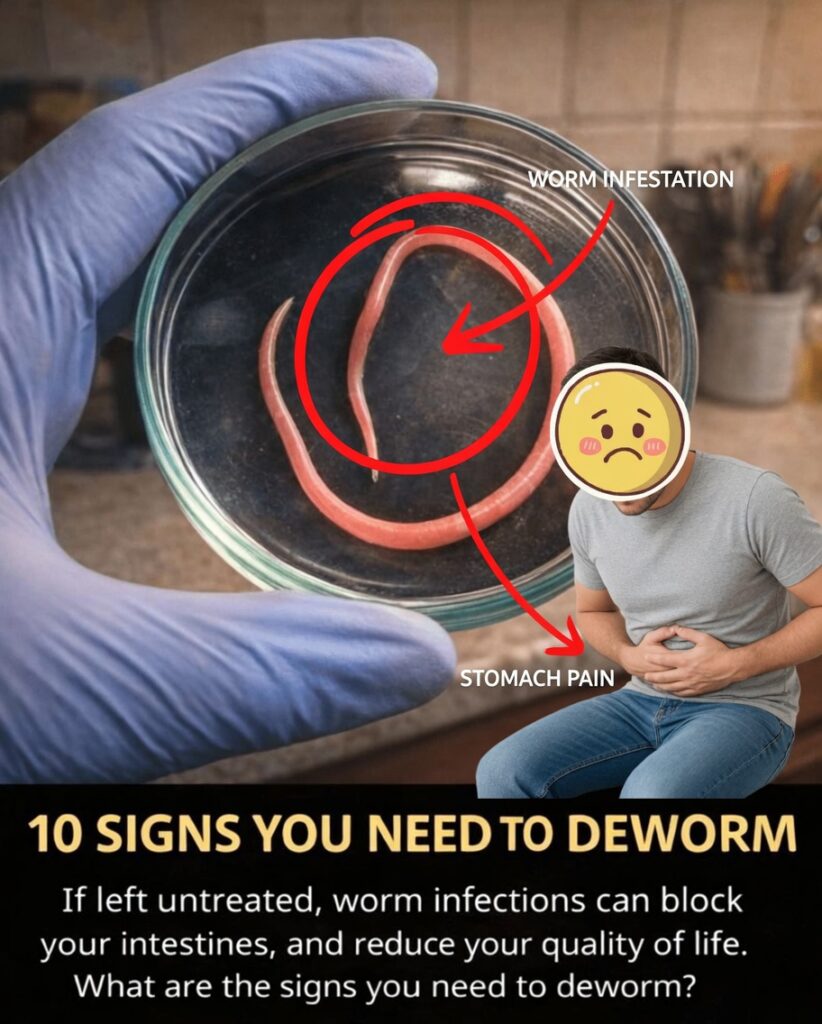
You might be eating as usual yet still losing weight, dealing with stubborn bloating that never fully settles, or feeling exhausted day after day. Some people also experience an uncomfortable itch in intimate areas—often worse at night. Problems like these can disrupt sleep, reduce daily energy, and leave you wondering what’s happening inside your digestive system.
Intestinal worm infections (also known as intestinal parasites or parasitic worm infections) are more widespread than many people assume. Global health authorities, including the World Health Organization (WHO), estimate that these infections affect millions of people worldwide—and they can occur in many settings, not only where hygiene is poor. The most helpful first step is learning to recognize possible early warning signs and seeking medical advice before symptoms escalate.
By the end of this article, you’ll also find practical, everyday actions you can start today to support better gut awareness and reduce exposure risk.
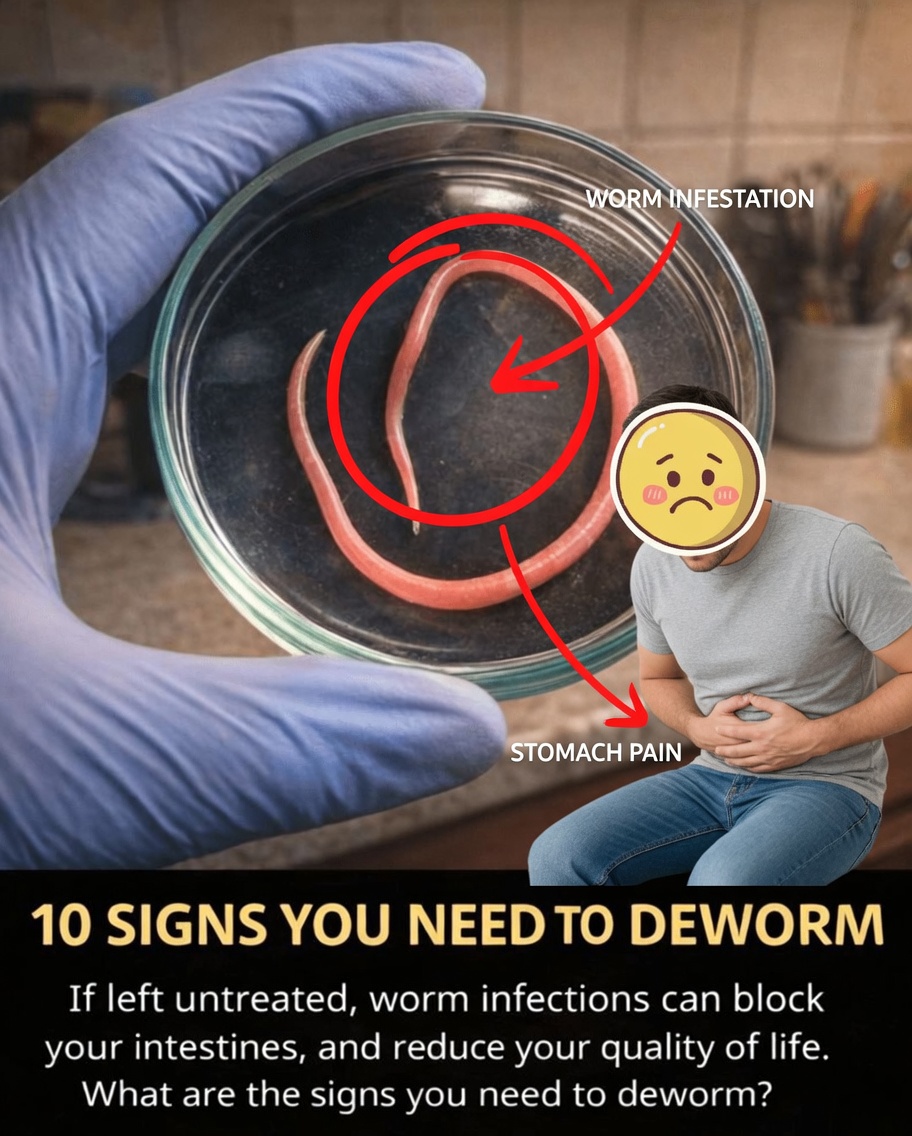
Why Intestinal Parasites Are More Common Than Most People Think
Parasitic worms—such as pinworms, roundworms, hookworms, and tapeworms—can live in the intestines and gradually interfere with digestion and nutrient absorption. Information from reputable medical sources (including organizations like the WHO and major clinical institutions) suggests that a significant portion of the global population is affected, with higher rates in regions facing challenges with clean water and sanitation. Still, exposure is possible almost anywhere through:
- Contaminated food or drinking water
- Contact with soil
- Pets and animals
- Travel
- Poorly washed produce or undercooked foods
Many infections remain mild—or cause no obvious symptoms—for a long time. When symptoms do appear, they can look like stress, dietary intolerance, or IBS, which is one reason they’re often overlooked. However, when several signs show up together, the pattern becomes harder to ignore.
10 Signs That May Point to an Intestinal Worm Infection
1. Unexplained Weight Loss
Losing weight without changing your diet or routine can be concerning. Intestinal worms may take in nutrients your body needs—such as proteins, carbohydrates, vitamins, and minerals—reducing what you actually absorb. Even with “normal eating,” nutrient loss can contribute to gradual, unexplained weight reduction.
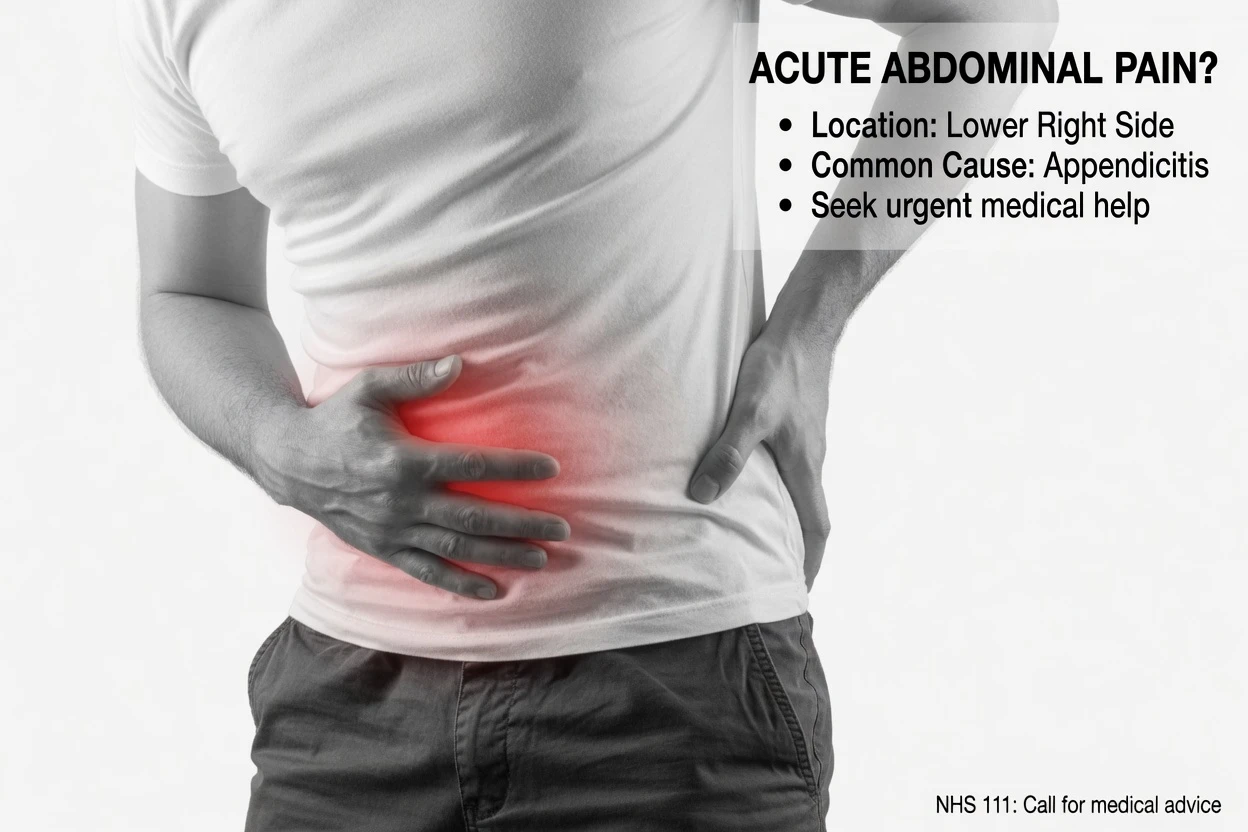
2. Persistent Bloating and Abdominal Discomfort
Ongoing bloating, gas, or a heavy “full” feeling—especially when it doesn’t improve with simple dietary changes—may occur when parasites irritate the intestinal lining. This irritation can lead to cramping, pressure, and excess gas that lingers for weeks.

3. Anal Itching, Especially at Night
This is a well-known sign, particularly with pinworms. Itching around the anus often becomes more intense at night, when worms may lay eggs on surrounding skin. The discomfort can disturb sleep and may worsen due to scratching. While commonly associated with children, adults can experience it as well.
4. Ongoing Fatigue and Low Energy
Constant tiredness—even after adequate sleep—can happen when parasites compete for important nutrients like iron and B vitamins. Over time, this may contribute to weakness, low stamina, brain fog, and difficulty concentrating.
5. Unusual Hunger or Frequent Cravings
Some people notice they feel unusually hungry soon after eating or develop persistent cravings. If nutrients are being diverted, your body may signal “hunger” even when calorie intake hasn’t changed, sometimes affecting perceived blood sugar balance and satisfaction after meals.
6. Irregular Digestive Patterns
Parasite-related irritation can contribute to inconsistent bowel habits, including:
- Diarrhea or constipation
- Alternating loose and hard stools
- Mucus in stool
- Unpredictable flare-ups that come and go
Common overlaps people report include:
- Excessive gas or belching
- Abdominal cramping after certain foods
- Occasional nausea (without vomiting)
7. Unexplained Skin Problems
Skin reactions such as rashes, hives, widespread itching, or eczema-like flare-ups may occur as part of the immune system’s response to parasite byproducts. In some cases, skin symptoms appear alongside digestive complaints.
8. Teeth Grinding at Night (Bruxism)
Sudden onset nighttime grinding or jaw clenching has been mentioned in some reports as potentially associated with sleep disruption and nervous system irritation. It’s more frequently discussed in children, though adults may experience it too. This sign alone is not diagnostic, but it can be one piece of a broader symptom pattern.
9. Signs of Nutrient Deficiencies
Even with a generally balanced diet (or supplements), nutrient shortfalls can develop when absorption is impaired. Possible clues include:
- Pale skin
- Thinning hair
- Brittle nails
- Getting sick more often than usual
Commonly discussed deficiencies include iron, vitamin B12, vitamin A, and zinc.
10. Frequent Illness or Slow Recovery
Chronic parasite burden may strain the body through inflammation, toxin exposure, and nutrient depletion. As a result, some people notice they catch colds more easily, take longer to recover, or feel persistently “run down.”
Everyday Ways People Get Exposed to Intestinal Parasites
You don’t need “bad hygiene” to encounter parasites. Common real-world exposure routes include:
- Eating undercooked or raw meat and fish
- Consuming unwashed fruits and vegetables
- Drinking contaminated water
- Gardening or direct soil contact (including walking barefoot)
- Close contact with pets or animals
- Traveling to areas where infections are more common
Understanding these sources helps explain why intestinal parasites can affect a wide range of people.
Practical Steps You Can Take Today for Better Gut Awareness
Only a qualified healthcare professional can diagnose and treat a parasite infection. Still, these habits can support digestive health and help reduce exposure risk:
-
Wash hands thoroughly
Especially after using the bathroom, handling pets, touching soil, and before eating. -
Clean produce carefully
Rinse and scrub fruits and vegetables under running water; peel when appropriate. -
Cook meat and fish properly
Use a food thermometer to confirm safe internal temperatures. -
Choose safe drinking water
Use filtered or boiled water when traveling or when water quality is uncertain. -
Keep your home environment clean
Hot-water laundry (especially underwear and bedding) and regular vacuuming can reduce spread—particularly important with pinworm concerns. -
Track symptoms
Note patterns like when bloating worsens, fatigue peaks, or itching appears. A symptom journal can help your clinician. -
Consider a medical check-up if symptoms persist
If multiple signs continue, ask a healthcare provider about appropriate evaluation (such as stool testing).
Why These Symptoms Are So Often Missed
Many parasite-related symptoms are vague and intermittent. People may blame stress, food sensitivity, or a busy lifestyle—especially when discomfort comes and goes. However, when digestive issues occur alongside fatigue, itching, skin reactions, or nutrient-deficiency signs, it’s wise to seek professional evaluation to confirm or rule out intestinal parasites.
Final Thoughts
Intestinal worm infections are more common than most people expect, and they can gradually affect digestion, energy, and overall well-being. Paying attention to your body’s signals can help you act earlier. If several of the signs in this article sound familiar, the smartest next step is to speak with a trusted healthcare professional for proper testing and guidance.
Frequently Asked Questions
What causes intestinal worm infections?
Most infections occur after swallowing parasite eggs or larvae from contaminated food, water, soil, or surfaces—often linked to inadequate handwashing or undercooked foods.
Can intestinal parasites go away on their own?
Some mild cases may improve, but many infections can persist without treatment and may continue causing symptoms or lead to complications.
Who is most at risk?
Anyone can be exposed. Risk tends to increase with travel, gardening or soil contact, close contact with animals, and living in or visiting areas with limited sanitation. Children may show symptoms more clearly, especially with pinworms.
Disclaimer: This article is for informational purposes only and does not provide medical advice, diagnosis, or treatment. Always consult a qualified healthcare professional for guidance about symptoms or health concerns.