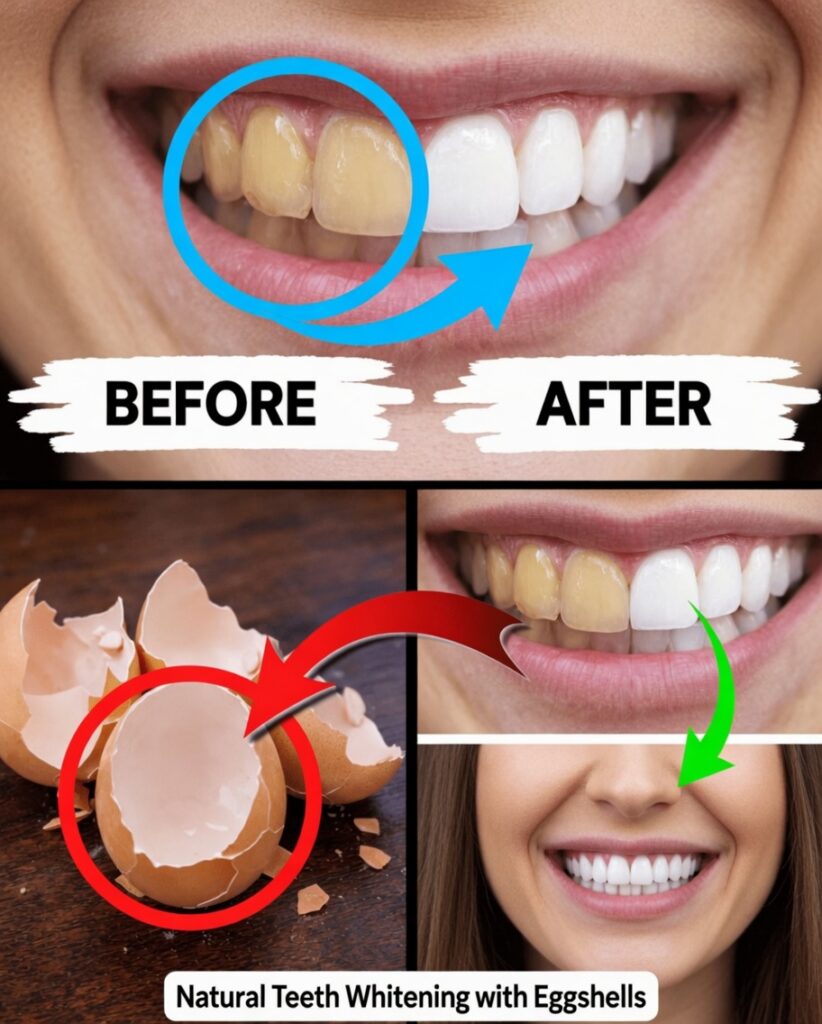
Why Teeth Look Duller Over Time—and a Simple Kitchen-Based Idea
Many adults find that their teeth gradually look less bright with age. Everyday choices—such as drinking coffee, tea, or red wine—can leave pigments on the tooth surface, and natural aging can make discoloration more noticeable. As a result, people may feel less comfortable smiling in photos, during meetings, or at social gatherings. Surveys and consumer dental reports consistently rank tooth staining among the most common smile-related concerns.
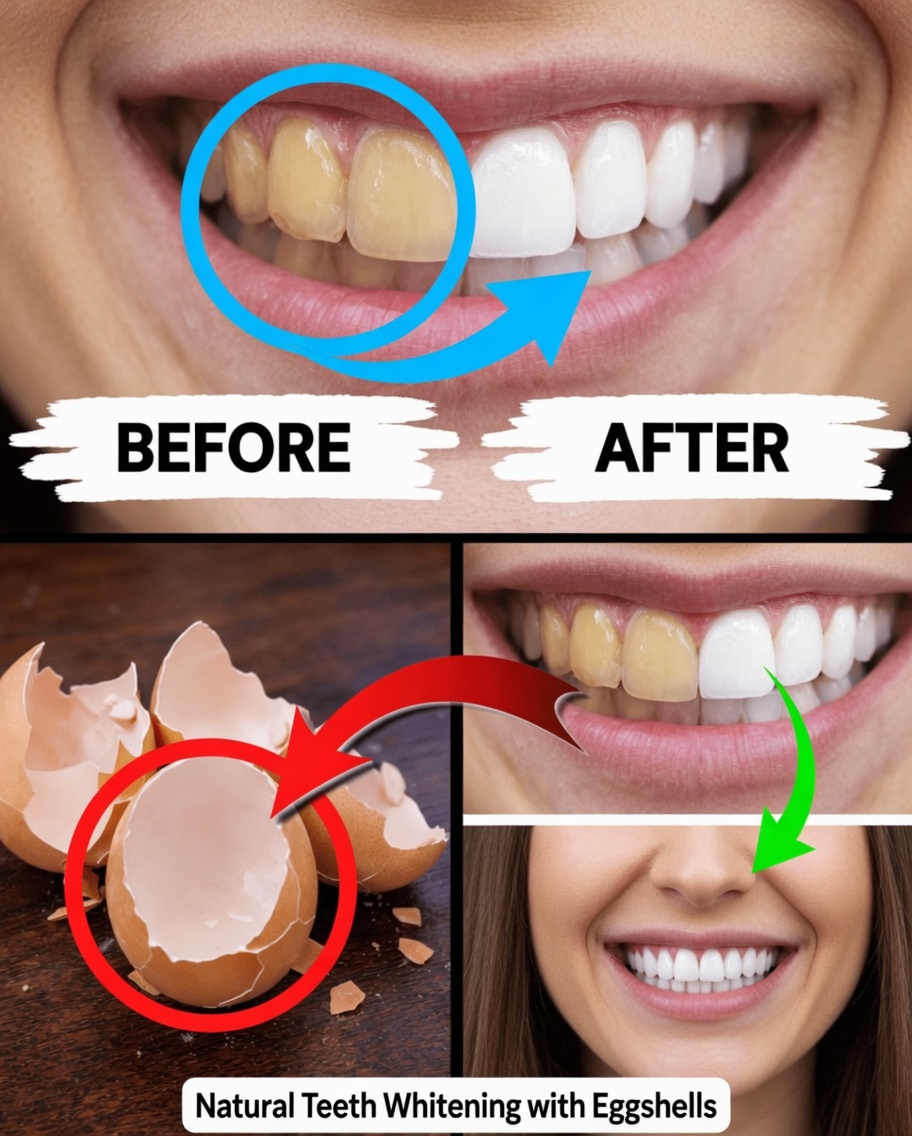
The encouraging part is that some low-cost, home-friendly options are being discussed as supportive add-ons to oral hygiene—not as miracle cures. One of the more interesting ideas is eggshell powder, a household material rich in calcium carbonate, which may offer gentle polishing and enamel-supporting minerals. Researchers have even evaluated eggshell-derived powders for remineralization potential, including after tooth bleaching.
This article explains how eggshell powder may fit into a practical oral care routine, what science suggests so far, and how to prepare it as safely as possible at home.
The Common Problem: Surface Stains and Enamel Changes
Tooth color changes for more than one reason:
- Enamel gradually becomes thinner as we get older, which can make the naturally yellow dentin underneath more visible.
- Acidic foods and drinks may soften the surface slightly, allowing stains to cling more easily.
- Dark beverages and tobacco can cause extrinsic (surface) discoloration that builds up over time.
Beyond cosmetic concerns, enamel strength matters for comfort and protection. While many people choose commercial whitening, others prefer gentler approaches focused on polishing and mineral support rather than aggressive bleaching.
Eggshells are mostly calcium carbonate—an ingredient already found in some toothpastes—so they’re often discussed as a mild abrasive combined with mineral content. Laboratory research on eggshell-based materials suggests they may improve certain enamel surface characteristics under controlled conditions.
Why Eggshell Powder Is Being Studied in Oral Care
Eggshells contain roughly 95% calcium carbonate, plus small amounts of calcium phosphate and other trace minerals. When ground into a very fine texture, eggshell powder can function as a gentle polishing agent, helping lift extrinsic stains from common sources like coffee, tea, and tobacco.

Scientific interest has grown around eggshell powder and eggshell-derived compounds (including nano-hydroxyapatite) for their possible role in remineralization. Studies in dental research literature have explored whether these materials can support:
- Improved enamel microhardness after challenges such as bleaching or erosion
- Reduced surface roughness, which may make it harder for stains to adhere
- Mineral replenishment, supporting natural repair processes at the enamel surface
Key mechanisms often discussed in research include:
- Gentle polishing action: Fine particles can help remove surface stains with abrasion similar in concept to calcium carbonate used in some toothpastes.
- Mineral support: Calcium ions may contribute to the remineralization environment, especially on microscopic surface defects.
- Potential pH buffering: Eggshell components may help reduce acidity, which can be beneficial because acidic conditions encourage enamel wear and staining.
A repeated takeaway from multiple in-vitro studies: eggshell-based materials may perform comparably to some established remineralizing agents in specific lab models. However, real-world results depend heavily on individual habits, brushing technique, and baseline enamel condition.
Eggshell Powder vs. Popular Whitening Methods
People use many strategies to brighten teeth. Here’s how eggshell powder is commonly positioned compared with other approaches:
-
Whitening strips and gels (peroxide-based)
- Pros: Can lighten deeper discoloration
- Cons: May cause temporary sensitivity; overuse can irritate teeth and gums
-
Activated charcoal
- Pros: Strong stain removal through abrasion
- Cons: Can be too abrasive for frequent use; limited evidence for enamel-support benefits
-
Baking soda
- Pros: Mild abrasive, inexpensive
- Cons: Provides little mineral support by itself
-
Eggshell powder (used carefully)
- Pros: Mild abrasion + calcium-based mineral content; very low cost
- Cons: Requires proper cleaning and grinding; should be used only occasionally
Comparison overview
-
Whitening strips/gels
- Abrasion: Low
- Remineralization support: Minimal
- Cost: Medium–high
- Common drawbacks: Sensitivity, overuse risks
-
Charcoal powder
- Abrasion: High
- Remineralization support: Low
- Cost: Low
- Common drawbacks: Potential enamel wear if used often
-
Baking soda
- Abrasion: Medium
- Remineralization support: Low
- Cost: Very low
- Common drawbacks: No added minerals
-
Eggshell powder
- Abrasion: Mild (when finely ground)
- Remineralization support: Promising (calcium-based)
- Cost: Minimal
- Common drawbacks: Must be prepared correctly; not for daily use
How to Prepare Eggshell Powder Safely at Home
Because eggshells are a food byproduct, cleanliness and careful preparation are essential. Also, consider eggshell powder an occasional add-on—not a replacement for fluoride toothpaste.
Recommended frequency: 2–3 times per week maximum, using a very gentle brushing technique.
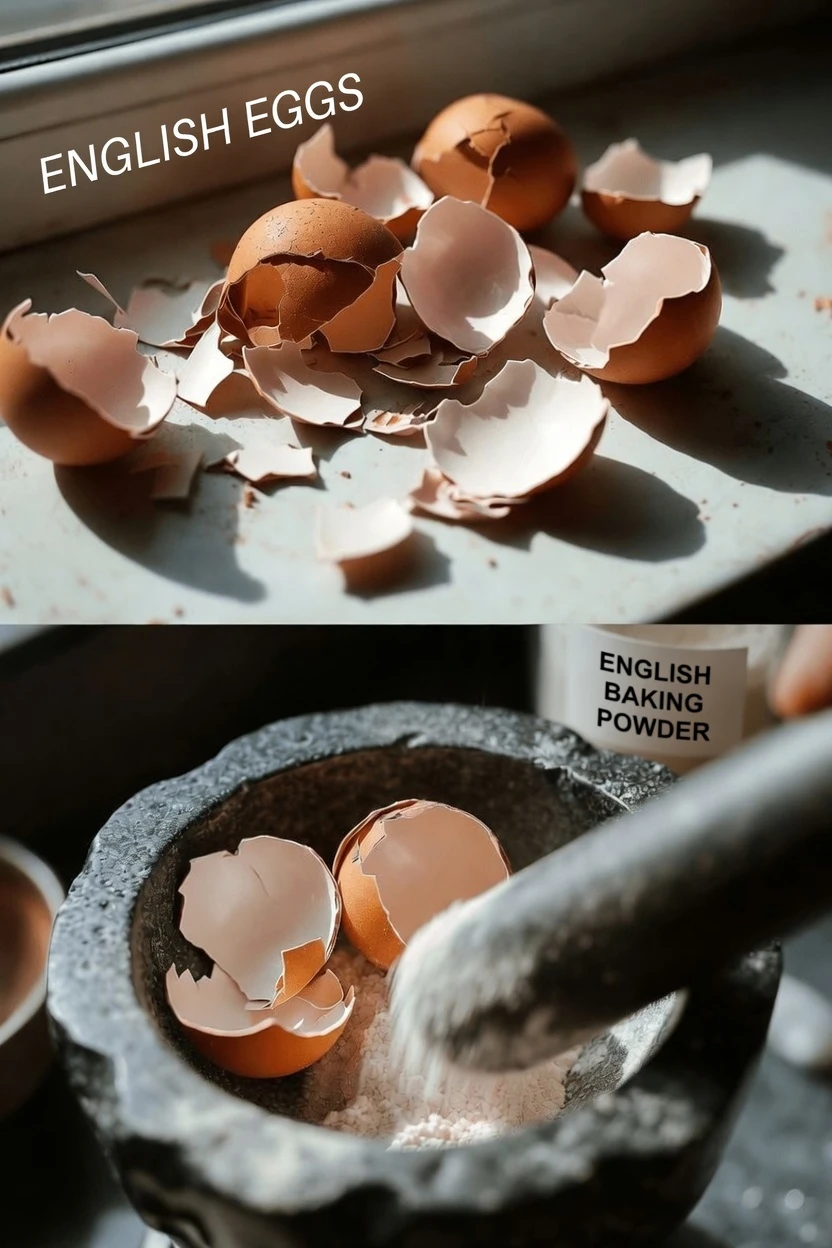
Step-by-step eggshell powder preparation
-
Collect eggshells
- Use shells from boiled or thoroughly cooked eggs.
- Remove the inner membrane if you prefer (some leave it, but removing it can make grinding easier).
-
Rinse and dry completely
- Rinse well under clean water.
- Let the shells air-dry fully.
- Optional: bake at low heat (~200°F / 93°C for about 10 minutes) to reduce moisture and support sanitation. Avoid high temperatures that may alter the material.
-
Grind into a very fine powder
- Use a coffee grinder, mortar and pestle, or blender.
- The goal is a silky, flour-like texture to reduce the risk of scratching enamel.
-
Store correctly
- Keep the powder in an airtight container.
- A clean shaker-style jar can make dispensing easier.
How to use eggshell powder on teeth (gently)
-
Mix a small pinch with:
- a drop of water, or
- a small amount of your regular toothpaste
-
Brush lightly for 1–2 minutes, focusing on stained areas.
-
Rinse thoroughly.
Optional: Add a tiny amount of baking soda for extra mild polishing, but avoid frequent use and keep the mixture gentle.
Important: If you notice sensitivity, gum irritation, or discomfort, stop using it and speak with a dentist.
Habits That Support a Brighter, Healthier Smile
Eggshell powder is only one small piece of the picture. For more consistent results, prioritize these evidence-based habits:
- Brush twice daily using fluoride toothpaste
- Reduce frequent exposure to stain-causing drinks, or use a straw when appropriate
- Drink water throughout the day to support saliva flow
- Chew sugar-free gum to stimulate saliva (a natural cleanser)
- Schedule routine dental visits for professional cleanings and personalized guidance
Used thoughtfully, eggshell powder may complement these habits by helping with surface polishing and supporting a mineral-friendly environment.
Conclusion: Is Eggshell Powder Worth Adding to Your Routine?
Eggshell powder is an accessible, low-cost option that may help with surface stain removal and potentially support enamel remineralization based on laboratory research. Still, outcomes differ from person to person, and it works best as an occasional addition to a consistent oral care routine—not as a substitute for professional advice or fluoride-based products.
If you decide to try it, focus on proper preparation, fine grinding, gentle brushing, and moderate frequency.
Frequently Asked Questions
Is eggshell powder safe to use on teeth every day?
Daily use is not recommended. Even mild abrasives can contribute to wear if used too often. Limit use to 2–3 times per week, and brush gently.
Can eggshell powder replace professional whitening?
No. Eggshell powder mainly supports surface polishing and mineral support. For deeper, dramatic whitening results, professional dental treatments are more appropriate.
When might I notice a difference?
If your discoloration is mostly surface staining, you may see subtle improvement within days to a few weeks with consistent gentle use and good daily habits.
Disclaimer
This article is for informational purposes only and does not replace professional dental advice. Eggshell powder is not a medical treatment. Consult a dentist or qualified healthcare professional before trying new oral care methods—especially if you have tooth sensitivity, existing dental conditions, or concerns about enamel wear. Individual results may vary.