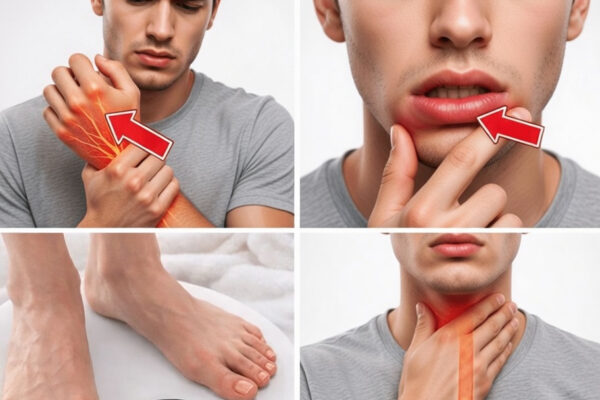
Rethinking Right-Side Sleeping: A Small Change That Can Improve Your Night
Plenty of people naturally fall asleep on their right side night after night because it feels familiar and comfortable. In many cases, it’s perfectly fine. However, if you often deal with nighttime heartburn, restless sleep, or mornings that feel slow and foggy, your sleep position may be quietly making things worse.
Side sleeping is extremely common—more than 60% of adults prefer it—but which side you choose can affect digestion, reflux, pressure points, and overall comfort. The encouraging part is that a simple switch in how you lie down may help you sleep more deeply and wake up feeling more refreshed.
Why Sleep Position Becomes More Important After Age 30
After 30, subtle body changes tend to show up: digestion may feel less “effortless,” occasional indigestion becomes more likely, and everyday stress can accumulate. Many people still spend 7–8 hours in bed yet wake up unrefreshed—bloated, sore, or low on energy.
A key reason is that gravity interacts with your anatomy differently depending on how you sleep. The placement of the stomach, the shape and angle of the esophagus, and the positioning of major organs can influence:
- Acid movement (and reflux)
- Circulation and pressure on tissues
- Joint loading on shoulders and hips
Right-side sleeping isn’t automatically “bad,” but for people prone to reflux or discomfort, it can increase nighttime disturbances and fragment sleep.
1) Right-Side Sleeping Can Intensify Heartburn and Acid Reflux
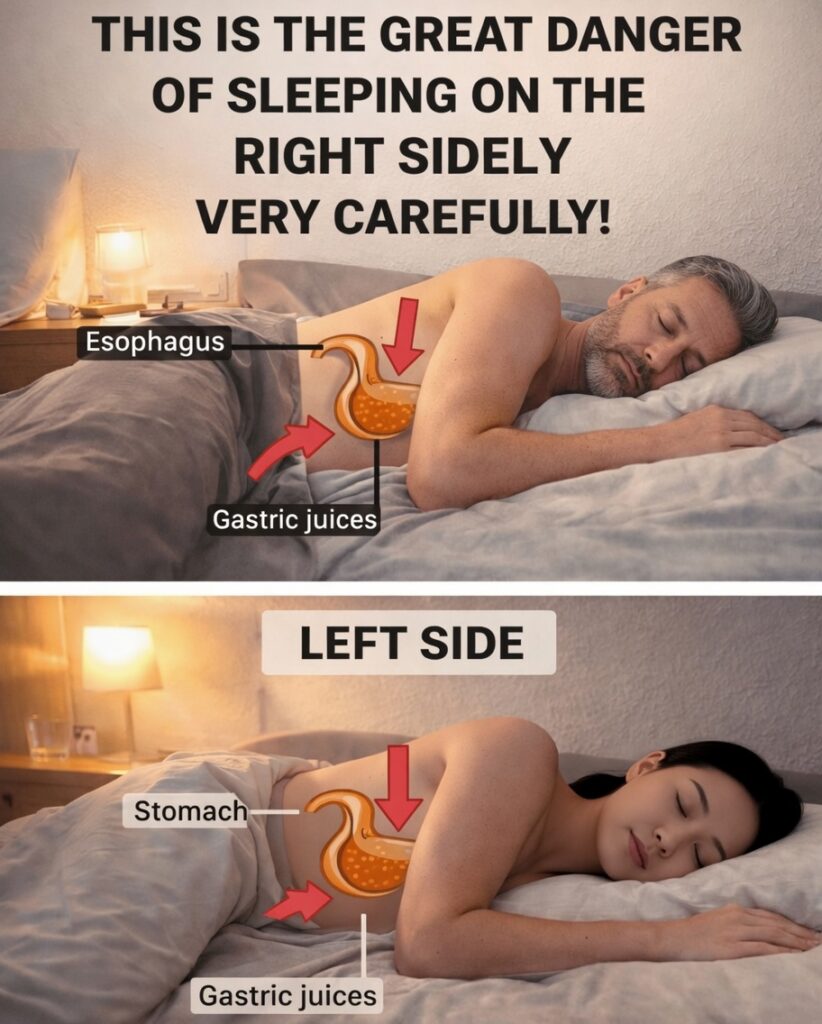
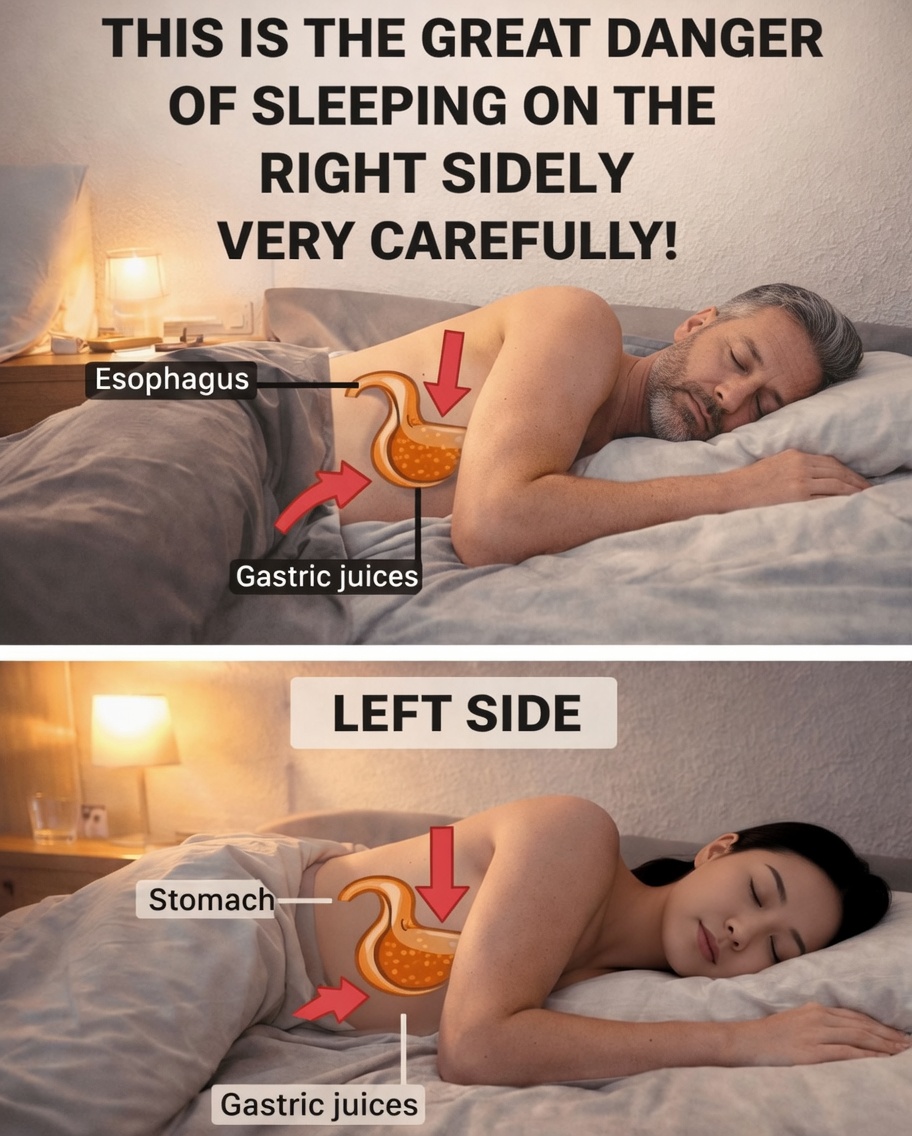
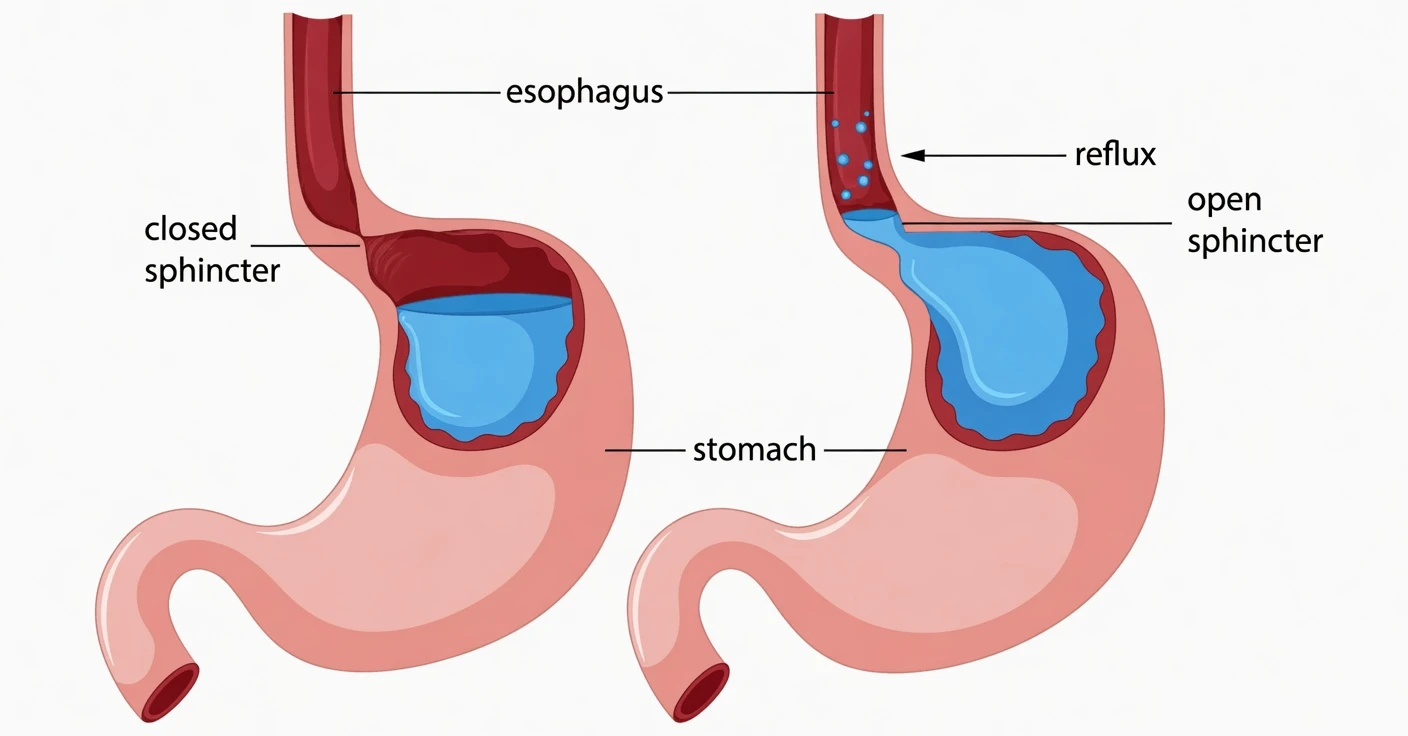
If you’ve ever woken up with chest burning or a sour taste, you’ve experienced classic nighttime reflux symptoms. Evidence—including findings reported in a 2022 paper in The American Journal of Gastroenterology—suggests sleeping on the right side is associated with longer acid exposure in the esophagus compared with sleeping on the left. In practical terms, acid may clear more slowly, leading to more awakenings.
Sleeping on the left side often helps because stomach position and gravity work together to reduce the likelihood of acid flowing upward and to improve clearance when reflux happens.
Anecdotally, many people notice the difference quickly—like a professional in her 40s who reported fewer indigestion wake-ups after switching away from right-side sleeping.
2) It May Contribute to Slower Overnight Digestion and Morning Bloating
Your digestive system doesn’t stop at bedtime. For some people, left-side sleeping better supports the natural curve and flow of the gastrointestinal tract, allowing gravity to assist movement.
By contrast, lying on the right side may feel “heavier” for sensitive stomachs and can be linked with waking up sluggish or bloated. This won’t affect everyone dramatically, but people with easily irritated digestion often detect a change.
3) Increased Pressure on Certain Organs
The right side of the body houses the liver, and right-side sleeping can make some people feel compressed around the upper abdomen. Even if it isn’t painful, it can reduce comfort and lead to more repositioning overnight.
Switching sides periodically can help distribute pressure more evenly.
4) Breathing, Snoring, and Airway Comfort Can Vary by Side
Sleeping on either side is generally better for airway openness than sleeping on the back. Still, some people find that right-side sleeping doesn’t provide the same subtle breathing ease they get on the left, especially if mild snoring or brief breathing pauses are already an issue.
If you wake up with a dry mouth, feel unrefreshed, or your partner reports snoring, it may be worth testing the left side to see whether sleep becomes smoother.
5) Repeated Strain on the Same Shoulder and Hip
Always sleeping on the right can gradually create more load on the right shoulder and hip. Over time, that may translate into:
- Morning stiffness
- Local soreness
- A sense of imbalance in the neck, upper back, or hips
Alternating sides (and improving pillow support) often reduces “one-sided” wear and tear.

Right-Side vs. Left-Side Sleeping: A Quick Comparison
-
Heartburn/Acid reflux
- Right side: may prolong symptoms and acid exposure
- Left side: often reduces exposure and improves clearance (supported by multiple studies, including 2022 findings)
-
Digestion
- Right side: may slow overnight transit for some people
- Left side: more often supports gravity-assisted movement
-
Pregnancy comfort
- Right side: can increase pressure on major veins in some cases
- Left side: commonly recommended to support circulation
-
Joint pressure
- Both sides can strain joints if you never change positions
- Alternating sides and using pillows helps balance load
-
Breathing
- Individual, but left-side sleeping is sometimes reported as slightly easier
A Quick Check-In Before You Continue
Consider this for a moment: On a scale from 1–10, how refreshed do you typically feel in the morning? If discomfort or wake-ups are common, tracking your sleep position for a week can reveal patterns you didn’t notice before.
6) Heart Health: Important Exceptions and Individual Needs
For most people, side sleeping doesn’t meaningfully affect heart function. Some research has observed minor ECG variations depending on the side, and certain medical situations may call for specific positioning. If you have heart disease, arrhythmias, or any cardiac concerns, ask your clinician before making major sleep changes.
7) Side Sleeping and the Body’s Overnight “Cleanup” System
Side sleeping supports the body’s nighttime restoration processes, including the brain’s glymphatic (waste-clearance) activity. While both sides can be beneficial, research often highlights that side positioning in general is favorable compared with back sleeping.
8) Pregnancy: Why the Left Side Is Often Recommended
During pregnancy, right-side sleeping can place more pressure on the vena cava (a major vein), which may affect circulation for some people. Healthcare providers frequently recommend left-side sleeping to support blood flow to the uterus and help reduce swelling.
9) Long-Term Facial Pressure and Sleep Lines
When you press the same side of your face into a pillow every night, you may encourage uneven sleep lines over time. Switching sides and choosing a supportive pillow can help reduce repeated compression.
10–12) The Bigger Picture: How Small Disruptions Reduce Restorative Sleep
Right-side sleeping can compound several small issues—reflux flare-ups, joint pressure, digestive discomfort, or breathing changes. Even minor nightly interruptions can reduce access to deeper sleep stages (including REM and slow-wave sleep), leaving you feeling less restored even after “enough” hours in bed.
Practical Ways to Test a Better Sleep Position (Without Overhauling Everything)
Try a simple experiment for 7–14 days:
- Start the night on your left side to see whether reflux, wake-ups, or morning bloating improves.
- Place a pillow between your knees to keep hips aligned and reduce lower-back strain.
- Use a body pillow behind your back to discourage rolling onto the right side.
- Elevate slightly if needed with a wedge pillow—especially helpful for reflux.
- Track your results: number of wake-ups, morning energy, heartburn symptoms, stiffness, and overall comfort.
- Alternate when appropriate: if left-side sleeping helps digestion but causes shoulder fatigue, switch occasionally to avoid overuse.
Many people find the adjustment feels awkward for the first few nights, then becomes automatic—often with noticeably easier mornings.
Medical Note (Read This)
This article is for informational purposes only and is not a substitute for professional medical advice. Speak with a qualified healthcare provider before changing your sleep habits—especially if you have GERD, heart conditions, are pregnant, or experience ongoing pain.
FAQ
Is sleeping on my right side harmful for everyone?
No. Right-side sleeping works well for many people. But if you experience frequent heartburn, interrupted sleep, or morning bloating, testing left-side sleeping may help based on anatomy and published research.
How quickly might I notice a difference after switching sides?
Many people report changes within 3–7 nights, such as fewer wake-ups, less reflux, or improved morning comfort. Staying consistent makes adaptation easier.
Can I mix positions to get the benefits without discomfort?
Yes. Alternating sides can reduce pressure buildup, and supportive pillows can make either side more comfortable and sustainable.
Ready to Try Left-Side Sleeping Tonight?
If you routinely wake up with heartburn, feel puffy in the morning, or toss and turn, a left-side trial is a low-effort change worth testing. Save this guide and track your sleep for the next week—you may be surprised how much difference a small position shift can make.