
Why Your “Healthy” Oatmeal Might Still Leave You Bloated or Tired
Oatmeal is a go-to breakfast for a reason: it’s widely seen as nutritious, filling, and naturally high in fiber. Still, many people notice uncomfortable side effects—such as bloating, heaviness, or a mid-morning energy crash—even when they’re trying to eat well.
In most cases, the issue isn’t oatmeal itself. It’s the everyday choices around the type of oats you buy, how you prepare them, and what you add on top. With a few practical tweaks, your bowl can feel easier on digestion and support steadier energy through the morning.

The Hidden Problem With “Normal” Oatmeal Habits
As digestion and energy regulation become more sensitive with age, even healthy staples can feel hit-or-miss. Many adults experience occasional gut discomfort, and oatmeal often gets blamed—when the real culprit is how it’s prepared.
The good news is that most common oatmeal mistakes are simple to fix. Below are the most frequent oversights and the most effective, realistic upgrades.
Mistake #1: Not Paying Attention to Which Oats You’re Buying
Some conventional oats can contain trace residues from common agricultural practices, including herbicides such as glyphosate. Agencies like the FDA and EPA state that residue limits in food are regulated and considered safe when products are used as directed. However, consumer groups and various reports have found detectable levels in certain oat-based foods, which is why many people look for alternatives.
Organic oats are grown without synthetic pesticides. Nutritionally, the two types are broadly similar, though some analyses suggest organic options may contain slightly higher antioxidant levels.
Quick comparison:
- Conventional oats: typically cheaper, widely available, may include trace pesticide residues
- Organic oats: grown without synthetic pesticides, potentially lower residues, usually higher cost, supports more sustainable farming approaches
If you’re unsure where to start improving your routine, switching to organic oats can be an easy first experiment.
Mistake #2: Turning Oats Into a Sugar Bomb
Flavored instant packets or heavy spoonfuls of sugar can shift oatmeal from a balanced breakfast to one that encourages blood sugar swings. For many people, that shows up as cravings, poor focus, or fatigue by mid-morning.
Instead of relying on added sugar, use ingredients that bring flavor and sweetness more naturally:
- Fresh berries
- Sliced banana
- Cinnamon (often studied for potential support in healthy blood sugar management)
A small change in sweetness strategy can make a big difference in how stable your energy feels.
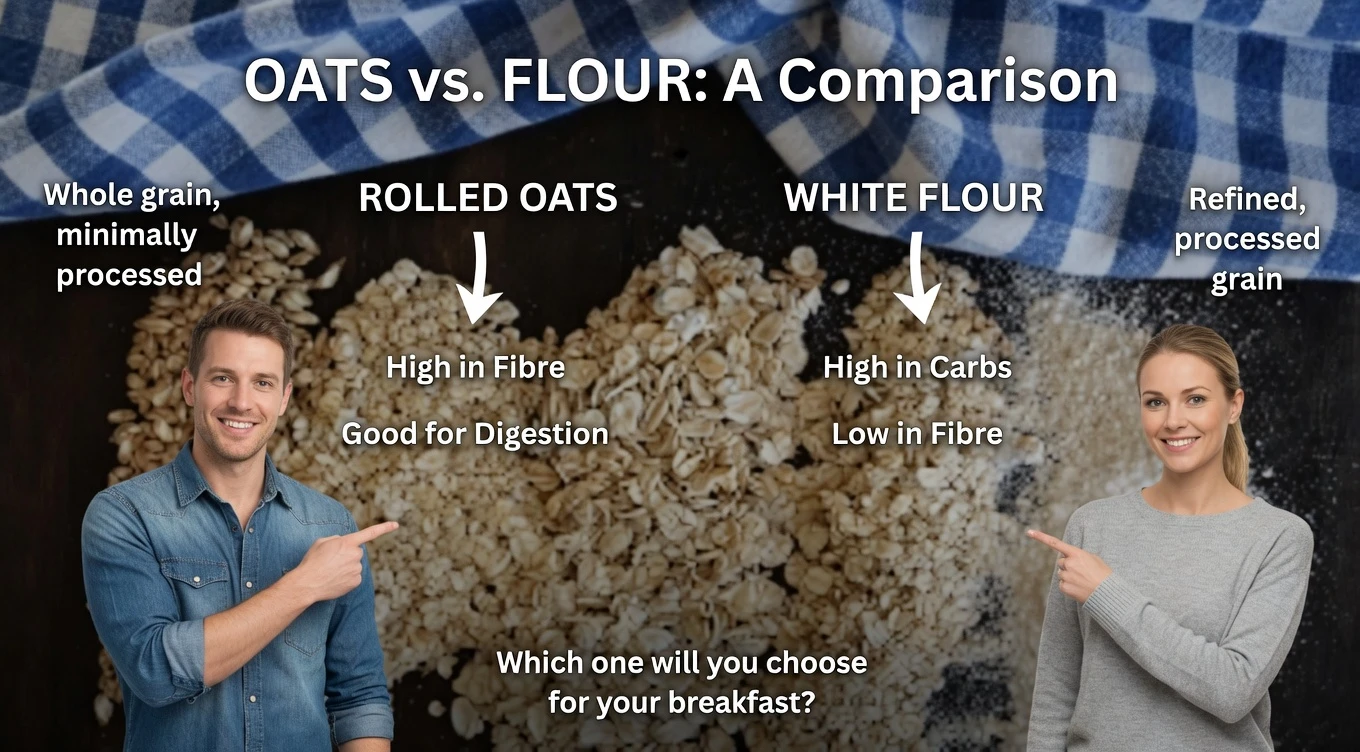
Mistake #3: Skipping Soaking or Overnight Preparation
Oats contain phytic acid, a naturally occurring compound that can bind to minerals (such as iron and zinc) and reduce how much your body absorbs. Soaking oats—especially overnight—can help activate natural enzyme activity that lowers phytic acid, improving mineral availability and often making oats feel gentler on the stomach.
An easy approach: overnight oats
- Combine rolled oats with milk, yogurt, or another liquid.
- Refrigerate overnight.
- Eat cold, or warm briefly if preferred.
Many people report improved comfort and steadier energy after adopting this habit.
Mistake #4: Eating High-Fiber Oats Without Enough Fluids
Oatmeal is rich in beta-glucan, a soluble fiber that absorbs water and forms a gel-like texture that supports digestion. But if you’re not drinking enough fluids, that same fiber can contribute to temporary bloating or sluggishness.
Support your fiber intake with hydration:
- Aim for roughly 8 glasses of water per day (adjust for body size, climate, and activity)
- Consider herbal tea with breakfast
- Drink a glass of water before your first bite to “prep” digestion

Mistake #5: Storing Oats the Wrong Way
Oats can absorb moisture and odors if they’re not sealed well. Over time, poor storage can reduce quality and, in worst cases, raise mold risk.
Best storage basics:
- Keep oats in an airtight container
- Store in a cool, dry pantry
- Check expiration dates and rotate stock so you’re using fresher oats
Fresh oats taste better—and they tend to deliver more consistent results.
Mistake #6: Adding Toppings That Cancel Out the Benefits
Oatmeal is at its best when paired with whole-food toppings. Ultra-processed add-ins and sugary mix-ins can make digestion harder and undermine the steady-energy advantage oats are known for.
Better pairing ideas include:
- Nuts and seeds
- Plain yogurt
- Fresh fruit
- Nut butter (in moderate portions)
When it comes to oatmeal, simpler combinations often work better.
Mistake #7: Overcooking Your Oats
Long, high-heat cooking can reduce some heat-sensitive nutrients, including certain B vitamins and antioxidants. If you prefer hot oatmeal, aim for gentler cooking methods.
Better options:
- Simmer just until creamy (instead of prolonged boiling)
- Use overnight oats and warm them briefly if you like them hot
Less heat often means better nutrient retention—and a better texture.
A Quick Self-Check (30 Seconds)
Ask yourself:
- Which of these habits show up in your current oatmeal routine?
- What’s the single easiest change you could try this week?
- How does your energy feel 2–3 hours after breakfast?
Small improvements are usually more sustainable than total overhauls.
What Optimized Oatmeal Can Do for Your Body
When prepared thoughtfully, oatmeal can support everyday wellness in several ways:
- Digestive support: beta-glucan can help feed beneficial gut bacteria, especially when hydration is adequate
- More stable energy: complex carbohydrates tend to release energy gradually, reducing spikes and crashes
- Heart health support: the FDA notes that 3g of beta-glucan daily from oats, as part of a diet low in saturated fat and cholesterol, may reduce the risk of coronary heart disease by supporting healthy cholesterol levels
- Greater fullness: pairing oats with protein and healthy fats can improve satiety and curb snacking
- Nutrient contribution: oats provide minerals such as manganese, phosphorus, and magnesium
Regular oat intake is frequently associated with wellness markers like cholesterol management and sustained energy—especially when the overall meal is balanced.
A Simple 4-Week Plan to Upgrade Your Oatmeal Routine
- Week 1: Try organic oats (if available) + start soaking or overnight oats
- Week 2: Add whole-food toppings (fruit, nuts) + increase water intake
- Week 3: Use gentler cooking methods + improve storage with airtight containers
- Week 4 and beyond: Rotate flavors and combinations to keep it enjoyable long-term
Bonus Add-Ins That Work Well
- Cinnamon for warm flavor and potential blood sugar support
- Berries for antioxidants and natural sweetness
- Nuts or seeds for healthy fats and staying power
- Yogurt-based overnight oats for a probiotic boost
Your Next Step: A Better Morning Starts Tonight
If you want oatmeal to work with your body instead of against it, you don’t need a major dietary reset. The biggest improvements usually come from small, consistent adjustments.
Start with one change tonight: soak your oats for tomorrow. Pay attention to digestion and energy, then build from there.
P.S. A reliable favorite is organic overnight oats topped with fresh berries and a pinch of cinnamon—simple, satisfying, and easy to repeat.