How Daily Habits Can Help Support a Stronger Spine and Healthier Bones
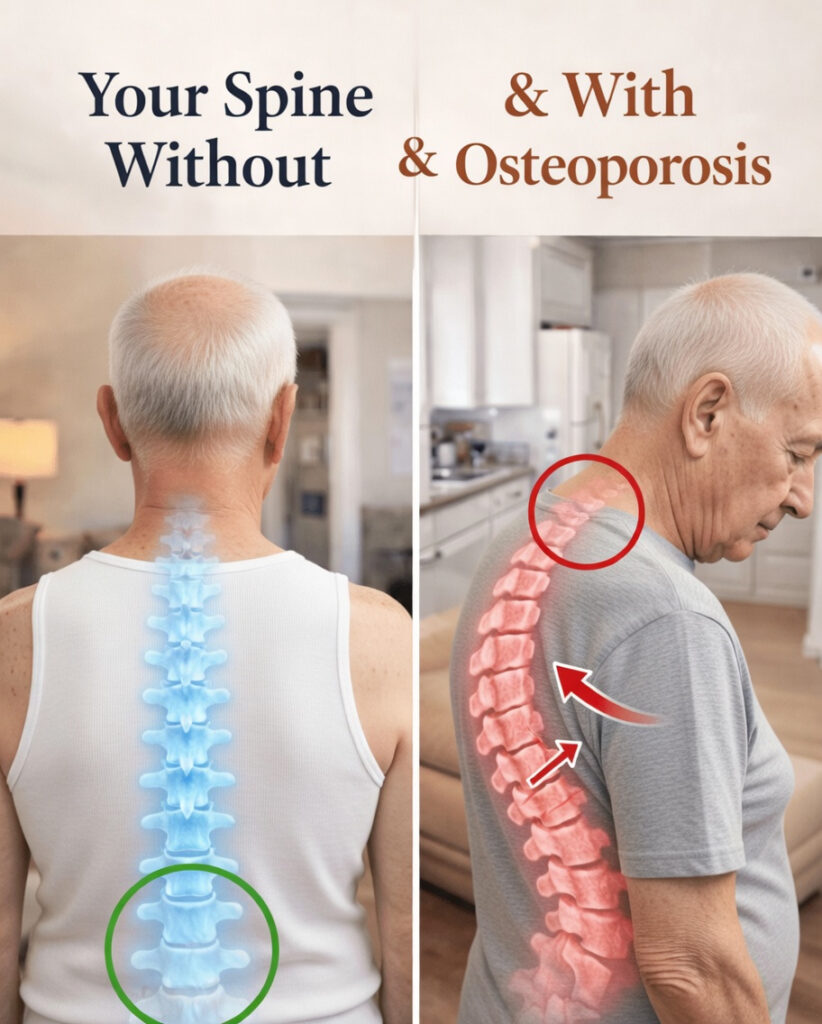
As people get older, it is common to feel more stiffness in the back and notice the shoulders starting to round forward. Movements that once felt effortless can gradually become uncomfortable. In many cases, this change is linked to reduced bone density in the spine, which may increase the risk of poor posture and fractures that affect everyday independence. Over time, this can interfere with simple pleasures and responsibilities, from sitting at a desk to walking comfortably or spending time with family.
The encouraging part is that a few consistent daily habits may help protect bone strength and improve spinal alignment. What surprises many people is that the best results often come from combining smart nutrition, regular movement, and greater posture awareness in ways that are easy to fit into daily life.
Understanding the Spine and Bone Health
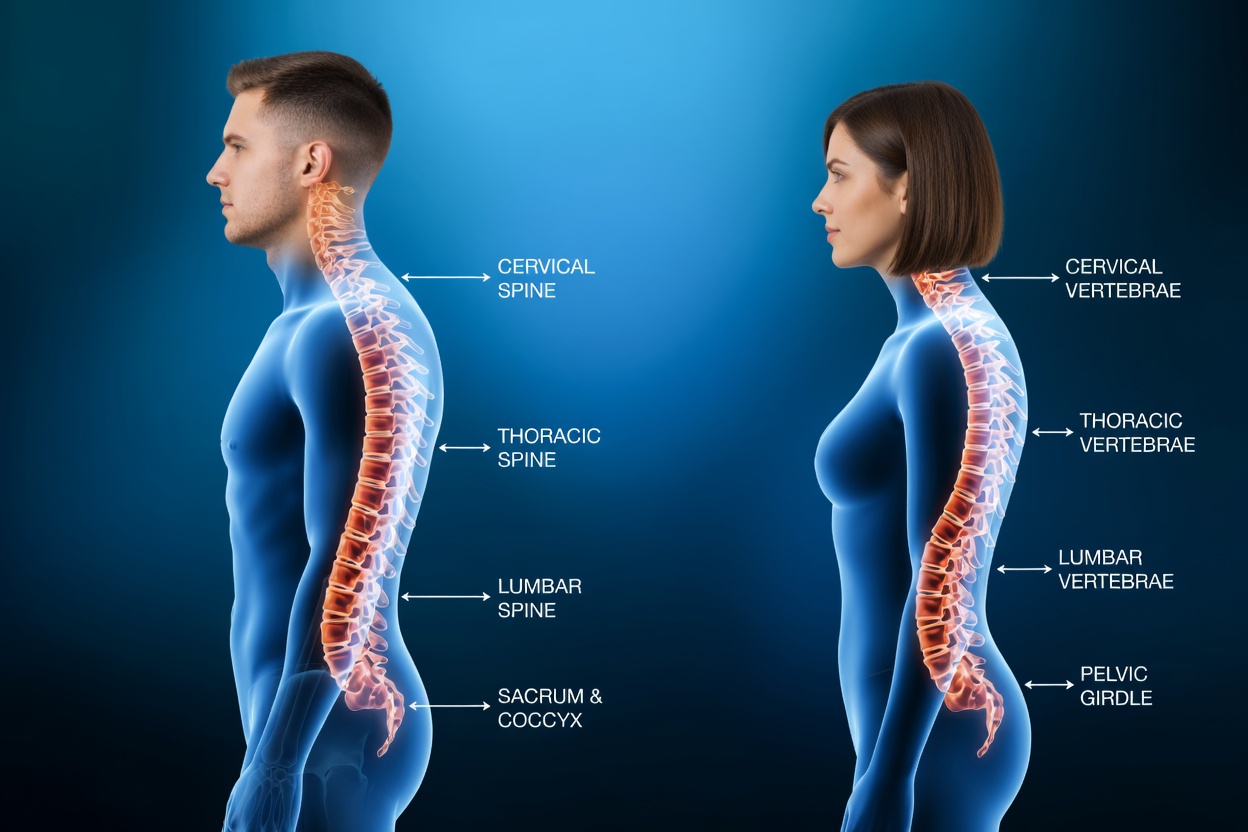
Your spine is the body’s main support structure. It consists of 33 vertebrae that help protect the spinal cord while allowing you to bend, twist, stand, and move throughout the day. When these bones remain strong and dense, everyday activities usually feel easier and more stable.
As bone density declines with age, however, the spine can become more fragile. Scientific research suggests that healthy lifestyle habits can make an important difference in preserving bone mass, comfort, and mobility over time.
Just as important, the muscles and connective tissues around the spine need to stay strong and balanced to help maintain proper alignment.
What Is Osteoporosis and Why Does It Matter for the Spine?
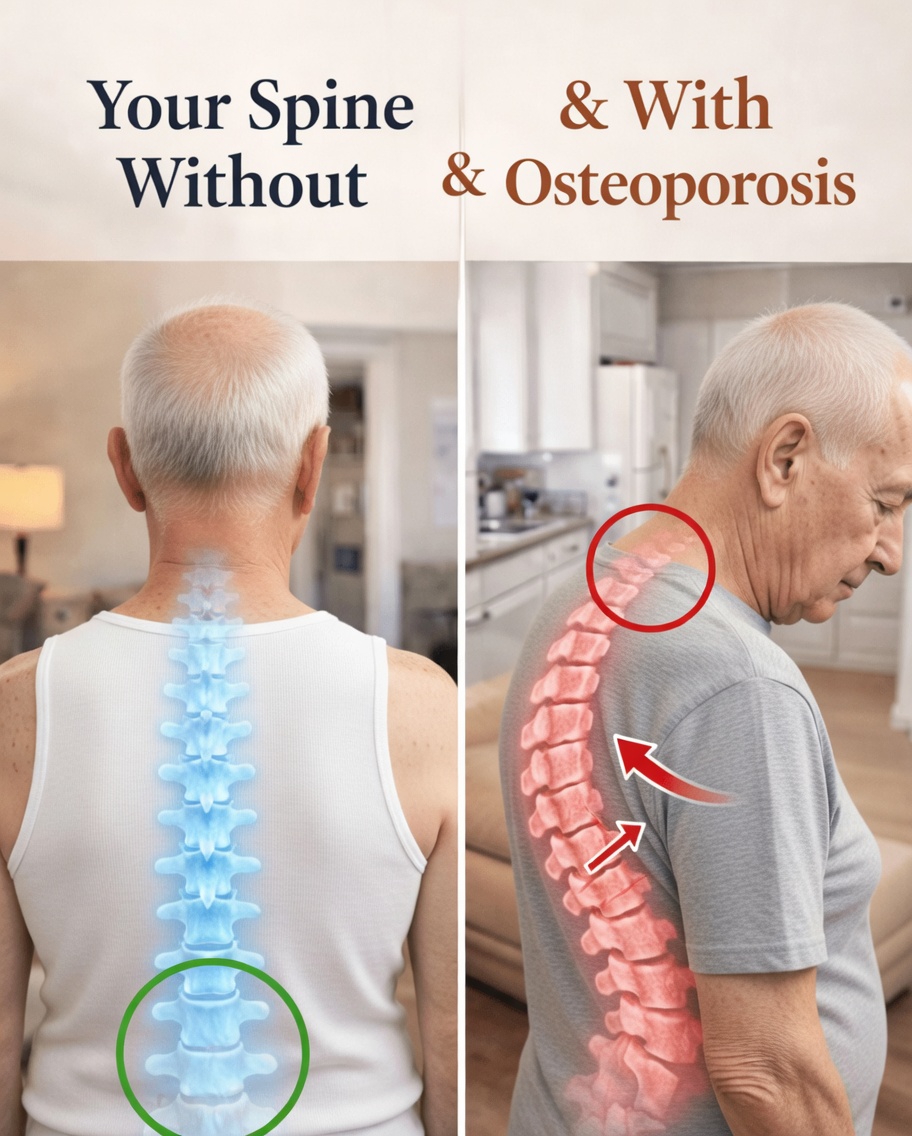
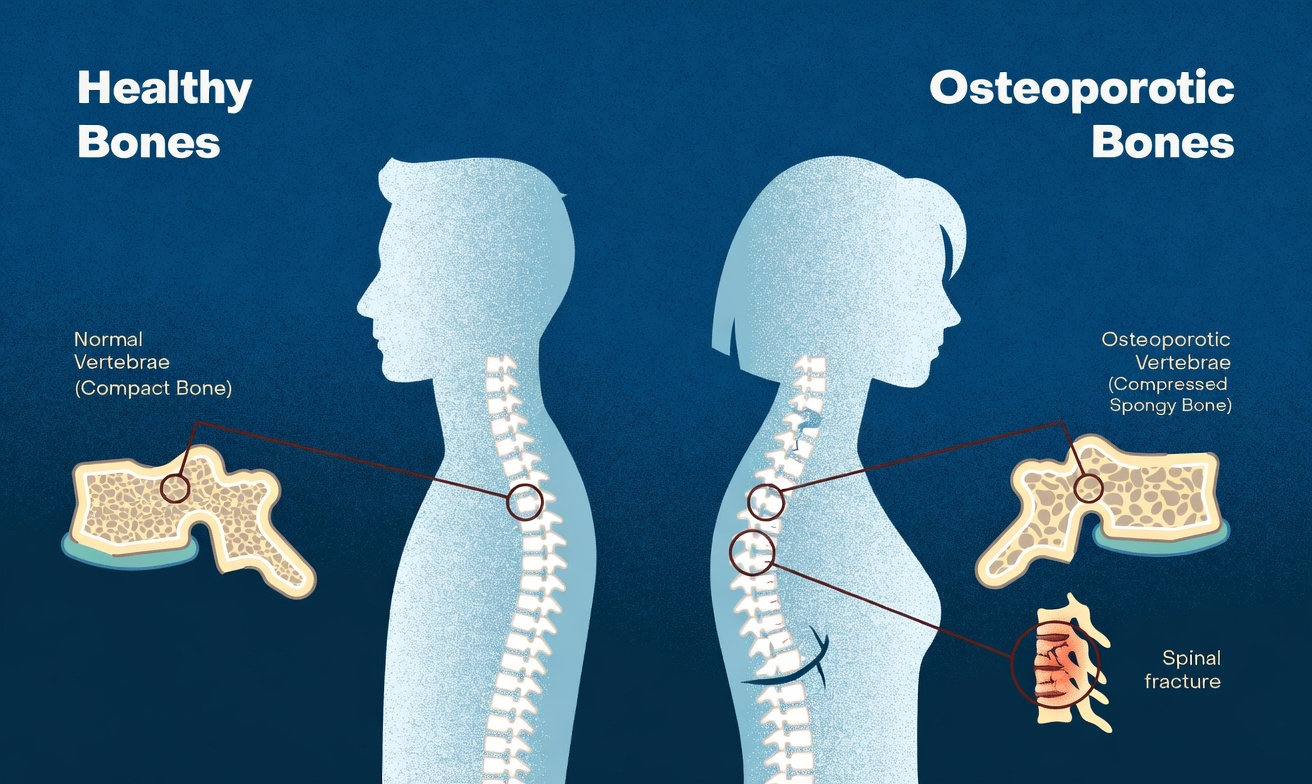
Osteoporosis is a condition in which bones lose strength and become more brittle over time. It often develops silently, without clear warning signs, until a small fall, sudden movement, or even a forceful cough leads to a fracture.
The spine is especially vulnerable because it supports body weight every single day. Studies show that fractures in the vertebrae caused by bone loss can contribute to posture changes, reduced height, and long-term discomfort.
Although aging cannot be avoided, there are practical steps you can take to better support bone health before more serious issues appear.
Common risk factors include:
- Getting older
- Hormonal changes
- Low intake of calcium and vitamin D
- Too much sedentary time
- Smoking
- Excessive alcohol use
Why Spinal Health Matters So Much
A healthy spine does more than reduce aches and pains. It can also improve balance, support better breathing, and increase overall confidence in movement. When spinal bones weaken, the body may begin to lean forward, placing extra strain on the neck, shoulders, and back muscles.
The good news is that small, repeated habits can help offset these effects. When people focus on bone-supportive foods, regular activity, and good posture, they often feel steadier, stronger, and more energized.
Daily Habits That May Help Strengthen Bones
These practical strategies are supported by general knowledge of bone health and are simple enough to start right away.
1. Eat More Calcium-Rich Foods
Calcium is one of the key minerals your body uses to build and maintain bone tissue. Most adults need about 1,000 to 1,200 mg each day.
Good sources of calcium include:
- Milk, yogurt, and other dairy products
- Leafy green vegetables such as kale and spinach
- Almonds and other nuts
- Canned fish with soft edible bones
- Fortified plant-based milk alternatives
A helpful tip is to combine calcium-rich foods with vitamin D, since vitamin D improves calcium absorption.
2. Get Enough Vitamin D
Vitamin D helps the body absorb and use calcium more effectively. It plays a major role in supporting bone maintenance and overall skeletal health.
You can get vitamin D from:
- Moderate sunlight exposure, such as 10 to 15 minutes several times a week
- Fatty fish
- Fortified foods
If you spend very little time outdoors, it may be worth discussing vitamin D needs with a healthcare professional.
3. Add Weight-Bearing Exercise to Your Routine
Movement sends an important signal to bones to remain strong. Weight-bearing activities are especially useful because they encourage the body to maintain bone density.
Helpful options include:
- Brisk walking
- Hiking
- Light resistance training with bands or weights
- Dancing
- Climbing stairs
- Yoga poses that improve strength and stability
Even around 30 minutes of activity on most days can support both posture and bone health.
4. Be More Aware of Posture During the Day
Poor posture can place additional pressure on vertebrae that are already becoming weaker. Small posture corrections throughout the day can help spread body weight more evenly and reduce unnecessary strain.
A few simple ideas include:
- Set reminders on your phone to check your alignment
- Keep your computer screen at eye level
- Use lumbar support if you sit for long periods
- Relax your shoulders and avoid leaning forward
5. Strengthen the Core to Support the Spine
The muscles in your abdomen and back work together like a natural support belt for the spine. A stronger core can help improve stability and reduce stress on the back.
Gentle core exercises to consider:
- Planks for 20 to 30 seconds
- Glute bridges
- Bird-dog exercises
Begin slowly and focus on proper technique instead of speed or intensity.
Simple Stretching for Better Spine Flexibility
Gentle stretching can help keep the spine mobile and reduce daily stiffness. Just 5 to 10 minutes a day may make movement feel easier.
Try these simple stretches:
- Cat-Cow Pose: Moves the spine through controlled flexion and extension
- Child’s Pose: Helps release tension in the lower back
- Shoulder Rolls and Neck Tilts: Can ease tightness in the upper back and shoulders
One of the best things about these stretches is that they can be done at home, at your desk, or soon after waking up.
Nutrition Tips Beyond Calcium and Vitamin D
While calcium and vitamin D get most of the attention, other nutrients also contribute to healthy bones. Magnesium, vitamin K, and adequate protein all support bone maintenance in different ways.
Nutrients that also matter:
- Magnesium from nuts and seeds
- Vitamin K from leafy green vegetables
- Protein from balanced whole-food meals
A colorful, varied diet is often more beneficial than focusing on only one nutrient. Research suggests that an overall balanced eating pattern supports bone and skeletal health more effectively than isolated fixes.
When to Seek Professional Advice
If you have persistent back pain, notice a loss of height, or have a family history of osteoporosis or bone problems, it is a good idea to speak with a healthcare provider. Bone density testing can offer useful information about your current bone health and future risk.
These daily habits are most effective when they are part of a broader, long-term wellness plan.
Final Thoughts
Protecting your spine and supporting strong bones does not require a dramatic lifestyle overhaul. In most cases, lasting benefits come from steady, manageable choices made every day. Paying attention to nutrition, movement, posture, and muscle strength may help you stay mobile and comfortable for years to come.
A healthier spine can begin with one simple step today, such as taking an evening walk or adding more leafy greens to your next meal. Small actions, repeated consistently, can lead to meaningful results.
Frequently Asked Questions
1. Can everyday habits really support bone health as I get older?
Yes. Research continues to show that regular physical activity and proper nutrition play important roles in maintaining bone density and posture. Results differ from person to person, but consistency is one of the most important factors.
2. Which foods are most helpful for bone and spine support?
Calcium-rich foods such as dairy products, leafy greens, fortified foods, and fish with edible bones are excellent choices. Pairing them with vitamin D sources can improve their benefit. In general, a varied and balanced diet works best.
3. How soon might I notice changes in posture or comfort?
Some people feel less stiffness and better mobility within a few weeks of regular stretching and exercise. Improvements in bone density usually take longer. Long-term progress depends on patience and consistent habits.
Disclaimer
This article is provided for educational and informational purposes only. It should not be considered medical advice or a replacement for professional healthcare guidance. Always consult a qualified healthcare provider before making changes to your diet, exercise program, or lifestyle, especially if you have existing medical conditions.