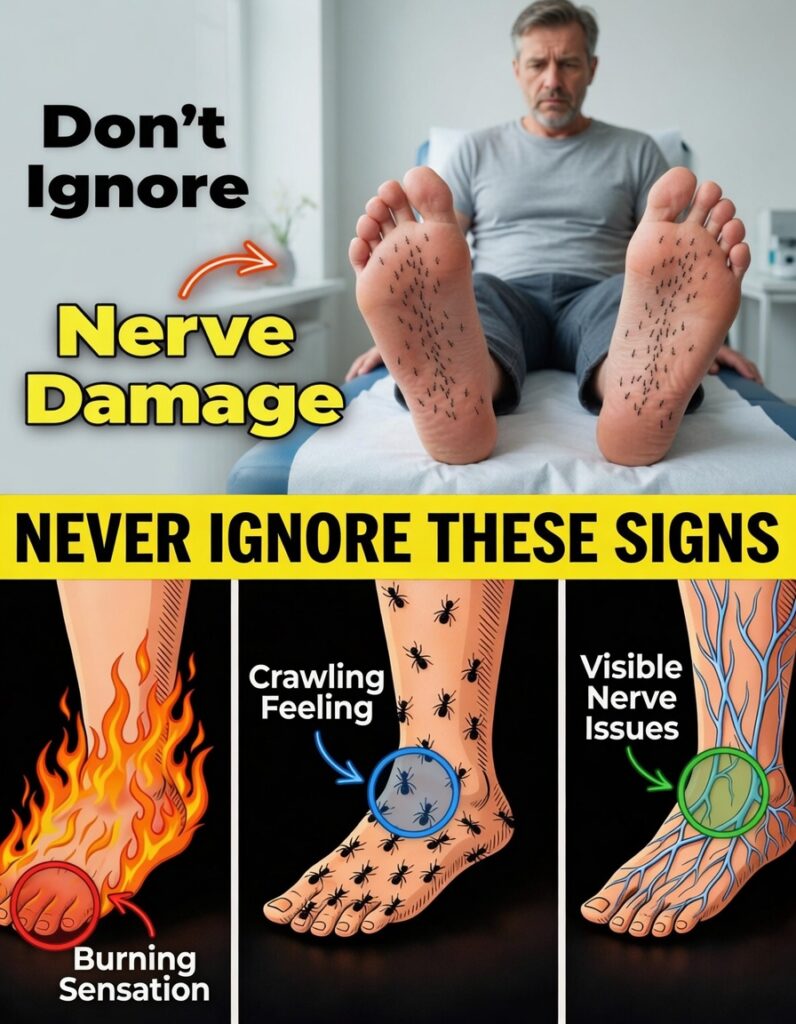
Peripheral Neuropathy: Early Warning Signs You Shouldn’t Ignore
Peripheral neuropathy is a type of nerve damage that most often shows up in the hands and feet. It affects millions of adults worldwide. Estimates commonly place neuropathy-related symptoms at roughly 2–8% of the general population, with significantly higher rates among older adults and people with certain medical conditions—figures frequently referenced by organizations such as the National Institute of Neurological Disorders and Stroke (NINDS) and supported by medical research.
Because the first symptoms can feel minor, many people dismiss them as “normal aging,” stress, or circulation issues. Yet noticing early changes can make a real difference for comfort, mobility, and everyday function.
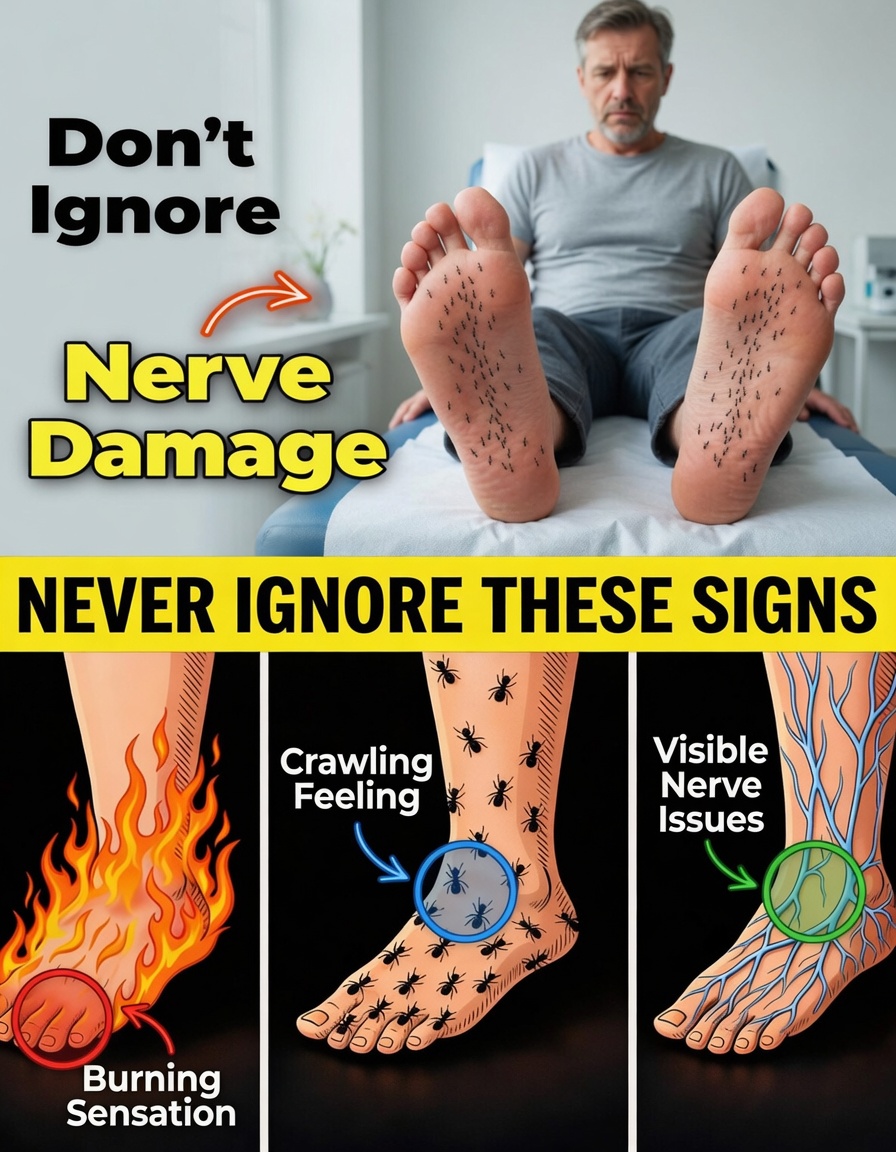
What may begin as occasional odd sensations can gradually start to interfere with walking, grip strength, balance, and even small tasks like fastening buttons. The advantage of recognizing early clues is simple: it can prompt timely conversations with a healthcare professional and help identify treatable or manageable contributors before symptoms become more disruptive.
This guide walks through 15 common early signs of peripheral neuropathy, plus practical next steps if they sound familiar.
Why Nerve Problems Often Begin Quietly (and Why Paying Attention Matters)
Your peripheral nerves are like an information highway. They transmit signals related to:
- Touch and pain
- Temperature sensation
- Muscle movement and coordination
- Automatic functions (sweating, digestion, blood pressure control, bladder function)
When these nerves are affected—due to factors like blood sugar changes, vitamin deficiencies, medications, immune-related issues, infections, and more—signals may become distorted, weakened, or misread.
A key pattern seen in many cases is that symptoms start in the longest nerves first, creating the classic “stocking-glove” distribution: feet are affected before hands, and symptoms often move upward over time. Because early symptoms may be intermittent, people often delay getting checked. However, clinicians frequently emphasize that early evaluation can reveal reversible or modifiable factors in some cases, supporting better long-term nerve health.
Early Sensory Signs: Subtle Clues from Your Hands and Feet
These are often the first symptoms people notice—though they may come and go at the beginning.
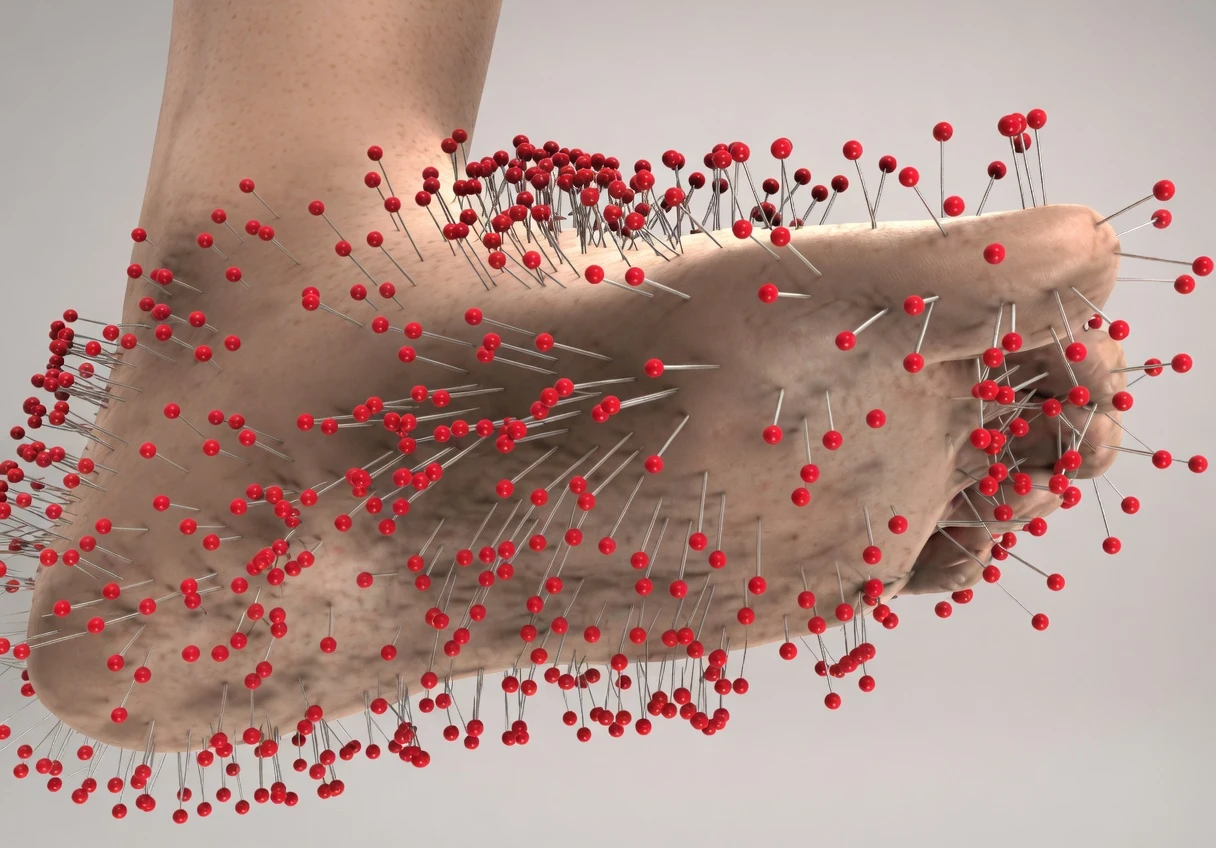
1. Tingling or “Pins-and-Needles”
A prickling, buzzing, or static-like sensation—often starting in the toes or fingertips. Many people notice it more at night or when resting.
2. Numbness or Decreased Sensation
A dulled feeling in the feet or hands that makes it harder to detect textures, heat/cold, or small injuries.
3. Burning or Shooting Pain
Pain that feels hot, sharp, stabbing, or electric. It may flare after activity or become more noticeable later in the day.
4. The “Invisible Sock or Glove” Sensation
A feeling of tightness, pressure, or constriction—as if you’re wearing snug socks or gloves when you’re not. This is a common early neuropathy description.
5. Increased Sensitivity to Touch (Allodynia)
Normal contact becomes unpleasant or painful—such as bedsheets brushing the skin or light pressure feeling disproportionately intense.
Hidden (Autonomic) Symptoms Many People Don’t Connect to Nerves
Peripheral neuropathy can also involve autonomic nerves, which regulate involuntary body processes. These signs are easy to misinterpret as unrelated everyday issues.
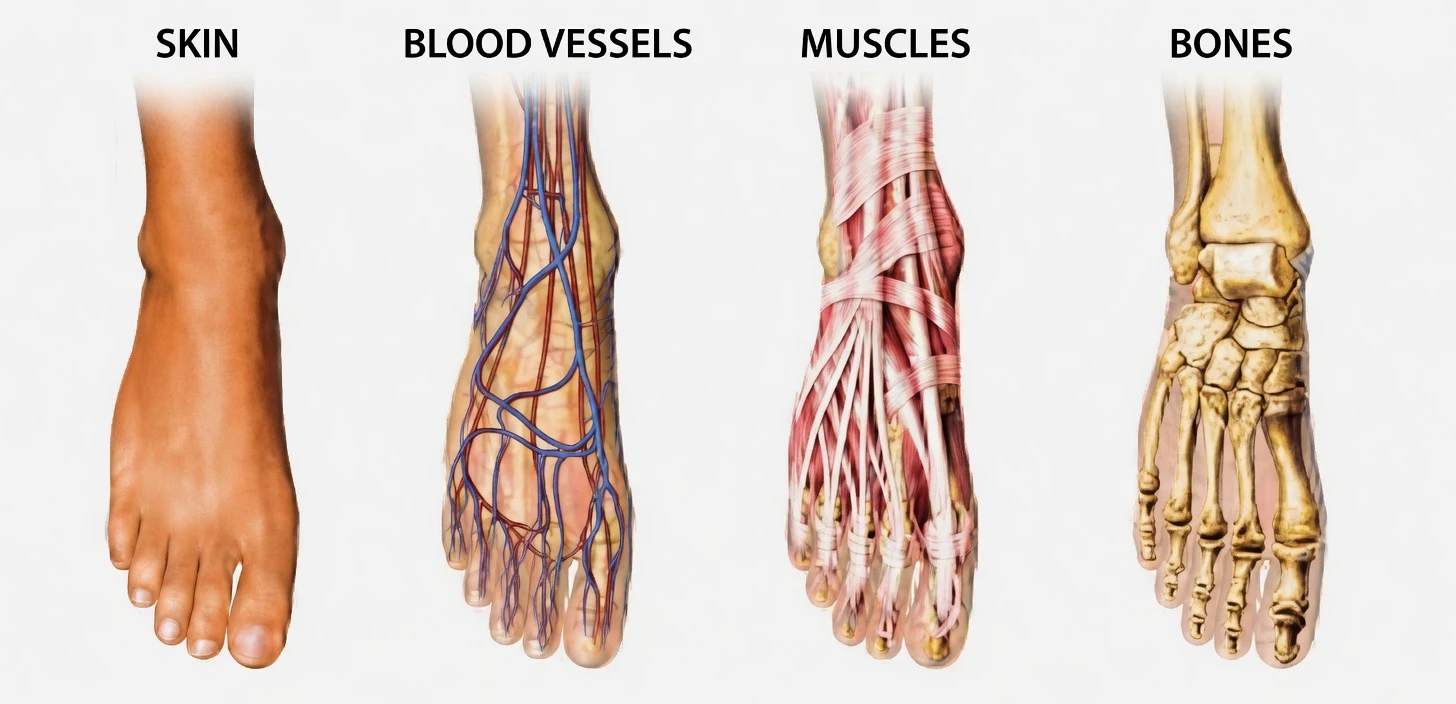
6. Unusual Sweating Patterns
You may notice reduced sweating in certain areas (for example, unusually dry feet) or excessive sweating elsewhere, which can affect temperature control.
7. Difficulty Regulating Temperature
Hands and feet may feel oddly cold or overly warm without a clear environmental reason, reflecting disrupted signaling involved in circulation and heat regulation.
8. Lightheadedness When Standing
A brief dizzy or “woozy” feeling when you get up quickly may relate to blood pressure adjustments not happening smoothly.
9. Digestive Changes (Bloating or Constipation)
Slower digestion can cause early fullness, bloating, discomfort, constipation, or irregular bowel habits.
10. Bladder Changes or Urinary Symptoms
Subtle shifts can include a weak stream, frequent urges, or the sensation of not fully emptying the bladder.
Movement and Coordination Signs: When Nerve Changes Affect Control and Strength
As nerve signaling becomes more disrupted, muscle and balance-related symptoms may start to appear.
11. Muscle Twitching or Cramps
Small involuntary twitches or unexplained cramps can occur without a clear trigger.
12. Balance or Coordination Problems
Feeling unsteady—especially in low light—or becoming more prone to tripping or clumsiness may reflect reduced position-sense feedback from the feet.
13. Muscle Weakness
Grip strength may decline, fine motor skills can feel harder (like buttoning clothes), or your legs may feel heavier during normal walking.
14. Unusual Limb Fatigue
Arms or legs may tire quickly with light activity, beyond what you’d expect for your fitness level or daily routine.
15. Not Feeling Minor Injuries
Cuts, blisters, or sores—especially on the feet—may go unnoticed because pain signals are muted. Some injuries may also heal slowly depending on contributing factors.
Quick Comparison: Neuropathy Signals vs. Common Misinterpretations
Many symptoms overlap with everyday explanations. What matters is pattern, persistence, and clustering.
- Tingling/numbness → commonly nerve-related → often dismissed as “my limb fell asleep”
- Burning pain → sensory nerve irritation → mistaken for overuse, arthritis, or strain
- Invisible sock/glove feeling → classic stocking-glove pattern → blamed on tight shoes or clothing
- Balance issues → reduced proprioception (position sense) → attributed to aging or inner-ear problems
- Temperature sensitivity → autonomic involvement → assumed to be “poor circulation”
Keeping notes for even 2–3 weeks can make patterns easier to recognize—and easier to explain clearly to a clinician.
Practical Steps to Take Now
If multiple signs match what you’re experiencing, these actions can help you move forward in a calm, organized way:
- Track symptoms daily
- Note what you felt, when it happened, what triggered it (standing, walking, nighttime), and intensity (1–10).
- Review basics you can control
- If relevant, monitor blood sugar.
- Aim for balanced nutrition, including key nutrients such as B vitamins.
- Stay physically active, but avoid pushing through pain or worsening symptoms.
- Talk with a healthcare professional
- Share symptom timing, location, and progression.
- They may recommend blood work, a neurological exam, and/or specific nerve tests, or refer you to a specialist.
Many contributors to neuropathy-like symptoms can be identified through routine evaluation—especially when addressed early.
Conclusion: Catching Early Signs Can Protect Comfort and Function
Recognizing these 15 early signs of peripheral neuropathy isn’t a reason to panic—it’s a reason to pay attention. Early awareness often helps people get answers sooner, adjust risk factors where possible, and protect daily mobility and quality of life.
Frequently Asked Questions
What can cause peripheral neuropathy to begin?
Common contributors include blood sugar changes, nutritional deficiencies, certain medications, infections, and autoimmune-related factors. In some cases, no single clear cause is identified.
How fast do symptoms usually progress?
Progression varies. Some people experience slow changes over months or years, while others notice symptoms that fluctuate. Addressing patterns early may help keep symptoms milder.
When should I see a doctor?
Seek medical guidance if symptoms persist, worsen, affect balance or safety, disrupt sleep, or begin appearing in multiple areas (such as both feet or both hands).
Disclaimer
This article is for informational purposes only and does not replace professional medical advice, diagnosis, or treatment. If you have health concerns or experience symptoms, consult a qualified healthcare provider.