Olive Leaf Extract and Cancer Research: What Early Studies Suggest About Angiogenesis and Cell Growth
Cancer continues to be one of the world’s toughest health challenges, impacting millions of people and driving constant investigation into potential supportive strategies. Alongside standard medical care, many individuals explore evidence-informed lifestyle choices and traditional plant compounds that may help support overall health. One area attracting scientific attention is plant-derived polyphenols and their possible influence on cellular pathways involved in cancer biology—especially angiogenesis, the process of forming new blood vessels that can also support tumor growth.
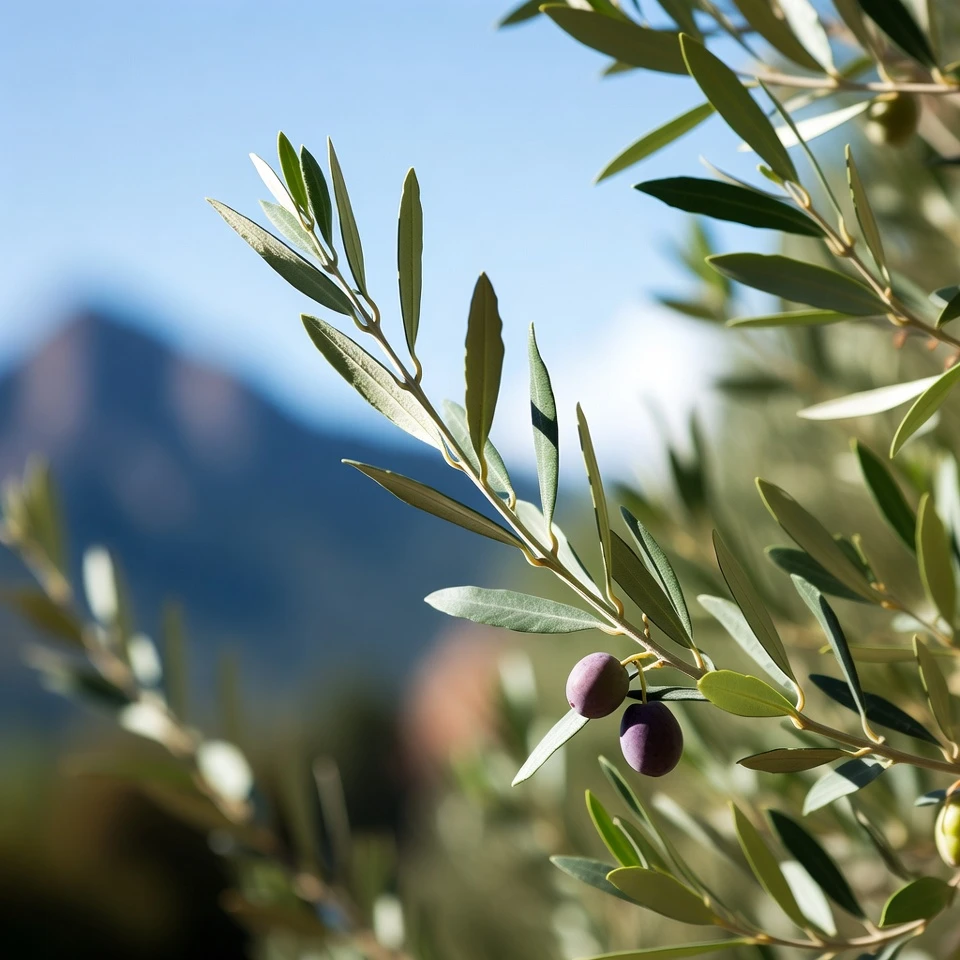
A familiar plant from the Mediterranean region has become part of this conversation: olive leaf extract. In particular, researchers are examining oleuropein, a key compound in olive leaves, for its potential effects on angiogenesis and abnormal cell behavior. The research is still early and largely preclinical, but the findings are interesting enough to warrant careful discussion—without overstating what they mean for humans.
Why Olive Leaves Are Getting Attention (Not Just Olive Oil)
The Mediterranean diet, known for its emphasis on olive products, plant foods, and healthy fats, is often associated with favorable long-term health outcomes. While olive oil and olives get most of the spotlight, olive leaves can contain higher concentrations of certain polyphenols than the fruit itself. This is one reason scientists have taken a closer look at olive leaf compounds for potential biological activity at the cellular level.
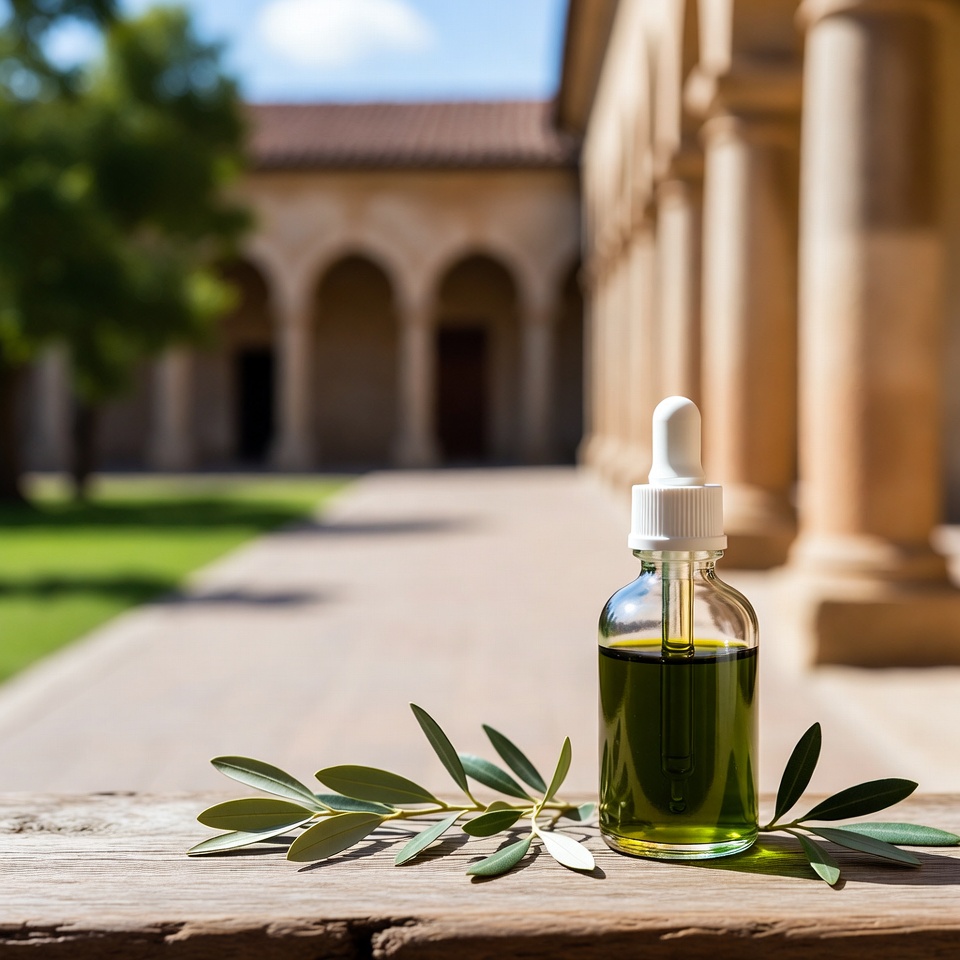
It’s important to note that most of what we know so far comes from laboratory experiments and animal studies, not large human clinical trials. Still, these early findings help shape future research directions.
What Makes Olive Leaf Extract Unique?
Olive leaf extract (OLE) is made from the leaves of the olive tree (Olea europaea). The best-known and most studied component is oleuropein, a secoiridoid polyphenol recognized for strong antioxidant activity. Olive leaf also contains other bioactive substances, including:
- Hydroxytyrosol
- Flavonoids and related plant antioxidants
Early research suggests oleuropein may affect multiple pathways, such as:
- Antioxidant defense: helping neutralize free radicals linked to cellular stress
- Inflammation signaling: potentially influencing inflammatory pathways involved in chronic disease
- Cell regulation: preliminary effects on proliferation, apoptosis (programmed cell death), and angiogenesis
These effects appear most consistent in controlled lab conditions and animal models, which is why researchers caution against assuming the same outcomes in humans.
Angiogenesis, Tumors, and How Oleuropein Is Being Studied
Angiogenesis is essential for normal healing and development. In cancer, however, tumors may encourage blood vessel growth to secure oxygen and nutrients, supporting expansion and potentially spread. Because of this, reducing abnormal angiogenesis is an important target in cancer research.
Preclinical studies have explored whether oleuropein may influence angiogenesis-related activity:
- Animal melanoma model findings: In one study using melanoma cells, dietary oleuropein was associated with reduced tumor angiogenesis and lymphangiogenesis and with slower tumor growth and spread in mice fed a high-fat diet.
- Senescence-related signaling in lab research: Other experiments suggest oleuropein aglycone (a related form) may reduce pro-angiogenic signaling from senescent cells, including lowering factors such as VEGF (vascular endothelial growth factor), a key driver of blood vessel formation.
- Protein-level (proteomic) investigations: Analyses of olive-derived extracts, including preparations enriched with olive leaf components, show changes in angiogenesis-associated proteins and reduced endothelial cell migration, invasion, and tube formation in vitro (cell-based testing).
Beyond angiogenesis, scientific reviews also describe anti-proliferative activity of oleuropein in several cancer cell lines (including breast, leukemia, and colon models), commonly involving:
- triggering apoptosis
- slowing cell cycle progression
- reducing cell motility (movement), which is relevant to invasion and spread
- upregulating regulators such as p21 in certain breast cancer cell models
Key Mechanisms Reported in Preclinical Research (At a Glance)
From cell and animal studies, oleuropein has been linked to:
- Lower VEGF signaling in some models (sometimes alongside higher endostatin, an anti-angiogenic factor)
- Increased apoptosis in abnormal cells
- Reduced migration and invasion in certain cell experiments
- Antioxidant support, potentially lowering oxidative stress that contributes to harmful cellular changes
These findings are promising as research signals—but they do not yet confirm clinical benefits in humans.
What Reviews and Major Institutions Say About the Evidence
Looking beyond individual experiments, broader evaluations help clarify the overall picture:
- Scientific reviews on oleuropein describe multi-pathway activity, including effects on mitosis, apoptosis, and other cell-regulating mechanisms in preclinical settings.
- Other analyses emphasize olive leaf polyphenols in relation to inflammation-driven conditions, highlighting possible mechanisms relevant to cancer biology such as DNA protection and inhibition of abnormal proliferation.
- Memorial Sloan Kettering Cancer Center acknowledges anticancer effects in laboratory research, while emphasizing that human benefits for prevention or treatment have not been proven.
- Some in vitro studies report antioxidant, antimicrobial, and anti-angiogenic properties of olive leaf extracts, with results varying depending on factors like leaf origin and extraction method.
A crucial takeaway: outcomes may be context-dependent, and early research—even when encouraging—does not automatically translate into effective or reliable human therapy.
How to Use Olive Leaf in a Practical, Low-Risk Way (With Medical Guidance)
If you’re interested in olive leaf as part of a health-supportive routine—while continuing evidence-based care—these approaches are commonly discussed:
- Choose standardized products: Look for extracts standardized to oleuropein content (often 20% or higher) from reputable manufacturers.
- Start with a conservative amount: Research frequently references supplement ranges around 500–1000 mg/day, but many people begin lower (such as 250–500 mg) to assess tolerance.
- Try olive leaf tea: A traditional option using dried olive leaves (about 1–2 teaspoons per cup, steeped 5–10 minutes). This may be a gentler entry point than concentrated extracts.
- Support the foundation with diet: Pair with a Mediterranean-style eating pattern (vegetables, legumes, fruit, olive oil, herbs) to naturally increase polyphenol intake.
- Monitor and discuss interactions: Olive leaf may affect blood pressure or blood sugar in some people, which matters if you take related medications. Keep notes and consult a clinician.
- Use added caution: Avoid use during pregnancy, breastfeeding, or before surgery unless your healthcare professional advises otherwise.
These steps are best viewed as supportive wellness habits, not cancer treatment.
Bottom Line: Promising Signals, Limited Human Proof
Olive leaf extract, especially through oleuropein, has generated meaningful preclinical interest for its potential to influence angiogenesis, oxidative stress, and cellular growth pathways tied to tumor environments. However, the strongest data so far comes from cell culture and animal models, and human clinical evidence remains limited. No supplement or natural compound should be presented as a substitute for proven medical care.
If you choose to incorporate olive leaf products, do so thoughtfully, prioritize quality, and coordinate with your healthcare provider—especially if you have medical conditions or take prescription drugs.
FAQ
What is the primary active compound in olive leaf extract?
Oleuropein is the best-known polyphenol in olive leaf extract and is widely studied for antioxidant and cell-modulating activity in preclinical research.
Can olive leaf extract replace chemotherapy, radiation, or other cancer treatments?
No. Current evidence does not show that olive leaf extract can prevent, treat, or cure cancer in humans. It should not replace medical treatment plans.
Is olive leaf extract safe for everyday use?
Many people tolerate it well at moderate doses, but safety depends on the individual. Consult a healthcare professional for guidance on dosing, interactions, and suitability, especially if you take blood pressure or blood sugar medications.
Disclaimer
This article is for informational purposes only and does not provide medical advice. Olive leaf extract is not intended to diagnose, treat, cure, or prevent any disease. Always consult a qualified healthcare professional before starting supplements, particularly if you have underlying conditions, take medications, are pregnant or breastfeeding, or are preparing for surgery. Research is ongoing, and responses can vary between individuals.