Many adults over 50 live with a gradual, often unnoticed narrowing of their arteries. This process—called atherosclerosis—happens when plaque accumulates along artery walls and slowly reduces blood flow. Over time, it can show up as low energy, reduced stamina during everyday tasks, or mild discomfort that’s easy to dismiss.
The encouraging part is that daily, nutrient-rich foods—especially those providing antioxidants, healthy fats, fiber, and natural nitrates—may help support healthier circulation, calmer inflammation, and better vessel function through natural mechanisms. These choices can be a practical, gentle complement to core lifestyle habits.
Some foods even contain compounds that loosely resemble mild effects used in certain heart-protective strategies—without being a direct substitute. Below are the research-backed picks most consistently highlighted.

The “Silent” Plaque Buildup Inside Arteries
Atherosclerosis develops when cholesterol, fats, and cellular debris collect in the inner lining of arteries. As plaque grows, it can harden and narrow blood vessels. Inflammation accelerates this cycle by attracting more material to the artery wall, which can eventually limit oxygen-rich blood delivery to the heart, brain, and other organs.
Many people don’t feel obvious symptoms at first. A common early sign is subtle: activities like climbing stairs or walking uphill start to feel more tiring than they used to.
Diet plays a major role in how quickly this progresses:
- Ultra-processed foods, added sugars, and unhealthy fats can push inflammation and oxidative stress higher.
- Whole, nutrient-dense foods may help counter these drivers by supporting cholesterol balance, protecting the vessel lining, and improving vascular flexibility.
Why Food-Based Support Matters (Especially Now)
For years, some people used low-dose aspirin to lower cardiovascular risk because it can reduce platelet clumping. However, updated guidance from organizations such as the USPSTF and the American Heart Association has emphasized that for primary prevention (people without prior cardiovascular events), especially adults over 60, bleeding risk may outweigh benefits for many individuals.
Because of this shift, there’s been increased focus on dietary patterns and natural compounds associated with cardiovascular support, including:
- Omega-3 fatty acids
- Polyphenols
- Natural nitrates
- Naturally occurring salicylates (in some plant foods)
These compounds are commonly found in eating patterns like the Mediterranean diet, which research links to better cardiovascular markers and, in some studies, slower plaque progression.
9 Foods That May Help Support Healthier Arteries
The foods below are frequently studied for roles in inflammation control, cholesterol management, oxidative protection, and vessel function.
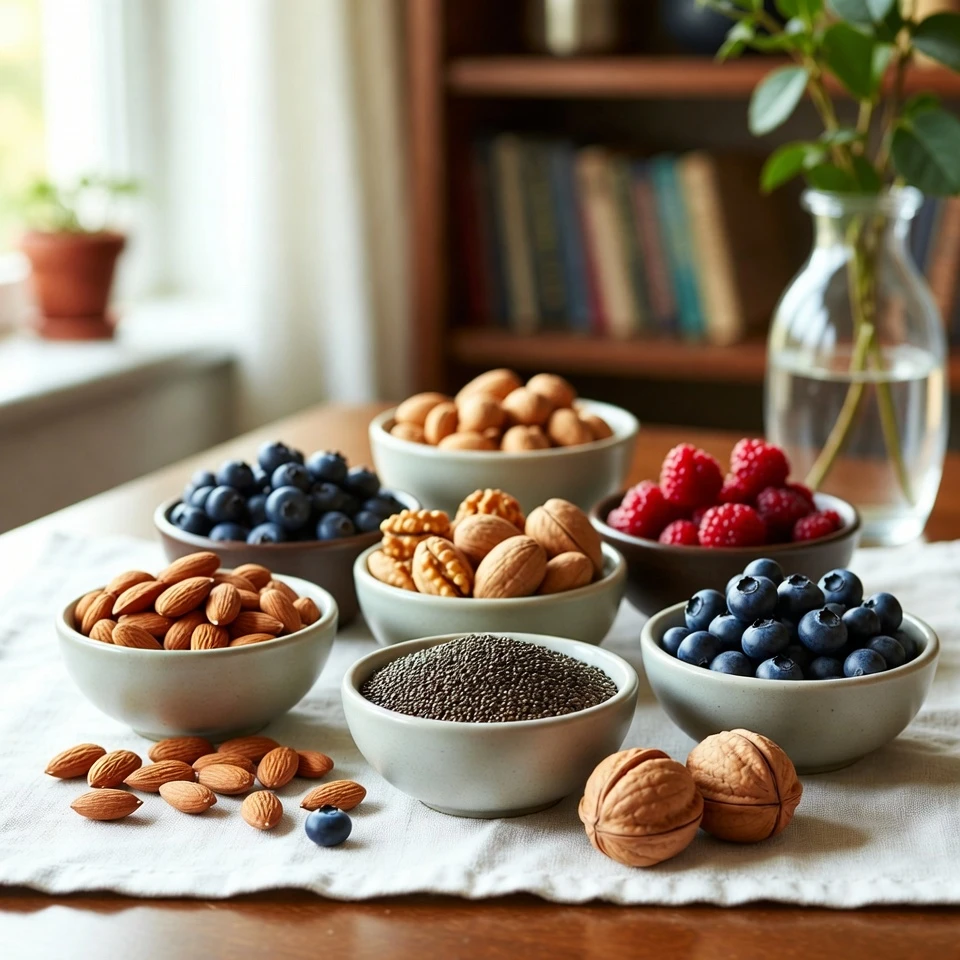
1) Berries (blueberries, strawberries, raspberries)
Berries provide flavonoids and a wide range of antioxidants. Research associates berry intake with improved endothelial function (how well blood vessels relax and respond) and healthier markers related to atherosclerosis.
2) Extra Virgin Olive Oil
A cornerstone of Mediterranean-style eating, extra virgin olive oil is rich in polyphenols and monounsaturated fats. Studies link it to improved vascular protection and less plaque-related progression compared with less healthy fat sources.
3) Fatty Fish (salmon, sardines, mackerel)
Fatty fish supply omega-3s (EPA and DHA), which are connected with lower inflammation and potential plaque-stabilizing effects. Many heart-health organizations recommend about two servings per week.
4) Beans and Legumes (lentils, chickpeas, black beans)
Legumes are packed with soluble fiber and beneficial plant compounds. Large population studies associate regular intake with lower cardiovascular risk, partly by helping with cholesterol balance and inflammation support.
5) Oats and Other Whole Grains
Oats contain beta-glucan, a soluble fiber known to reduce cholesterol absorption and improve overall lipid profiles when eaten consistently.
6) Avocados
Avocados offer monounsaturated fats and fiber that support healthier cholesterol patterns (including improvements in LDL-related markers in some research contexts) and may reduce factors tied to arterial buildup.
7) Nuts (almonds, walnuts, pistachios)
Nuts provide a mix of healthy fats, fiber, and vitamin E, nutrients that can help reduce oxidative damage—one of the processes involved in plaque development.
8) Garlic
Garlic contains compounds such as allicin, which research suggests may modestly support circulation and has mild antiplatelet-like properties in some contexts (important to consider if you take blood thinners).
9) Leafy Greens (spinach, arugula, kale)
Leafy greens are a strong source of dietary nitrates, which the body can convert into nitric oxide—supporting artery relaxation and healthier blood pressure regulation.
- Combining foods often makes the habit easier and more effective: try a bowl or salad with leafy greens + olive oil + nuts + berries, alongside a weekly routine of fatty fish.
How These Foods Target Common Arterial Risk Factors
-
High intake of processed fats and sugars:
- Best supports: berries, oats/whole grains
- Why: antioxidants and fiber help counter oxidative stress and support healthier lipid handling
-
Chronic inflammation:
- Best supports: salmon (fatty fish), extra virgin olive oil
- Why: omega-3s and polyphenols are linked with lower inflammatory signaling
-
Oxidative damage (a plaque driver):
- Best supports: nuts, leafy greens
- Why: vitamin E and nitrate-related pathways support vessel integrity and protection
-
Platelet clumping tendency:
- Best supports: garlic, berries
- Why: certain natural compounds may offer gentle, supportive effects
-
Cholesterol imbalance:
- Best supports: avocados, beans/legumes
- Why: monounsaturated fats and soluble fiber support healthier cholesterol transport and absorption
Real-World Examples: Small Dietary Swaps, Noticeable Changes
A common scenario: a person in their 50s with a family history of heart issues adds salmon twice weekly and includes berries daily. Over time, they may report better energy during walks, and routine checkups can show improved markers—similar to outcomes often seen in Mediterranean-style diet research, which has been associated with substantially lower cardiovascular risk in adherent groups.
Another simple shift: replacing butter-heavy meals with extra virgin olive oil and adding a small handful of nuts most days. Many people notice everyday movement feels easier—consistent with research suggesting these foods support circulation and vascular function.
Results vary based on the full picture (sleep, stress, exercise, smoking, medical conditions), but repeated small upgrades can compound over months.
Simple Ways to Add These Foods Starting Today
- Use extra virgin olive oil on salads, roasted vegetables, or grain bowls.
- Stir berries into oatmeal, yogurt, or cottage cheese.
- Eat fatty fish twice a week; season with herbs and garlic.
- Add leafy greens to smoothies, soups, omelets, or stir-fries.
- Choose unsalted nuts as a snack instead of ultra-processed options.
- Mix beans or lentils into soups, chili, salads, or side dishes.
- Make oats a regular breakfast (porridge, overnight oats) or use in baking.
Quick Tips and Practical Safety Notes
- Start with one or two changes so the habit sticks.
- Prefer low-mercury fish options (salmon is a common choice).
- Wash produce thoroughly.
- Nuts are calorie-dense—keep portions reasonable (a small handful is often enough).
- If you take blood thinners or antiplatelet medications, speak with your clinician before significantly increasing garlic or making major diet changes.
Consistency matters: research outcomes are typically linked with regular intake over time, not occasional use.
Don’t Wait: Small Steps Can Help Protect Long-Term Circulation
Your arteries work nonstop to deliver oxygen and nutrients throughout your body. Building meals around fiber-rich plants, healthy fats, and antioxidant-packed foods may help support smoother blood flow, lower inflammation, and preserve vitality as you age.
If you want the simplest starting trio, research most often points to:
- Berries (flavonoids and antioxidants)
- Extra virgin olive oil (polyphenols and monounsaturated fats)
- Salmon or other fatty fish (omega-3s)
Which one will you add to your plate this week?
Frequently Asked Questions
Can these foods replace medication for heart health?
No. These foods can support overall cardiovascular wellness, but they do not replace prescribed treatments. Follow your clinician’s plan and discuss any major dietary changes.
How much should I eat each day?
A practical approach is variety and consistency. Many people aim for:
- A handful of berries most days
- About 2–3 tablespoons of extra virgin olive oil daily (within calorie needs)
- Fatty fish twice per week
- Leafy greens most days
Are there risks to eating more of these foods?
Most are safe for most people, but caution applies if you:
- Take blood thinners/antiplatelet drugs (garlic and certain foods may interact)
- Have nut or food allergies
- Need tighter calorie control (nuts, oils, avocado are energy-dense)
This article is for informational purposes only and is not a substitute for professional medical advice. Consult your healthcare provider for personalized guidance.