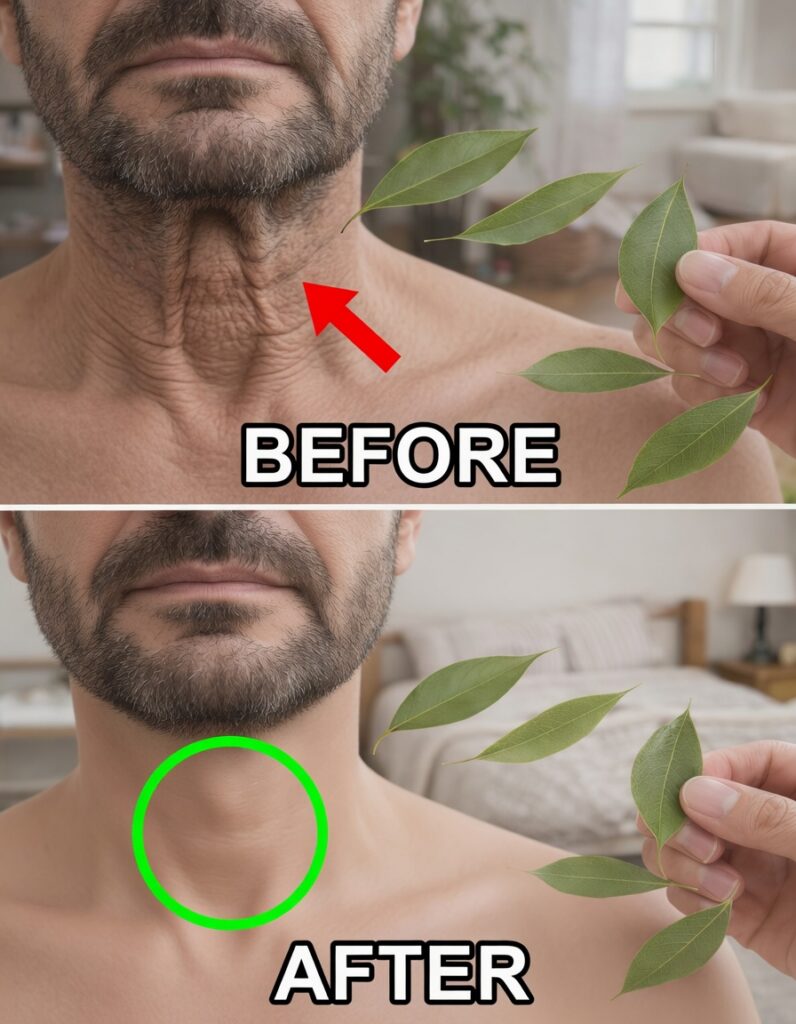
Aging Skin and the Search for Gentle, Natural Support
As we age, it’s common to notice new skin concerns—fine lines, uneven tone, and a diminished “healthy glow.” Daily life plays a role too: sun exposure, stress, and environmental pollutants can all leave skin looking tired over time. It’s no surprise that many people start looking for mild, natural ways to support a healthier-looking complexion without harsh routines.
One surprisingly versatile herb is the bay leaf from Laurus nobilis. Known mostly as a kitchen staple, bay leaf is also rich in naturally occurring compounds that may help nurture skin over the long term. Even more interesting: there’s an unexpected way to work bay leaf into everyday habits so it fits smoothly into your routine.
Why Bay Leaf Matters for Skin Health
Bay leaves contain plant compounds that may support overall skin wellness. Research discussed in sources such as the Journal of Agricultural and Food Chemistry highlights antioxidant components found in bay leaf, including flavonoids and polyphenols—substances that help the body handle everyday environmental stressors.
These antioxidants are often discussed in connection with oxidative stress, which is widely recognized as a contributor to visible skin aging. Bay leaf also has compounds associated with calming, anti-inflammatory activity, which may be helpful for skin that experiences occasional redness or mild irritation.
Bay leaves also contain nutrients such as vitamins A and C, which are commonly linked with skin-supportive functions like normal cell turnover and a more refreshed appearance over time. While bay leaf isn’t a “quick fix,” it may be a useful addition alongside consistent, healthy skincare habits.
Does Bay Leaf Work Like Botox?
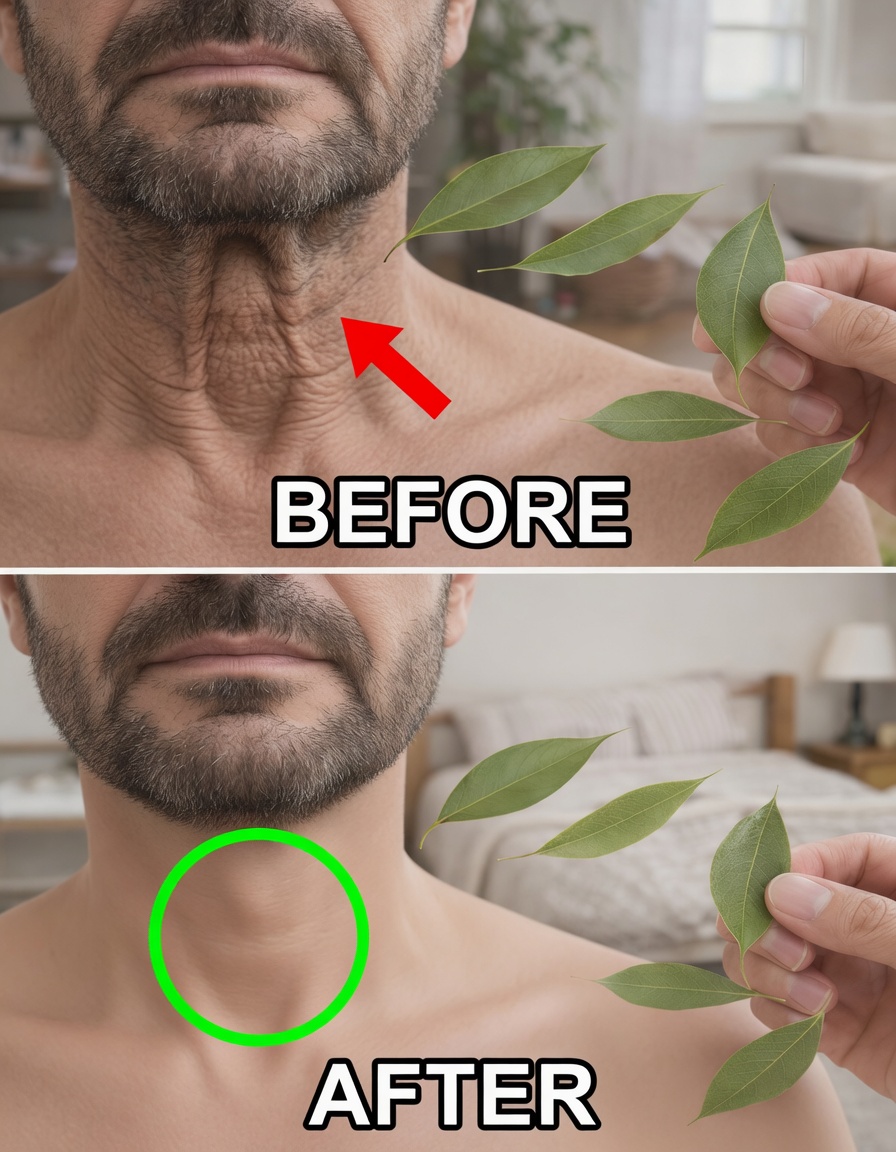
Bay leaf is sometimes compared to cosmetic procedures because it’s associated with smoother-looking skin in some home-care routines. However, it’s important to keep expectations realistic.
There is no credible research showing that bay leaf can match injectable treatments in speed or intensity. Claims that bay leaf works “better than Botox” are not supported by scientific evidence, including reviews found in dermatology-focused publications.
A more accurate way to view bay leaf is as a supportive, gradual approach. Its antioxidant profile may help preserve the look of elasticity and softness over time, but it focuses on nourishment—not dramatic, immediate change.
Bay Leaf Benefits for Mature and Wrinkle-Prone Skin
Based on general research into plant antioxidants (including discussions in the International Journal of Molecular Sciences), bay leaf may offer several skin-friendly advantages:
- Helps defend against free radicals: Antioxidants in bay leaf may help neutralize the impact of pollution and daily stress, which can contribute to visible aging.
- May soothe mild irritation: Its anti-inflammatory properties could help calm the look of redness, which is especially relevant for sensitive, mature skin.
- Supports a more even-looking tone over time: With regular use, nutrients in bay leaf may encourage a balanced appearance through normal skin renewal.
- Naturally astringent feel: Some people find bay leaf preparations help the skin feel more “refined,” which can support a smoother-looking finish.
For best results, bay leaf works best as part of a broader routine—especially when paired with other gentle, skin-supportive ingredients and habits.
How to Use Bay Leaf for Skin: Simple At-Home Options
Bay leaf skincare doesn’t need to be complicated. These easy preparations are popular because they’re accessible and flexible.
Bay Leaf Toner (Simple Recipe)
A basic bay leaf toner can be used after cleansing:
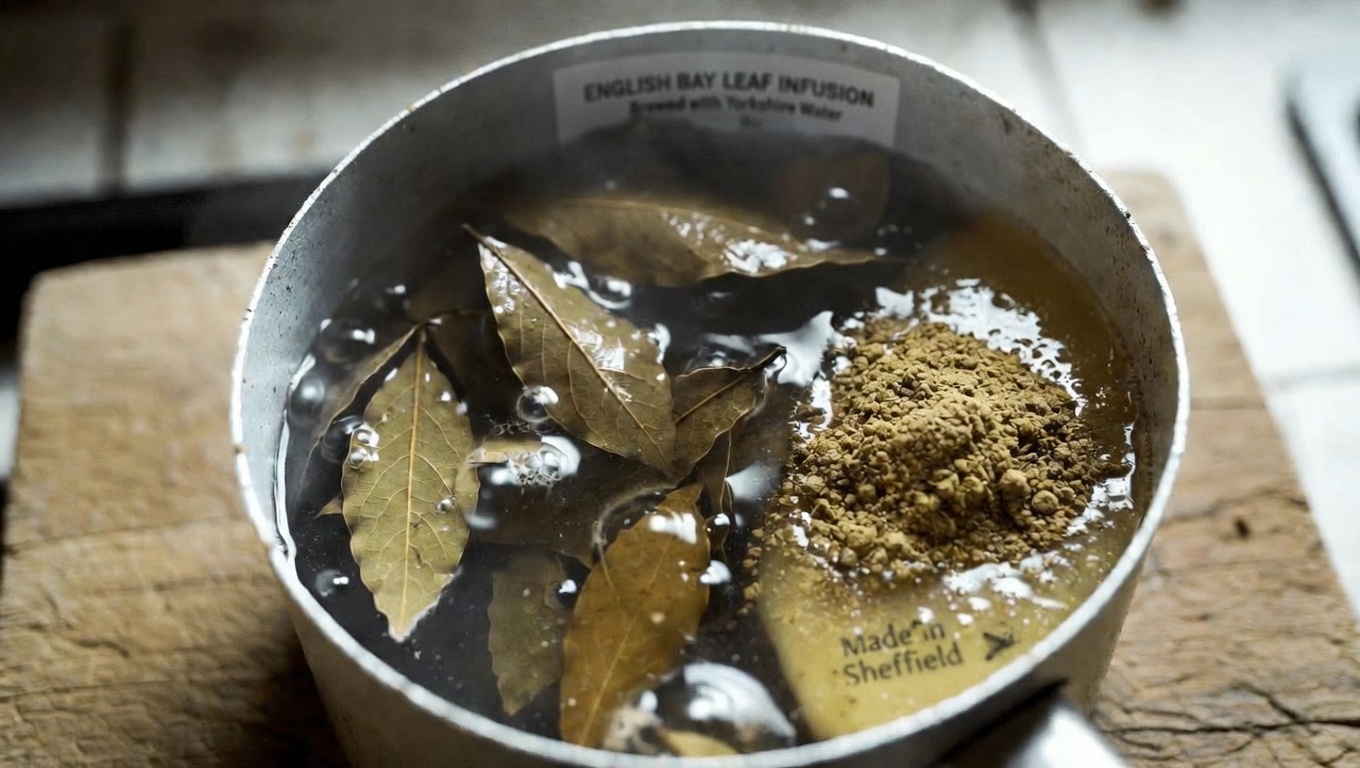
- Boil 5–6 dried bay leaves in 2 cups of water for 10 minutes.
- Allow it to cool completely.
- Strain into a clean bottle or container.
- Apply with a cotton pad after cleansing.
This method gently extracts the bay leaf’s water-soluble components. Many people describe it as refreshing and calming.
Bay Leaf Facial Steam
For an at-home “spa” moment:
- Add a handful of bay leaves to a bowl of hot water.
- Place your face over the bowl at a safe distance.
- Drape a towel over your head and steam for 5–10 minutes.
- Moisturize afterward.
Steaming can help soften the feel of the skin and loosen surface buildup, making it a popular evening routine.
Bay Leaf–Infused Face Mask
For a nourishing mask:
- Grind dried bay leaves into a fine powder.
- Mix with honey or yogurt until it becomes a spreadable paste.
- Apply for 10–15 minutes, then rinse gently.
Always do a patch test first, especially if your skin is reactive.
Tips to Get Better Results (Without Overdoing It)
Natural skincare tends to work best when combined with strong basics:
- Hydration: Drink enough water daily to support overall skin function.
- Antioxidant-rich eating: Fruits and vegetables help support the body’s internal defenses.
- Daily sunscreen: Use broad-spectrum SPF every morning to reduce UV-driven aging.
- Consistency: Use bay leaf methods 2–3 times per week (or daily toner use if tolerated), then evaluate results over several weeks.
Routine Overview
- Bay leaf toner: daily (if your skin tolerates it well)
- Sunscreen: every morning
- Hydration: ongoing, every day
- Antioxidant-focused diet: daily
Patience matters here—subtle improvements are more realistic than overnight change.
Additional Ways to Incorporate Bay Leaf Into Skincare
If you want more options beyond toner, steam, and masks:
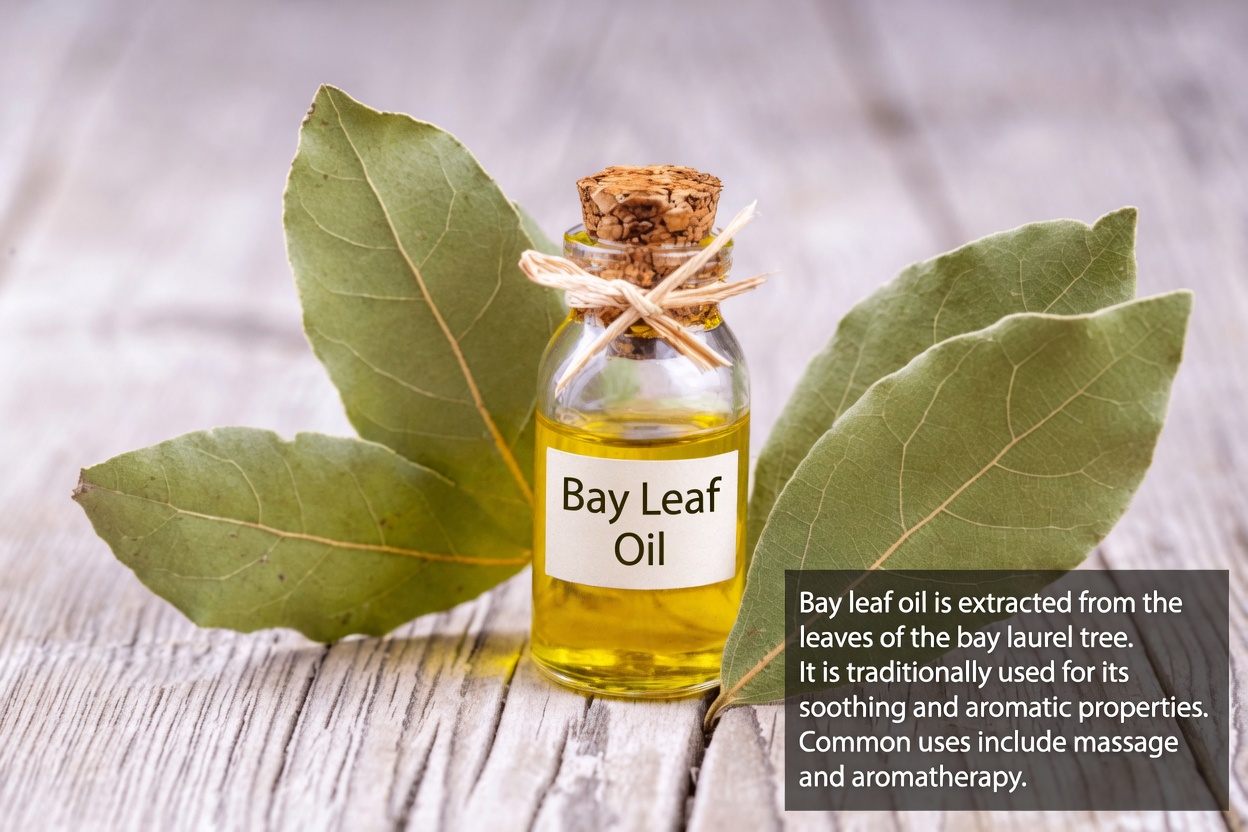
- Bay leaf–infused oil: Soak bay leaves in a carrier oil for about a week, strain, then use for gentle facial massage (avoid the eye area).
- Gentle exfoliating scrub: Mix a small amount of bay leaf infusion (or very finely ground bay leaf) with sugar and a mild base, then use lightly—no harsh rubbing.
Herbal infusions can retain certain beneficial compounds, but dilution is important to reduce the chance of irritation. For wrinkle-prone areas, many people focus application on spots like the forehead, around the mouth, and the jawline.
Potential Downsides and How to Avoid Them
Bay leaf is often well tolerated, but it’s not risk-free for everyone:
- Sensitive skin may react: Start slowly and patch test before applying to the face.
- Avoid using undiluted essential oils: They can be irritating and should not be used casually.
- Stop if irritation occurs: If you notice burning, itching, or rash, discontinue use and consult a professional.
Natural remedies can affect people differently, so paying attention to your skin’s response is essential.
Conclusion
Bay leaf is an affordable, widely available herb with antioxidants and soothing compounds that may support mature, wrinkle-prone skin over time. By using simple options like a bay leaf toner, facial steam, or a gentle mask—while also keeping up core habits like sunscreen, hydration, and a nutrient-rich diet—you may gradually see a more nourished, refreshed look. Consistency and realistic expectations are key.
FAQ
What makes bay leaf a good option for mature skin?
Bay leaf contains antioxidant and anti-inflammatory compounds that may help protect the skin from everyday stressors and calm minor redness, supporting a healthier appearance as part of a broader routine.
How often should I use bay leaf skincare remedies?
Begin with 1–2 times per week. If your skin tolerates it well, you can increase frequency—especially for a mild toner—after patch testing.
Can bay leaf replace professional skincare products?
No. Bay leaf is best viewed as a complementary, supportive option. Keep proven basics (like sunscreen) and consult a qualified professional for personalized guidance.
Individual results vary. Consult a healthcare professional before starting any new skincare practice, especially if you have allergies, chronic skin conditions, or underlying health concerns.