A Simple Antidote to Everyday Stress: Why Child’s Pose Works
Modern life often keeps the nervous system on high alert. Hours at a desk can lead to tight shoulders and a stiff back, while nonstop notifications and busy schedules fuel a mind that struggles to switch off. Over time, this constant “on” mode can leave you feeling worn out, tense, and mentally cloudy—even after sleeping well.
Fortunately, gentle yoga practices can support the body’s built-in ability to settle down and rebalance. One of the most approachable options is Child’s Pose (Balasana)—a restful posture known for its calming, grounding effect.
What makes this pose so effective, and how can you use it as a quick reset? Here’s what research and clinical insights suggest, plus an easy guide to practicing it safely.
What Is Child’s Pose (Balasana)?
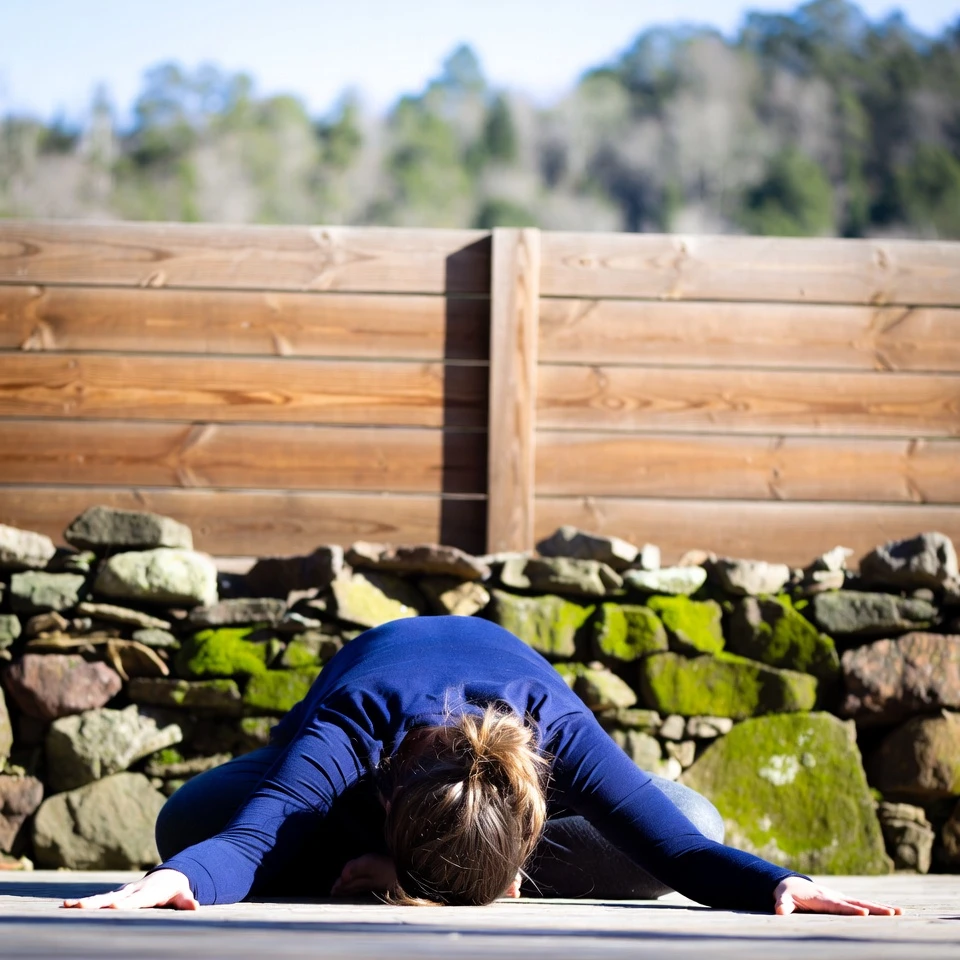
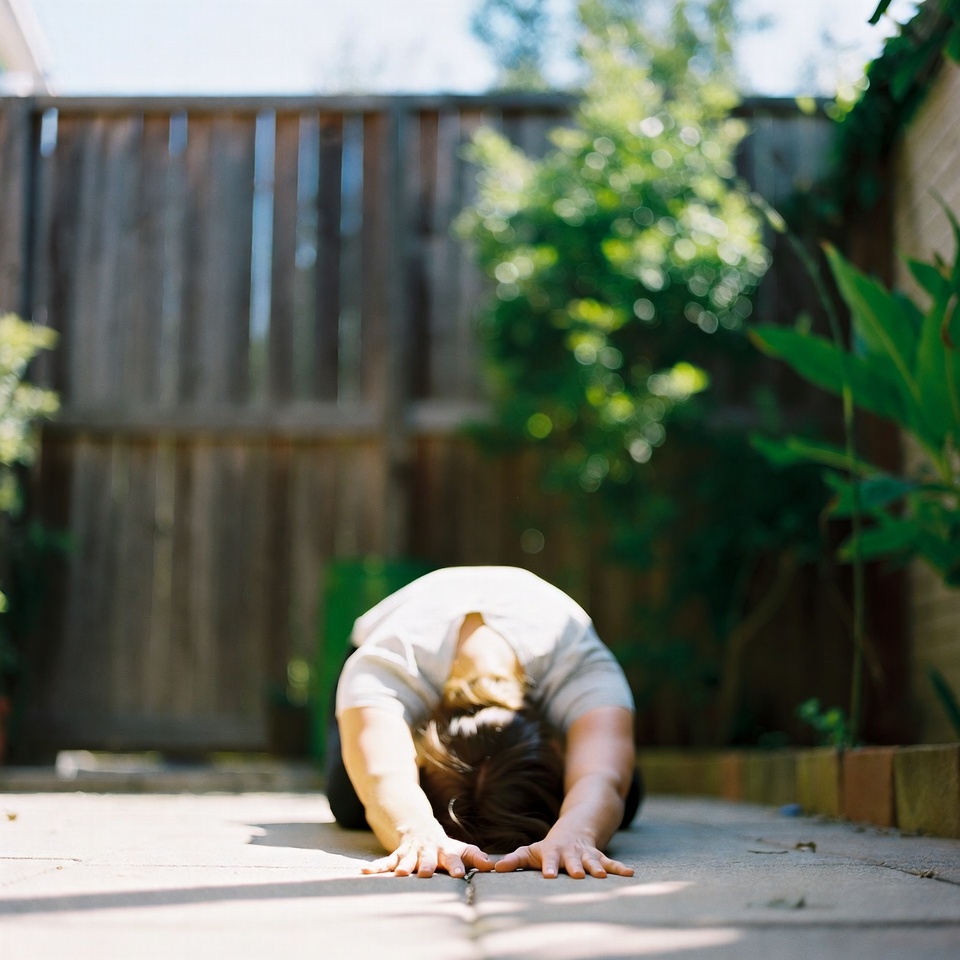
Child’s Pose, or Balasana in Sanskrit, is a classic restorative yoga position that resembles a natural fetal shape. In many yoga classes, it’s used as a pause between more demanding movements, but its value goes well beyond being a “rest break.”
To practice it, you kneel, sit back toward your heels, and fold your torso forward so your forehead rests on the mat (or on a cushion). Your arms can reach forward or relax by your sides. This forward-folding shape naturally encourages inward attention and a sense of letting go.
Health educators—including sources such as Cleveland Clinic—often explain that relaxing forward bends can help activate the parasympathetic nervous system (commonly described as “rest and digest”). That shift can help counter the body’s stress-driven “fight or flight” response.
How Child’s Pose May Support Nervous System Balance
Research on yoga shows meaningful connections to emotional regulation and reduced tension. A notable randomized controlled trial published in the Journal of Alternative and Complementary Medicine (Streeter et al., 2010) reported that a 12-week yoga program produced greater improvements in mood and anxiety measures than walking, alongside increases in GABA, a neurotransmitter associated with calm.
While that study evaluated yoga as a broader practice rather than isolating Child’s Pose alone, restorative postures like Balasana are widely recommended for calming because they combine:
- Gentle physical release, especially in stress-holding regions such as the hips, back, and shoulders
- Slower, deeper breathing, which supports relaxation responses in the body
- A quieting of sensory input, since resting the forehead down can feel soothing and signal “it’s safe to rest”
Together, this creates a small but powerful pattern interrupt—an intentional pause that can help your system downshift.
Benefits You May Notice (Body and Mind)
With consistent use, Child’s Pose can support both physical comfort and emotional ease. Commonly reported benefits include:
-
Easing tension from sitting and screen time
The posture gently lengthens the spine and soft tissues around the hips and shoulders. -
Encouraging deeper, calmer breathing
The folded position can direct awareness to the back body and ribs, promoting fuller breaths. -
Creating a grounded sense of calm
Many people feel more centered after holding the pose for even a minute or two. -
Supporting sleep routines
Practicing it in the evening may help signal to your body that it’s time to slow down. -
Improving focus after a reset
The inward, quiet shape can reduce mental noise and help you return to tasks with clearer attention.
These outcomes match broader findings shared by organizations like Johns Hopkins Medicine and the National Center for Complementary and Integrative Health (NCCIH), which highlight yoga’s potential role in stress management, emotional well-being, and sleep support.
How to Do Child’s Pose Safely (Step-by-Step)
Use this beginner-friendly approach to practice Child’s Pose comfortably:
- Begin on hands and knees on a yoga mat or soft surface.
- Bring your big toes together, then separate your knees to a comfortable distance (hip-width or wider).
- Exhale and glide your hips back toward your heels.
- Fold your torso forward between your thighs.
- Rest your forehead on the floor—or on a block, folded blanket, or pillow.
- Choose an arm position:
- Arms extended forward for a longer stretch through the back, or
- Arms alongside the body, palms up, for a more restorative feel
- Breathe slowly and deeply, focusing on expanding the back ribs as you inhale.
- Hold for 1–5 minutes, or longer if it feels supportive and easy.
- To exit, walk your hands back and slowly lift your torso on an inhale.
Gentle Modifications (Make It Work for Your Body)
- Place a bolster or pillow under the chest for extra support and easier breathing.
- Use a folded blanket under the knees to reduce pressure.
- If wide knees feel uncomfortable, keep the knees closer together.
If you have knee pain or injury, practice with guidance from a qualified professional and avoid forcing the position.
Quick Comfort Tips for Better Relaxation
- Use props without hesitation: comfort helps your nervous system relax more effectively.
- Send the breath into the back body: imagine inflating the ribcage gently on each inhale.
- Choose your environment: silence or soft music can make the pose feel even more restorative.
Why Practicing Child’s Pose Daily Can Be Worth It
Even a few minutes of Child’s Pose can act like a “reset button” during a busy day—between meetings, after long commutes, or before bed. With regular practice, many people report feeling more resilient to daily stressors, along with steadier energy and a more balanced outlook—benefits consistent with wellness research on yoga and relaxation training.
Because it requires no equipment and minimal space, it’s also one of the easiest calming practices to maintain consistently.
Frequently Asked Questions
How long should I hold Child’s Pose?
Begin with 30 seconds to 1 minute, then gradually increase to 3–5 minutes if it feels comfortable. Short holds can still feel refreshing.
Is Child’s Pose beginner-friendly?
Yes. Balasana is one of the most accessible yoga poses, especially with props and simple adjustments to reduce strain.
Can I do Child’s Pose every day?
In most cases, yes. Many people practice it daily as a gentle way to relax, reset posture, and release tension.
Disclaimer
This article is for informational purposes only and does not provide medical advice. Yoga practices such as Child’s Pose may support general wellness, but you should consult a healthcare professional before starting a new exercise routine—especially if you have injuries, medical conditions, or concerns. Results vary by individual, and this content is not a substitute for professional care.