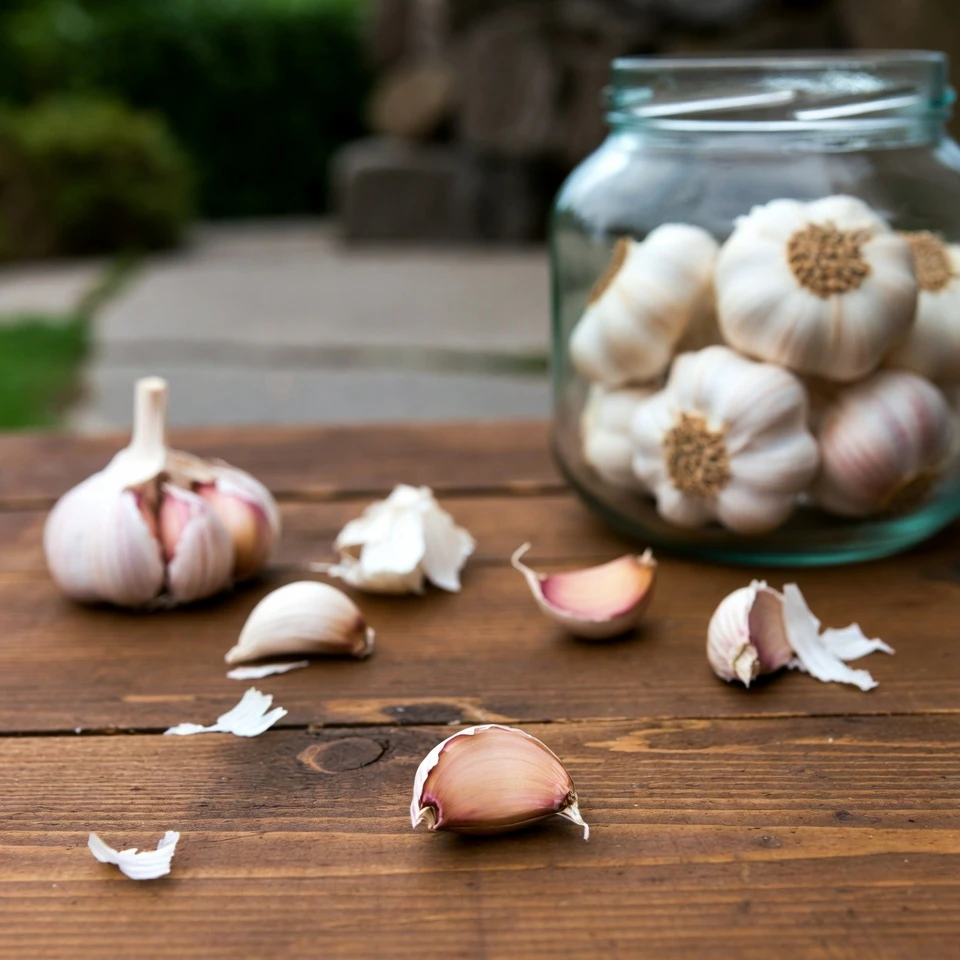
Ear Discomfort: Why It Matters and How Garlic May Help Support Comfort
Ear discomfort is incredibly common—ranging from pressure after a cold to occasional aches that interfere with work, sleep, and everyday conversations. Many people also experience muffled hearing, irritation, or a “plugged” feeling during allergy season or after swimming. As we get older and face more environmental triggers, these flare-ups can feel even more disruptive.
A question many people ask is whether garlic, a familiar kitchen staple, can be part of a gentle ear wellness routine. Garlic contains natural compounds that researchers have studied for their protective potential. While more human research is still needed, early findings and long-standing traditional use suggest garlic may offer supportive benefits for comfort—especially when used carefully and appropriately.
Why Ear Problems Feel So Disruptive
Ear issues often relate to factors such as:
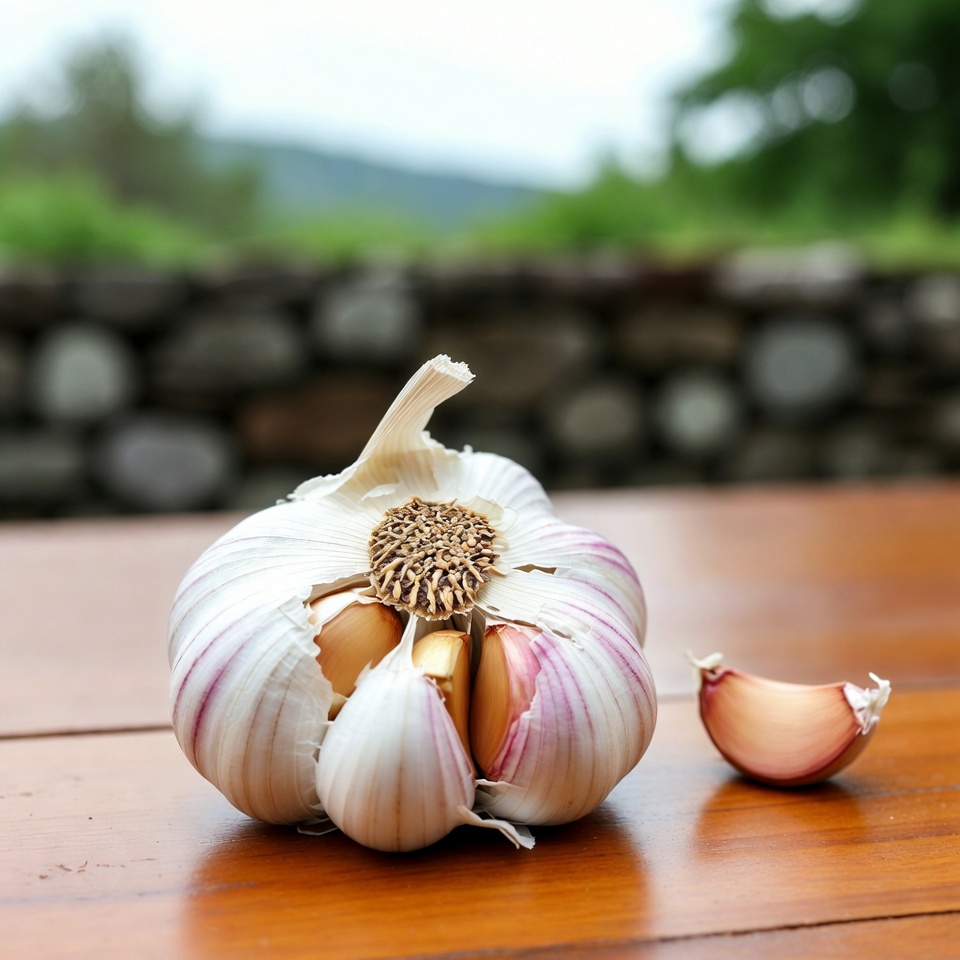
- Congestion and pressure from colds or seasonal allergies
- Minor inflammation in or around the ear
- Moisture exposure (for example, after swimming), which can encourage microbial growth
Health surveys indicate that many adults deal with recurring, seasonal ear-related complaints. When discomfort lingers, it can affect mood, concentration, and productivity.
Conventional options—like over-the-counter pain relievers or decongestants—may provide temporary relief. Still, many people look for gentle, home-based approaches to complement their routine. Garlic is frequently mentioned because of a well-known compound called allicin.
The Star Compound in Garlic: Allicin
When garlic is crushed or chopped, it produces allicin, a sulfur-containing compound responsible for garlic’s strong aroma and many of its studied properties. In laboratory settings, allicin has shown the ability to interfere with certain bacterial processes.
A 2019 microbiology study examining garlic derivatives (including allicin) reported inhibited growth of some bacteria associated with ear canal concerns—even at relatively low concentrations. These results are promising, but it’s important to remember that test-tube outcomes don’t automatically translate to the same results in real-world use. How garlic is prepared, how it’s used, and who uses it all matter.
One of the most common at-home methods is garlic-infused oil.
Potential Ear-Related Benefits of Garlic (Based on Early Research and Traditional Use)
Below are commonly discussed ways garlic may support ear comfort and protection, based on emerging research and traditional wellness practices:
-
Antimicrobial activity
Lab research suggests garlic compounds may act against certain bacteria and fungi. This could be relevant for mild external ear concerns linked to moisture exposure. -
Anti-inflammatory support
Some studies indicate garlic may influence inflammatory pathways, potentially helping calm mild irritation or swelling. -
Comfort and soothing for pain
Older clinical observations of herbal ear drop formulas (including garlic) reported pain relief comparable to standard options in children with middle-ear discomfort. The soothing effect may come from warm oil plus plant compounds. -
Immune system support (through diet)
Regular dietary garlic intake has been discussed in reviews focused on organosulfur compounds and immune defense, including potential antiviral-related activity. -
Decongestion support
Garlic is sometimes associated with mucolytic-like effects, which may help thin mucus. This could indirectly reduce pressure by supporting clearer passages. -
Antioxidant protection
Garlic contains compounds that combat oxidative stress, which may be relevant for long-term tissue wellness. -
Tinnitus support (limited evidence)
Some limited discussion suggests sulfur-based compounds may support nerve-related comfort in certain contexts, though evidence remains thin. -
Earwax softening (oil-based use)
Oils—sometimes paired with garlic—may help soften wax gently for easier natural management.
These points align with discussions found in mainstream health resources (such as Healthline and Verywell Health) and scientific literature indexed on platforms like PMC. However, the quality and type of evidence varies across claims.
Garlic-Infused Oil: A Simple Recipe for Supportive, External Use
Important safety note: This method is intended only for mild, supportive comfort. Do not put garlic oil in your ear if you suspect a perforated eardrum, notice fluid/discharge, have severe pain, significant hearing loss, fever, or signs of infection. When in doubt, consult a healthcare professional first.
Ingredients
- 2–3 fresh garlic cloves
- 1/4 cup carrier oil (olive oil or sesame oil are common choices)
- Optional: a small pinch of mullein herb (often used traditionally for soothing)
Step-by-step instructions
- Crush or finely chop the garlic. Let it rest for 10–15 minutes to allow allicin to form.
- Warm the carrier oil gently over low heat. Do not boil.
- Add the garlic (and mullein, if using). Keep on very low heat to infuse for 20–30 minutes.
- Strain the mixture through cheesecloth into a clean glass bottle.
- Refrigerate and use within up to 1 week.
How to use (short-term supportive approach)
- Warm a few drops slightly (test temperature on your wrist first).
- Lie on your side and apply 2–3 drops near the outer ear canal.
- Stay in that position for about 5 minutes.
- Use 1–2 times daily, only for short periods, and stop if irritation occurs.
Tip: Do a small skin patch test first to check for sensitivity or irritation.
Garlic Oil vs. Common Approaches (At-a-Glance)
-
Minor discomfort
- Typical approach: OTC pain relievers
- Garlic oil’s role: may offer gentle soothing when warmed
-
Bacterial exposure (when infection is suspected)
- Typical approach: antibiotics if prescribed
- Garlic oil’s role: lab research shows antimicrobial potential, but it is not a substitute for medical treatment
-
Inflammation
- Typical approach: anti-inflammatory medications
- Garlic oil’s role: may support mild inflammatory modulation
-
Cost and convenience
- Typical approach: varies
- Garlic oil’s role: inexpensive and easy to prepare at home
Practical Tips to Improve Results (Safely)
- Add warmth: After applying drops, a warm compress over the ear may enhance comfort.
- Use garlic in meals: Cooked or raw garlic can support general immune health from the inside out.
- Keep it short-term: Monitor how you feel. If symptoms persist, stop and seek medical advice.
- Be cautious with combinations: Some people mix garlic with honey for immune support orally, but avoid improvising ear remedies without clear guidance.
Frequently Asked Questions
Is garlic oil safe for everyone?
Many people tolerate it, but avoid garlic oil if you have a garlic allergy, skin sensitivity, or open wounds near the ear. Speak with a clinician first for children, pregnancy, or any ongoing medical condition.
How quickly might I feel relief?
Some people notice a soothing effect within a few days for mild issues, but results vary. Garlic oil is best viewed as supportive care, not a guaranteed solution.
Can garlic oil replace a doctor visit?
No. Seek professional care for persistent or worsening pain, hearing changes, discharge, fever, suspected infection, or any concern about eardrum damage. Home remedies should be complementary, not a replacement for diagnosis and treatment.
Medical Disclaimer
This article is provided for informational purposes only and is not medical advice. Always consult a qualified healthcare professional before trying any home remedy—especially for ear-related symptoms—to confirm it is safe and appropriate for your situation.