Waking Up Soaked at Night? Here’s What Night Sweats May Be Telling You
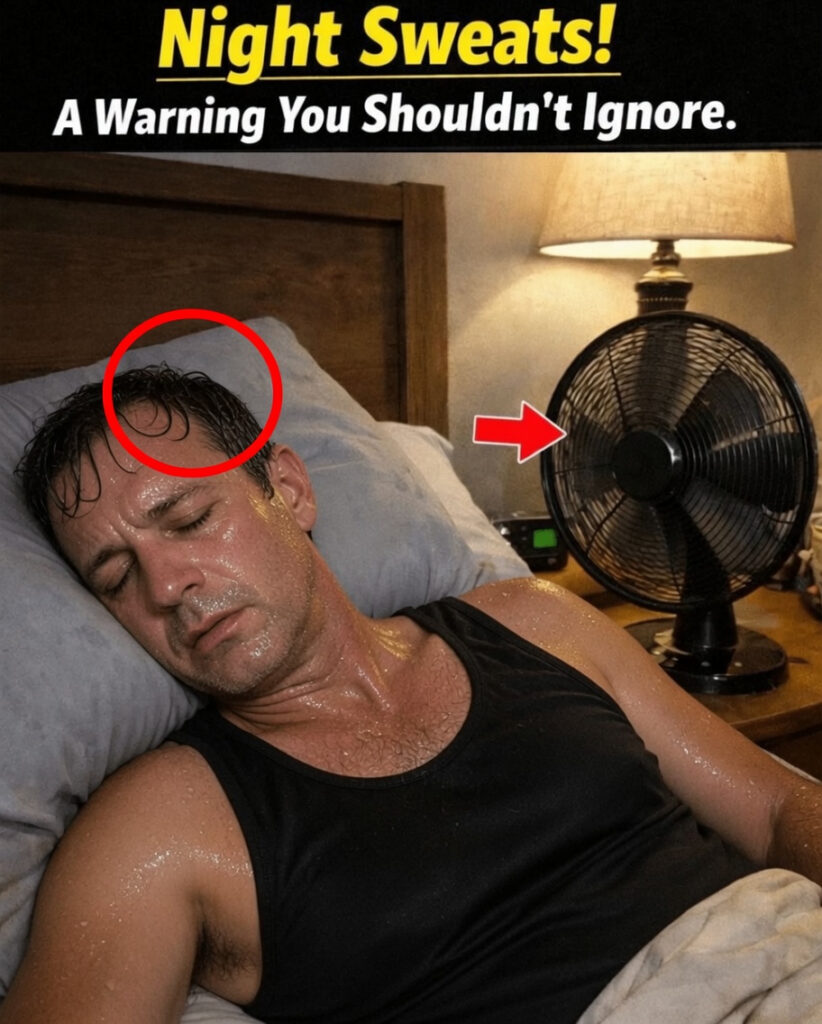
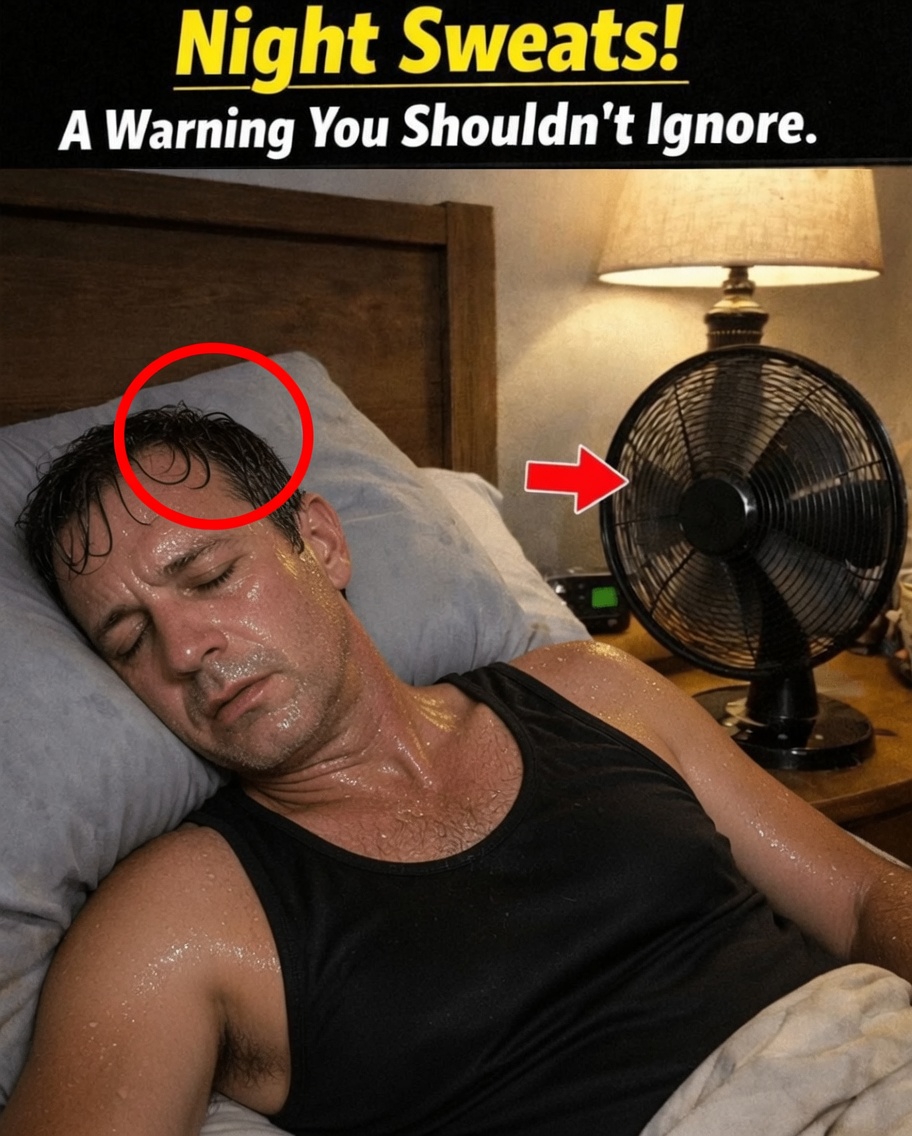
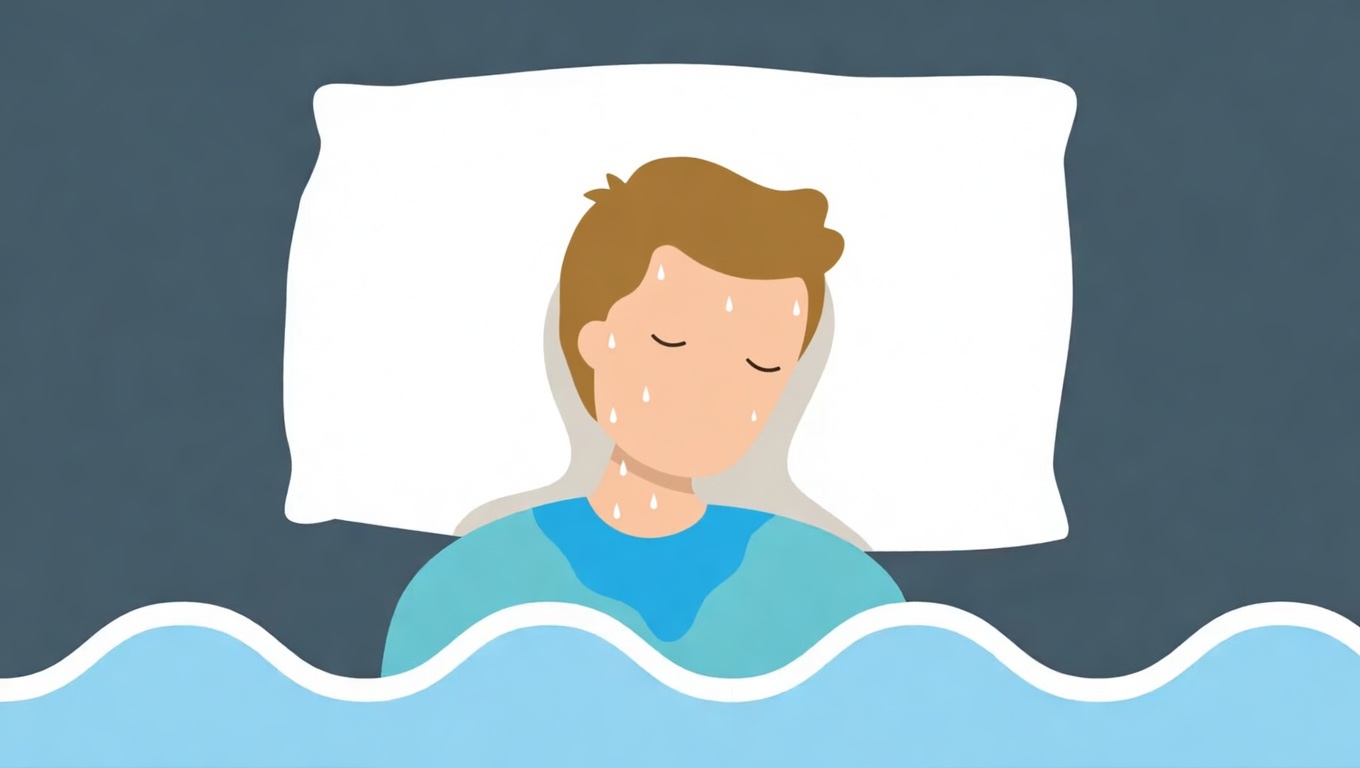
Picture this: you wake up in the middle of the night with your pajamas, pillow, and sheets drenched, even though your bedroom is cool and comfortable. It is uncomfortable, disruptive, and often stressful. After tossing around trying to dry off and fall back asleep, you may spend the next day drained and wondering whether your body is trying to signal something important.
The reassuring news is that night sweats are often linked to recognizable causes, and many of them can be improved with a few practical changes. By learning what may be behind them, you can start making your nights more restful.
What Are Night Sweats?
Night sweats refer to heavy sweating that happens during sleep even when the room is not hot. You may wake up with damp sleepwear or bedding, despite not being overheated from exercise or a warm environment. According to experts, excessive sweating affects a small but meaningful percentage of people, with roughly 3% experiencing it overall.
This happens because the body’s temperature regulation system becomes overactive. The hypothalamus, a part of the brain responsible for controlling body temperature, can sometimes send signals that activate sweat glands when cooling is not really needed.
Occasional sweating at night is usually nothing unusual. But if it becomes frequent, intense, or soaking, it is worth looking more closely at possible causes. In many cases, simple lifestyle adjustments can help.
8 Common Factors Linked to Night Sweats
Doctors usually review your health history, symptoms, and medications, and may recommend basic testing to find the reason. Research and clinical guidance from trusted institutions such as the Mayo Clinic and Cleveland Clinic point to several common patterns.
1. Menopause and Hormonal Changes
One of the best-known causes of night sweats is menopause. Changes in estrogen levels can trigger sudden waves of heat while sleeping. Women who have had their ovaries removed or undergone certain cancer treatments may experience similar symptoms at a younger age.
Stress, emotional shifts, and regular alcohol use can make these episodes feel stronger. Many people get relief by wearing breathable cotton sleepwear, using lighter bedding, and keeping a fan nearby while discussing longer-term options with a healthcare professional.
2. Idiopathic Hyperhidrosis
Sometimes there is no clear medical explanation. In idiopathic hyperhidrosis, the body produces excessive sweat without an obvious underlying illness. It is not usually dangerous, but it can interrupt sleep and become frustrating over time.
A helpful strategy is to track patterns before bed. Food, drinks, stress, and room conditions may reveal triggers you did not notice before.
3. Infections
Some infections can push the body to work harder overnight, leading to intense sweating. Examples include:
- Tuberculosis
- HIV and related conditions
- Endocarditis
- Osteomyelitis
More than half of people with tuberculosis report night sweats, and they are also seen in about 10% of people living with HIV. Fever, tiredness, and swollen lymph nodes may happen at the same time. If you have recently felt unwell, this is important to mention to your doctor.
4. Cancer
Night sweats may occasionally appear as an early symptom of certain cancers, especially lymphoma, including Hodgkin lymphoma. About one in four people with Hodgkin lymphoma report this issue. It may occur along with unexplained weight loss, itching, or other symptoms.
On its own, night sweating does not usually mean cancer. However, keeping track of new or unusual symptoms can help your doctor decide whether further evaluation is needed.
5. Medications
A number of commonly used medications can cause sweating during sleep as a side effect. Antidepressants are among the most frequent examples, with up to 22% of users reporting this problem. Other medications that may contribute include:
- Hormone treatments
- Steroids
- Certain diabetes drugs
- Over-the-counter fever reducers such as aspirin or ibuprofen
If your symptoms started after beginning a new medicine, it is worth raising the issue at your next appointment. Do not stop prescribed medication on your own—your doctor can help you adjust treatment safely if needed.
6. Low Blood Sugar
For people with diabetes, especially those using insulin or some oral medications, low blood sugar during the night can trigger heavy sweating. The body reacts quickly when glucose drops, which may wake you up feeling sweaty, shaky, or hungry.
In some cases, a balanced bedtime snack that includes protein and complex carbohydrates may help stabilize levels overnight, but this should always be discussed with your healthcare provider.
7. Endocrine Disorders
Hormone-related medical conditions can also cause night sweats. These include:
- Hyperthyroidism
- Pheochromocytoma
- Carcinoid syndrome
Although less common, these conditions can affect energy, heart rate, and blood pressure in noticeable ways. Blood tests and other medical assessments can help confirm whether a hormonal issue is involved.
8. Neurological Conditions
Problems affecting the nervous system may interfere with the body’s ability to regulate temperature. Possible examples include autonomic neuropathy, recovery after stroke, and syringomyelia.
These causes are not as common, but they may be considered when sweating appears together with symptoms such as dizziness, numbness, or unusual changes in body sensation.
Everyday Habits That May Help Reduce Night Sweats
You do not need expensive tools to make sleep more comfortable. Many people notice improvement with a few simple changes:
- Keep your bedroom cool, ideally around 60 to 67°F
- Use a fan to improve air circulation
- Choose lightweight, moisture-wicking pajamas and bedding
- Avoid alcohol, caffeine, spicy foods, and heavy meals close to bedtime
- Do not exercise intensely right before sleep
- Reduce smoking or tobacco use, particularly in the evening
These adjustments may seem small, but together they can make a real difference. One surprisingly effective tip is switching to cooling bedding materials, such as bamboo sheets or a cooling mattress topper, which can help you wake up feeling much drier.

When You Should Speak With a Doctor
Night sweats are often harmless, but there are times when medical advice is the right next step. You should consider seeing a healthcare professional if:
- They happen on most nights
- They soak your clothes or bedding
- They occur with fever
- You notice unexplained weight loss
- Fatigue or weakness is also present
A doctor can rule out underlying health conditions and help identify the best approach based on your symptoms and medical history.
Final Thoughts: Small Changes Can Improve Your Nights
Night sweats can feel discouraging, but you are far from alone. Many people deal with them and successfully find ways to sleep more comfortably. Understanding the possible causes is the first step, and small lifestyle changes can often bring meaningful relief.
One especially helpful habit is creating a calming cool-down routine about 30 minutes before bed. This might include dimming the lights, drinking caffeine-free herbal tea, and choosing breathable layers. For many people, this simple routine becomes the unexpected change that improves sleep the most.
You deserve better rest. Start with one small adjustment tonight and notice what changes.
FAQ
What is the most common cause of night sweats?
Hormonal changes—especially those linked to menopause—are among the most common causes in adults. Medications and environmental or lifestyle factors are also frequent contributors.
Can food and drinks cause night sweats?
Yes. Alcohol, caffeine, and spicy foods can raise body temperature and make sweating more likely at night. Reducing them in the evening often helps.
When should I worry about night sweats?
If they happen often, soak your bedding, or come with symptoms such as fever, unexplained weight loss, or persistent fatigue, it is a good idea to seek medical advice.
Disclaimer
This article is for informational purposes only and does not replace professional medical advice, diagnosis, or treatment. Always consult a qualified healthcare provider about health concerns or before changing your routine.