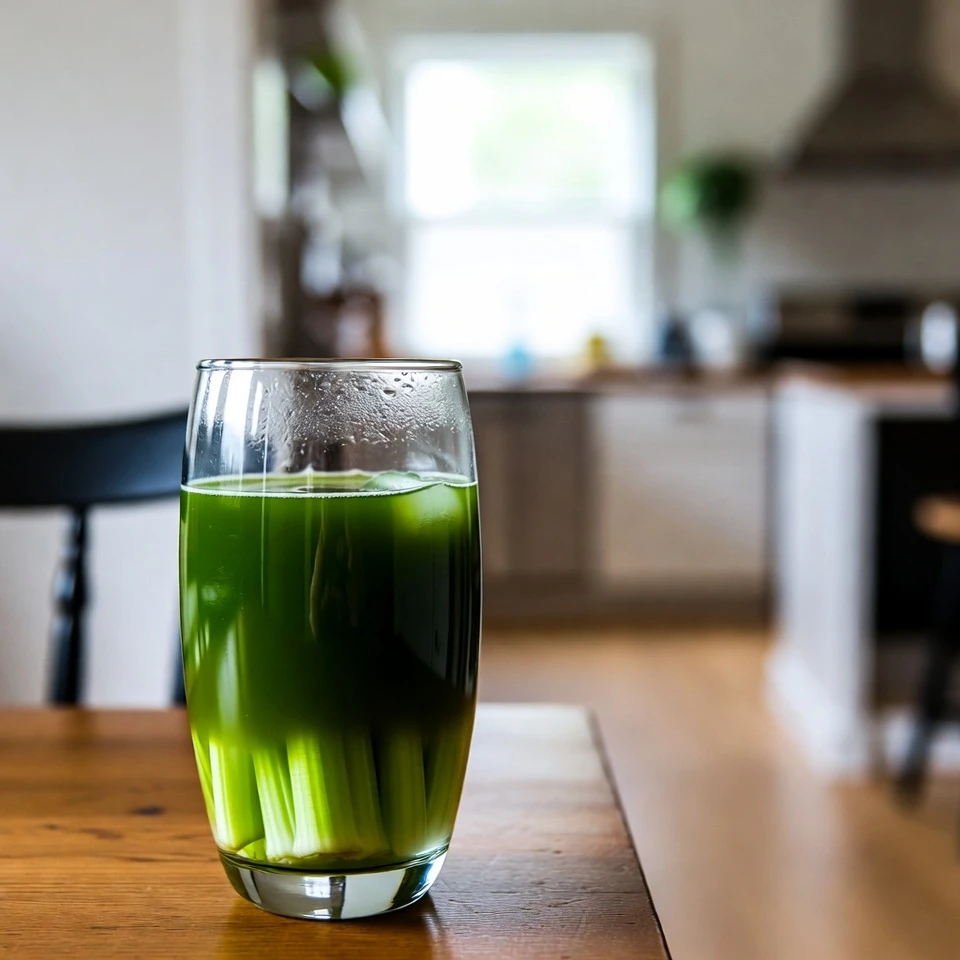
Celery Juice: A Simple Morning Habit for Hydration, Antioxidants, and Everyday Balance
Feeling tired, puffy, or like your skin has lost some of its glow? Many people experience low energy, occasional digestive discomfort, and a sense that their body could use more internal support. Over time, stress, dietary habits, and environmental exposure can contribute to that “off” feeling.
One surprisingly simple option—when used the right way—is celery juice. It’s not a miracle cure, but it may offer gentle daily support for hydration, antioxidant intake, and overall wellness. And importantly, how you prepare it can significantly affect what you get from it.
Why Celery Gets So Much Attention
Celery (Apium graveolens) is a crunchy, refreshing vegetable used worldwide for generations. Beyond being low-calorie and water-rich, it contains a mix of nutrients and plant compounds that have made it popular in natural wellness circles.

Celery naturally contains:
- Very high water content (around 95%), supporting daily hydration
- Electrolytes and minerals such as potassium and magnesium, linked with normal fluid balance and muscle function
- Flavonoid antioxidants, including apigenin and luteolin, which are studied for their roles in managing everyday oxidative stress
- Plant compounds associated with inflammatory balance, potentially supporting general comfort and well-being
Scientific interest in celery often focuses on its antioxidant activity. Compounds like apigenin and luteolin have shown promising effects in laboratory and animal research related to oxidative stress and inflammatory pathways.
A key point, however: these compounds can be sensitive, and certain preparation methods may reduce their impact.
Celery Juice and Daily Hydration: Why It Matters
Hydration is a foundation of feeling well—supporting circulation, digestion, and energy. Celery juice provides fluids plus electrolytes, especially potassium, which plays a role in normal blood flow and healthy blood pressure regulation.
Some research also highlights celery’s natural compounds (including phthalides) that may support blood vessel relaxation, which is associated with healthy circulation. Combined with better hydration, this can contribute to a lighter, more energized feeling throughout the day.
On a practical level, improved hydration also supports:
- Nutrient transport
- Normal cellular function
- Waste removal processes
The Inside-Out Link: Celery Juice and Skin Appearance
Skin often reflects what’s happening internally. Dehydration, digestive imbalance, and ongoing low-grade inflammation can show up as dullness, puffiness, excess oil, or breakouts.
Because celery is hydrating and contains antioxidant flavonoids, some people find that consistent use supports a clearer, brighter-looking complexion over time. These changes are often gradual and may relate to improved hydration and a better internal balance—not overnight transformation.
Consistency matters more than intensity. Small daily habits can compound into noticeable changes.
Gentle Support for Key Organs (Within a Healthy Lifestyle)
Your body relies on organs like the kidneys, liver, and pancreas to maintain balance every day. Celery’s water content, mineral profile, and plant compounds may offer mild, supportive effects.
Potential areas of support include:
- Kidneys: The combination of water and potassium may support normal fluid movement and waste elimination.
- Liver: Antioxidants such as apigenin have been explored in animal studies for their relationship to oxidative stress and liver enzyme activity.
- Pancreas and metabolic balance: Celery is naturally low in sugar and fits well into eating patterns aimed at steady energy.
These effects are best viewed as supportive and subtle, not as standalone solutions. Reviews of celery phytochemicals suggest possible metabolic and organ-related benefits, but more human research is still needed.
Why the Preparation Method Can Make or Break the Benefits
Celery’s value is closely tied to the integrity of its plant compounds. Heat, heavy processing, and mixing with other ingredients can change how it’s absorbed or reduce the potency of certain components.
The Commonly Recommended Method (Based on Wellness Traditions)
To get the most from celery juice, many routines follow these steps:
- Use fresh celery, preferably organic
- Wash thoroughly to remove debris and residue
- Juice it fresh (aiming for a clean, liquid juice consistency)
- Drink 16 oz (about one bunch) first thing in the morning
- Take it on an empty stomach
- Wait 20–30 minutes before eating or drinking anything else
This timing is often recommended to reduce interference from other foods during digestion.
What to Avoid for Best Results
Common habits that may reduce the intended effect include:
- Cooking or heating celery (can damage heat-sensitive compounds)
- Adding fruit, lemon, honey, or sweeteners (may change absorption and raise the overall sugar impact)
- Drinking it after meals (digestion of other foods may interfere)
- Choosing store-bought pasteurized celery juice (processing can reduce freshness-related qualities)
For those aiming to follow the classic approach, the simplest route is: fresh, plain, raw celery juice.
Step-by-Step: How to Start a Celery Juice Routine
If you want to try celery juice, keep it simple:
- Buy 1–2 bunches of celery (organic if available).
- Rinse stalks thoroughly under running water.
- Trim the ends and cut into juicer-sized pieces.
- Juice until you have about 16 oz.
- Drink slowly after waking, before coffee or breakfast.
- If you make extra, store it in an airtight glass container in the refrigerator and use within 24 hours.
If you’re new to juicing, start with 8 oz and increase gradually as your body adjusts. For best results, pair this habit with a whole-food diet, adequate sleep, and regular movement.
What You Can Realistically Expect
People who stick with celery juice often describe gradual, non-dramatic changes such as:
- Feeling less bloated in the morning
- Smoother digestion and a “lighter” feeling
- More hydrated-looking skin over a few weeks
- A general boost in day-to-day wellness
Outcomes vary widely depending on diet, stress, sleep, activity, and individual sensitivity. The biggest benefits—if they happen—typically come through routine and patience, not quick fixes.
Final Takeaway
Celery juice isn’t a cure-all, and it won’t replace medical care or fundamental lifestyle habits. Still, when prepared thoughtfully, it can be a practical, affordable way to support hydration, add plant-based antioxidants, and encourage everyday internal balance.
Sometimes the most useful wellness habits aren’t exotic—they’re simple tools already sitting in your produce drawer.
Frequently Asked Questions
Can I drink celery juice if I have a medical condition?
Check with your healthcare provider first—especially if you take medications (for example, blood thinners, since celery contains vitamin K) or if you have kidney-related conditions.
Is celery juice okay to drink every day?
For many people, daily use in moderation is fine as part of a varied diet. Start with a smaller amount to assess tolerance.
What if I don’t own a juicer?
You can blend celery with water and strain it. The texture and fiber content may differ, but fresh preparation is still better than skipping it entirely.
Disclaimer
This article is for informational purposes only and does not provide medical advice. Celery juice is not a substitute for professional healthcare. Speak with a qualified healthcare provider before making dietary changes, especially if you have medical conditions or take medications. Individual results vary, and no food guarantees specific health outcomes.