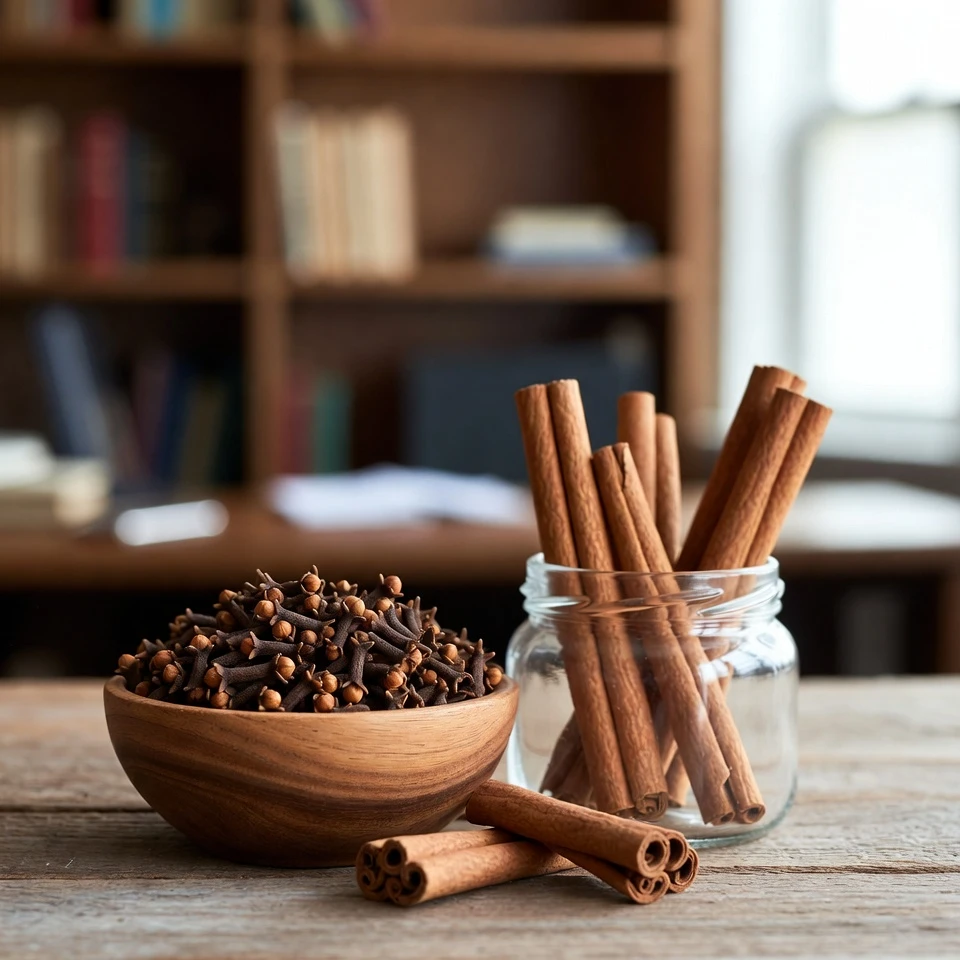
Many people notice noticeable hair changes after 30—thinner-looking strands, slower growth, and more shedding than they remember in their 20s. Hormone fluctuations, chronic stress, and everyday lifestyle habits can all affect how full and resilient hair looks and feels. While there’s no single “magic” solution, common kitchen spices like cloves and cinnamon are drawing attention for their natural properties that may help support scalp health and overall hair appearance.
Could a simple homemade clove and cinnamon hair rinse become a practical addition to your routine—helping create a healthier scalp environment over time? Below, you’ll find what the research suggests, how to use it safely, and why consistency matters.
Why Hair Often Changes After 30
Entering your 30s, 40s, and beyond, it’s common for hair to shift in density, texture, and shedding patterns. Research frequently cited in hair-loss discussions suggests that by around age 40, roughly 40% of women (and many men) may experience noticeable thinning or reduced fullness. By age 50, visible changes become even more common—especially for men, but also for a substantial number of women.

Hair typically grows about half an inch (around 1.25 cm) per month, yet growth and overall appearance can be influenced by factors such as:
- Reduced scalp circulation over time
- Product buildup and clogged follicles
- Scalp irritation or sensitivity
- Higher stress load and sleep disruption
For many, the first sign is simply seeing more strands in the shower drain or hairbrush—often leading to frustration with styling and a desire for fuller-looking hair.
The encouraging part: supporting the scalp with gentle, consistent habits can help maintain healthier-looking hair. This is where cloves and cinnamon for hair come into the conversation.
Why Cloves and Cinnamon Are Popular in Natural Hair Care
Interest in cloves and cinnamon comes from specific bioactive compounds that have been studied for scalp and skin support.
Cloves: Antioxidant and Scalp-Soothing Potential
Cloves contain eugenol, a compound investigated for antioxidant, anti-inflammatory, and antimicrobial properties. Some research (including animal studies) suggests eugenol may help:
- Calm mild scalp irritation
- Support a cleaner scalp environment
- Encourage healthier circulation, improving nutrient delivery to follicles
Certain studies involving clove-oil formulations in animal models have also noted potential benefits related to conditioning and hair support.
Cinnamon: Circulation Support and Follicle Activity Signals
Cinnamon contains cinnamaldehyde, a well-known aromatic compound linked in lab and animal research to circulation-related effects. A 2018 rat study reported cinnamon oil supported hair length increases in ways that were comparable to minoxidil in some measures—likely connected to improved blood flow to the scalp. Additional early-stage lab findings suggest cinnamon-related compounds may activate pathways associated with follicle activity.
Why Combine Them?
When used together as a simple infusion, cloves and cinnamon may offer complementary benefits:
- Supporting circulation to the scalp
- Reducing minor irritation
- Helping maintain a fresh, balanced scalp environment
Human clinical research is still limited, but the combination of preliminary evidence and widespread anecdotal use makes this rinse appealing as a supportive, low-cost hair routine add-on. Many people also enjoy the invigorating scent and warming feel during application.
What People Report After Using a Clove and Cinnamon Rinse
In wellness forums and hair-care communities, users often describe improvements such as:
- Less shedding after several weeks of consistent use
- Noticeable “baby hairs” along the hairline
- Hair that looks shinier or feels stronger, especially with scalp massage
A repeating theme in these experiences is consistency—using the rinse multiple times per week while also focusing on basics like nutrition, low-tension styling, and stress reduction. Results vary depending on genetics, hormone health, and overall scalp condition, but many appreciate how accessible this method is.
How to Make a Clove and Cinnamon Hair Rinse
This DIY method works like a strong herbal “tea” used as a scalp and hair rinse. It’s simple, affordable, and easy to fit into a routine.
Ingredients (1 batch)
- 1–2 tablespoons whole cloves (or ground cloves)
- 1–2 teaspoons ground cinnamon (or 1–2 cinnamon sticks)
- 1.5–2 cups hot water
Step-by-step instructions
- Add the cloves and cinnamon to a heat-safe bowl or jar.
- Pour in hot water (avoid boiling water if your scalp is sensitive) and stir.
- Cover and let it steep for 8–48 hours. A longer steep (around 24 hours) creates a stronger infusion.
- Strain extremely well using a fine mesh strainer, cheesecloth, or a coffee filter. This helps prevent spice particles from sticking to the scalp or hair.
How to Use the Rinse (Best Practices)
- Pour the cooled infusion into a clean spray bottle.
- Apply to the scalp (and optionally through the lengths) either:
- after shampooing on damp hair, or
- on dry hair as a pre-wash treatment
- Massage the scalp gently for 5–10 minutes to encourage circulation.
- Leave it on as a leave-in treatment or rinse it out after 30–60 minutes.
- Use 3–4 times per week for a routine-friendly approach.
Pro tip: Apply a light carrier oil (such as coconut or olive oil) to the ends afterward to help seal in moisture and reduce dryness.
Safety note: Always do a patch test on the inner arm first, especially if you have sensitive skin.
Hair Concerns This Rinse May Help Support (and Evidence Level)
- Thinning appearance: may support circulation and nutrient delivery
- Evidence: animal studies + anecdotal reports
- Slow-looking growth: may improve blood flow to follicles
- Evidence: lab/animal research suggests potential
- Excess shedding: may calm irritation and support scalp comfort
- Evidence: preliminary + user reports
- Dull or brittle feel: antioxidants may help protect, especially alongside good moisture habits
- Evidence: indirect
- Scalp discomfort: antimicrobial and soothing properties may be helpful
- Evidence: promising early research
Tips to Get Better Results From Your Routine
- Add scalp massage: small circular motions during application can complement the rinse.
- Support hair from within: prioritize protein (eggs, nuts, fish, lean meats, legumes) and stay hydrated.
- Track progress realistically: take photos every 4 weeks in similar lighting.
- Give it time: many people notice changes in 4–12 weeks with consistent use.
- Optional add-in: some people include fresh ginger for additional warming/circulation support.
Final Thoughts: A Simple Habit for Healthier-Looking Hair
A clove and cinnamon scalp rinse is a straightforward, natural method that may help support scalp wellness and the appearance of thicker, stronger-looking hair. By potentially promoting circulation, delivering antioxidant support, and helping maintain a cleaner scalp environment, this spice-based rinse can fit neatly into a holistic hair routine.
Start small—make one batch this week and see how your scalp responds. When paired with gentle styling, stress management, and balanced nutrition, small consistent habits can lead to visible improvements over time.
Frequently Asked Questions
How often should I use a clove and cinnamon hair rinse?
Many people do well with 3–4 times per week. If your scalp is reactive or dry, start with 1–2 times weekly and adjust.
Is it safe for colored or chemically treated hair?
Often yes, since it’s generally gentle, but always patch test and watch for any changes in color tone or dryness—especially on porous, lightened hair.
Who should avoid this rinse?
Avoid use if you:
- are allergic to cloves or cinnamon
- have open cuts, sores, or active inflammation on the scalp
- have very sensitive skin or known contact dermatitis (unless cleared by a professional)
Medical disclaimer: This article is for informational purposes only and is not medical advice. If you have significant hair loss, scalp pain, or a diagnosed scalp condition, consult a healthcare provider or dermatologist for personalized guidance.