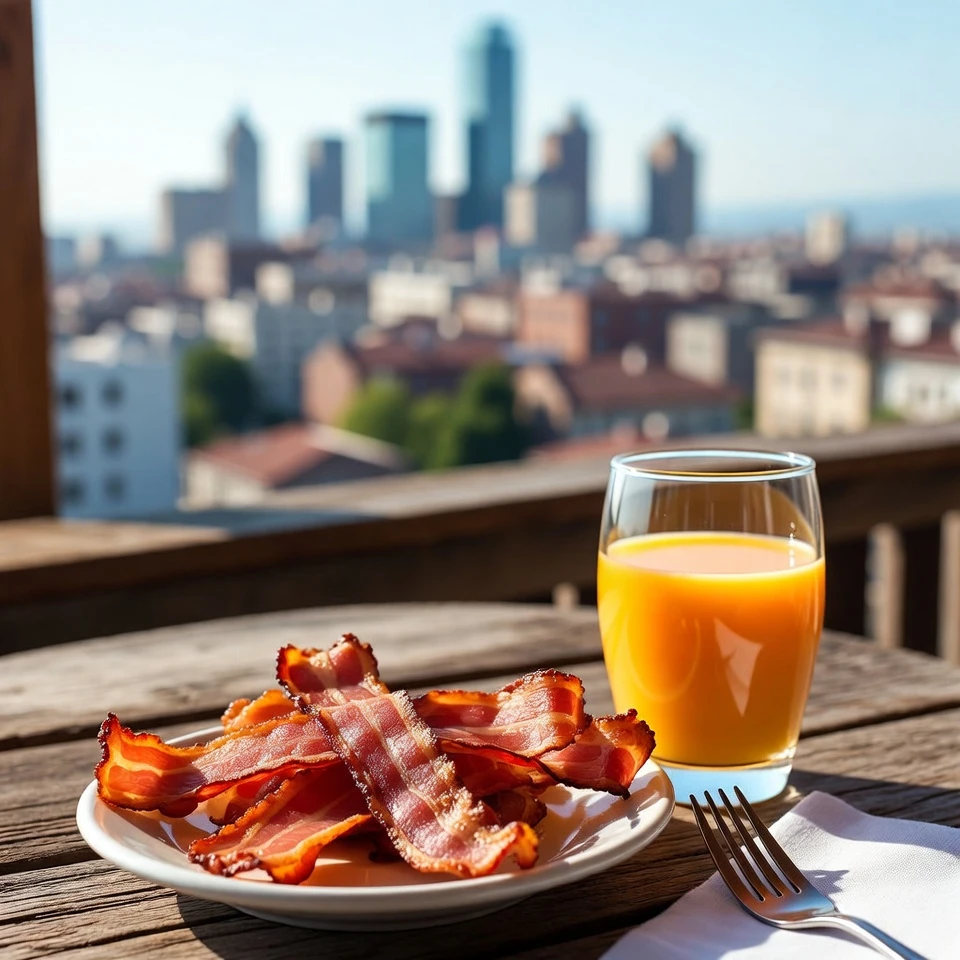
Processed Meats and Cancer Risk: What the WHO Classification Actually Means
For many people, breakfast isn’t complete without crispy bacon, a savory sausage, or a quick ham sandwich. In 2015, however, the World Health Organization’s International Agency for Research on Cancer (IARC) drew global attention by classifying processed meats—including bacon, hot dogs, ham, and sausages—as Group 1 carcinogens.
This label often sounds frightening because it’s the same category as tobacco smoke and asbestos. But the headline alone doesn’t tell the full story. The classification is based on strong evidence that regular consumption of processed meat increases the risk of colorectal (bowel) cancer. Understanding what “Group 1” means—and what it does not mean—can help you make informed decisions without unnecessary fear.
What “Group 1 Carcinogen” Means (and What It Doesn’t)
A Group 1 carcinogen is something for which researchers have convincing evidence from human studies that it can cause cancer. Processed meat was placed in this group after experts evaluated more than 800 studies conducted over many years.

A critical point: Group 1 describes strength of evidence, not size of risk.
Processed meat and smoking sit in the same evidence category, but their impacts are very different:
- Smoking can raise lung cancer risk dramatically (often many times higher).
- Processed meat has a much smaller effect, though still meaningful at the population level.
According to IARC, eating 50 grams of processed meat per day (roughly one hot dog or 2–3 slices of bacon) is linked to about an 18% increase in colorectal cancer risk.
To put that into perspective:
- In many populations, the lifetime risk of colorectal cancer is about 5–6%.
- A consistent daily habit may increase that risk modestly.
- Higher intake generally means higher risk—this is known as a dose–response relationship.
Importantly, one meal won’t determine your future health. Cancer risk is influenced by many factors, including genetics, body weight, fiber intake, physical activity, alcohol use, and overall dietary patterns.
Why Processed Meats Are Linked to Colorectal Cancer
Processed meats are preserved or flavored through methods such as curing, salting, smoking, fermentation, or the use of nitrates/nitrites. These steps can lead to the formation of compounds that may damage cells over time.
Key mechanisms scientists focus on include:
- Nitrates and nitrites
These can form N-nitroso compounds in the body, which are known to damage DNA. - Heme iron (common in red meat)
Heme can trigger reactions in the digestive tract that may harm the gut lining. - High-heat cooking (grilling, pan-frying, charring)
This can create heterocyclic amines (HCAs) and polycyclic aromatic hydrocarbons (PAHs)—chemicals linked to cancer risk. - Salt and smoke exposure
These may contribute to irritation and long-term inflammation in the digestive system.
The strongest and most consistent evidence connects processed meats to colorectal cancer, with some research also suggesting an association with stomach cancer.
What About Red Meat?
Unprocessed red meat (such as beef, pork, and lamb) was classified as Group 2A: “probably carcinogenic to humans.” The association is slightly lower but still concerning. IARC reported an estimated 17% increased colorectal cancer risk per 100 grams per day of red meat.
How Much Processed Meat Is “Too Much”?
Most major health organizations recommend keeping processed meats to a minimum.
Common guidance includes:
- Limit processed meat as much as possible (American Cancer Society and similar groups).
- If you do eat it, keep portions small and frequency low.
- For red meat, many recommendations suggest staying around 300–500 grams cooked weight per week.
The most encouraging takeaway: reducing intake—even a little—can help lower risk over time.
How to Cut Back on Processed Meat Without Feeling Deprived
You don’t necessarily need to ban your favorite foods forever. Many people find success by aiming for less often, smaller portions, and smarter swaps.
Try these practical strategies:
- Track your habits for one week
Write down when bacon, deli meats, or sausages show up. Awareness makes change easier. - Shrink the portion
Instead of making processed meat the main feature, use it as a small garnish or occasional treat. - Choose fresh protein more often
Replace sausages and deli meats with fresh-cooked chicken, turkey, fish, beans, or eggs. - Lean into plant-forward meals
Build plates with vegetables, legumes (lentils/beans), and whole grains to stay full and satisfied. - Upgrade your breakfast routine
Options like veggie omelets, oatmeal, yogurt with fruit, or avocado toast can reduce reliance on bacon-heavy breakfasts. - Read labels carefully
Products labeled “uncured” or “no added nitrates” are still processed meats in most cases. - Add fiber to support gut health
If you do eat meat, pair it with high-fiber foods like salad, beans, berries, or whole grains.
Quick Swap Ideas (Simple and Realistic)
- Bacon → turkey bacon or mushroom-based “bacon” strips
- Hot dogs → veggie dogs or homemade turkey/chicken versions
- Ham in sandwiches → fresh roasted turkey/chicken or hummus
- Sausages → bean-based patties or vegetable-forward alternatives
Small changes done consistently usually feel more sustainable than all-or-nothing rules.
Broader Expert Advice to Lower Overall Cancer Risk
Processed meat is only one variable. Research consistently shows cancer risk drops more when multiple healthy habits work together.
Key recommendations include:
- Eat more fruits, vegetables, and whole grains
- Get regular movement (about 150 minutes of moderate exercise per week)
- Maintain a healthy body weight
- Limit alcohol and avoid tobacco
- Follow colorectal cancer screening guidance (often starting around age 45, earlier for higher-risk individuals)
Lifestyle patterns matter—and combining these habits can significantly reduce overall risk.
Conclusion: A Real Risk, but a Manageable One
The WHO/IARC classification sends a clear message: processed meats like bacon, hot dogs, ham, and sausages are linked to colorectal cancer, especially when eaten frequently over the long term. Still, the risk is dose-dependent, and it can be reduced through realistic dietary adjustments.
Instead of panic, focus on progress: make one swap this week, reduce frequency, and build healthier habits that fit your life.
Frequently Asked Questions
Is eating bacon once a week dangerous?
No. Cancer risk is associated with consistent, long-term intake, not a single meal. For most people, occasional bacon can fit within a moderated diet.
Does cooking method change the risk?
Yes. Charring and high-heat frying can create additional harmful compounds. Gentler methods like baking (and avoiding heavy browning/blackening) may reduce exposure.
Are “uncured” or nitrate-free products safer?
They may avoid synthetic nitrates, but often use natural nitrate sources such as celery powder, which can still form similar compounds. These products still count as processed meats and may carry similar risks.
Disclaimer
This content is for informational purposes only and does not replace medical advice. Speak with a qualified healthcare professional for personalized guidance on diet, cancer risk, or colorectal cancer screening. Individual risk varies based on genetics, lifestyle, and medical history.