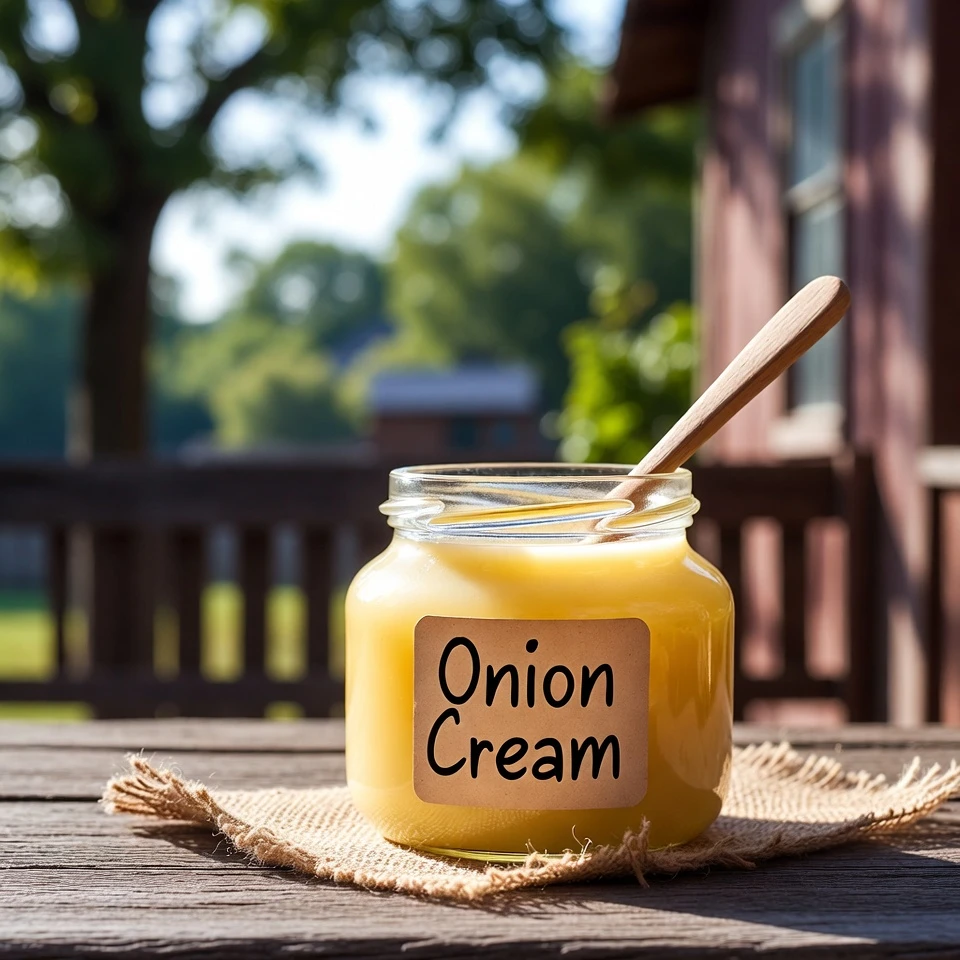
A Japanese-Inspired Homemade Onion Cream for Fine Lines and Dull Skin
As the years go by, many people begin to see fine lines, wrinkles, and a loss of smoothness that can make skin look less fresh than it once did. Sun exposure, daily stress, and the natural aging process often leave the complexion drier and less elastic, even with a solid skincare routine.
Although the market is full of “instant” solutions, some beauty traditions take a calmer route—using simple, everyday ingredients to support the skin gently. Inspired by Japanese-style natural skincare, this homemade onion cream is an affordable option you can try as a soothing part of your nighttime routine.
Why Japanese-Inspired Natural Skincare Still Matters
Japanese beauty routines are widely admired for their focus on consistency, hydration, and gentle care. Instead of relying only on expensive treatments, many traditional approaches prioritize:
- Daily habits over quick fixes
- Skin comfort and barrier support
- Nature-based ingredients that are easy to find
- A balanced, minimalist routine
This DIY onion cream reflects that same spirit. It isn’t marketed as a miracle treatment—think of it as a simple, calming ritual that may help the skin feel more nourished over time.
Why Onion Is Used in Natural Skin Preparations
Onion (commonly Allium cepa) contains quercetin, a flavonoid known for its antioxidant activity. Antioxidants help defend against free radicals, which are associated with visible aging signs like dullness and reduced firmness.
Onion extract has also been explored in topical skincare—especially for skin texture and scar appearance. Some clinical observations have reported improved scar softness and overall look after consistent use of onion-based gels over several weeks.
While most evidence focuses on scarring and soothing benefits rather than wrinkle correction, onion’s antioxidant profile and natural sulfur compounds may support a healthier-looking complexion when used in diluted form.
Key reasons this ingredient combination is interesting:
- Antioxidant support to help counter environmental stress that affects skin appearance
- Moisture assistance when paired with hydrating, skin-friendly bases
- Potential soothing effect for a calmer feel (varies by skin type)
- A subtle “glow” effect some users attribute to improved surface circulation during massage
This is not medical treatment—results vary depending on skin sensitivity, consistency, and overall lifestyle.
Ingredients for a Simple Homemade Onion Cream
Most of these items are common in many kitchens or bathrooms:
- 1 medium red onion (often higher in quercetin than some other varieties)
- 1 tablespoon pure aloe vera gel (hydration and soothing)
- 1 teaspoon coconut oil (softness and nourishment)
- 1 vitamin E capsule (optional) (extra antioxidant support)
- A few drops of rose water (optional) (light scent and mild toning feel)
How to Make Onion Cream at Home (Step by Step)
Follow these steps to create a small, fresh batch.
-
Make onion juice
- Peel the red onion, then grate or blend it.
- Strain through a clean cloth or fine sieve until you collect about 2 tablespoons of onion juice.
- Removing pulp helps reduce the chance of irritation.
-
Mix the cream base
- In a clean bowl, combine the onion juice with aloe vera gel and coconut oil.
- If using vitamin E, pierce the capsule and squeeze it in.
- Add a few drops of rose water if desired.
- Stir until the mixture looks smooth and creamy.
-
Store safely
- Transfer into a small, clean glass jar.
- Refrigerate and use within 5–7 days for freshness.
(Image placement suggestion: A realistic smartphone photo of freshly grated red onion on a wooden cutting board, with juice being strained through a white cloth into a small bowl. Natural kitchen light, slight hand blur for an everyday feel.)
How to Use It in Your Skincare Routine
For most people, nighttime use is the easiest and most comfortable.
- Cleanse your face with a gentle cleanser.
- Pat skin dry.
- Apply a pea-sized amount to areas where fine lines are common:
- forehead
- smile lines
- neck
- around the eye area (avoid direct contact with eyes)
- Massage gently in circular motions for 1–2 minutes.
- Leave on overnight, then rinse in the morning.
Patch test is essential: apply a small amount to the inner arm and wait 24 hours. If redness, burning, itching, or discomfort appears, stop using it.
Some people report improved softness and hydration after a few weeks, though results differ from person to person.
Habits That Help Skin Look Healthier (With or Without DIY Skincare)
A topical product works best when the basics are strong:
- Drink enough water daily for steady hydration
- Eat antioxidant-rich foods like berries, leafy greens, and nuts
- Prioritize sleep—skin recovery happens overnight
- Use broad-spectrum sunscreen every morning to reduce UV-related aging
These foundations can enhance any gentle add-on like a homemade cream.
(Image placement suggestion: A realistic mobile-shot of the finished cream in an open small glass jar on a white countertop, showing a creamy texture with a faint onion tint, aloe bits visible, soft window light, and minor imperfections like fingerprints on the jar.)
What Results People Commonly Notice (and Why This DIY Appeals)
Those who enjoy natural skincare routines like this often describe:
- A softer, more supple skin feel
- Improved moisture retention
- A subtle, healthy-looking radiance
- Gradual softening in the look of fine lines over time (not guaranteed)
The main draw is its simplicity: budget-friendly, ingredient-minimal, and inspired by traditional self-care rather than aggressive treatment.
FAQ: Onion Cream for Face Care
-
Is onion cream suitable for every skin type?
Many people can tolerate diluted onion juice, but sensitive or reactive skin may not. Patch testing is strongly recommended. -
How soon can results appear?
Hydration and softness may be noticeable within 1–2 weeks, while texture changes often take 4–6 weeks with consistent use. Individual outcomes vary. -
Can I use it during the day?
Nighttime use is usually preferred due to the mild onion scent. If your skin tolerates it and the scent doesn’t bother you, a thin layer can be used anytime. -
Does this replace professional skincare or dermatology?
No. This is a supportive, optional routine step. For persistent concerns or medical skin issues, consult a dermatologist.
Disclaimer
This article is for informational purposes only and does not provide medical advice. Homemade skincare is not a substitute for professional dermatological care. Consult a qualified healthcare provider before trying new topical applications, especially if you have skin conditions, allergies, or sensitivities. Results vary by individual, and no claims are made regarding treatment or cure of any condition.