Everyday Sluggishness Could Be a Sign Your Liver Needs More Support
Many people notice small, day-to-day discomforts—like feeling tired after meals, mild bloating, or a general “heavy” sensation—and assume it’s simply the result of a hectic schedule or less-than-ideal eating habits. In many cases, these sensations can also reflect how hard your liver is working to process what you consume, especially when your routine includes frequent processed foods, added sugar, or alcohol.
Your liver is naturally designed to detoxify and regulate the body efficiently. Still, choosing whole, nutrient-dense foods can gently support its everyday workload—often helping you feel more energized, lighter, and more balanced.
A Simple 3-Day Liver-Supportive Food Focus (No Extreme “Cleanse”)
What if just three days of prioritizing hydration, antioxidants, and fiber-rich meals helped you notice subtle improvements in how you feel?
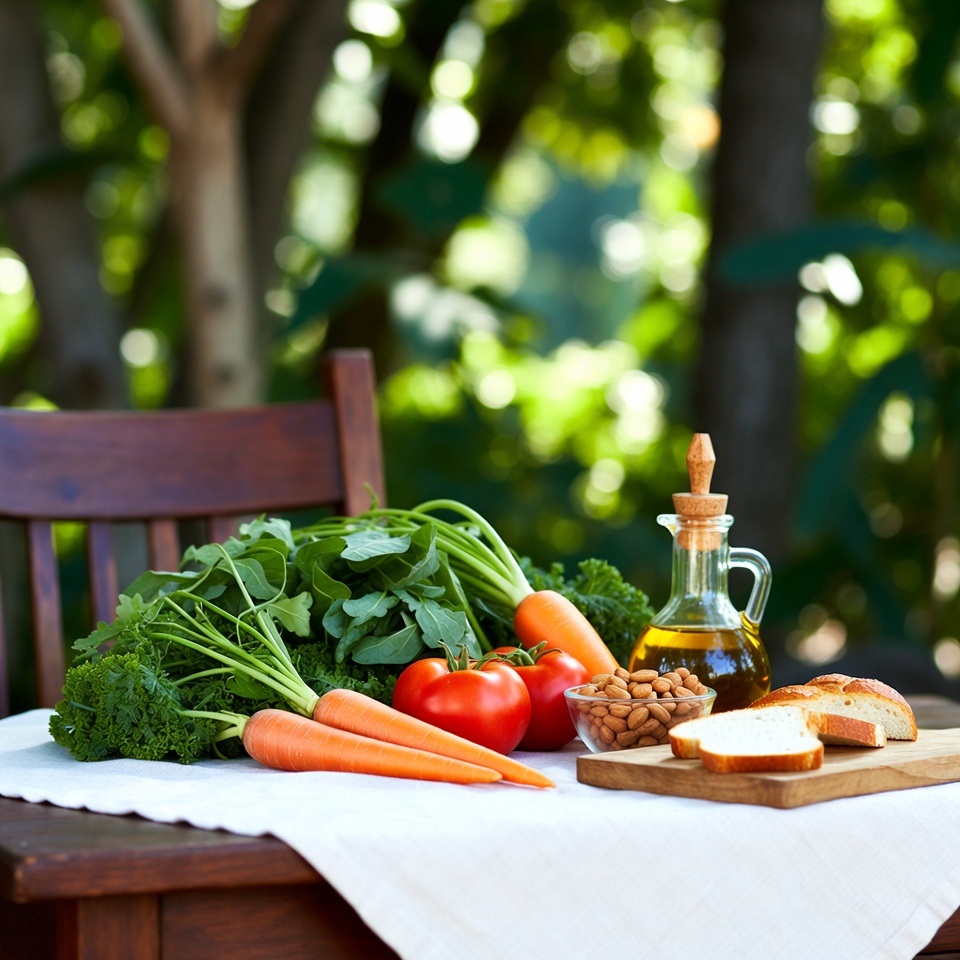
Research on plant-based nutrients (such as polyphenols, flavonoids, and sulfur compounds) suggests they can support the body’s natural metabolic and protective pathways. Many people also report feeling better when they temporarily shift away from ultra-processed foods and focus on real, plant-forward meals.
Below is an easy 3-day structure with practical food ideas—and a science-backed tip at the end that can dramatically improve the usefulness of one key spice.
Why a Short-Term Focus on Liver-Supportive Foods Can Help
Your liver handles hundreds of essential jobs every day, including:
- Filtering and processing blood components
- Managing nutrient metabolism
- Supporting the body’s natural detox pathways
- Helping regulate oxidative stress and inflammation
When diet, stress, or alcohol intake adds extra strain, supportive nutrition may help. Studies suggest that antioxidant-rich foods and bioactive plant compounds may promote healthy enzyme activity and reduce oxidative stress in liver tissue. In broader research reviews, eating patterns that emphasize vegetables, herbs, and spices are often associated with healthier liver markers.
This 3-day approach isn’t about a dramatic detox or starvation-style cleanse. Instead, it’s a short reset: reduce common dietary burdens while increasing foods that provide the nutrients your body uses every day.
Day 1: Hydration + Citrus to Start Strong
Begin your morning with:
- Warm water with freshly squeezed lemon
It’s simple, refreshing, and provides vitamin C plus citrus compounds that may support antioxidant activity. Some research also suggests citrus flavonoids can influence detox-related enzyme pathways.
As your mid-morning beverage, choose:
- Green tea
Green tea contains catechins, widely studied for their antioxidant and cell-protective effects. Regular intake has been associated in studies with potential liver benefits.
For meals, keep it plant-heavy:
- Add leafy greens (spinach, kale) in salads, bowls, or smoothies
- Cook with garlic, a natural source of sulfur-containing compounds that support glutathione, an important antioxidant involved in detox processes
Continue drinking plain water steadily through the day. Day 1 is your foundation—Day 2 builds more targeted support on top of it.
Day 2: Increase Antioxidants with Turmeric + Root Vegetables
Today, bring in two standout additions: turmeric and beets.
- Turmeric (in tea, soups, or sprinkled on meals)
- Add a small amount of black pepper (more on why later)
Turmeric contains curcumin, which has been researched for anti-inflammatory effects and may help reduce liver stress in various study models.
Next, include:
- Beets (roasted, shredded into salads, or blended)
Beets contain betalains, antioxidant pigments studied for their role in supporting detox pathways. Some research also links beet intake with improvements in markers related to liver fat when part of an overall supportive diet.
Round out Day 2 with:
- Cruciferous vegetables like broccoli, Brussels sprouts, or cauliflower
These contain glucosinolates, compounds that help activate enzymes involved in breaking down unwanted substances.
Day 3: Add Healthy Fats + Deep-Colored Berries
Day 3 focuses on balance: fiber + antioxidants + healthy fats.
Use:
- Extra virgin olive oil over vegetables or salads
Olive oil provides polyphenols, studied for antioxidant properties that may help protect cells from oxidative damage.
Snack smart with:
- Avocado for satisfying, healthy fats
- Berries (blueberries, strawberries, blackberries) for powerful antioxidants
Berries are rich in anthocyanins, plant pigments linked to antioxidant support.
To end the day, consider:
- Ginger tea
Ginger has been researched for potential anti-inflammatory and digestive-support benefits, and it’s a soothing, caffeine-free option at night.
The Core Habits to Follow All 3 Days
Keep the plan simple by repeating these basics:
- Start every morning with warm lemon water
- Drink 2–3 cups daily of green tea or herbal tea
- Build meals around vegetables and leafy greens
- Aim for at least 8 glasses of water per day (adjust for your needs)
- Avoid processed foods, added sugars, and alcohol
These small changes are often enough to help people notice a difference—without making the plan complicated.
Key Foods and Why They Fit a Liver-Supportive Approach
- Lemons (flavonoids): may support enzyme activity; easiest as warm lemon water
- Green tea (catechins): antioxidant and cell-protective effects; 2–3 cups daily
- Turmeric (curcumin): studied for anti-inflammatory properties; use in tea or meals with pepper
- Leafy greens (chlorophyll + micronutrients): support normal metabolic processes; salads, smoothies, sides
- Beets (betalains): may support detox pathways; roast or add to salads/juice
- Garlic (allicin + sulfur compounds): supports glutathione-related processes; cook into savory dishes
- Olive oil (polyphenols): may help protect cells from oxidative stress; drizzle or dressings
- Berries (anthocyanins): strong antioxidant support; snack or add to yogurt/oats
For best results, prioritize variety—rotating foods increases your range of nutrients and plant compounds.
Easy Meal Ideas (So You Don’t Have to Overthink It)
- Breakfast: Warm lemon water, then green tea; whole-grain toast with sliced avocado
- Lunch: Big mixed-greens salad with roasted beets, olive oil, garlic-based dressing, and a pinch of turmeric
- Dinner: Steamed broccoli (or other cruciferous vegetables) with a lean protein, seasoned with garlic and ginger
- Snacks: A handful of berries, or a cup of ginger tea
Aim to feel satisfied—but avoid overly heavy portions if you’re prone to post-meal fatigue.
Real-Life Experiences: Subtle Changes People Often Notice
Sarah, a busy teacher in her mid-50s, often felt drained by mid-afternoon. After three days emphasizing lemon water, greens, and antioxidant-rich foods, she reported steadier energy and less discomfort after meals.
John in Texas shared that starting his day with lemon water and consistently eating more greens helped reduce morning sluggishness.
Results vary from person to person, but many people describe feeling “lighter” and more vibrant when they temporarily reduce processed foods and increase whole, plant-forward meals. This isn’t a miracle cure—just a practical way to support what your body already does.
Ready to Try a 3-Day Liver-Supportive Reset?
Pick up the basics: lemons, leafy greens, turmeric, beets, garlic, berries, and olive oil. Commit for three days and pay attention to how your energy, digestion, and overall comfort feel by Day 4.
Even if the changes are subtle, you may discover a few habits worth keeping long-term.
Surprising Tip: Turmeric Works Better with Black Pepper
Pairing turmeric with black pepper can significantly increase curcumin absorption—reported in some studies as up to 2000%—which makes that “golden tea” or turmeric-spiced meal far more impactful.
Medical Disclaimer
This article is for informational purposes only and does not replace professional medical advice. Speak with a qualified healthcare provider before making major dietary changes—especially if you have a medical condition or take prescription medications.
Frequently Asked Questions
Can I follow this plan if I have a medical condition?
Check with your doctor first. Individual needs differ, and certain foods may not be appropriate depending on medications or health status.
How often can I repeat this 3-day focus?
Some people repeat a similar approach weekly or monthly. However, consistent everyday habits usually matter more than occasional resets.
Will this help with weight loss?
A short plan may lead to temporary changes (often from improved hydration and reduced processed foods). Sustainable weight changes typically come from long-term, balanced nutrition and lifestyle habits.
P.S.
What’s one food from the list you’d try first—lemon water, turmeric with black pepper, leafy greens, or beets?