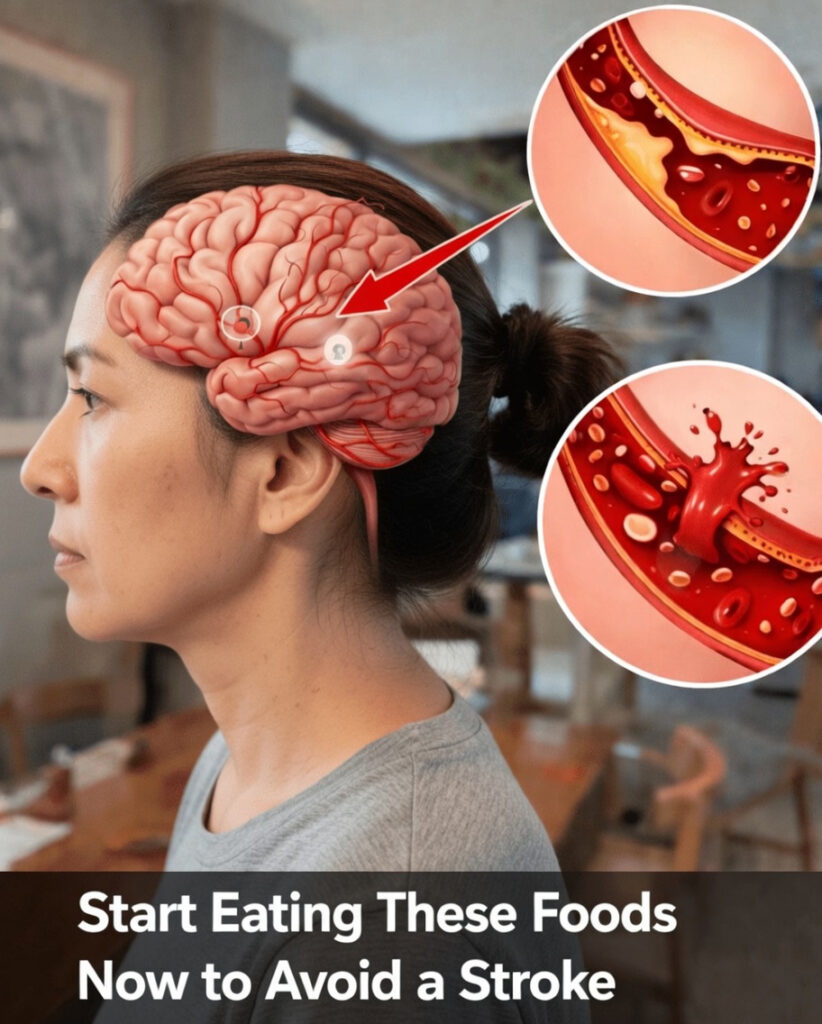
15 Everyday Foods That May Help Support Heart and Brain Health
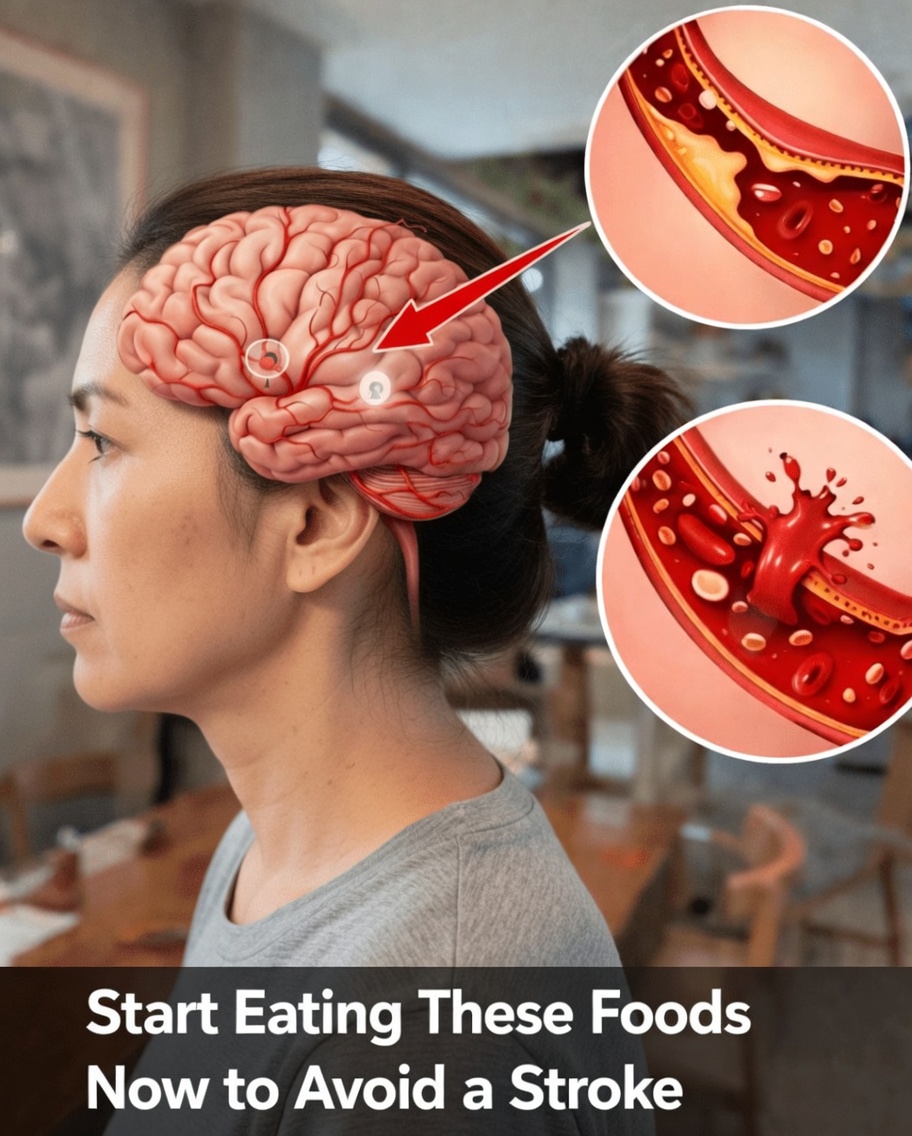
Stroke is still a major cause of long-term disability, and the possibility of suddenly losing mobility, memory, or clear thinking is frightening for anyone. What many people do not realize is that everyday food choices can affect important health factors such as blood pressure, cholesterol, and inflammation, all of which are closely tied to vascular health.
The good news is that nutrition can be a practical, natural way to support the body. Even better, research points to 15 common foods that may benefit both heart and brain health. One of them could already be in your kitchen, ready to become a smarter part of your routine.
Why Diet Matters for Vascular Wellness
Your blood vessels constantly transport oxygen and nutrients throughout the body, including to the brain. Over time, issues such as elevated blood pressure and plaque accumulation can make that job harder. Fortunately, large-scale nutrition research, including studies on Mediterranean-style eating patterns, suggests that certain foods and nutrients are linked with healthier circulation and more balanced blood pressure.
That does not mean you need to change everything at once. In most cases, small and consistent improvements are more realistic and more sustainable. That is where the right foods can make a real difference.
15 Research-Supported Foods to Add to Your Diet
Each of the foods below offers nutrients such as potassium, fiber, antioxidants, or healthy fats that are commonly associated with cardiovascular support.
1. Leafy Green Vegetables
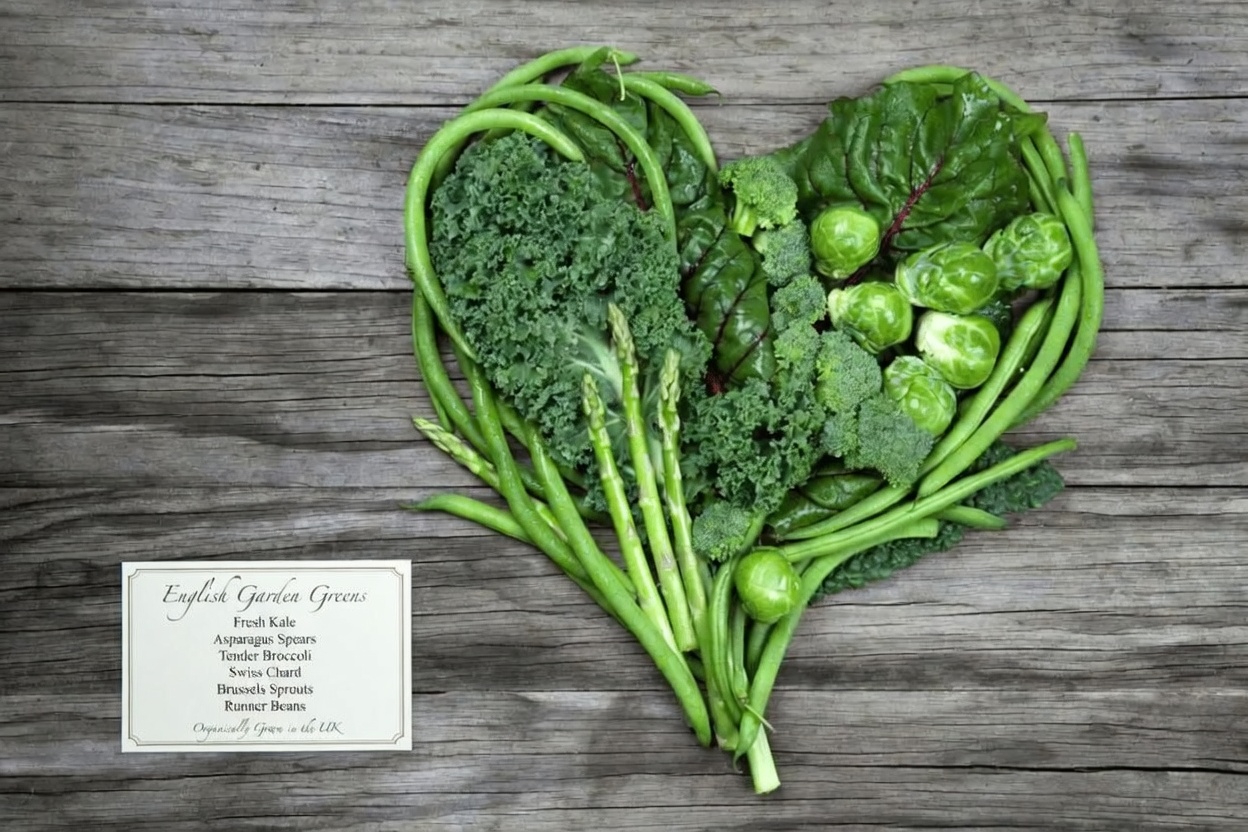
Spinach, kale, collard greens, and similar vegetables are repeatedly highlighted in nutrition studies. They contain nitrates and potassium, two compounds that may help blood vessels relax and function more efficiently. Higher intake of leafy greens has also been associated with improved blood flow in published research.
A simple way to use them is to add a handful to salads, soups, or morning smoothies.
2. Berries
Blueberries, strawberries, raspberries, and blackberries are packed with flavonoids and antioxidants. Observational studies often connect regular berry consumption with favorable heart-health markers.
They are easy to enjoy with oatmeal, yogurt, or as a quick snack on their own.
3. Fatty Fish
Salmon, mackerel, sardines, and other oily fish provide omega-3 fatty acids, which are well known for their anti-inflammatory properties. Including these fish in meals a couple of times per week is often recommended as part of a balanced eating pattern.
4. Nuts
Walnuts, almonds, pistachios, and similar nuts offer a combination of healthy fats, fiber, and vitamin E. Research on Mediterranean-style diets has consistently found that nut intake is associated with healthier cholesterol levels.
A small handful makes a convenient snack, or you can add chopped nuts to salads and grain bowls.
5. Avocados
Avocados are rich in monounsaturated fats, which may help support healthy cholesterol balance. They are also versatile and easy to include in meals.
Try sliced avocado in sandwiches, salads, or mashed on whole-grain toast.
Simple Food Swaps That Can Improve Your Diet
You do not need a perfect meal plan to start making progress. These easy substitutions can help:
- Use olive oil instead of butter when cooking
- Add beans or lentils to soups rather than processed meats
- Choose whole-grain bread in place of refined white bread
More Foods That Deserve a Place on Your Plate
6. Extra-Virgin Olive Oil
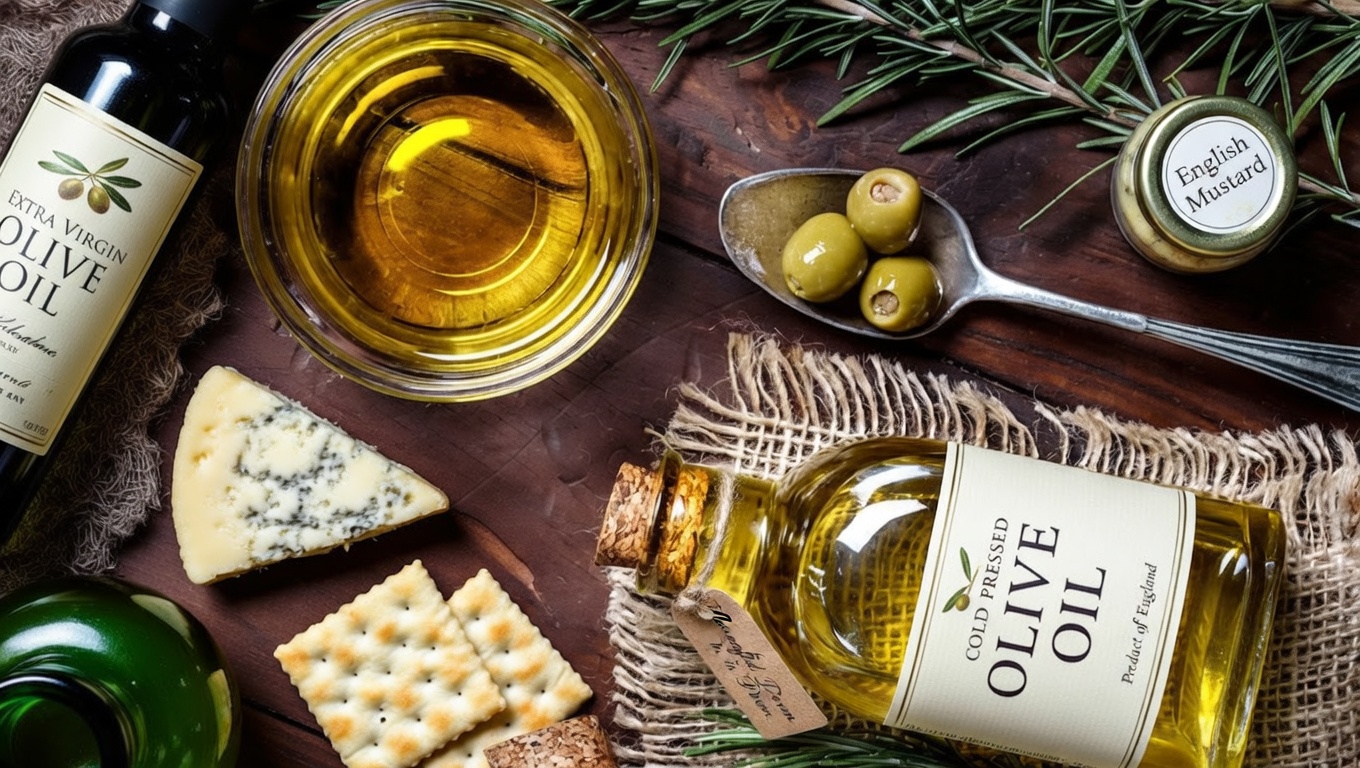
Extra-virgin olive oil is a cornerstone of Mediterranean eating. Major studies, including the PREDIMED trial, have linked it with better cardiovascular outcomes when used as part of an overall healthy diet.
Use it in salad dressings, drizzle it over vegetables, or add it to grain dishes.
7. Oats and Whole Grains
Oats contain beta-glucan, a type of soluble fiber known to help manage cholesterol. Other whole grains can also support overall heart health by providing fiber and important nutrients.
A bowl of oatmeal topped with fruit is one of the easiest ways to start the day on a healthier note.
8. Beans and Legumes
Lentils, chickpeas, black beans, and kidney beans are affordable, filling, and nutrient-dense. They supply plant protein and soluble fiber, both of which can support cardiovascular wellness.
They work well in soups, stews, salads, and grain bowls.
9. Bananas
Bananas are well known for their potassium content. Higher potassium intake has been associated with better blood pressure regulation, making this fruit a smart and portable choice.
They are ideal for breakfast, smoothies, or an on-the-go snack.
10. Citrus Fruits
Oranges, grapefruits, lemons, and other citrus fruits provide vitamin C and flavonoids. These compounds are often studied for their role in supporting blood vessel health.
A fresh orange or grapefruit can be a refreshing midday option.
Practical Tips for Building Better Habits
Success comes from consistency, not perfection. If you want to make these foods part of your lifestyle, start with manageable steps:
- Focus on one week at a time: Add two new foods from this list to your grocery shopping this week.
- Prep in advance: Chop vegetables and cook a large batch of beans ahead of time for easy meals.
- Improve flavor naturally: Use herbs, spices, citrus juice, and garlic instead of relying on extra salt.
The Final 5 Foods to Round Out Your List
11. Tomatoes
Tomatoes contain lycopene, an antioxidant that has gained attention in nutrition research for its possible role in supporting vascular health.
They can be eaten raw in salads or cooked into sauces, soups, and stews.
12. Beets
Beets are naturally high in nitrates, which may help support circulation and healthy blood flow. Some studies have explored their potential benefits for vascular function.
Roasted beets, beet salads, or beet smoothies are all practical ways to include them.
13. Flaxseeds
These small seeds are rich in fiber and plant-based omega-3 fats. Ground flaxseed is especially easy to use and can be mixed into yogurt, oatmeal, or baked foods.
Because whole flaxseeds may pass through the body undigested, ground versions are often the better choice.
14. Dark Chocolate in Moderation
Dark chocolate with 70% cocoa or more contains flavanols, which some studies associate with improved blood vessel function. The key is moderation.
A small portion a few times per week is generally enough to enjoy potential benefits without overdoing sugar or calories.
15. Green Tea
Green tea is rich in catechins, a group of antioxidants widely studied for their health-supportive properties. Drinking unsweetened green tea can be an easy addition to a heart-conscious lifestyle.
It can be enjoyed hot or cold throughout the day.
How to Make These Foods Fit Your Lifestyle
Changing the way you eat can feel intimidating, especially if you think you need to restrict everything at once. A better approach is to focus on adding nourishing foods before worrying about eliminating every less-healthy option.
Combining these foods with regular movement, quality sleep, and stress management creates a more complete wellness strategy. Many people also find it motivating to pay attention to how they feel after several weeks of more consistent eating habits.
What Research Says About These Food Choices
Large reviews of dietary patterns continue to show that diets built around plants, healthy fats, and minimally processed foods are often associated with better health markers. While results will vary from person to person, organizations such as the American Heart Association support these general principles as part of a healthy lifestyle.
No single food can guarantee prevention of any condition, but a dietary pattern rich in these ingredients may help support long-term heart and brain health.
Frequently Asked Questions
How quickly might I notice a difference after adding these foods?
That depends on the individual. Some people feel improvements in energy or digestion within a few weeks, while changes in cholesterol, blood pressure, or other measurable markers typically take longer and depend on overall consistency. It is best to monitor progress with your healthcare provider.
Are these foods safe if I already have a health condition?
Many of these foods are generally well tolerated, but it is important to speak with a qualified medical professional if you have allergies, kidney problems, digestive conditions, or if you take medications such as blood thinners.
Should I avoid certain foods while adding these to my meals?
In general, it can be helpful to reduce heavily processed foods that are high in sodium, added sugars, and unhealthy fats. Replacing them with whole-food options is often recommended for better overall health.
Final Thoughts
Adding these 15 foods to your routine is not about finding a quick fix. It is about creating eating habits you can maintain over time to better support your well-being. Start with one or two foods that appeal to you most, then gradually expand from there.
Small choices made consistently can have a meaningful impact, and your heart and brain may benefit from that long-term care.
Disclaimer
This article is for informational purposes only and should not be considered medical advice. It is not intended to diagnose, treat, cure, or prevent any medical condition. Always consult a qualified healthcare professional before making changes to your diet or lifestyle, especially if you have an existing health condition or take prescription medications.