Everyday Wellness Challenges and the Growing Interest in Leaf Infusions
Modern life can leave many adults dealing with common, day-to-day concerns—occasional digestive upset, uneven energy, mild “inflamed” feelings, and general tiredness from a full schedule. Even with a balanced diet and regular movement, these small discomforts can make routines feel heavier than they should.
Across cultures, traditional wellness practices have often leaned on gentle plant-based support. Today, early-stage research is also exploring how certain leaves—rich in naturally occurring compounds—may contribute to overall well-being.
This article explores four widely available leaves—avocado, mango, bay, and guava—through the lens of traditional use and emerging science on their bioactive components.
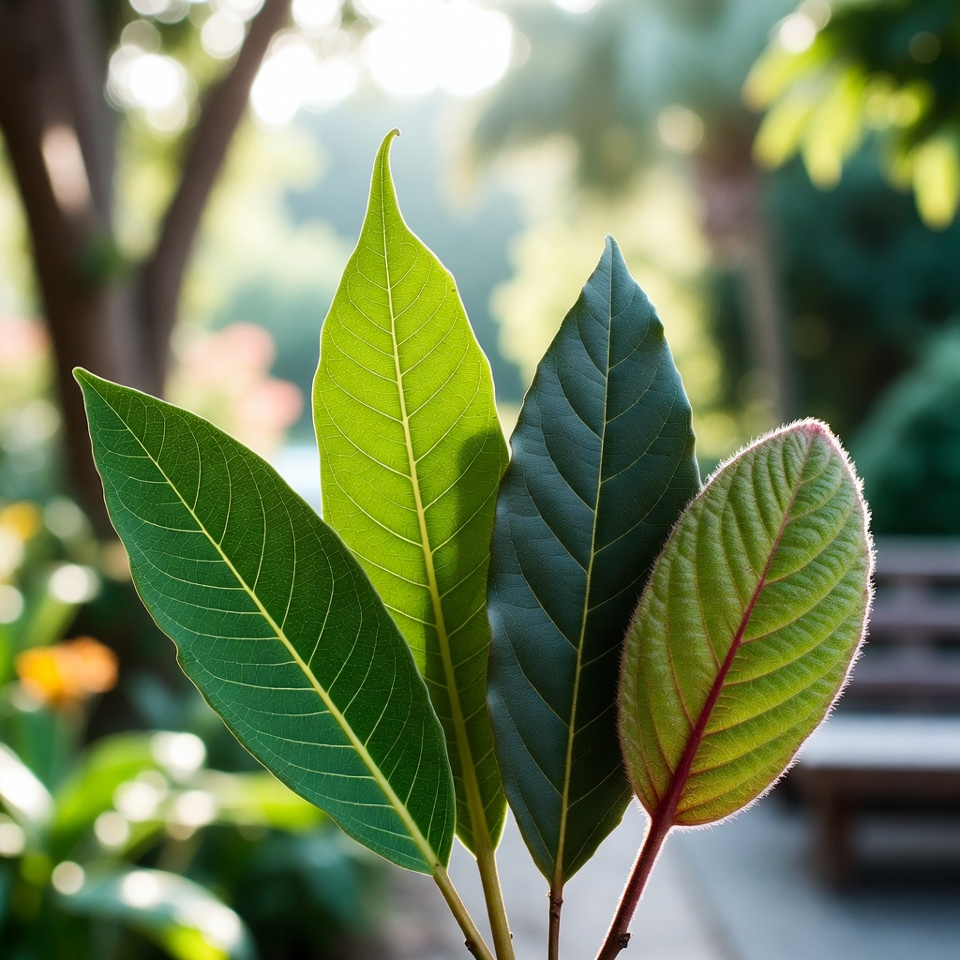
Why Avocado, Mango, Bay, and Guava Leaves Are Getting Attention
As interest in plant-forward routines grows, many people look for practical ways to add antioxidants and phytonutrients to daily life. Oxidative stress and minor internal imbalances can influence how we feel from morning to night. These leaves are known to contain flavonoids, polyphenols, tannins, and aromatic oils—the same types of compounds that have made herbs and botanicals central to traditional systems for generations.
Ongoing research continues to investigate how these plants may support:
- Digestive comfort
- More stable energy
- General daily comfort and resilience
Another reason they stand out: they’re often easy to find, whether locally grown, purchased in markets, or sourced dried.
Even more intriguing is the possibility that their benefits may complement one another when used together in a simple infusion.
Avocado Leaves: Antioxidants Traditionally Used for Digestive Ease
Avocado leaves are associated with beneficial plant compounds such as quercetin, a well-known antioxidant. In several Latin American traditions, avocado leaf infusions have been used after meals to promote relaxation and digestive comfort.
While much of the research is still preliminary (including animal and early investigations), avocado leaves have been studied for potential anti-inflammatory and wellness-supporting activity. Anecdotally, some people who include avocado leaf tea in their routine report feeling more settled after eating, with less occasional post-meal discomfort.
If your goals include a calmer stomach and a more relaxed post-meal feeling, avocado leaves may be a gentle starting point.
Mango Leaves: Mangiferin and Polyphenols Linked to Metabolic Support
Mango leaves contain mangiferin and a variety of polyphenols. In Ayurvedic and folk traditions, mango leaves have been used to support circulation and healthy metabolic function, including balanced blood sugar responses.
Research (including animal studies and small human pilots) has explored mangiferin’s potential role in glucose regulation and steadier energy. People who use mango leaf infusions often describe fewer energy crashes and a more even feeling through the day.
Over time, some notice better day-to-day consistency—especially if mid-day slumps are a frequent issue.
Bay Leaves: A Classic Tradition for Digestion and Comfort
Bay leaves are valued for their aroma and also provide nutrients like vitamins A and C, along with fragrant compounds such as linalool. In Mediterranean and other traditional practices, bay leaves have been used for digestive soothing and sometimes for respiratory comfort.
Scientific interest has focused on bay leaf’s potential antioxidant and anti-inflammatory activity, which may relate to overall gut comfort. Many people find bay leaf infusions help them feel lighter, particularly during times of occasional bloating.
Bay leaves often serve as the “comfort” layer in a blended herbal tea.
Guava Leaves: Traditional Support for Gut Balance and Immune Resilience
Guava leaves contain quercetin, tannins, and vitamin C-related compounds. In parts of Asia and Latin America, guava leaf tea has long been used to encourage digestive balance and support the body during seasonal shifts.
Studies suggest guava leaves may offer antimicrobial and antioxidant activity, which could contribute to a more stable digestive environment and broader resilience. Many people report calmer digestion and fewer minor seasonal discomforts when they use guava leaf tea consistently.
Key Compounds at a Glance (Traditional Use + Early Research)
-
Avocado leaves: quercetin, antioxidant compounds
- Traditionally used for digestive comfort and a calming effect
-
Mango leaves: mangiferin, polyphenols
- Studied for potential support in metabolic balance and steadier energy
-
Bay leaves: linalool, vitamins A and C
- Traditionally used for digestive soothing and general comfort
-
Guava leaves: quercetin, tannins
- Known in traditional use for gut support and antioxidant defense
Because several of these leaves share overlapping compounds (especially antioxidants), they may offer a kind of natural synergy when combined.
Why Combining the Leaves May Be Helpful
Each leaf brings something distinct, but together they may provide broader coverage:
- Multiple antioxidant families working in parallel
- Digestive support from different angles (soothing, balancing, easing)
- A wider profile of naturally occurring nutrients and plant chemicals that may support daily vitality
Many traditional herbal blends follow this same logic: combine plants with complementary strengths rather than relying on a single ingredient.
For taste and variety, some people add:
- Ginger (warming flavor; often used in digestion-focused blends)
- Cinnamon (comforting taste; commonly paired with metabolic-support teas)
Consistency matters—many people describe the most noticeable changes after weeks, not days.
A Simple Timeline for Daily Use (Example Routine)
-
Week 1: 1 cup per day
- You may first notice digestive ease or a lighter feeling after meals
-
Weeks 2–3: 1–2 cups per day
- Some report steadier energy and fewer dips
-
Week 4 and beyond: maintain a regular routine
- Many people focus on gradual improvements in overall resilience and comfort
Individual experiences vary.
Leaf Infusions vs. Other Options
| Approach | Pros | Cons |
|---|---|---|
| Leaf infusions (these four leaves) | Natural, affordable, multi-compound support | Requires preparation time and sourcing |
| Supplements | Convenient | Quality and absorption can vary widely |
| Over-the-counter symptom aids | Fast, targeted relief | Often addresses a single symptom rather than overall support |
How to Make a Four-Leaf Infusion (Step-by-Step)
- Gather leaves: Use 2–3 fresh or dried leaves each of avocado, mango, bay, and guava. Choose clean, reputable sources.
- Rinse well: Wash thoroughly under running water.
- Boil water: Add leaves to 2–3 cups of water and bring to a gentle boil.
- Simmer: Lower heat and simmer for 10–15 minutes to extract compounds.
- Strain and drink: Strain, cool slightly, and drink 1–2 cups daily (morning or evening both work).
- Start small: Begin with a smaller serving to observe how your body responds.
When possible, choose organic or responsibly sourced leaves.
This information is for educational purposes only and is not medical advice.
Frequently Asked Questions
Can I drink this infusion every day?
Many people use herbal infusions daily in moderation as part of a balanced routine. Pay attention to how you feel, and consult a qualified professional if you have any health conditions.
Are these leaves safe for everyone?
In typical food or tea amounts, they are often considered generally safe, but pregnancy, breastfeeding, medications, and allergies can change what’s appropriate. Check with a healthcare provider if any of these apply to you.
How soon might I notice results?
Timing differs from person to person. Some notice digestive changes sooner, while improvements in energy and general comfort often build with consistent use over several weeks.
Disclaimer
This article provides general information based on traditional use and available research. It is not intended to diagnose, treat, cure, or prevent any condition. Speak with your healthcare provider before starting new herbal practices, especially if you are pregnant/breastfeeding, have a medical condition, or take medications. Individual outcomes vary, and more high-quality human research is still needed in many areas.
Final Thought
If you’re curious, save the recipe and try it mindfully. A simple daily cup may become a small, plant-based step toward feeling more balanced. What wellness goal are you focusing on right now—digestion, energy, or everyday comfort?