
Amlodipine Side Effects: 12 Reactions to Watch and What They May Mean
Millions of people use amlodipine every day to help maintain healthy blood pressure. Even so, some users notice unexpected body changes that can interrupt normal routines. Swollen ankles, episodes of dizziness, or unusual tiredness can be frustrating and may leave you wondering whether the medication is to blame. The good news is that learning about these effects can help you stay informed and speak more confidently with your healthcare provider.
What many people do not realize at first is that one underlying effect of amlodipine can contribute to several different symptoms at once. Once you understand that connection, it becomes much easier to make sense of what your body is experiencing.
What Amlodipine Is and Why Side Effects Happen
Amlodipine belongs to a group of medicines called calcium channel blockers. It works by relaxing blood vessels, which improves blood flow and helps lower blood pressure. Because this action changes how blood moves through the body, it can also trigger side effects that range from mild to bothersome. Trusted medical references such as the Mayo Clinic explain that these reactions are often tied directly to the drug’s mechanism and may be more noticeable when starting treatment or using a higher dose.
For many people, these symptoms lessen as the body adapts. Still, it is important to know what to look for. Below are 12 amlodipine side effects worth paying attention to.

12 Amlodipine Side Effects You Should Know
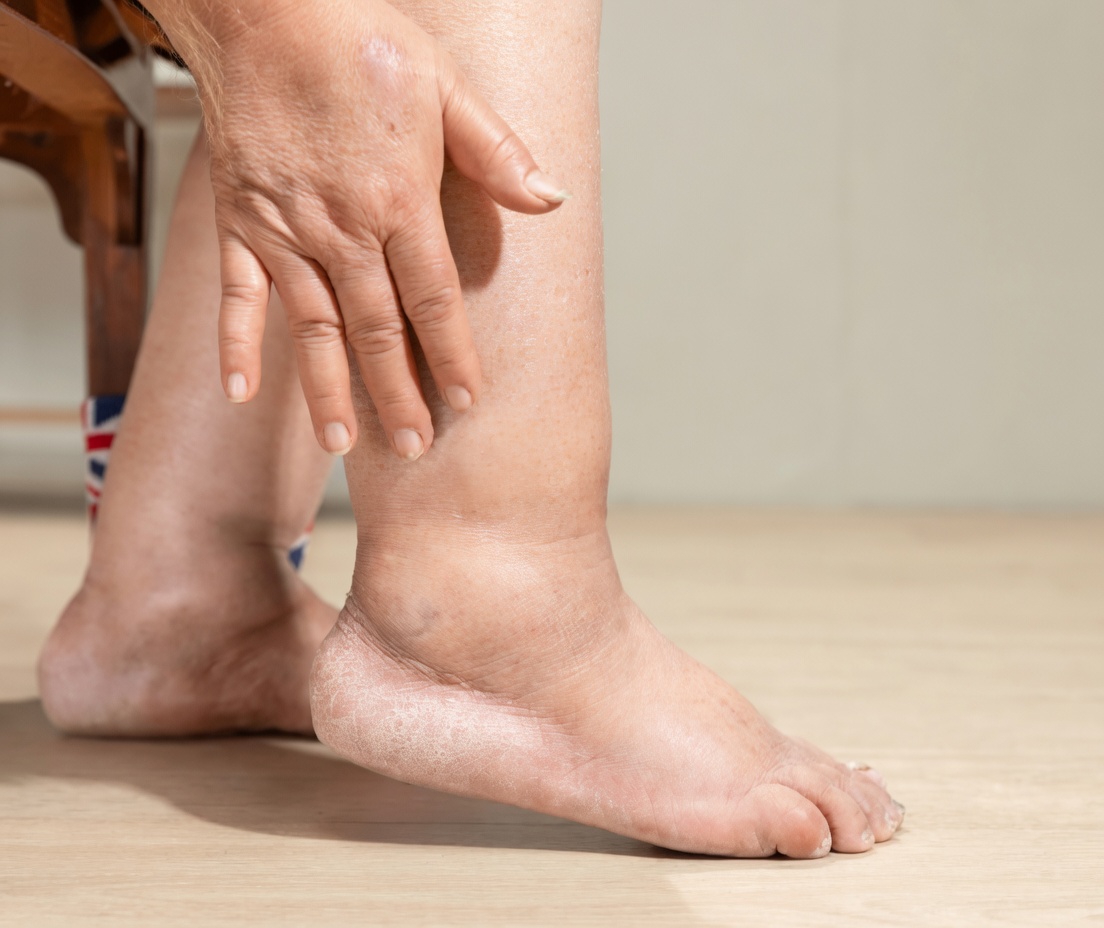
1. Swelling of the Ankles and Feet
Among all reported amlodipine side effects, ankle and foot swelling is one of the most common. When blood vessels relax, fluid may move more easily into nearby tissues, especially in the lower legs. The Mayo Clinic notes that this often appears during the first few weeks of treatment.
You may notice your shoes feeling tighter than usual or sock lines becoming more visible. The swelling is often painless, but it can make standing or walking for long periods less comfortable. Some people notice improvement by raising their legs or cutting back on salt, although results vary from person to person.
2. Dizziness or Feeling Lightheaded
Getting up too quickly or even moving suddenly may trigger a spinning sensation or make you feel unsteady. This can happen because blood pressure drops more easily as blood vessels stay relaxed. WebMD lists dizziness as one of the side effects many people notice early in treatment.
This symptom often becomes less noticeable with time. In the meantime, staying well hydrated and standing up gradually can help reduce episodes.
3. Facial Flushing and Warmth
A sudden feeling of heat or redness in the face, neck, or upper chest can be uncomfortable and sometimes embarrassing. This reaction happens when blood vessels near the skin widen. According to the Cleveland Clinic, flushing is a common early response and often fades within the first month.
Some people find that avoiding spicy foods or hot drinks near the time they take their dose helps limit this effect.
4. Headaches
Amlodipine can sometimes cause mild to moderate headaches, especially when treatment has just begun. You may feel pressure, tension, or a dull ache behind the eyes. Guidance from the NHS suggests that these headaches often improve after the first week as the body adjusts.
Drinking enough water and staying gently active can help some people feel better.
5. Fatigue or Unusual Tiredness
Feeling drained during the day, even after a full night of sleep, is another commonly reported issue. Since amlodipine changes blood vessel tone and circulation, some users notice lower energy levels while their body adapts. WebMD identifies fatigue as a side effect that can affect everyday functioning.
Many people benefit from a steady sleep schedule and short walks during the day to help restore normal energy.
6. Heart Palpitations
Some people describe palpitations as fluttering, pounding, or the sensation that the heart is skipping beats. While this is less common, it can happen as the body responds to changes in blood flow. The Mayo Clinic mentions palpitations as a reported reaction that often improves over time.
If it continues, keeping a record of when it happens may help your doctor identify patterns.
7. Nausea or Mild Stomach Upset
A queasy stomach or mild digestive discomfort may occur, particularly when the medication is taken without food. MedlinePlus includes nausea among the side effects that are usually temporary and not severe.
Taking amlodipine at the same time each day or with a light meal may help reduce stomach irritation.
8. Swollen or Sensitive Gums
In some cases, people notice that their gums become puffy, tender, or more likely to bleed when brushing. This condition, known as gingival hyperplasia, is less common but has been associated with certain calcium channel blockers. Medical reviews and sources such as GoodRx note that this is a reaction healthcare professionals may sometimes miss.
Good oral hygiene and regular dental visits can make a significant difference.
9. Skin Rash or Itching
Amlodipine may occasionally cause red patches, itching, or a warm sensation on the skin. These reactions are usually mild, but they can still be uncomfortable. Drugs.com lists skin-related reactions among the possible side effects.
Wearing loose clothing and using fragrance-free moisturizers may help soothe the skin while your body adjusts.
10. Shortness of Breath or Chest Tightness
Some users report a feeling of tighter breathing or mild chest discomfort, especially during physical activity. The Mayo Clinic recommends contacting a healthcare professional promptly if this happens.
Tracking when the symptom appears, how long it lasts, and what you were doing at the time can help your care team decide whether a treatment change is needed.
11. Muscle or Joint Pain
Unexpected stiffness or mild aches in the back, shoulders, or legs can also occur. These symptoms are less common, but they have been reported in patient experiences and clinical observations.
Gentle stretching, especially in the morning, may help relieve discomfort.
12. Sleep Changes
Some people become sleepy during the day, while others find it harder to sleep well at night. These sleep disturbances may come from amlodipine’s relaxing effect on the body or from other side effects, such as swelling, that make rest less comfortable.
A regular bedtime routine often helps improve sleep quality.
The Overlooked Link Between Several Side Effects
A key reason many of these symptoms appear is vasodilation, or the widening of blood vessels. This same process can lead to swelling, flushing, warmth, and even shifts in how the body handles fluid and temperature. Once you recognize this shared connection, separate symptoms may start to feel less random and easier to track.
That is why monitoring all side effects together, rather than one at a time, can be so useful.

Practical Ways to Manage Amlodipine Side Effects
Many people feel more in control when they follow a few simple daily habits:
- Keep a symptom journal with the time, severity, and possible triggers
- Stand up slowly from a chair or bed to reduce dizziness
- Drink enough water during the day
- Cut back on added salt if swelling is an issue
- Schedule follow-up visits with your healthcare provider about every three months
These small steps can turn vague symptoms into useful information your doctor can evaluate.
When to Call Your Doctor
You should contact your healthcare team right away if you experience any of the following:
- Sudden chest pain
- Severe shortness of breath
- Swelling that appears quickly, worsens rapidly, or affects only one leg
- Dizziness that leads to falling or fainting
- Signs of an allergic reaction, such as hives or swelling of the face
Addressing these symptoms early often makes treatment decisions easier and safer.
Final Thoughts
Understanding amlodipine side effects can make daily changes feel less confusing and more manageable. In many cases, symptoms become milder as the body adjusts to the medication. Staying aware of what is happening and keeping open communication with your doctor can make a major difference in how confidently you manage treatment.
Frequently Asked Questions About Amlodipine Side Effects
Do amlodipine side effects go away with time?
Often, yes. Many people notice that the most obvious side effects become less intense after the first few weeks as the body adapts to the medication.
Can lifestyle habits help reduce side effects?
Yes. Simple strategies such as staying hydrated, elevating the legs, reducing salt intake, and following a consistent daily routine may help make some side effects easier to handle.
What should I do if I have several side effects at the same time?
Write down what you are experiencing, including when symptoms start and how severe they feel. Share that information with your doctor so they can review your dose, timing, and any other contributing factors.
Important Disclaimer
This article is for informational purposes only and is not a substitute for professional medical advice, diagnosis, or treatment. Always speak with a qualified healthcare provider about any concerns related to amlodipine or its side effects.