Best Nuts for Seniors Watching Creatinine Levels
Many older adults feel uneasy when routine blood tests show creatinine levels starting to rise. It can bring concerns about fatigue, swelling, and daily tasks becoming more difficult. That stress often grows when favorite snacks suddenly seem questionable, making every bite feel like a decision between comfort and kidney health. Fortunately, nuts do not always have to be removed from the menu. When selected carefully, some can fit well into a kidney-conscious eating plan for seniors. The key is knowing which ones are better choices for regular snacking and which are best saved for now and then.
Creatinine Explained: Why Seniors Should Pay Attention
Creatinine is a waste substance your body creates as muscles work throughout the day. Healthy kidneys normally filter it from the blood and remove it efficiently. As people get older, kidney function may naturally slow, which can lead to slightly higher creatinine readings on lab reports.
For seniors, managing creatinine is usually not about extreme diets or fast solutions. It is more about building steady habits that support kidney function over time. Small, practical food choices can make a meaningful difference in how you feel from week to week.

Why Some Nuts Can Support a Kidney-Friendly Diet
Nuts provide several nutrients many seniors value, including:
- Healthy fats
- Plant-based protein
- Fiber
- Antioxidants
These benefits may support heart and brain health, which are both important as we age. The National Kidney Foundation notes that many people in earlier stages of kidney issues do not need to eliminate nuts completely because of potassium or phosphorus. What matters most is choosing lower-mineral options and keeping portions moderate, usually about 1/4 cup or a small handful.
Kidney health experts also point out that plant proteins can sometimes be easier on the body than certain animal protein sources. That makes the right nuts a sensible addition to a senior diet, as long as they fit your doctor’s guidance.
Still, not every nut has the same mineral content, and that is where smart choices matter most.
3 Best Nuts for Seniors Concerned About Kidney Health
These three nuts are often considered better options because they tend to contain less potassium and phosphorus than many common alternatives. They offer flavor, texture, and nutrition without placing as much mineral load on the kidneys.
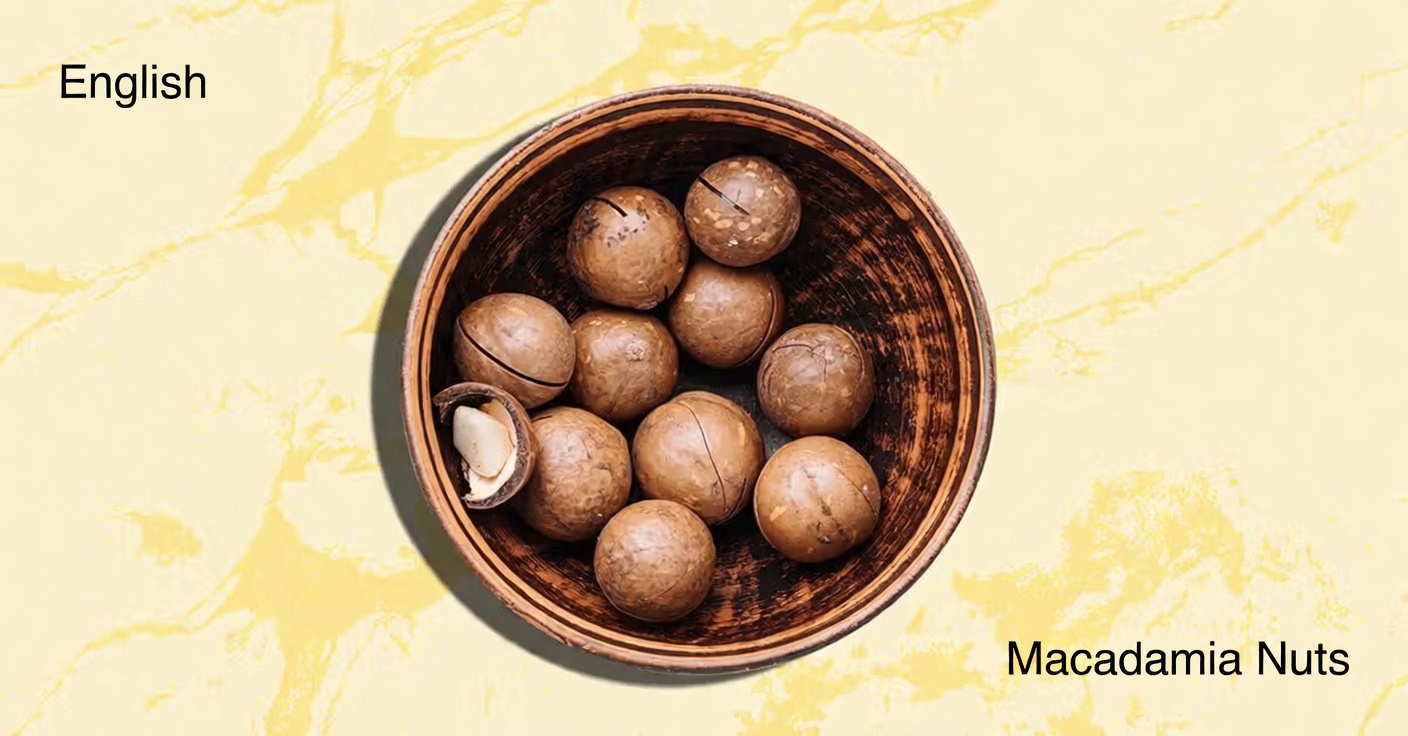
1. Macadamia Nuts
Macadamia nuts are often one of the gentlest choices for people monitoring kidney health. They are rich in heart-healthy monounsaturated fats and have a smooth, buttery texture. Compared with almonds or peanuts, they are notably lower in potassium and phosphorus.
Why seniors like them:
- Easy to digest
- Satisfying and creamy
- Lower in kidney-stressing minerals
- Supportive of heart health
2. Pecans
Pecans have a naturally sweet, buttery taste and provide fiber along with antioxidants. Kidney nutrition charts often list them among the lower-mineral tree nuts, making them a practical option for regular use in modest servings.
Why they stand out:
- Lower potassium profile
- Lower phosphorus content
- Good source of antioxidants
- Pleasant flavor for everyday snacks
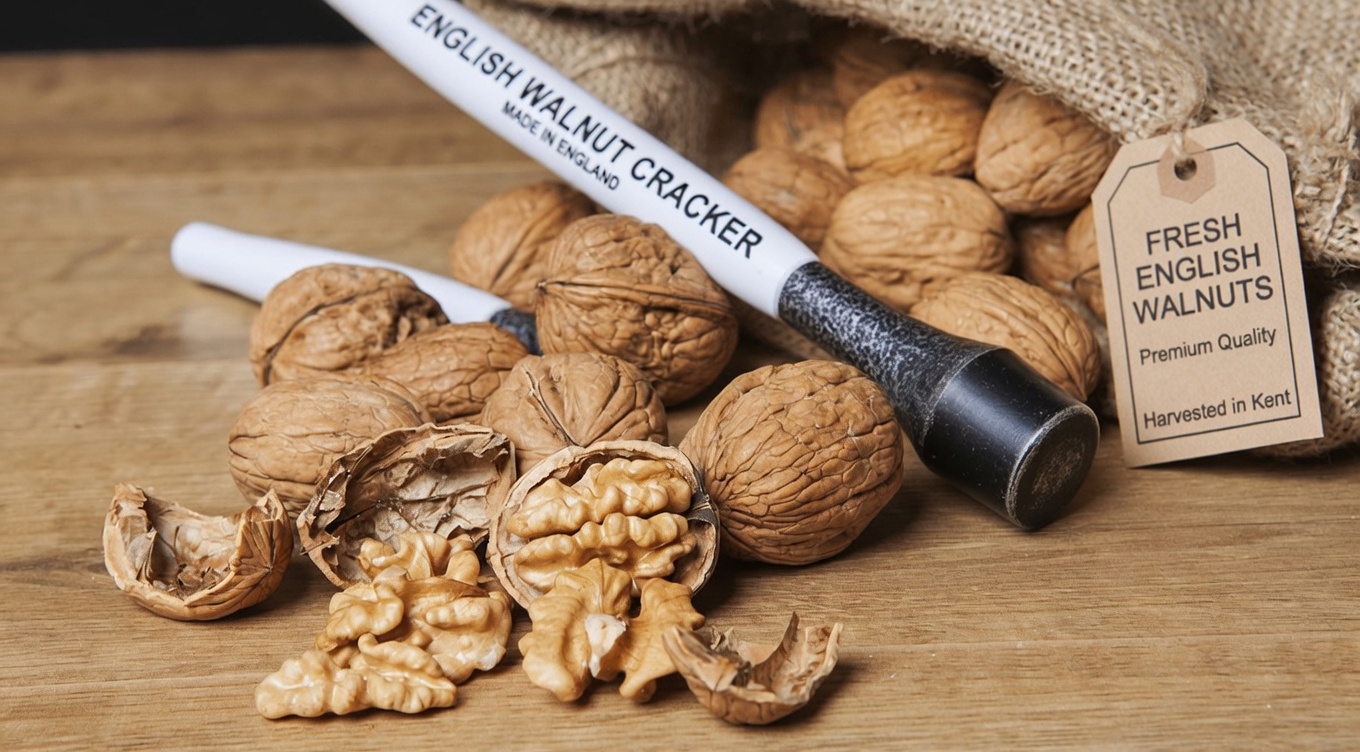
3. Walnuts
Walnuts are especially valued for their omega-3 fatty acids, which may help support circulation and cardiovascular health. Their potassium and phosphorus levels are still lower than several other popular nuts, making them a balanced option for many seniors.
Benefits of walnuts include:
- Omega-3 support
- Good fit for wellness-focused diets
- Easy to add to salads, yogurt, or oatmeal
- Satisfying texture and mild flavor
Nuts Seniors May Want to Limit
Some nuts are higher in potassium and phosphorus, so they may be better enjoyed less often, especially for seniors keeping an eye on creatinine trends or kidney lab values.
1. Almonds
Almonds are a favorite snack for many people, but they contain more potassium and phosphorus per serving than safer options like macadamias or pecans. It is easy to eat too many without realizing it.
Best approach:
- Keep portions small
- Use only occasionally
- Mix a few into lower-mineral nuts rather than eating a full serving alone
2. Peanuts
Although often grouped with nuts, peanuts are actually legumes. They are higher in potassium and phosphorus than kidney-friendlier choices such as pecans or macadamias. They can still be enjoyed in moderation, but they may not be the best everyday snack if kidney markers are a concern.
3. Pistachios
Pistachios are colorful, flavorful, and fun to eat, but they are among the highest in potassium in many nut comparisons. That makes portion control especially important.
A better strategy is to:
- Save them for occasional treats
- Eat smaller servings
- Avoid frequent snacking on large amounts
Quick Comparison of Nuts for Seniors
Here is a simple side-by-side guide to make choosing easier:
| Nut | Potassium (approx. per 1/4 cup) | Phosphorus (approx. per 1/4 cup) | Senior-Friendly Note |
|---|---|---|---|
| Macadamia | ~124 mg | ~63 mg | Best option for regular use |
| Pecan | ~101 mg | ~69 mg | Great lower-mineral everyday choice |
| Walnut | ~129 mg | ~101 mg | Good option with omega-3 benefits |
| Almond | ~200 mg | ~150 mg | Better limited or mixed sparingly |
| Peanut | ~232 mg | ~133 mg | Best kept as an occasional snack |
| Pistachio | ~290 mg | ~150 mg | Highest potassium; use in small amounts |
Easy Ways to Enjoy Kidney-Friendlier Nuts
If you want to add these nuts to your routine, start with small portions and see what works best for you.
- Sprinkle 5 to 6 chopped macadamia nuts over oatmeal or yogurt for a rich, satisfying crunch.
- Keep a small pre-portioned bag of pecans in your handbag or car for an afternoon snack.
- Add a few walnut halves to a dinner salad for extra texture and heart-healthy fats.
- Pair a small serving of pecans with apple slices for a naturally sweet snack.
- Choose unsalted versions to avoid extra sodium.
- Store nuts in the refrigerator to help them stay fresh longer.
These simple changes can feel manageable and enjoyable. For example, some seniors find that replacing crackers with a small serving of pecans helps reduce snack-time guilt while keeping energy more stable through the afternoon.
Other Habits That Help Support Kidney Comfort
Nuts can be part of the solution, but they work best alongside other healthy routines. Seniors may benefit from:
- Drinking enough plain water during the day
- Taking gentle walks after meals
- Eating a variety of colorful fruits and vegetables
- Watching portion sizes consistently
- Using a simple food-tracking app if that helps build better habits
These everyday actions can support overall kidney function and make a balanced diet easier to maintain.
What Research Says About Nuts and Kidney Health
Guidance from major health organizations, including the National Kidney Foundation, suggests that moderate nut intake can fit into many kidney-conscious diets. Reviews in nutrition journals also note that eating nuts 1 to 6 times per week may support general wellness, especially heart health, which is closely connected to kidney health.
Because nuts provide plant protein and healthy fats, they may be a better fit than some heavier protein choices for certain individuals. However, personal lab results always matter most. That is why it is wise to speak with your doctor or a registered renal dietitian before making dietary changes.
Final Thoughts
Choosing kidney-friendlier nuts does not have to be confusing. For many seniors, macadamia nuts, pecans, and walnuts can be satisfying snack options that align better with health goals. At the same time, almonds, peanuts, and pistachios may be smarter to enjoy less often and in smaller amounts.
These choices can do more than support better numbers on a lab report. They may also help you feel more confident, more energized, and more at ease in daily life. Sometimes the most meaningful progress comes from simple, realistic changes that are easy to stick with.
FAQ
Can seniors eat nuts every day?
Yes, many seniors can enjoy the lower-mineral options daily if portions stay small, usually around a small handful. It is still best to check with your healthcare provider, especially if your creatinine, potassium, or phosphorus levels need close monitoring.
Are roasted or flavored nuts okay?
Plain, unsalted nuts are the best choice. Flavored varieties often contain extra sodium and sometimes added phosphorus ingredients. Light home roasting without salt is a simple and healthier option.
Do nuts lower creatinine directly?
Nuts are not a treatment for high creatinine. However, choosing lower-potassium and lower-phosphorus nuts as part of a balanced diet may help create a more kidney-friendly eating pattern. In many cases, steady long-term habits matter more than dramatic changes.
Disclaimer
This article is for educational purposes only and does not replace professional medical advice. Dietary needs can vary based on your health conditions, medications, and lab results. Always talk with your doctor or a registered renal dietitian before changing your diet.