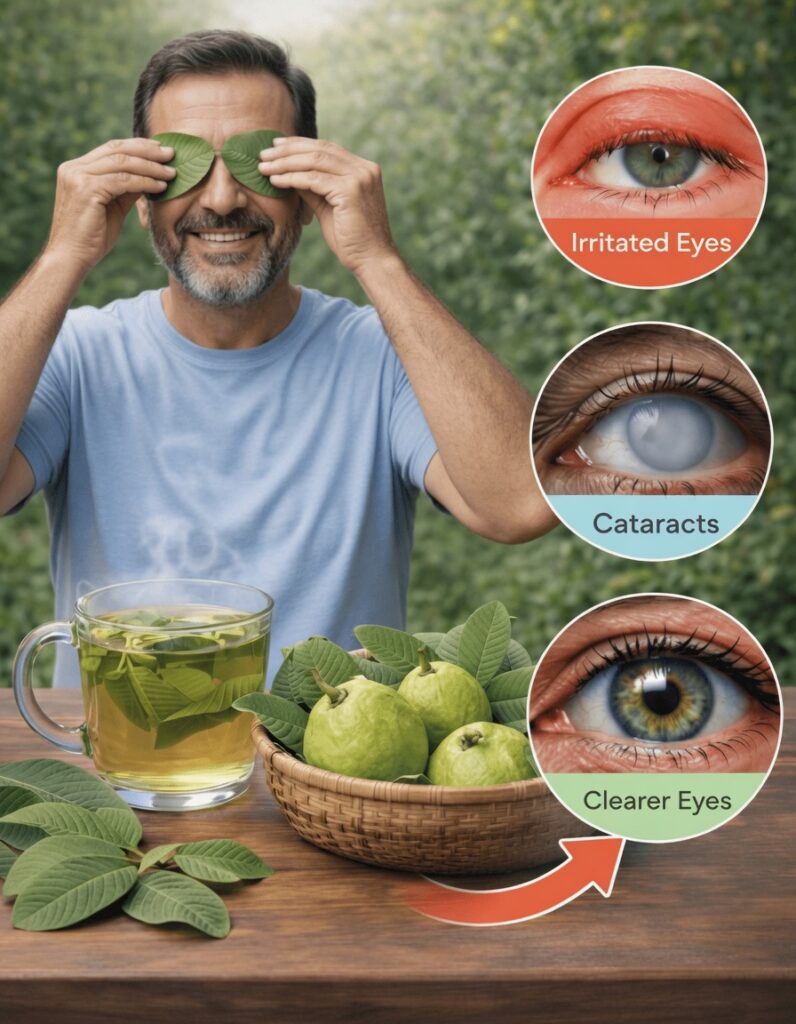
Guava for Eye Health: A Simple Tropical Fruit for Screen-Weary Eyes
If you spend long hours looking at digital screens and your eyes feel dry, tired, or strained by the end of the day, you’re experiencing a problem that affects comfort, focus, and everyday performance. Over time, that ongoing fatigue can also fuel worries about age-related vision changes—making reading, working, or driving at night feel more difficult than it should.
Guava is a flavorful, nutrient-dense tropical fruit that many people underestimate. Yet it contains several compounds linked to eye wellness and may be a practical addition to a vision-friendly diet.
Stay with this guide to learn why guava stands out, what nutrients matter most, and how to build an easy routine around guava for eye health.
Why Guava Stands Out for Supporting Eye Health
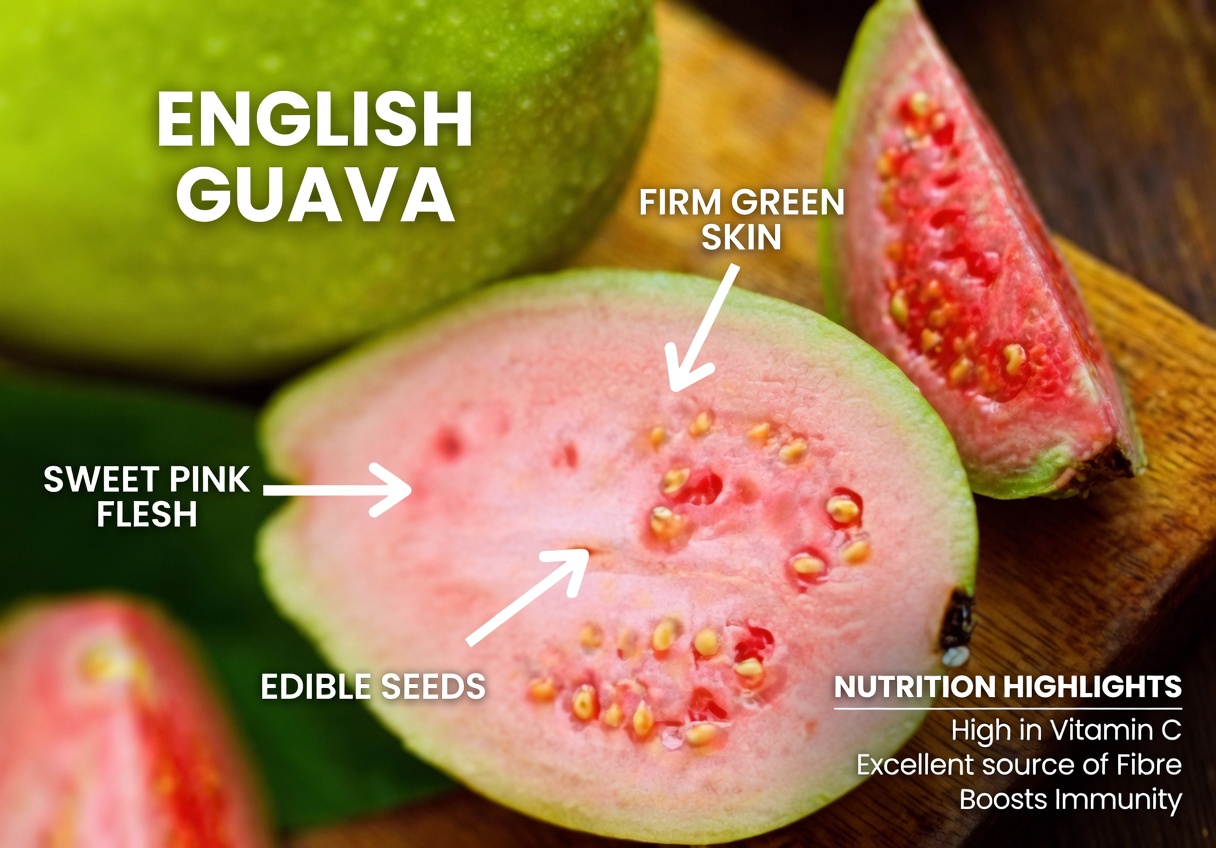
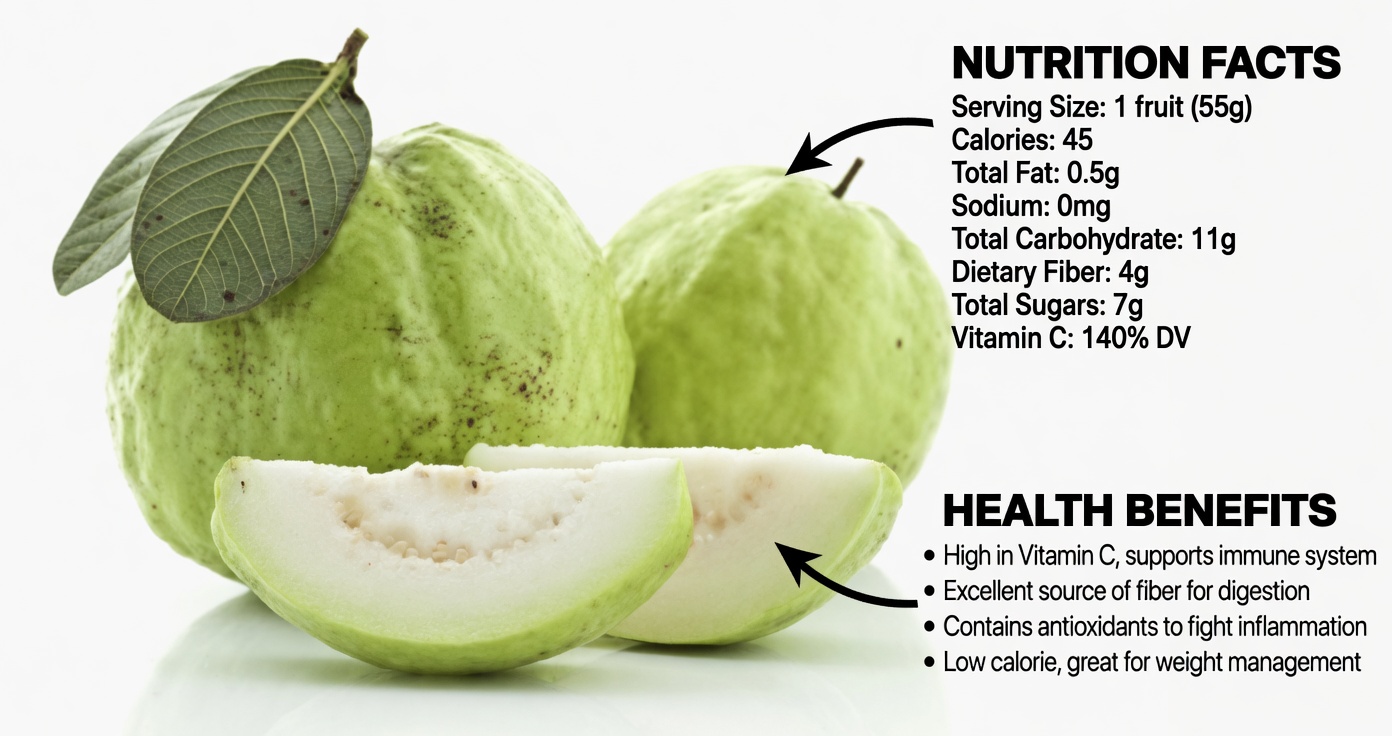
Guava is not just a sweet snack—it delivers a powerful mix of vitamin C, vitamin A-related compounds, and antioxidants that help counter oxidative stress. Notably, a single guava can provide very high vitamin C (often exceeding what you’d get from multiple servings of citrus), along with additional plant nutrients that support overall tissue health.
Research frameworks such as the Age-Related Eye Disease Study (AREDS) highlight the potential value of antioxidants and key vitamins in supporting the eyes as we age. Because guava naturally contains several of these nutrient categories, it can be a smart, food-based option—especially for adults over 40 who notice increasing eye discomfort.
Quick check-in: On a scale of 1–10, how comfortable do your eyes feel right now? Keep that number in mind as you build better habits.
Core Ways Guava Supports Eye Wellness
Vitamin C in Guava for Lens Protection
As people get older, concerns about cataracts (clouding of the eye’s lens) become more common and can lead to frustratingly blurry vision. Vitamin C functions as an antioxidant in the body, helping neutralize free radicals that can contribute to long-term tissue damage—including in the lens.
Because guava is exceptionally rich in vitamin C, it may help support lens health over time as part of an overall balanced diet. Many people who add vitamin C-rich fruits to their daily routine also report less “end-of-day” eye heaviness, especially after long screen exposure.
Vitamin A Support in Guava for Cornea Health and Night Vision
Struggling to see clearly at night can make evening activities stressful—particularly driving after dusk. Guava contains vitamin A precursors that the body can use to support the cornea and visual function. Vitamin A is also involved in producing rhodopsin, a pigment important for seeing in low-light conditions.
While guava isn’t the only source of vitamin A-related nutrients, it can contribute meaningfully—especially when paired with other colorful produce.
Lycopene and Antioxidants in Guava to Fight Oxidative Stress
Modern life exposes eyes to oxidative stress from light exposure, environmental factors, and general aging processes. Pink guava is known for its lycopene content, a carotenoid antioxidant studied for its protective effects in cells, including those related to retinal health in experimental settings.
People who regularly include guava (for example, in smoothies) often appreciate the “protective nutrition” angle—supporting overall resilience rather than chasing quick fixes.
Guava’s Hydration Support for Dry Eye Comfort
Dry, irritated eyes are common among people working long hours on computers, in air-conditioned offices, or in dry climates. Guava has a high water content and contains plant compounds associated with anti-inflammatory activity, which may support overall comfort when hydration and diet are addressed together.
Guava won’t replace eye drops or medical treatment when needed, but it can be a helpful dietary ally for people seeking more everyday support.
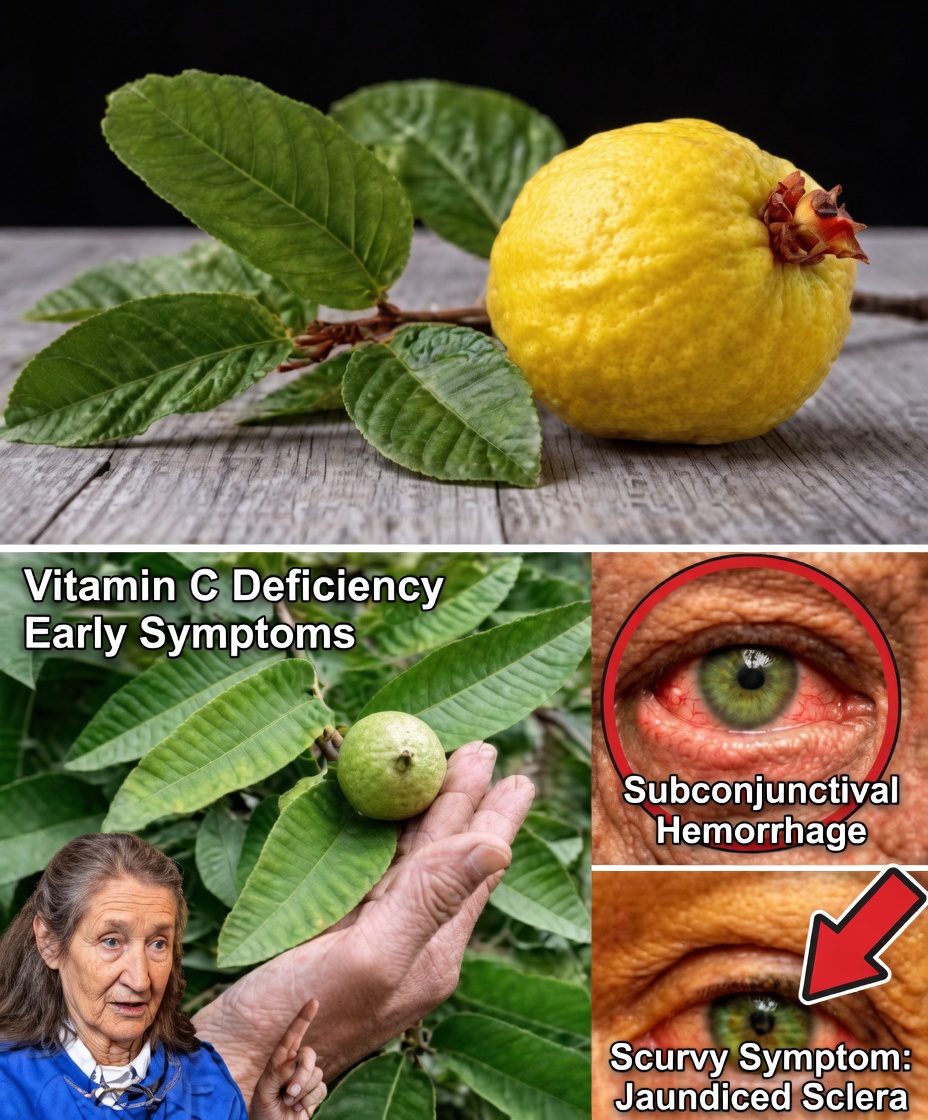
Extra Benefits: How Guava Fits the Digital Age
Carotenoids in Guava for Macula Support
Blue light and long screen exposure may contribute to visual fatigue and macular stress over time. Guava contains modest amounts of carotenoids such as lutein and zeaxanthin (alongside its strong vitamin C profile). These carotenoids are commonly associated with filtering high-energy light and supporting macular function when obtained through a varied, nutrient-rich diet.
For best results, combine guava with other colorful foods rather than relying on a single fruit.
Nutrient Synergy in Guava for Screen-Related Eye Strain
Eye strain from screens often comes with headaches, focusing fatigue, and reduced comfort late in the day. Guava’s nutrients work together—vitamins, antioxidants, hydration support—which may help you build a stronger foundation against daily stressors.
Practical combo idea: Blend guava with carrots for a bright juice or smoothie that supports both vitamin C and vitamin A intake.
Guava Leaf Tea: Traditional Use with Caution
Guava leaves have a history of traditional use, often for their soothing and anti-inflammatory properties. Many people prepare them as a mild tea. However, for eye-related concerns, the fruit is the primary focus; any use of leaves should be cautious and ideally approved by a healthcare professional—especially if you take medications or have chronic conditions.
Guava’s Overall Antioxidant Density for Long-Term Resilience
Compared with many fruits, guava offers a notably high antioxidant load. Over time, consistent antioxidant intake may help support the body’s defenses against daily oxidative stress—an important factor in long-term eye comfort and healthy aging.

Practical Tips: How to Use Guava for Eye Health
- Aim for 1–2 ripe guavas per day to support steady nutrient intake.
- Wash thoroughly and consider eating the fruit with the skin (when safe and clean) for added fiber and plant compounds.
- If convenience is an issue, use guava in:
- Smoothies
- Fresh juice (ideally with minimal added sugar)
- Fruit bowls paired with other colorful produce
For guava leaves:
- Prepare a light tea by boiling a few leaves in water.
- Consult your doctor first, particularly if you have eye conditions, are pregnant, manage blood sugar, or take regular medication.
A Simple Timeline to Build the Habit
- Weeks 1–2: Add fresh guava
- Frequency: 1 fruit daily
- Weeks 3–4: Include guava smoothies or juice
- Frequency: Daily
- Week 5+: Add guava leaf tea only if medically approved
- Frequency: Up to 1 cup daily
Guava vs. Popular Eye-Supporting Foods (Quick Comparison)
- Vitamin C
- Guava: Very high
- Orange: High
- Carrot: Low
- Vitamin A support
- Guava: Good
- Orange: Low
- Carrot: Very high
- Antioxidant variety
- Guava: Excellent
- Orange: Medium
- Carrot: Medium
This is why guava for eye health can be a valuable “all-in-one” addition, especially when combined with other nutrient-rich foods.
Key Takeaway for Best Results
People who see the most meaningful changes in daily eye comfort typically combine guava with smart habits:
- Better lighting while reading or working
- Regular screen breaks
- Adequate sleep and hydration
The biggest advantage comes from consistency—guava works best as part of a long-term, nutrient-dense lifestyle.
Conclusion: Your Guava for Eye Health Routine Starts Today
Guava supports eye wellness through multiple pathways: high vitamin C for antioxidant defense, vitamin A precursors for cornea and night vision support, carotenoids like lycopene, and hydration-friendly nutrition for dry-eye comfort. It’s affordable, widely available, and easy to incorporate into daily meals.
Pick up a few ripe guavas on your next grocery run and start with one a day—your eyes may feel more comfortable over time.
Frequently Asked Questions About Guava for Eye Health
1. How much guava should I eat daily for eye support?
A practical starting point is 1–2 guavas per day. Adjust based on your diet, digestion, and health goals, and check with a healthcare professional if you have specific medical needs.
2. Can I apply guava leaves directly to my eyes?
It’s best not to apply guava leaves to the eyes without medical supervision. Traditional use is typically as tea for general wellness. For eye support, focus primarily on the fruit.
3. Who should be careful when adding guava to their routine?
Use caution and seek medical advice if you:
- Have fruit allergies
- Manage diabetes (due to natural sugars and carbohydrate intake)
- Have chronic conditions or take medications that require dietary monitoring
P.S. Pair your morning guava with the 20-20-20 rule: every 20 minutes, look at something 20 feet away for 20 seconds. This simple habit can reduce screen-related eye strain significantly.