
Fermented Onion Juice for Hair Growth: A Practical, At-Home Guide
Slow hair growth, heavy shedding, and visibly thinning strands can be discouraging—especially when you’re doing “everything right” but your hair still won’t seem to budge. Everyday realities like stress, heat styling, product buildup, and hormonal changes can all interfere with scalp comfort and the look of fullness. Because of this, fermented onion juice has become a popular, budget-friendly home option that many people use to support scalp health and improve hair appearance.

This guide walks through why people choose fermented onion juice for hair, how fermentation changes the mixture, and a simple routine for preparing and applying it more safely at home.
Why Slow Hair Growth Feels So Frustrating
When you notice thinning edges, more strands in the shower, or hair that breaks before it gains length, it’s not just a cosmetic issue—it can affect confidence and daily mood. In many cases, “slow growth” is less about hair not growing at all and more about:
- Breakage that cancels out new length
- Scalp imbalance (oiliness, dryness, flakes, irritation)
- Poor circulation or tension in the scalp
- Lifestyle stressors that can worsen shedding cycles
For people who feel stuck after trying multiple products, fermented onion juice is often seen as a gentle, accessible addition—especially when the goal is improving the scalp environment rather than chasing instant results.

Why Fermentation Makes Onion Juice More Appealing for Scalp Care
Fresh onion juice is known for its strong smell and potential to irritate sensitive scalps. Fermentation is a traditional technique that may make onion juice easier to tolerate and more convenient to use consistently.
Typically, a small amount of sugar or honey is added to onion juice to encourage beneficial fermentation. Supporters of fermented onion juice for hair claim fermentation may:
- Encourage beneficial microbes (probiotic activity)
- Create a lower pH, closer to the scalp’s natural acidity
- Help preserve or make certain compounds feel more “usable”
- Reduce the harsh onion odor, which is a major barrier for many people
Because consistency matters in hair routines, the reduced smell alone is a big reason fermented onion juice remains popular.
Potential Benefits of Fermented Onion Juice for Hair and Scalp
Below are commonly cited reasons people use fermented onion juice. Individual results vary, and it’s best treated as a supportive routine rather than a guaranteed fix.
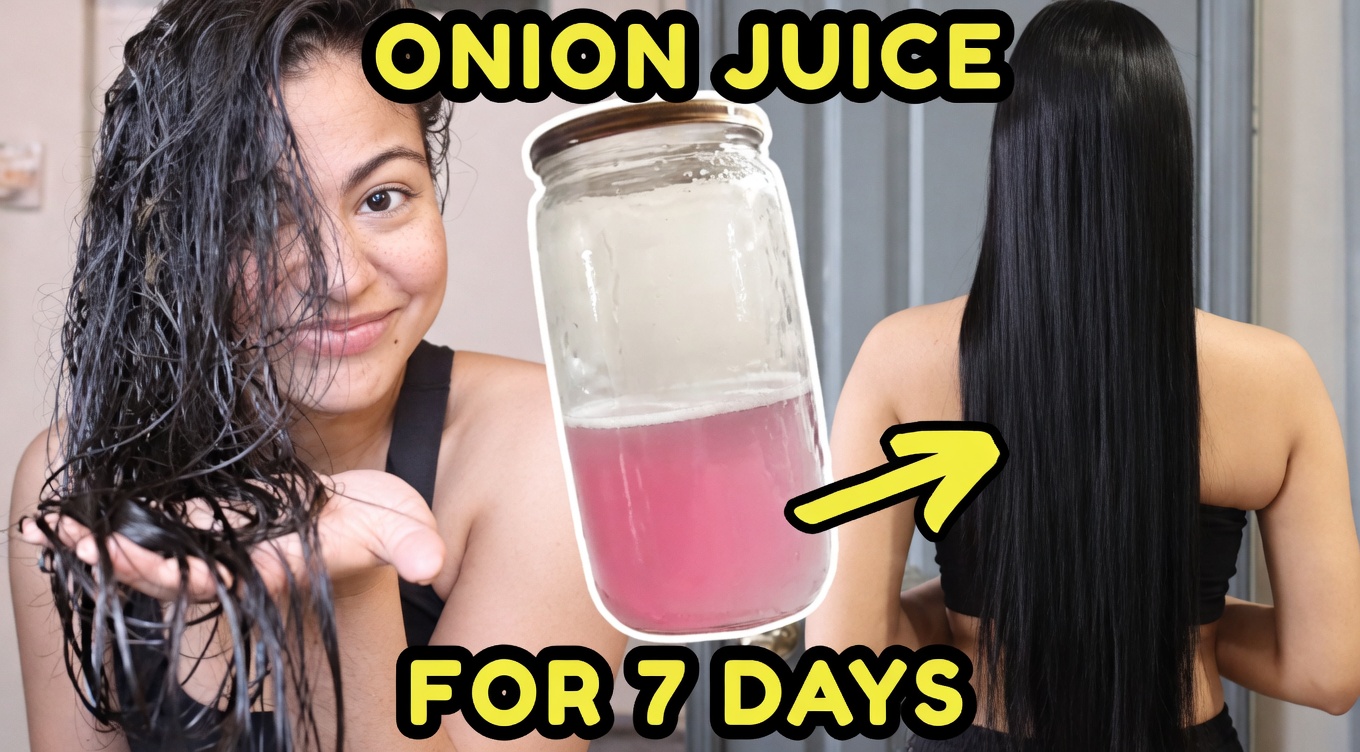
1) Sulfur compounds that support stronger-looking hair
Onion naturally contains sulfur compounds, which are often linked (in traditional hair care) to supporting keratin-related structure. People with frequent breakage sometimes use fermented onion juice hoping hair feels more resilient over time.
2) Antioxidants that may calm an irritated scalp
If itching, tenderness, or redness is contributing to shedding worries, onion’s antioxidants (often associated with compounds like quercetin) are one reason people try this remedy. Fermentation may make the mixture feel gentler for some users.
3) pH support for oily or overly dry roots
A scalp that swings between greasy and dry can feel hard to manage. Fermentation can lower pH due to byproducts produced during the process, which may help some people feel their scalp is more balanced and comfortable.
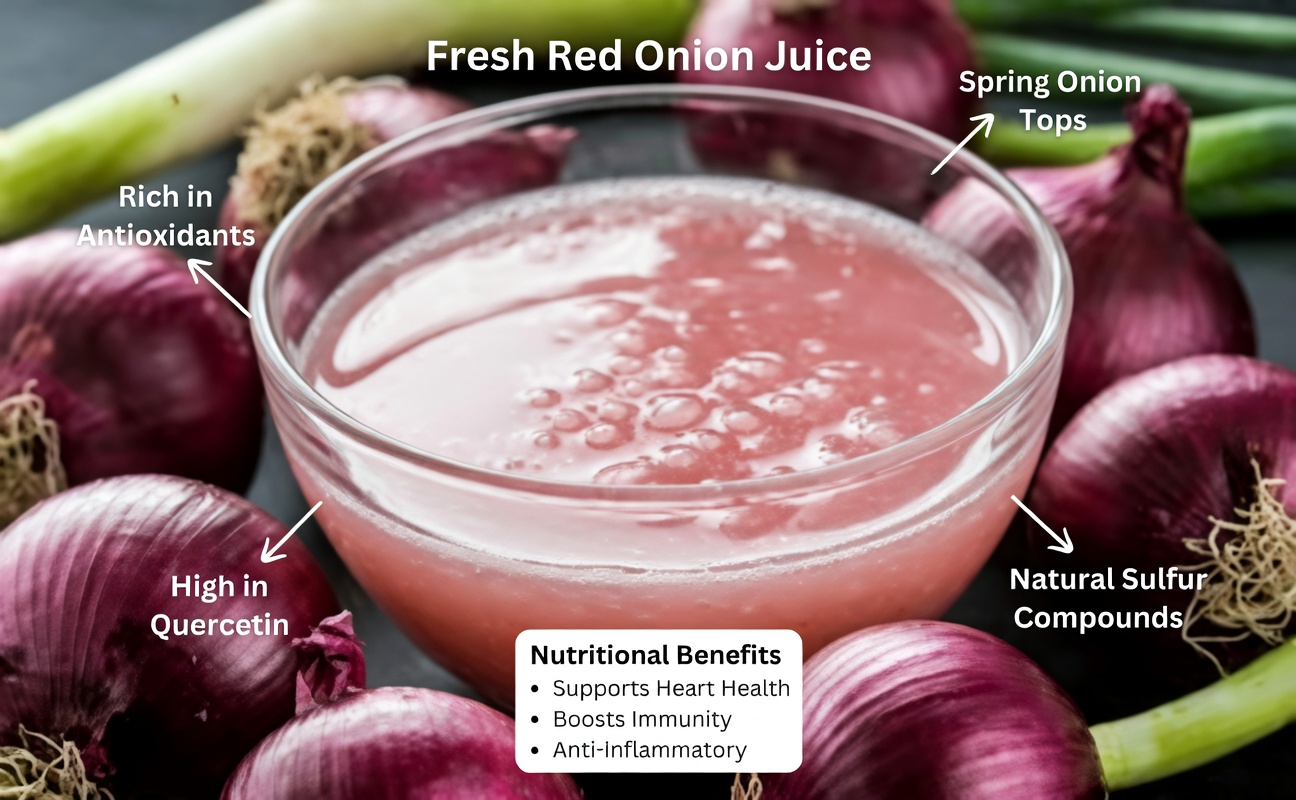
4) Microbiome-friendly (probiotic) scalp support
Recurring flakes or persistent itch can sometimes be linked to an unbalanced scalp environment. Some people use fermented preparations because they believe probiotics may help “crowd out” unwanted microbes and support a healthier scalp ecosystem.
5) Better results when paired with massage
Many users combine fermented onion juice with a gentle scalp massage to encourage circulation and improve coverage across the roots and edges. Even without any product, massage can be a useful habit—adding the mixture simply turns it into a structured weekly routine.
6) Less odor compared to fresh onion juice (especially with citrus)
Fermentation often softens the sharp onion smell. Many people also add lemon or lime juice right before application to further neutralize odor, making the routine easier to stick with.
7) A shinier look over time (especially with citrus)
Citrus is commonly added for its fresh scent and its association with vitamin C and antioxidants, which some people feel helps hair look brighter and more reflective after consistent washing and conditioning.
8) “Detox” feel and oil control for product-heavy routines
If heavy styling products leave your scalp feeling coated, fermented onion juice is sometimes used as a periodic reset. Supporters believe fermentation-related acids and probiotic activity may help reduce the feeling of buildup and excess oil.
Fermented Onion Juice vs. Common Alternatives
| Approach | Why People Choose Fermented Onion Juice | Common Drawbacks of Alternatives |
|---|---|---|
| Chemical treatments | Kitchen-based, minimal ingredients, no salon appointment | Can trigger irritation, dependency, or dryness for some |
| Commercial supplements | Topical routine, affordable, no pills required | Results can be slow, inconsistent, or hard to track |
| Salon services | DIY costs very little per use | Expensive and may involve strong chemicals or heat |
A small study (2002) explored plain onion juice for specific hair concerns; fermented onion juice is more rooted in traditional practice and personal experience than strong clinical proof. Prioritize safety and realistic expectations.
Step-by-Step: How to Make and Use Fermented Onion Juice Safely at Home
What you’ll need
- 2–3 medium red onions
- Blender
- Strainer or cheesecloth
- Clean glass jar (with a lid you can close loosely)
- Sugar or honey
- Fresh lemon or lime (added before use)
- Cotton pad or squeeze bottle
1) Prepare the onion juice
- Peel the onions.
- Blend thoroughly without adding water.
- Strain the pulp to collect the juice.
2) Start fermentation
- Add ½ teaspoon of sugar or honey per 1 cup of onion juice.
- Pour into a clean glass jar.
- Seal loosely (do not pressure-seal tightly).
- Leave at room temperature for 2–3 days.
You’ll typically notice a slightly sour smell, which many people take as a sign fermentation is active.
3) Add citrus right before application
Before each use, stir in 1–2 teaspoons of fresh lemon or lime juice. This is commonly done to:
- Reduce remaining odor
- Add a fresher scent
- Support a shinier finish for some hair types
4) Apply to the scalp
- Start with a wet scalp.
- Apply using a cotton pad or squeeze bottle, focusing on roots, edges, and thinning areas.
- Massage gently for 5–10 minutes.
- Cover with a cap.
- Leave on for 30–60 minutes (longer only if comfortable and non-irritating).
- Shampoo thoroughly and rinse well.
5) How often to use it
- Most people try 1–2 times per week.
6) Storage
- Refrigerate the fermented onion juice for up to 2–3 weeks.
Extra tips for comfort and safety
- Warm the mixture slightly (not hot) before use if you prefer.
- Always do a patch test first to check for sensitivity.

What Timeline to Expect (Based on Common Experiences)
- Days 1–3: Fermentation develops; sour aroma may appear
- Weeks 1–2: Some people report the scalp feels calmer and shedding feels less stressful
- After 1 month+: Hair may look softer, stronger, and healthier with consistent routines
Outcomes depend on the cause of shedding, overall scalp condition, and how consistently the routine is used.
Frequently Asked Questions About Fermented Onion Juice
How often should I apply fermented onion juice?
A common starting point is 1–2 times per week. Using it too often may increase the chance of irritation, especially on sensitive scalps.
Can fermented onion juice still irritate my scalp?
Yes. Even though fermentation may make it feel gentler for some people, onion-based mixtures can still cause stinging, redness, or dryness. Patch test first and stop if you notice burning or worsening irritation.
How do I reduce the smell?
Fermentation usually softens the scent, and many people mix in fresh lemon or lime juice right before applying. Washing thoroughly and following with a lightly scented conditioner can also help.
How long can I keep fermented onion juice?
Stored in the refrigerator, many people keep it for 2–3 weeks. If you notice mold, an unusually foul smell (beyond sour), or a strange texture change, discard it.
Who should avoid this routine?
Avoid or consult a professional first if you have:
- An open wound, active rash, or scalp infection
- Known allergy to onion or skin sensitivities
- Severe dandruff or scalp inflammation that worsens with topical products
Do I need to apply it to the hair length too?
Most routines focus on the scalp, since the goal is scalp environment and follicle support. Applying to lengths is optional, but it can increase odor and may be drying for some hair types unless followed by conditioner.