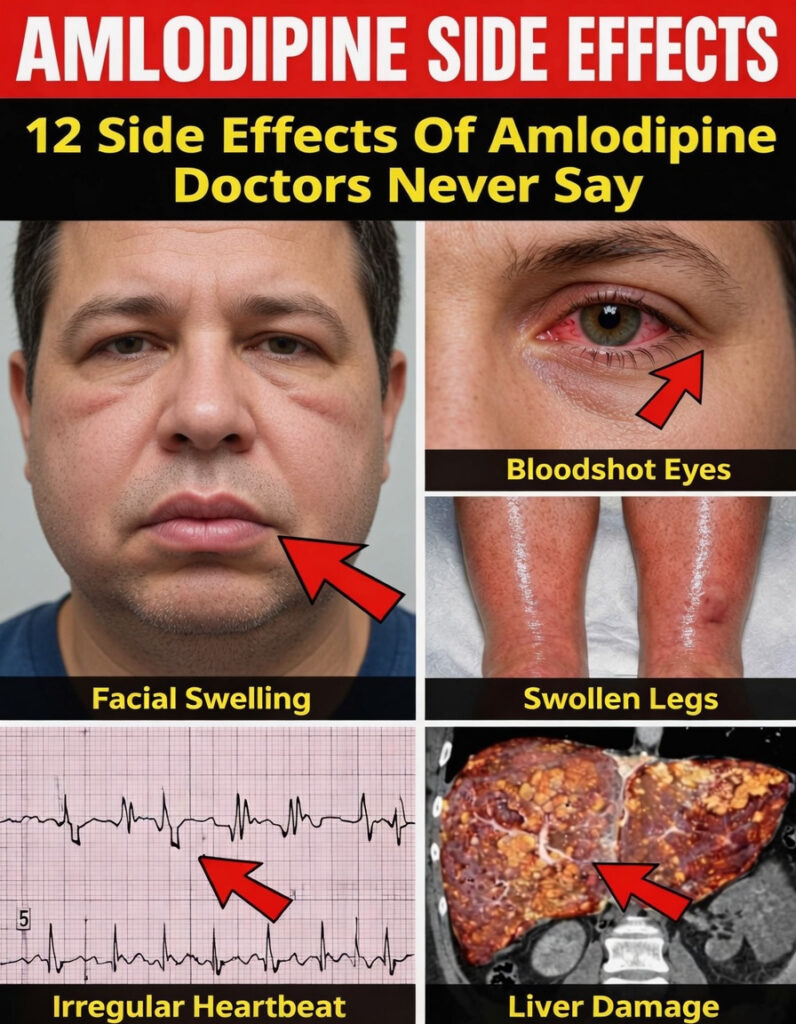
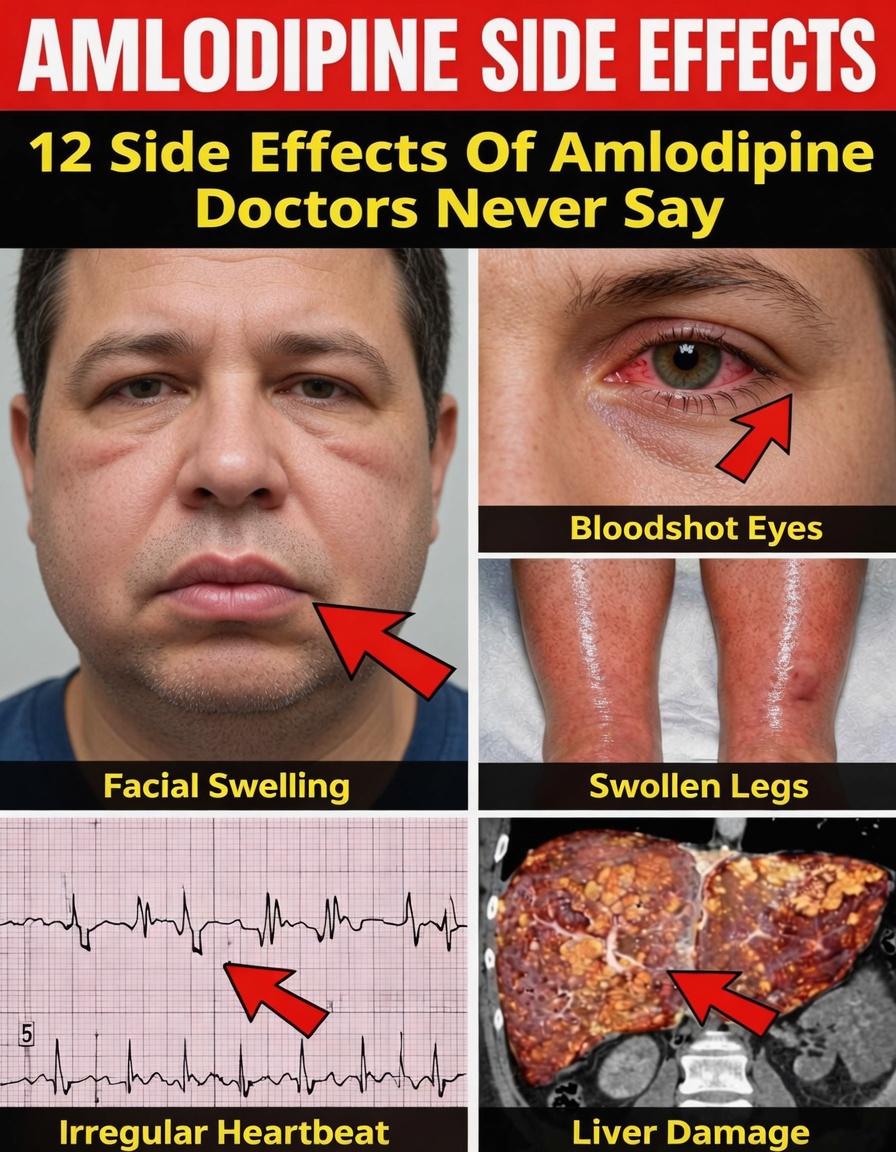
Amlodipine Side Effects: 12 Possible Reactions to Know About
If you take amlodipine to control high blood pressure, you may have noticed changes you did not expect. Some people experience swelling in the ankles or feet, while others feel flushed, tired, or slightly dizzy during the day. It can be unsettling when a medicine prescribed to protect heart health also affects comfort, energy, or mobility.
The encouraging part is that understanding these possible side effects can help you have more productive discussions with your healthcare provider. Even more importantly, some day-to-day habits may influence how strongly you feel these effects. That final point can make a meaningful difference.
What Amlodipine Does and Why Side Effects Happen
Amlodipine is part of a group of medicines called calcium channel blockers. It lowers blood pressure by relaxing blood vessels, which improves circulation and reduces strain on the heart. Information from trusted sources such as the FDA and Mayo Clinic shows that this action is effective for many patients, but it can also trigger temporary or ongoing side effects as the body adapts.
Clinical research suggests that these reactions are often linked to dosage. In general, higher doses may cause side effects more often or make them more noticeable. In many cases, symptoms lessen after the body adjusts to treatment. Still, it is important to know what can happen.
12 Potential Side Effects of Amlodipine
Below are 12 possible side effects commonly mentioned in medical references such as WebMD, NHS, and MedlinePlus. Not everyone will experience them, and severity can differ widely.
1. Swelling in the Ankles and Feet
One of the most frequently reported effects is peripheral edema, or fluid buildup in the lower legs and feet. By the end of the day, shoes may feel tighter, and the ankles can appear swollen, especially after long periods of standing or sitting.
2. Facial Flushing
Some people notice a sudden feeling of heat or redness in the face, neck, upper chest, or arms. This flushing happens because blood vessels widen and blood flow increases. It is usually brief.
3. Headaches
Mild or moderate headaches are fairly common, especially during the first few weeks of treatment. For many people, they become less frequent as the body gets used to the medication.
4. Dizziness or Lightheadedness
Amlodipine can sometimes cause a sense of unsteadiness, particularly when getting up too quickly. This is often related to changes in blood pressure.
5. Fatigue
Low energy or unusual tiredness is another side effect some users report. Daily tasks may feel more draining than usual, even without major physical activity.
6. Heart Palpitations
A pounding, fluttering, or fast heartbeat can occur in some cases. While often mild, it is something worth observing and mentioning to your doctor.
7. Nausea or Upset Stomach
A small number of people experience queasiness or stomach discomfort after starting amlodipine. This may be connected to how the body processes the medicine.
8. Abdominal Pain
Clinical data also mentions occasional cramping or general discomfort in the abdominal area. This is less common but still possible.
9. Drowsiness
Some users feel sleepy during the day while taking amlodipine. This can overlap with general fatigue and may affect concentration or routine activities.
10. Swollen or Tender Gums
In some cases, the gums may become puffy, sore, or more likely to bleed. Keeping up with oral hygiene may help reduce discomfort and support gum health.
11. Swelling of the Face or Lips
Although uncommon, swelling around the lips or face can happen. This may be a sign of angioedema and should be reported immediately.
12. Liver-Related Changes
Rarely, amlodipine has been linked to changes in liver enzymes or warning signs such as yellowing of the skin or eyes. Sources like the NIH LiverTox database describe these as isolated cases, usually detected through medical monitoring.

How These Side Effects Can Affect Everyday Life
Medication side effects often show up in practical ways. Swollen feet may make walking uncomfortable or make certain shoes difficult to wear. Flushing may feel awkward in public or social settings. Dizziness can become more noticeable when standing quickly, and fatigue may reduce productivity or motivation.
Pharmacology studies have shown that swelling and flushing may be reported more often in women and in people taking higher doses. Recognizing patterns early can help make the experience feel less overwhelming.
A simple symptom log can be surprisingly useful. Many patients find that writing down when symptoms happen, how severe they are, and what they were doing at the time makes it easier to spot trends and explain concerns to a healthcare professional.
Helpful Habits to Discuss With Your Doctor
Only your healthcare provider can decide whether changes to your treatment are needed. However, these everyday strategies are commonly discussed during follow-up visits and may help support comfort:
- Keep a daily symptom journal with details such as time, intensity, and possible triggers
- Raise your legs for short periods during the day if swelling develops
- Stay well hydrated
- Choose lower-sodium foods when possible
- Attend regular check-ups to review how the medication is working
Other supportive habits may also help:
- Stand up slowly after sitting or lying down to reduce dizziness
- Stay active with gentle movement, such as short walks, if your doctor approves
- Maintain good dental care to support gum health
These small actions are not a replacement for medical treatment, but they may help you feel more in control while working with your care team.

When You Should Seek Medical Advice Right Away
Some symptoms need prompt medical attention. Contact your healthcare provider immediately if you experience:
- Severe swelling
- Trouble breathing
- Chest pain
- Rapid weight gain
- Swelling of the face or lips
- Signs of an allergic reaction
According to sources such as the NHS, serious complications are uncommon, but they should never be ignored.
The Key Insight Many People Overlook
The goal is not always to avoid every side effect completely. In many cases, the most effective approach is to build a strong partnership with your doctor. When symptoms are tracked, discussed early, and reviewed in context, treatment can often feel much more manageable.
That is the real insight many people discover later: everyday habits and clear communication can shape the overall experience more than they expected.
Conclusion
Knowing the possible side effects of amlodipine can help you monitor your health more confidently and speak more clearly with your medical team. Common issues such as ankle swelling, flushing, headaches, or fatigue may be bothersome but are often manageable. Less common reactions, including facial swelling or liver-related concerns, deserve closer attention.
Each person responds differently to medication. Use this information as a starting point for informed conversations, not as a substitute for professional care. Staying alert and proactive can help you focus on what matters most: feeling well and protecting your long-term health.
FAQ
1. Is ankle or leg swelling a common side effect of amlodipine?
Yes. Peripheral edema, especially swelling in the ankles and feet, is one of the most commonly reported side effects. It may be more noticeable at higher doses. A doctor should still assess it to rule out other causes.
2. Can amlodipine affect the liver?
Liver-related side effects are very rare. In uncommon cases, liver enzymes may rise or symptoms such as yellowing of the skin or eyes may appear. Routine blood tests can help identify problems early.
3. How long do amlodipine side effects usually last?
Many common side effects improve within a few weeks as the body adjusts. If symptoms continue, worsen, or interfere with daily life, speak with your healthcare provider for individual guidance.
Disclaimer
This article is provided for educational and informational purposes only. It does not diagnose, treat, or replace professional medical advice. Side effects vary from person to person, and only a qualified healthcare provider can give recommendations based on your individual health needs. Always consult your doctor or pharmacist before making any changes to your medication or lifestyle.