Fatty Liver: 14 Warning Signs You Should Not Ignore
Many people live with excess fat in the liver without noticing anything unusual in the beginning. As time goes on, though, subtle changes can start to appear. You may feel unusually tired, experience ongoing discomfort in your upper abdomen, or wonder why everyday tasks seem more draining than before. While these symptoms can be easy to dismiss, recognizing them early can make a real difference.
There is also an interesting habit discussed later in this guide that research suggests may gently support liver health, so it is worth reading through to the end.
Fatty liver, now commonly called metabolic dysfunction-associated steatotic liver disease (MASLD), happens when too much fat collects inside liver cells. Major medical sources, including the Mayo Clinic, report that this condition affects millions of adults around the world and often develops silently. It is frequently associated with excess body weight, dietary habits, and metabolic health issues. Because the liver is essential for processing nutrients and helping clear toxins, fat buildup can gradually affect overall well-being.
In many cases, the early stage causes no obvious symptoms at all. That is why awareness is so important. When signs do appear, they are often mild and easy to mistake for stress, fatigue, or normal aging. Paying attention to these patterns can help you speak with a healthcare professional sooner and begin making supportive lifestyle adjustments.
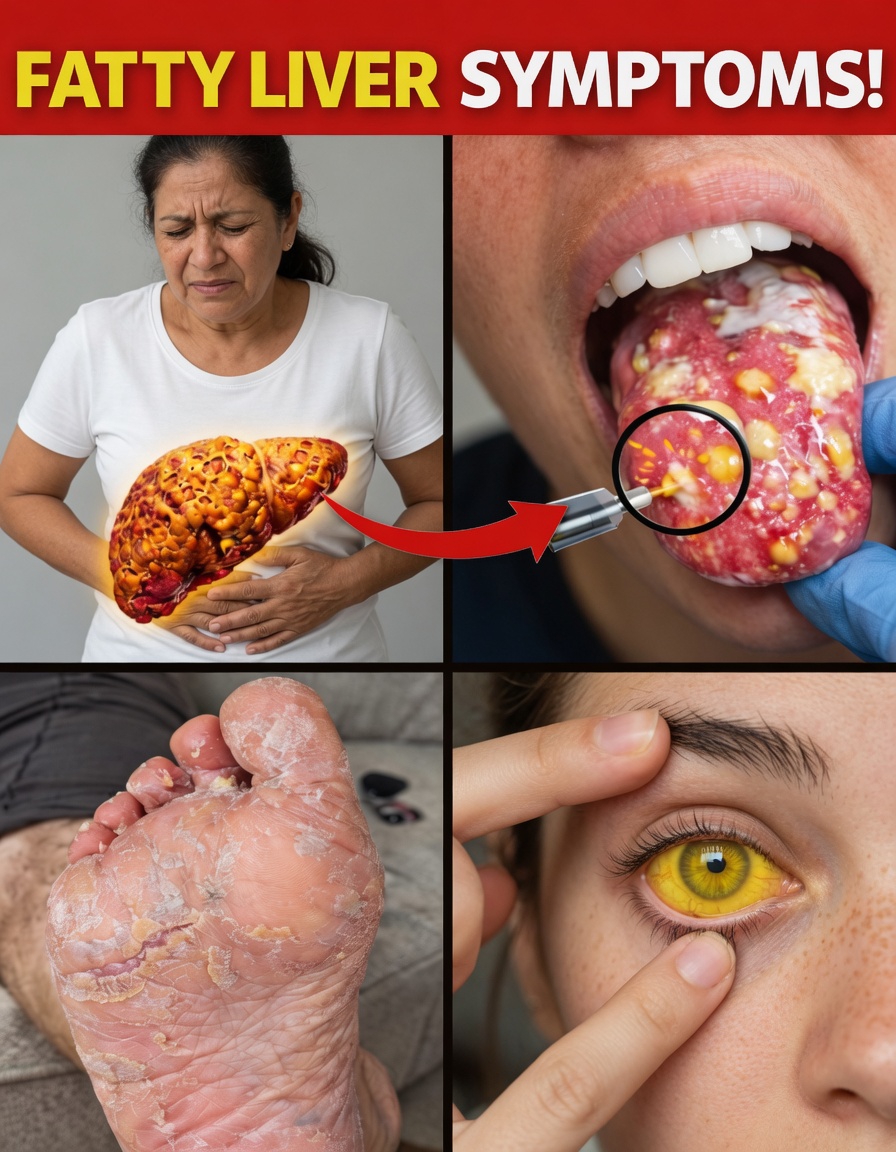
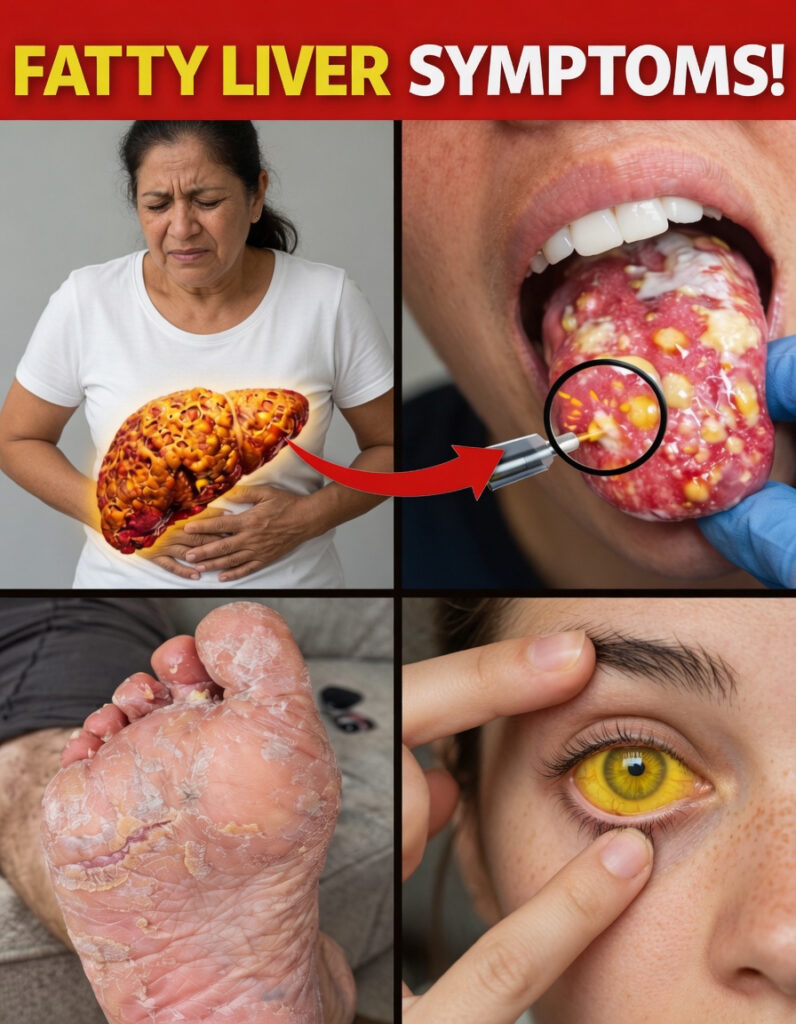
14 Symptoms Linked to Fatty Liver
Research from organizations such as the Cleveland Clinic and WebMD shows that symptoms can differ from person to person, but some warning signs are reported more often than others. Below are 14 symptoms commonly associated with fatty liver. These are general indicators only and should not replace a medical evaluation.
-
Ongoing fatigue and low energy
Feeling exhausted even after rest can make daily responsibilities feel harder than usual. -
Discomfort in the upper right abdomen
A dull ache, pressure, or heavy feeling near the liver area may occur, especially after eating. -
Reduced appetite
Foods you normally enjoy may no longer seem appealing, which can slowly change your eating habits. -
Nausea
Mild but repeated queasiness without a clear explanation can interfere with normal routines. -
Unexpected weight loss
Losing weight without trying may happen even when your usual food intake has not changed much. -
Itchy skin
Persistent itching, especially without a visible rash, can become more noticeable at night. -
Yellowing of the skin or eyes
Also known as jaundice, this can cause the whites of the eyes or the skin to take on a yellow tint. -
Swelling in the legs, ankles, or feet
Fluid retention can lead to puffiness that does not go away easily during the day. -
Abdominal bloating or swelling
The stomach area may feel larger, tighter, or more uncomfortable than usual. -
Dark urine
Urine may appear unusually deep in color even when you are drinking enough fluids. -
Pale or clay-colored stools
A noticeable lightening in stool color can be another possible sign. -
Brain fog or confusion
Trouble focusing, forgetfulness, or mild mental cloudiness may occur more often. -
Changes in the tongue
Some people notice a yellowish coating, cracks, or an unusual tongue texture. -
Dry or cracked skin on the hands and feet
Skin may become rough, flaky, or prone to splitting despite regular moisturizing.
How These Symptoms Often Appear
These signs do not usually show up all at once. Early symptoms such as tiredness and abdominal discomfort may be the first to develop. More visible signs, including jaundice or noticeable tongue changes, can appear later if the condition worsens. Research suggests that as the liver becomes less efficient at managing fats and processing toxins, a wider range of symptoms may emerge.

Why Fatty Liver Symptoms Can Develop Gradually
The liver works constantly to break down nutrients, regulate metabolism, and help remove harmful substances from the body. When fat starts collecting in liver cells, this process may become less efficient over time. According to the Mayo Clinic, fatty liver is often connected to broader lifestyle and metabolic patterns rather than one single cause.
The encouraging news is that the liver is highly responsive to healthy, steady support. In many cases, positive lifestyle changes can help improve how it functions.
It is also important to remember that these symptoms are not unique to fatty liver. Many overlap with other common health conditions. That is why medical guidance is essential if you notice persistent or worsening changes.
Everyday Habits That May Support Liver Health
The good news is that small, sustainable choices can have a meaningful impact. Here are five simple habits that may help support liver wellness:
- Add more vegetables, fruits, and whole grains to your meals to naturally increase fiber intake.
- Stay physically active, even with something as simple as a 30-minute walk on most days.
- Reduce added sugars and highly processed foods while being mindful of portion sizes.
- Drink enough water throughout the day to support normal body functions and hydration.
- Focus on quality sleep and stress control through habits like deep breathing, meditation, or quiet downtime.
These steps are practical and manageable for most people. Many individuals report gradual improvements in comfort and energy after following them consistently for several weeks. What matters most is regular effort, not perfection.
A Surprisingly Simple Daily Routine
One habit that often stands out is beginning the day with warm lemon water or an herbal tea that supports digestion. Research suggests this simple morning routine may encourage better hydration and provide gentle support for the liver. It is easy to add to your schedule and does not require anything complicated.

When to See a Healthcare Professional
If you notice several of these symptoms and they continue over time, it is wise to arrange a medical check-up. Blood tests and imaging studies can offer a clearer picture of what is happening. Addressing concerns early often leads to the best outcomes and greater peace of mind.
Key Takeaways
Knowing these 14 possible signs can help you pay closer attention to what your body may be telling you. Fatty liver is common, but early clues are often overlooked until symptoms become more obvious. By staying informed and building healthier daily habits, you can better support your long-term well-being.
The main lesson is simple: small actions done consistently can make a bigger difference than you might expect. The liver can respond well to care, and the steps you take today may help you feel better in the future.
FAQ
How common is fatty liver?
Experts estimate that as many as one in three adults may have some degree of fat buildup in the liver. Many have no symptoms in the early stages.
Do fatty liver symptoms come on suddenly?
In most cases, symptoms develop slowly rather than appearing overnight. That is why it is helpful to notice gradual changes in energy, digestion, or physical comfort.
What should I do if I recognize several of these signs?
You should contact a doctor or qualified healthcare provider. Only a professional evaluation can identify the true cause and recommend the right next steps.
Disclaimer
This article is intended for informational and educational purposes only. It should not be considered medical advice, diagnosis, or treatment. Always speak with your physician or another qualified healthcare professional before changing your health routine or if you are concerned about any symptoms.