Tired, Heavy Legs by Midday? Simple Daily Habits Can Help Support Vein Health
If your legs already feel sore, restless, swollen, or unusually heavy before the day is even over, you are not imagining it. Those visible blue and purple veins are more than a cosmetic concern. They often point to circulation that is under extra strain, with blood collecting in the legs instead of moving efficiently back upward.
That can lead to ankle puffiness, nighttime throbbing, and discomfort after sitting or standing too long. Over time, it can drain your energy and even make you feel less confident wearing shorts, dresses, or skirts. The encouraging news is that practical, repeatable habits can help support blood flow, improve leg comfort, and make your legs feel lighter throughout the day. Even better, some of the most useful supports come from simple wellness staples, including antioxidant-rich blueberries and traditional herbal powders.
Why Healthy Circulation Deserves More Attention
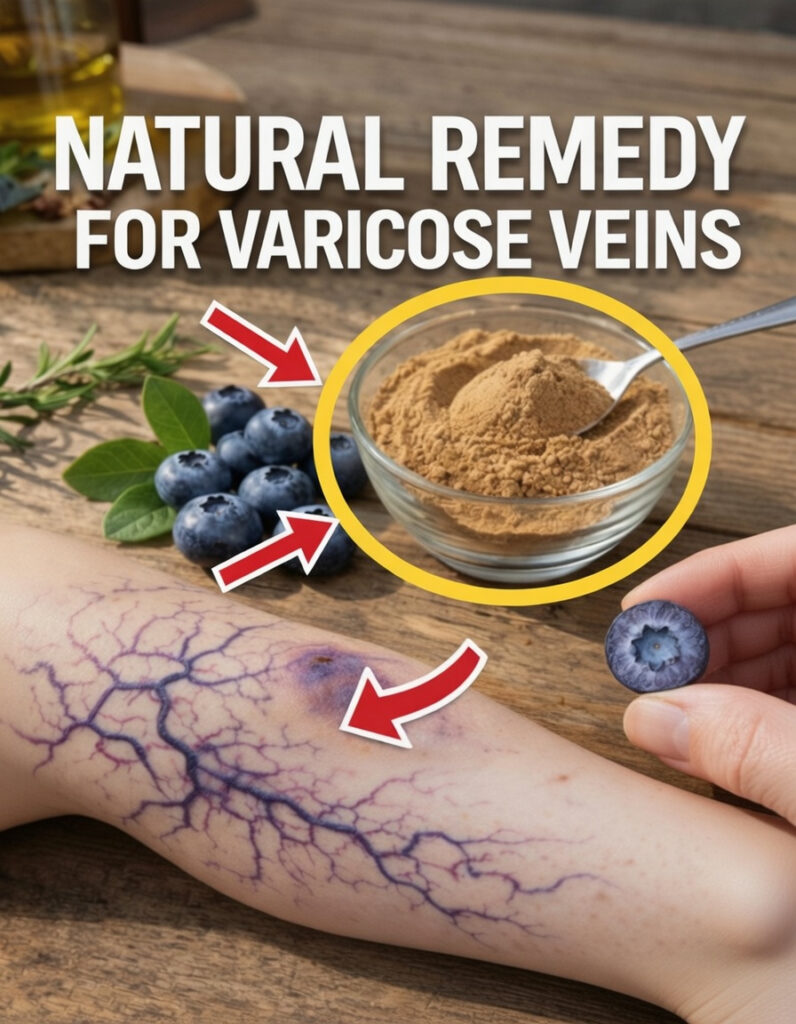
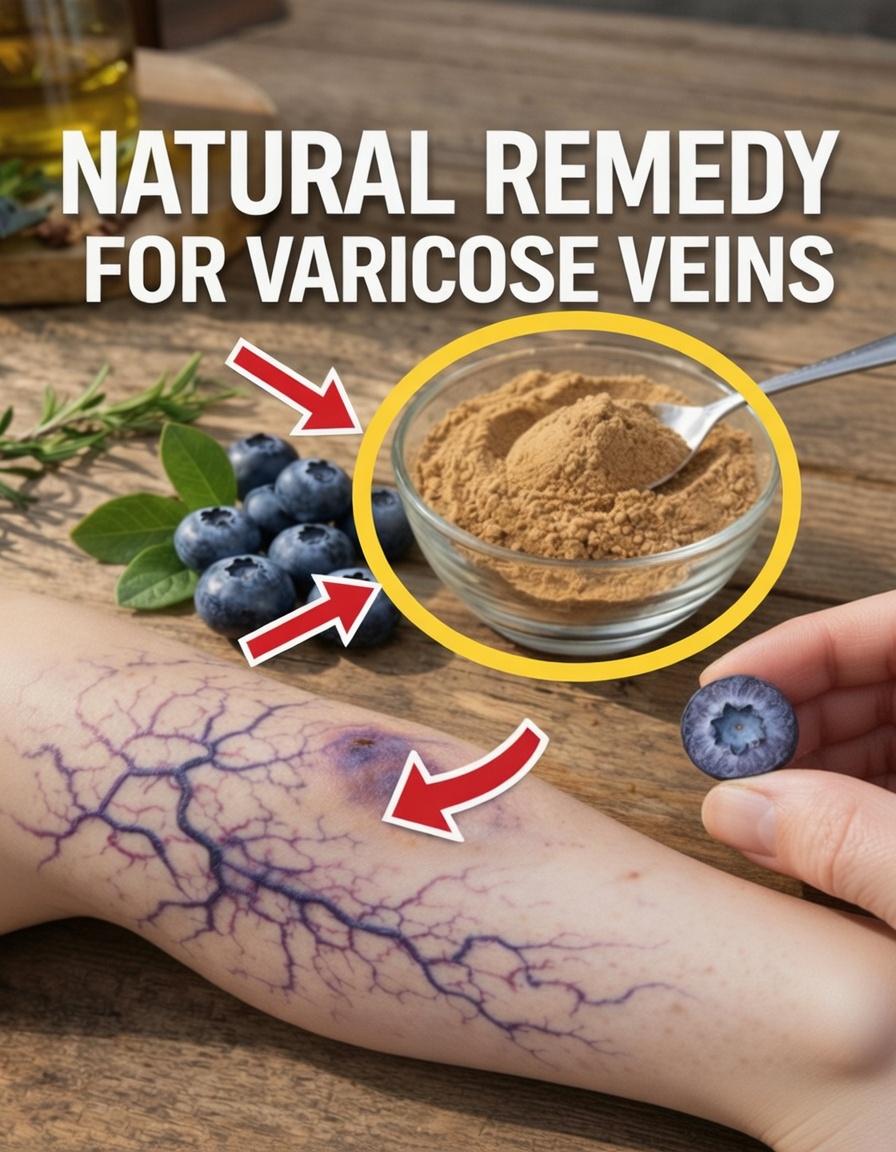
Varicose veins appear when the small one-way valves inside the leg veins become weaker. Instead of moving upward smoothly, blood starts to pool under gravity. That added pressure stretches the veins, creating the bulging, twisted appearance and the discomfort many people recognize.
Lifestyle choices can strongly influence how noticeable these symptoms become over time.
Common symptoms include:
- A heavy, dragging feeling in the legs later in the day
- Swollen ankles, especially after long periods of standing
- Itching, cramping, or restlessness at night
- Blue or purple veins that affect confidence
If this sounds familiar, you are far from alone. And while these symptoms may seem easy to ignore, they can slowly affect your mobility, comfort, and overall quality of life. The good news is that meaningful support often starts with small daily actions rather than extreme changes.
1. Drink Enough Water to Support Smoother Circulation
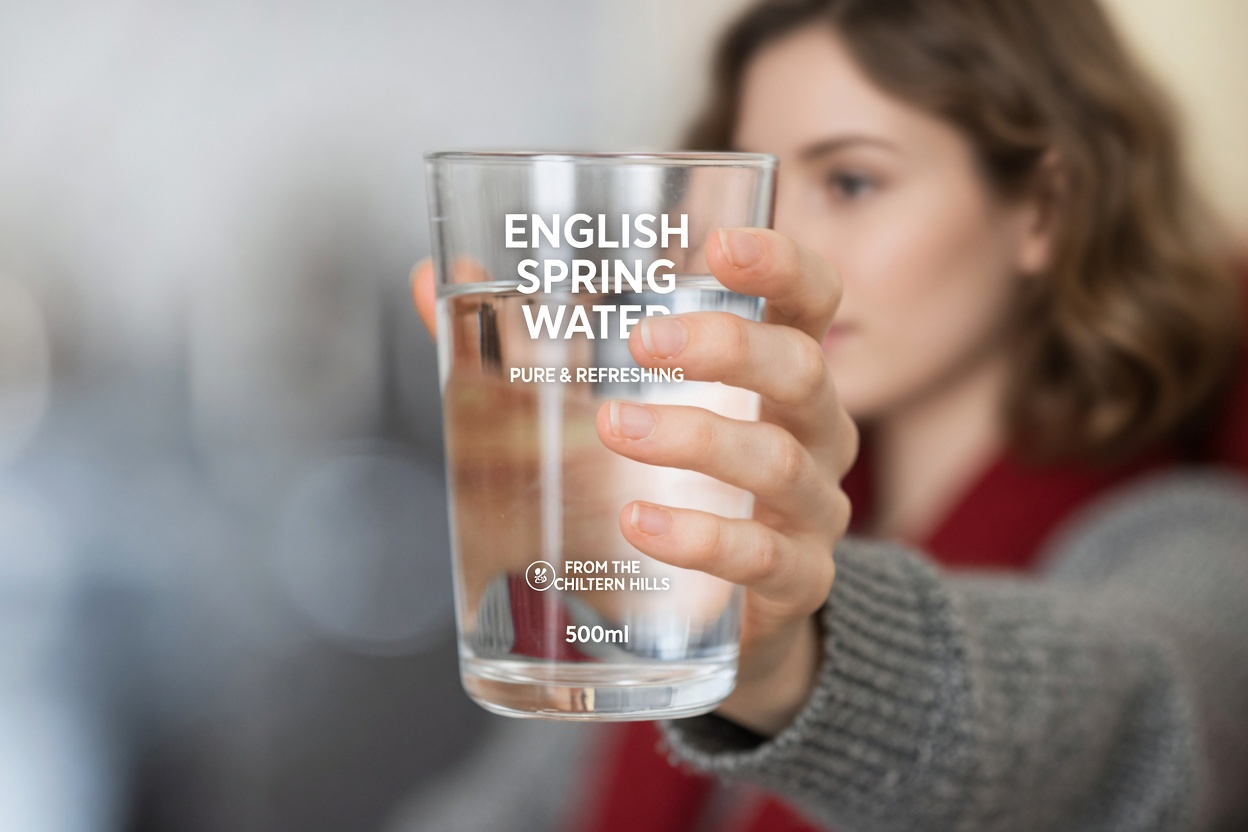
Even mild dehydration can make circulation feel more sluggish. When the body does not get enough fluids, blood can become thicker, which may contribute to that puffy, heavy-leg sensation many people notice in the lower legs.
A simple strategy is to drink one full glass of water before each meal and another in the afternoon. Staying hydrated helps support healthy blood viscosity and may reduce feelings of swelling and heaviness.
A helpful upgrade is adding a slice of lemon or orange. This can increase vitamin C intake, which plays a role in maintaining collagen in blood vessel walls. If your hydration habits are inconsistent, improving this one area alone may lead to noticeable relief within a few days.
Hydration becomes even more effective when paired with regular movement.
2. Take Short Walking Breaks to Activate the Calf Muscles
Your calf muscles act like a natural pump for the veins in your legs. Each step helps squeeze the veins and move blood back toward the heart. When you sit or stand still for long stretches, that pumping action slows down.
Try walking for 3 to 5 minutes every hour. It does not need to be intense. A quick loop around your home, office, or hallway is enough to wake up circulation. You can also add:
- 10 gentle calf raises while waiting for coffee or tea
- A short walk after dinner
- More standing and shifting if you work at a desk
Many people report fewer evening cramps and less heaviness after making this a regular habit for a couple of weeks. In many cases, the number of hours spent still each day closely matches how uncomfortable the legs feel by night.
3. Elevate Your Legs to Reduce Pressure and Pooling
Leg elevation is one of the simplest ways to give overworked veins a break. Raising your legs above heart level allows gravity to help blood flow back more easily, easing pressure in the lower legs.
Lie down in the evening and place your feet on pillows for 15 to 20 minutes. This can help reduce ankle swelling and leave your legs feeling lighter the next day.
For extra support, add slow ankle circles while your legs are elevated. If this is not already part of your routine, it may be one of the easiest comfort upgrades you can make.
4. Use Gentle Upward Self-Massage
A light massage can help ease tension and support lymphatic flow, especially when your legs feel tight and tired at the end of the day. Use a moisturizer, lotion, or slightly warmed olive oil, then massage from the ankles upward toward the knees.
Keep these tips in mind:
- Always stroke upward, not downward
- Use light pressure only
- Spend about 5 minutes on each leg
- Stop if you feel pain or unusual discomfort
Some people notice their legs feel calmer and less irritated after a couple of weeks of consistent practice. However, if one leg suddenly becomes more swollen, warm, or looks very different from the other, stop and speak with a healthcare professional.
5. Eat More Flavonoid-Rich Foods Such as Blueberries
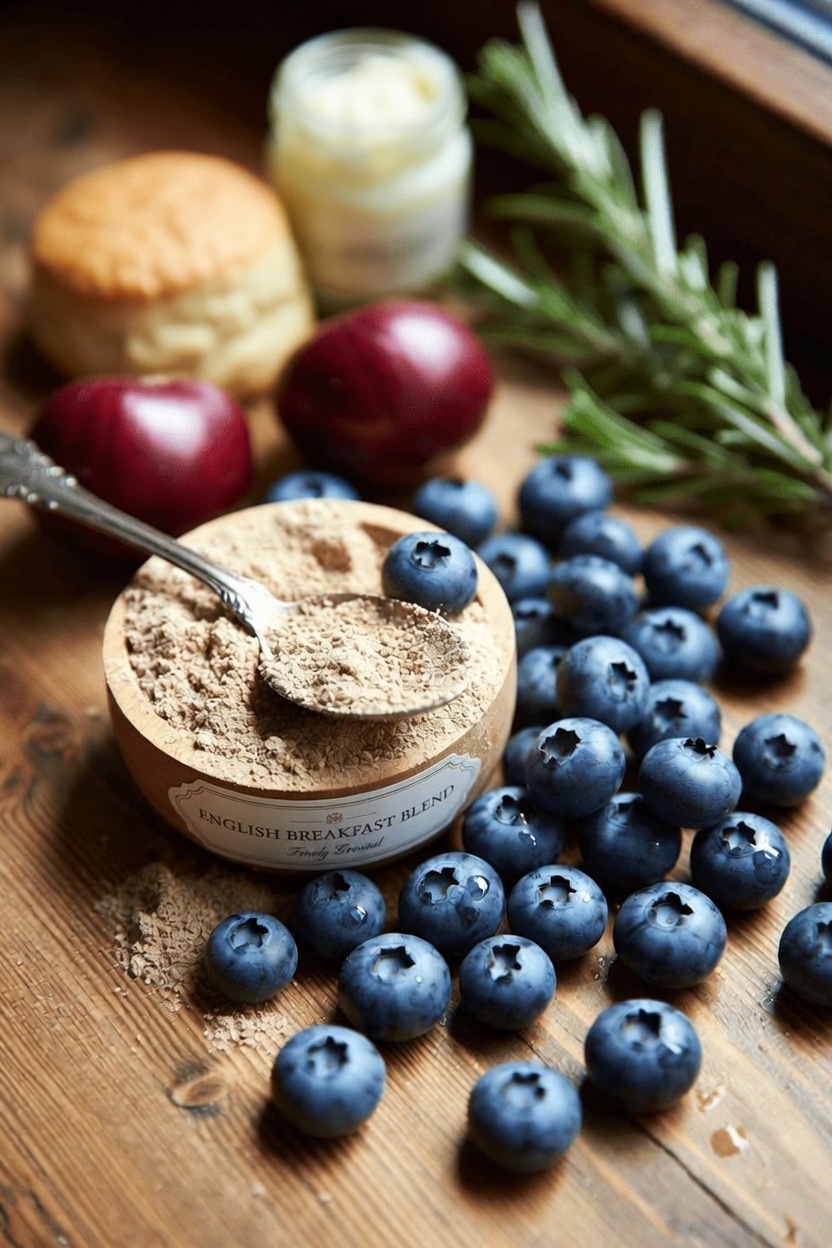
What you eat can also influence circulation and vein support. Flavonoids are natural plant compounds that help maintain the flexibility and strength of blood vessels. Blueberries are especially valuable because they contain anthocyanins, compounds linked to reduced inflammation and better vein wall support.
Aim to include a handful of fresh or frozen blueberries each day. You can also build meals around other flavonoid-rich foods, such as:
- Citrus fruits
- Apples
- Onions
- Dark leafy greens
A simple smoothie made with blueberries, spinach, and a squeeze of citrus can be an easy daily ritual. When eaten consistently, these foods may help promote stronger circulation over time.
6. Consider Horse Chestnut Seed Extract Powder for Traditional Vein Support
Among natural circulation remedies, horse chestnut seed extract is one of the better-known options. Standardized extracts have been studied for their ability to support healthy vein function and ease symptoms such as swelling, itching, and leg heaviness.
If you choose this option, look specifically for a high-quality standardized horse chestnut seed extract powder. Raw horse chestnut seeds should never be used, as they can be toxic.
Some people mix a small amount into warm water or a smoothie, often alongside blueberries, for a vein-supportive daily routine. Always follow the product instructions and speak with your healthcare provider first, especially if you are taking medications or have an underlying condition.
7. Try Warmth and Contrast Therapy for Temporary Relief
Warmth can help relax tight calf muscles and make tired legs feel more comfortable. A 10-minute warm foot soak followed by leg elevation can be a soothing evening ritual.
Some people also like finishing a shower with about 30 seconds of cooler water on the legs. This gentle contrast may help stimulate circulation and leave the legs feeling refreshed.
This practice does not need to be extreme. The goal is simply to encourage better flow and ease tension.
8. Wear Looser Clothing to Avoid Unnecessary Pressure
Clothing can affect circulation more than many people realize. Tight waistbands, shaping garments, or very fitted jeans can create hidden pressure around the groin and thighs, making it harder for blood to move freely.
Try wearing looser, more comfortable clothing for a week and pay attention to how your legs feel by the evening. In many cases, this small change leads to less swelling and less pressure at the end of the day.
9. Quit Smoking to Support Blood Vessel Health
If you smoke, reducing or quitting can make a meaningful difference for circulation. Smoking affects blood vessels and limits oxygen delivery throughout the body, which can worsen feelings of heaviness and discomfort in the legs.
Many people notice warmer feet and better comfort after cutting back or quitting. Replacing a smoking break with a short walk or a few deep breaths can support both circulation and long-term vein health.
10. Build a Daily Movement Routine That Becomes Automatic
The most effective habit is often the one you no longer need to think about. Instead of relying on motivation, connect movement to actions you already do each day.
For example:
- Do calf raises after brushing your teeth
- Take a short walk after dinner
- Elevate your legs before watching TV
- Drink water before every meal
This mindset shift matters. Telling yourself, “I am someone who supports my circulation every day,” can make these choices feel like part of your identity instead of another task on a checklist.
Consistency matters more than perfection.
How These Habits Work Better Together
Each of these habits supports circulation in a different way, and they often work best when combined.
- Hydration helps support smoother blood flow throughout the day.
- Micro-walks activate the calf muscles and improve upward circulation.
- Leg elevation helps reduce pooling and ankle swelling.
- Gentle massage may ease tension and support drainage.
- Blueberries and other flavonoid-rich foods help support blood vessel strength.
- Horse chestnut seed extract powder offers traditional circulation support.
- Warmth and contrast therapy may improve comfort and relax tight muscles.
- Looser clothing reduces pressure that can interfere with blood flow.
- Quitting smoking supports healthier blood vessels and oxygen delivery.
- A movement-based identity makes these habits easier to maintain long term.
Safety Tips to Keep in Mind
Start with gentle, practical changes and pay attention to how your body responds.
- Use only light upward strokes during massage
- Stop massage if pain develops
- Never use raw horse chestnut seeds
- Check with a healthcare provider before using herbal supplements
- Seek medical advice if one leg becomes suddenly swollen, warm, painful, or noticeably different from the other
Small Daily Actions Can Make a Real Difference
Supporting vein health does not always require dramatic measures. Often, the biggest improvements come from simple habits practiced consistently: drinking more water, moving more often, elevating your legs, eating blueberries, and using trusted natural supports carefully.
When you give your circulation regular help, your legs may begin to feel lighter, calmer, and more comfortable from morning to night. Over time, those small actions can also help you feel more confident, more active, and more in control of your everyday comfort.