Fenbendazole and Cancer: What the Retracted 2025 Report Really Means
Living with advanced cancer often brings ongoing uncertainty. Daily life can become centered around symptom management, scan results, and difficult decisions about treatment. When standard options do not fully answer every question, many patients and families turn to the internet for more information. That search can quickly lead to stories about familiar or everyday drugs being used in unexpected ways, offering a mix of hope and misunderstanding.
One widely shared example involved a 2025 case series about fenbendazole. Photos of patients and packaging for the medication spread rapidly across social media, driving intense discussion.
What many viral posts failed to mention is that the journal later retracted that paper. Knowing that full context is essential for making informed, safer choices.
What Is Fenbendazole?
Fenbendazole is an antiparasitic drug used in animals to treat intestinal worms and related infections. It is commonly sold in veterinary forms such as tablets, powders, or other animal-use products, including brands like Wormintel-1000. Its active compound belongs to the benzimidazole class, which works by interfering with how parasites absorb nutrients and stay alive.
In recent years, interest in fenbendazole has grown because of early laboratory research exploring whether it might have effects beyond parasite treatment. Even so, it is still a veterinary medication. It has not been developed, formulated, or tested for human use in the same way as approved prescription drugs.
Interest in repurposed medications is understandable, especially in serious illnesses like cancer. Still, medical experts repeatedly warn that animal drugs follow different manufacturing and safety standards than medicines intended for people.
Why Fenbendazole Became Part of the Cancer Conversation
Public attention increased significantly after a 2025 article titled “Fenbendazole as an Anticancer Agent? A Case Series of Self-Administration in Three Patients.” The paper described three people with advanced breast cancer, melanoma, and prostate cancer.
According to the original report, each person added fenbendazole to their care plan without chemotherapy. The paper claimed they later showed encouraging scan results and reported no clear side effects during follow-up periods ranging from 11 months to almost three years.
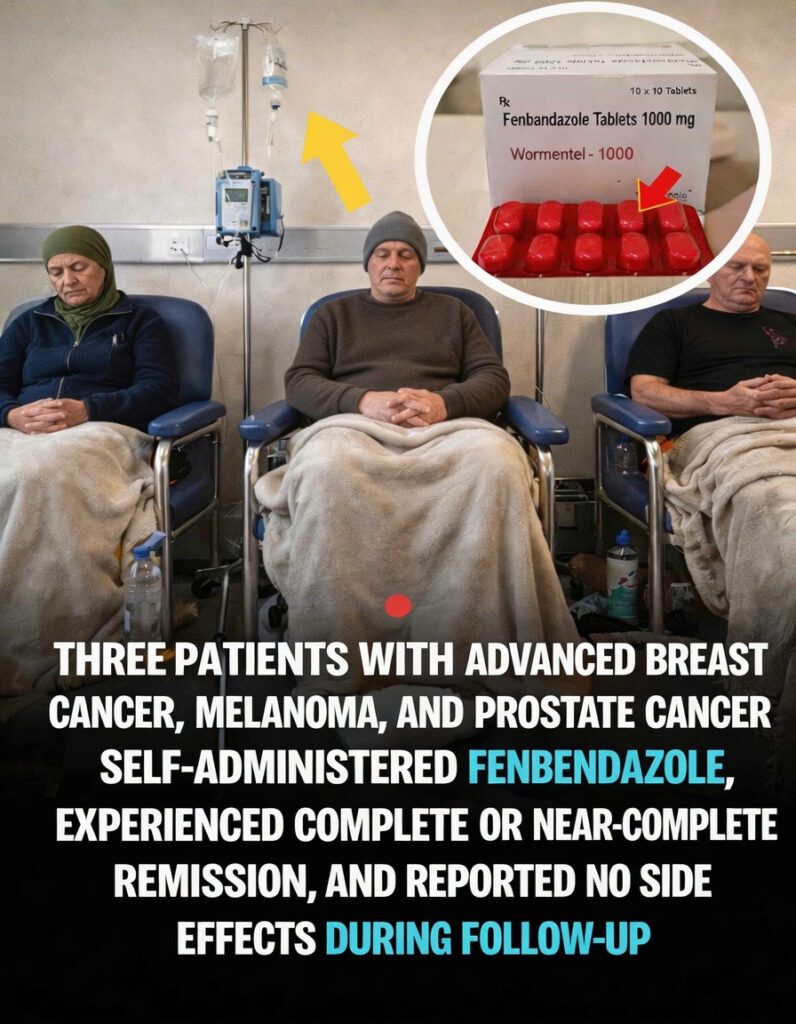
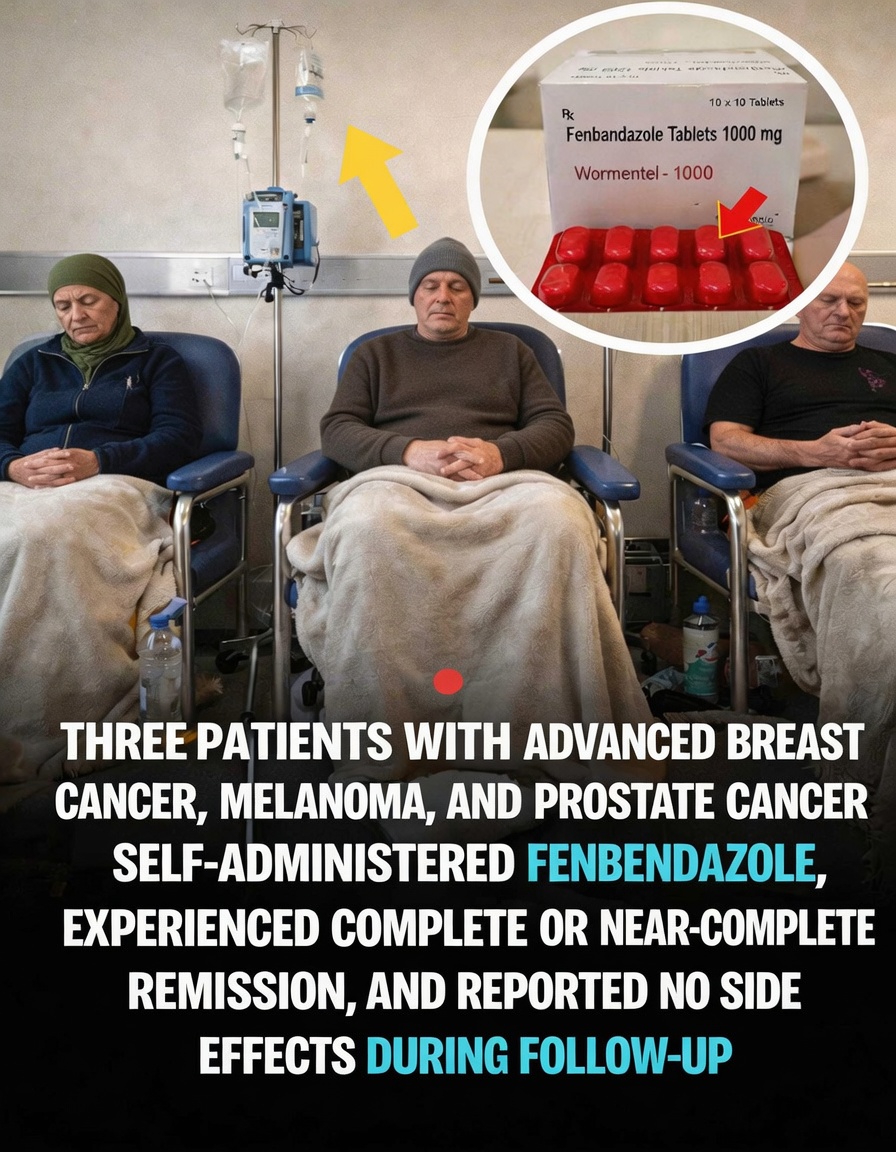
Images associated with the story, including photos of three seated patients with IV poles and close-up shots of pink fenbendazole tablets, circulated widely online. In many cases, these images appeared alongside dramatic claims suggesting the drug was an overlooked cancer treatment.
The Critical Update: The Paper Was Retracted
Shortly after its release in May 2025, the journal Case Reports in Oncology, published by Karger, officially retracted the article. Retractions happen when problems are identified that may affect the trustworthiness of a publication. These concerns can include editorial issues, undisclosed conflicts of interest, or other factors that call the findings into question.
It is also important to remember that even the original authors stated the report involved only three individuals and could not demonstrate that fenbendazole actually caused the outcomes described. It was an observational report, not proof of effectiveness.
This is a normal part of how science corrects itself. A single case series, especially one involving only a few people, is not equivalent to a controlled clinical trial. While preclinical research has looked at whether fenbendazole may affect microtubules or cellular energy use, that work remains at the experimental stage.
The bigger lesson is how quickly online health claims can spread before the complete scientific picture is available.
What Research Has Shown in the Lab
Scientists have studied fenbendazole in cell cultures and animal models for some time. Some of that research suggests it may influence biological pathways involved in cell division and metabolism. Areas of interest have included:
- Disrupting microtubule formation, which plays a role in cell division
- Affecting glucose uptake in certain types of cells
- Interacting with proteins linked to cell survival
These mechanisms attract attention because they resemble processes targeted by some approved therapies. That is one reason researchers continue to explore the topic.
However, laboratory findings do not automatically mean a drug is safe or effective for people. Many substances show promise in cells or animals but fail in human testing. At this point, no large, controlled human trials have established fenbendazole as a cancer treatment.
Safety Risks That Should Not Be Ignored
Although the retracted case series claimed no major side effects in its very small group, other medical reports raise serious concerns. Several published cases have described severe drug-induced liver injury in people who self-administered veterinary fenbendazole.
Reported problems have included:
- Jaundice
- Major increases in liver enzyme levels
- Fatigue severe enough to require medical care
In many of these reports, liver function improved after the product was stopped. Even so, these cases highlight a real safety warning.
Veterinary products are not manufactured according to the same standards used for medicines approved for humans. Differences in purity, formulation, and dose consistency can introduce additional risks. Possible interactions with cancer treatments, other prescriptions, supplements, or pre-existing health conditions make self-use even more dangerous.
That is why major health organizations urge extreme caution around unapproved or off-label substances, especially products made for animals.
How to Stay Safe and Better Informed
If you have come across viral posts or images about fenbendazole, the safest next step is to focus on reliable information and professional guidance. Consider the following actions:
- Speak openly with your oncologist or primary care physician, and bring any articles, screenshots, or images you have found.
- Use trusted medical sources such as PubMed, the National Cancer Institute, or the American Cancer Society for updates.
- Prioritize evidence-based supportive care, including balanced nutrition, gentle physical activity if approved by your care team, and consistent sleep.
- Ask your doctor about registered clinical trials if you want to explore emerging therapies under medical supervision.
These steps can help you stay informed and proactive without taking unnecessary health risks.
Why Large Studies and Medical Oversight Matter
Cancer treatment advances through careful testing designed to protect patients. Isolated case reports, especially retracted ones, cannot replace that process. Fenbendazole is not approved by regulatory agencies for treating cancer in humans, and no major health authority recommends it for that purpose.
Researchers continue to investigate many repurposed medications, and some may eventually prove useful. But until strong clinical evidence exists, safety and evidence-based care must remain the priority.
Frequently Asked Questions
1. Is fenbendazole approved for cancer treatment in humans?
No. Fenbendazole is approved only for veterinary use against parasitic infections. It is not approved or recommended by health authorities as a cancer treatment for people.
2. What should I say if someone sends me those viral patient photos?
You can thank them for sharing and explain that the paper behind those claims was later retracted. Encourage them to verify information through sources like PubMed or discuss it with a qualified doctor rather than relying on social media posts.
3. Are there safer ways to support health during cancer treatment?
Yes. Work with your medical team on proven treatments and supportive care. A nutrient-dense diet, activity within your physical limits, quality sleep, stress support, and open communication with your providers can all make a meaningful difference.
Final Thoughts
Stories about fenbendazole reflect how strongly people hope for new answers in cancer care. At the same time, the retraction of the 2025 case series and the published reports of possible harm show why careful source-checking matters.
Relying on credible medical information and maintaining honest conversations with your healthcare team can help you make decisions with greater confidence and clarity.
Disclaimer
This article is for informational and educational purposes only. It does not provide medical advice and should not be used to diagnose, treat, or guide decisions about any health condition. Always consult a qualified healthcare professional before starting, stopping, or changing any medication or supplement. Self-administering veterinary products can be dangerous and is strongly discouraged. Individual outcomes vary, and only your doctor can give advice based on your specific situation.