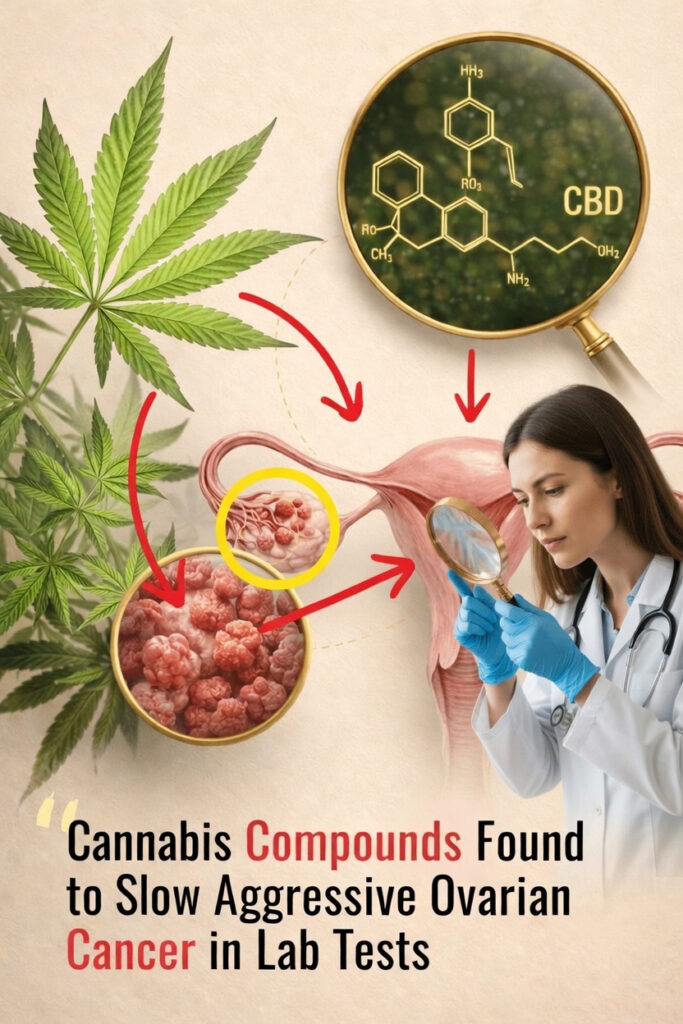
Ovarian Cancer Research and Cannabis Compounds: What a New Lab Study Found
Ovarian cancer affects a vast number of women and families worldwide. It is often detected late, when treatment choices may be more limited and the burden of side effects can feel especially heavy. Because of this, many people closely follow new scientific developments that could expand understanding of the disease.
A recent laboratory study has drawn attention to compounds derived from the cannabis plant, revealing notable effects on ovarian cancer cells in early-stage testing. So what did researchers actually find, and why are scientists paying attention? The answers are promising—but also require careful context.
Why New Ovarian Cancer Research Is Important
Ovarian cancer is still considered one of the most serious gynecologic cancers. In many cases, it has a high risk of returning, and some tumors become resistant to standard therapies over time. That reality continues to drive the search for better strategies and more effective long-term management.
Current treatments can be lifesaving, but they do not always offer lasting control for every patient. This is one reason researchers are increasingly studying plant-derived compounds and other natural substances for their possible role in cancer science.
One recent investigation focused on two of the best-known cannabinoids from cannabis:
- CBD (cannabidiol), a non-intoxicating compound
- THC (delta-9-tetrahydrocannabinol), the primary psychoactive compound in cannabis
The study, published in Frontiers in Pharmacology and reported by ScienceDaily, examined how these substances affected ovarian cancer cell lines under controlled lab conditions.
What Researchers Observed in the Laboratory
Scientists tested CBD, THC, and a combination of both on ovarian cancer cells, including cells that were sensitive to treatment as well as those showing resistance. The results pointed to several important changes in cancer cell behavior.
Among the main findings were:
- Lower colony formation: Cancer cells produced fewer and smaller colonies, suggesting a reduced ability to sustain long-term growth.
- Reduced migration: The compounds seemed to interfere with the cells’ ability to move, an important feature in the spread of cancer.
- Selective effects: Healthy ovarian cells needed much higher doses before showing similar responses, which suggests these compounds may affect cancer cells more strongly than normal cells.
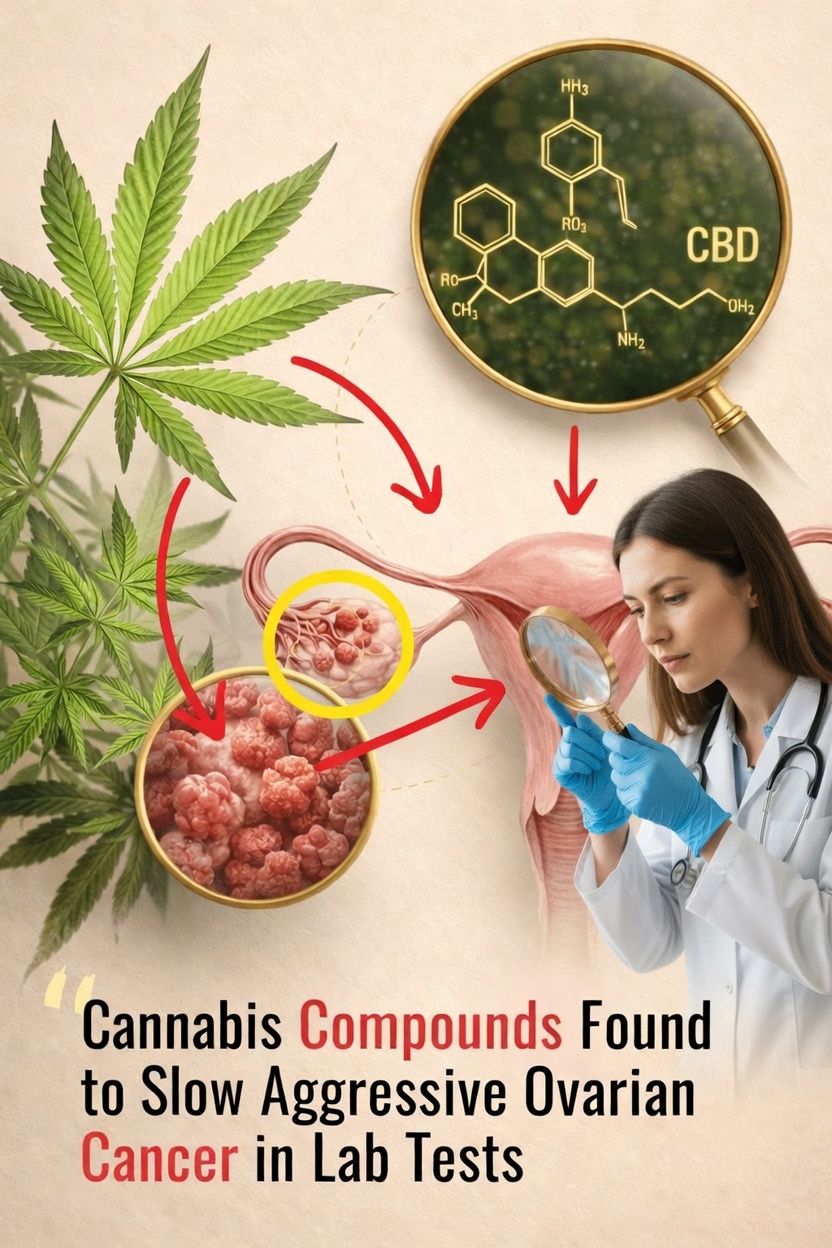
The most striking results appeared when CBD and THC were used together, particularly in a 1:1 ratio. This pairing lowered cancer cell viability more effectively than either compound on its own.
Researchers also reported that the combined treatment affected the PI3K/AKT/mTOR signaling pathway, which is frequently overactive in ovarian cancer. By influencing this pathway, the compounds appeared to push cellular activity toward a more balanced state.
These findings are encouraging, but they remain preliminary laboratory results. They do not yet show that the same effects would happen in animals or humans.
Comparing Effects on Cancer Cells and Healthy Cells
To better understand the study, it helps to look at how ovarian cancer cells responded compared with normal ovarian cells.
| Aspect | Ovarian Cancer Cells | Healthy Ovarian Cells |
|---|---|---|
| Growth inhibition | Significant at relatively low doses | Needed doses 4–5 times higher |
| Colony formation | Fewer and smaller colonies | Minimal effect |
| Migration and invasion | Strongly reduced | Largely unchanged |
| Cell death | Increased apoptosis, or programmed cell death | Low toxicity |
This apparent selectivity is one of the reasons the research has generated interest. A compound that acts more strongly against cancer cells while sparing healthy cells is always worth further investigation.
Why the CBD and THC Combination Matters
While both cannabinoids showed individual activity, the combined effect was the most notable part of the study.
- CBD alone helped reduce cell growth and movement.
- THC alone also showed inhibitory effects.
- CBD and THC together produced stronger outcomes, including deeper pathway modulation and greater oxidative stress within cancer cells.
This kind of synergy has also been seen in other lab-based cancer models, where combinations perform better than single compounds.
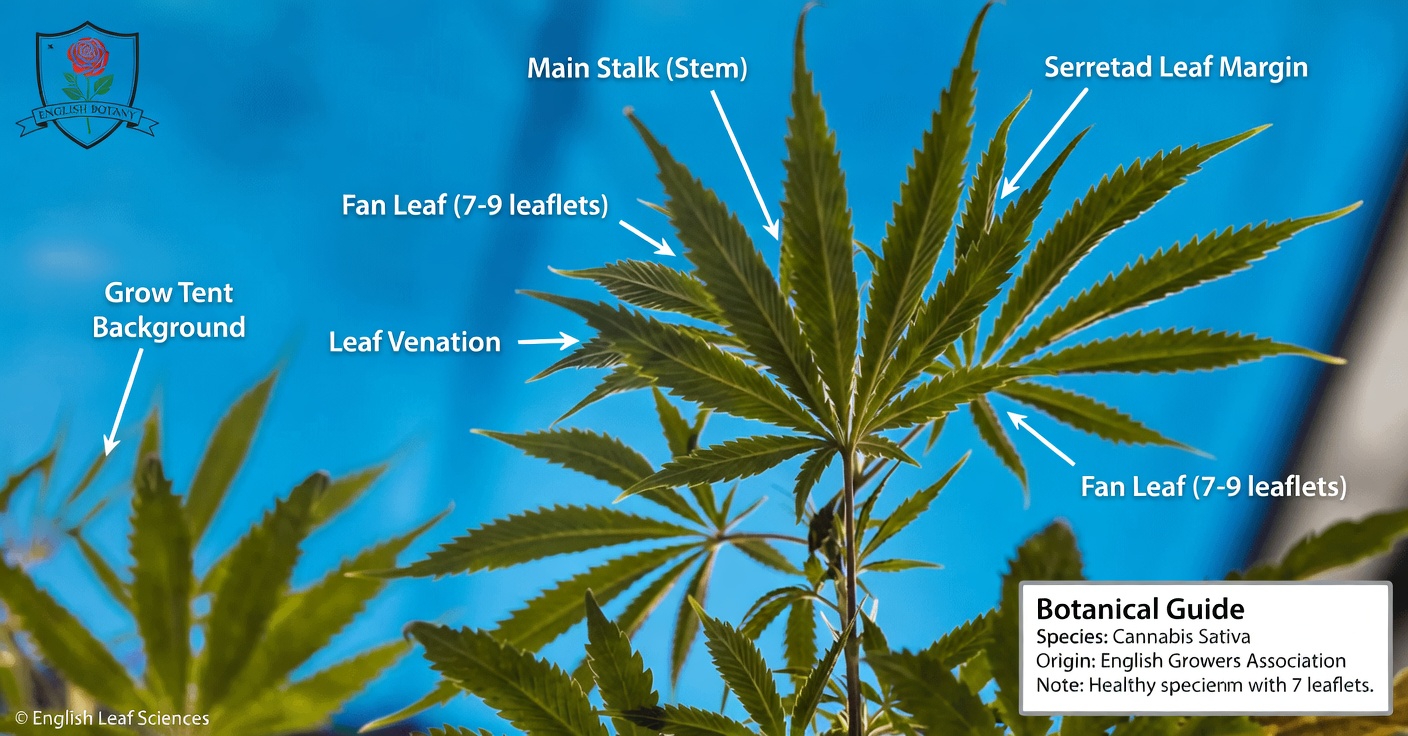
Even so, experts stress an essential point: these were in vitro findings, meaning they occurred in isolated cells in a laboratory setting. That is very different from proving effectiveness in living organisms. Further research in animals and eventually in human clinical trials would be necessary before any treatment conclusions could be made.
What to Keep in Mind While Waiting for More Evidence
If you are interested in CBD, THC, or cannabis-derived compounds for health-related reasons, informed decision-making is critical.
Consider these practical steps:
- Speak with your oncologist or healthcare provider first, especially if you are currently receiving treatment.
- Use legal, reputable sources and look for products that are lab-tested for quality and purity.
- Begin cautiously and pay attention to how your body responds.
- Keep a symptom journal so you can share any changes or concerns with your doctor.
- Follow reliable medical sources such as peer-reviewed journals and science news platforms.
Many people already use CBD as part of their general wellness routine, often for relaxation or everyday discomfort. While that may be part of some individuals’ health choices, it should never replace evidence-based cancer care.
Pairing medical guidance with healthy habits can still be valuable, including:
- Eating a balanced diet
- Attending regular medical check-ups
- Staying informed about new ovarian cancer research
- Discussing supplement or cannabis use openly with professionals
Simple Ways to Support Women’s Health Research Awareness
Supporting awareness around ovarian cancer and women’s health can make a meaningful difference. Here are a few practical ways to stay involved:
- Follow updates from trusted organizations such as the American Cancer Society
- Join or support awareness campaigns focused on ovarian cancer education and screening
- Contribute to research initiatives investigating natural compounds and new therapeutic pathways
- Share credible articles and research summaries with friends and family
Reliable information helps create better conversations and can encourage earlier attention to symptoms, screening awareness, and support for ongoing research.
Conclusion: Early Findings, Real Interest, and Necessary Caution
This new laboratory research offers an intriguing look at how CBD and THC, especially when combined, interacted with ovarian cancer cells. In the study, these cannabis compounds were linked to slower cell growth, reduced colony formation, lower migration, and increased programmed cell death.
The limited effect on healthy ovarian cells adds another layer of interest. However, it is important to be clear: this is early-stage science, not a validated treatment for ovarian cancer.
More studies are needed to determine whether these lab observations can translate into real clinical benefit. Until then, the best approach is to remain informed, ask questions, and rely on qualified medical guidance.
Frequently Asked Questions
Can cannabis compounds treat ovarian cancer?
No. This study involved cancer cells in a laboratory, not treatment in people. Much more research, including animal studies and human clinical trials, is needed before any medical use could be confirmed.
Are CBD and THC safe for everyone with ovarian cancer?
Not necessarily. Safety depends on the individual, their treatment plan, and possible interactions with medications. Always discuss cannabinoid use with a healthcare professional before trying it.
Where can I find the original research?
You can look for the study in Frontiers in Pharmacology (2025) or read summaries from trusted science news sources such as ScienceDaily.
Disclaimer
This article is provided for informational purposes only and is not medical advice. It is not intended to diagnose, treat, cure, or prevent any disease. Always consult a qualified healthcare professional for personalized advice regarding cancer, ovarian cancer treatment, or the use of cannabis compounds. The research discussed here is early, laboratory-based, and does not establish therapeutic outcomes.