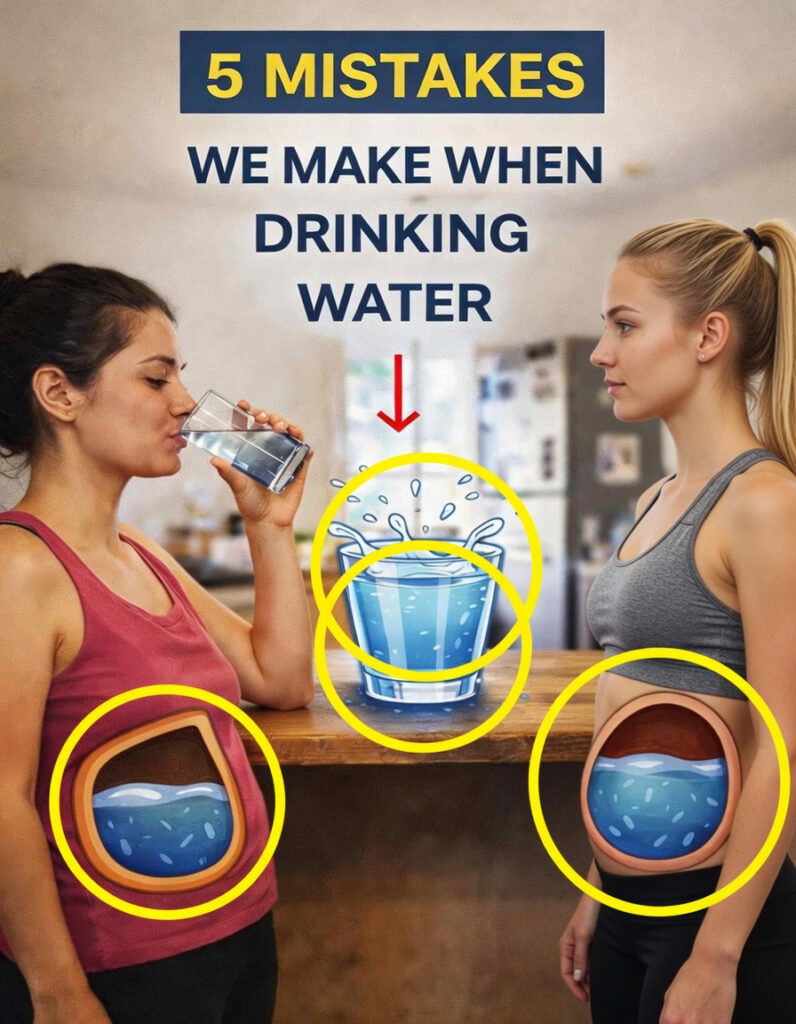
5 Common Hydration Mistakes That May Be Draining Your Energy
You reach for a glass on your desk, take a sip, and feel instantly refreshed. It seems simple enough. But even when you believe you are drinking enough water, your body may not be getting the hydration support it truly needs.
Do you still feel tired during the day? Is your skin dry no matter how much water you drink? Many people think hydration is only about volume, but everyday habits can quietly reduce its benefits. A few small adjustments may improve your energy, focus, and overall well-being more than you expect.
How Everyday Habits Can Undermine Hydration
About 60% of the human body is made up of water, and proper hydration plays a role in nearly every essential function, including digestion, concentration, circulation, and temperature regulation. Even mild dehydration has been linked in research to changes in mood, alertness, and cognitive performance.
If you often feel foggy in the afternoon and blame it on not having enough coffee, your water habits may actually be part of the problem. The challenge is that many hydration mistakes are subtle, so they are easy to overlook.
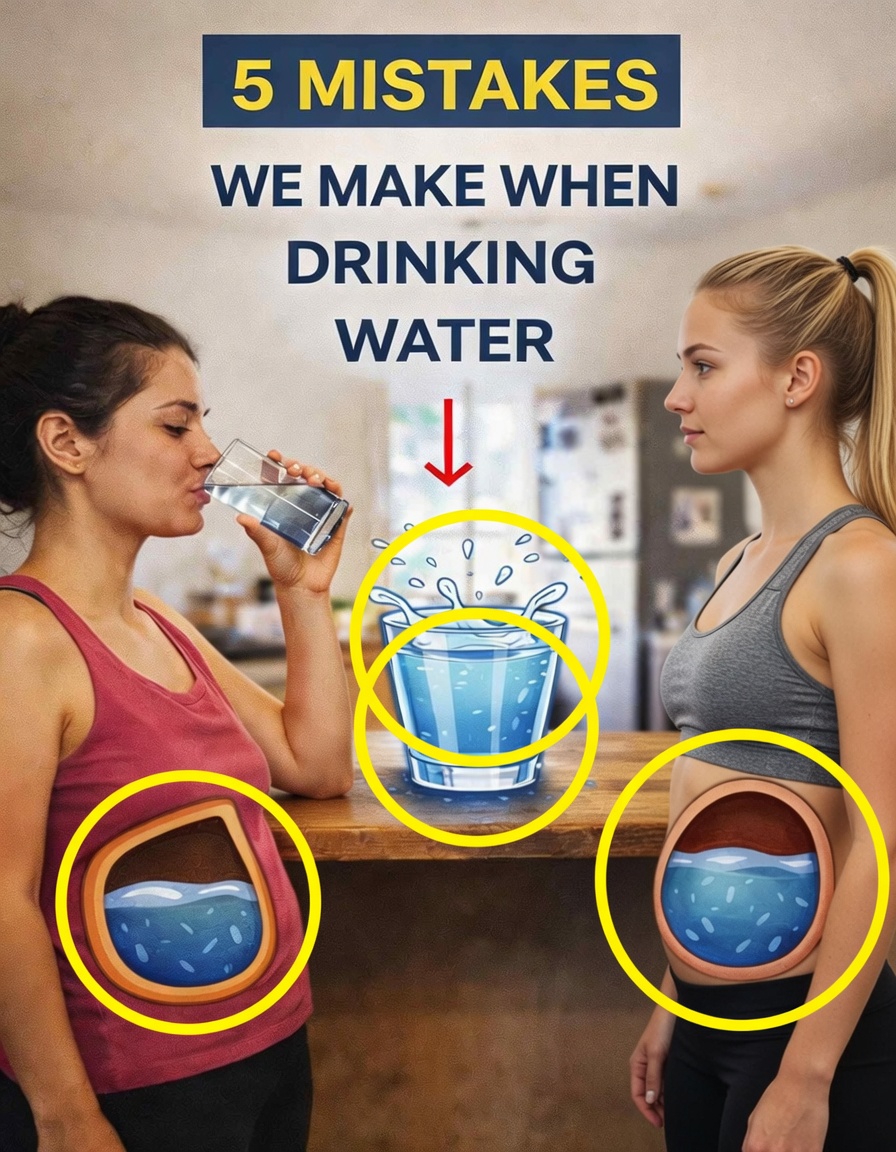
Why These Hydration Mistakes Matter
Consider Diane, a 48-year-old office manager who always kept a water bottle nearby. Despite that, she often dealt with recurring headaches and low energy. The issue was not that she drank too little water overall. Instead, she drank irregularly and waited until she felt thirsty.
That pattern matters. Research suggests that drinking water steadily throughout the day may help maintain better hydration than consuming large amounts at random times. When you rush, forget, or delay, your body may not benefit as much as you think.
5 Daily Mistakes That Can Sabotage Your Water Intake
The biggest misconception about hydration is that it is only about how much water you drink. In reality, it also depends on when you drink, how quickly you drink, and what kind of container or water source you use. Here are five of the most common mistakes.
5. Depending Only on Plastic Bottles for Convenience
Single-use plastic bottles are portable and easy to grab, which is why many people rely on them every day. However, repeated reuse or exposure to heat may increase the risk of chemical leaching over time.
Health guidance often favors reusable containers made from glass or stainless steel for daily use. Convenience matters, but your container choice can affect long-term peace of mind.
4. Drinking Only Ice-Cold Water
Very cold water can feel especially refreshing, particularly in hot weather or after exercise. But some evidence suggests that room-temperature water may be gentler on digestion and easier for the body to process in certain situations.
This does not mean cold water is harmful. It simply means balance may be more beneficial than making icy water your only option.
3. Chugging Large Amounts at Once
If you forget to drink during the day, it may feel productive to quickly finish a large bottle all at once. But your body generally handles water more effectively when intake is spread out.
The kidneys can process water steadily, and consuming too much too quickly may leave you feeling bloated or may temporarily dilute electrolytes. Slow, regular sipping is often a better strategy than occasional large gulps.
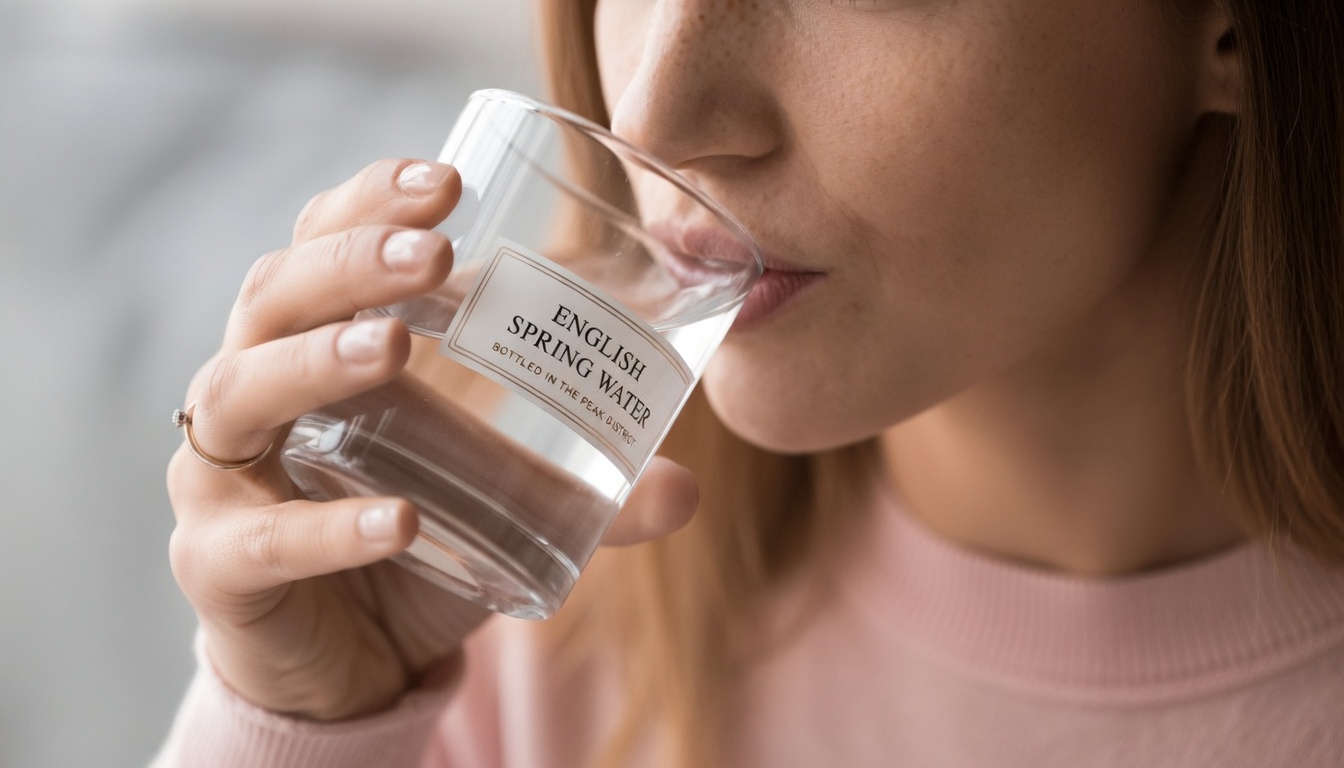
2. Waiting Until You Feel Thirsty
Thirst is helpful, but it is not always an early signal. By the time you feel thirsty, mild dehydration may have already started. That can affect mood, focus, and energy levels before you even realize what is happening.
Drinking before thirst becomes noticeable can help prevent those midday dips many people experience.
1. Not Spreading Water Intake Across the Day
This is one of the most common hydration mistakes. Many people drink a lot in the morning, then get busy and barely drink again until evening. That pattern does not provide the steady support your cells and body systems need.
Consistent hydration throughout the day is generally more effective than loading up on water at only one or two times. Small, regular sips often work better than extremes.
Real-Life Changes That Improved Hydration Habits
Diane eventually changed her routine. Instead of drinking water only when she remembered, she began taking regular sips throughout the day and switched to a reusable glass bottle. She noticed clearer thinking and more stable energy.
Alex, a 55-year-old father with a busy schedule, had a different issue. After workouts, he would drink a large amount of water very quickly, only to feel bloated afterward. Once he started spacing out his intake and using reminders, his energy became more consistent over time.
These examples show how small adjustments can make a noticeable difference, though results naturally vary from person to person. Some people still prefer cold water, and that is perfectly reasonable. Others use plastic bottles occasionally, which can also be practical. The key is building habits that support hydration more effectively overall.
Hydration Sources Comparison: Bottled Water vs. Other Options
| Source Type | Pros | Potential Concerns | Best For |
|---|---|---|---|
| Plastic Bottles | Portable, convenient | Possible chemical leaching when heated or reused | Short-term use |
| Reusable Glass or Steel | Safer for daily use, eco-friendly | Heavier to carry | Everyday hydration |
| Filtered Tap Water | Affordable, easy to access | Quality depends on location | Home use |
| Fruit-Infused Water | Adds natural flavor | Requires a bit more preparation | Encouraging higher intake |
For long-term use, reusable containers are often the better option. Still, the container alone is not enough. The biggest benefits come from combining the right bottle with better daily drinking habits.
A Simple Guide to Better Hydration Habits
You do not need expensive gear or complicated tracking apps to improve hydration. These practical steps can fit into almost any routine.
-
Choose a better container
- Use glass or stainless steel when possible to reduce potential exposure from heated or reused plastic.
-
Balance water temperature
- Drink room-temperature water most of the time, and enjoy cold water when you want it.
-
Sip instead of chugging
- Aiming for around 8 ounces per hour can better match how the body processes water.
-
Drink before you feel thirsty
- Set simple reminders on your phone if needed to stay ahead of dehydration.
-
Spread intake evenly
- Start in the morning, continue through the afternoon, and keep it steady into the evening.
-
Use simple tracking
- Urine color can be a helpful guide. Pale yellow is often a good sign of adequate hydration.
Keep in mind that hydration needs vary based on age, physical activity, climate, and overall health. For many adults, 8 to 10 cups per day is a common general target, but personal needs may be higher or lower.
3 Common Hydration Questions
How much water should I drink each day?
There is no single answer for everyone. Your ideal intake depends on your body size, environment, and activity level. A general starting point for many people is 8 to 10 cups daily, with more needed in hot weather or during exercise. Urine color is often a practical daily indicator, and pale yellow is usually the goal.
Is it okay to drink most of my water in the morning?
Not really. Drinking a lot early in the day may leave you underhydrated later on, especially if you get distracted by work or errands. Spreading your intake across the day tends to support better focus, energy, and hydration consistency.
Does flavored water with lemon or fruit still count?
Yes. Adding lemon, berries, cucumber, or other fruit can make water more appealing and may help you drink more without adding sugar-heavy beverages. Just keep it simple and let flavored water complement, not completely replace, regular plain water.
Start Improving Your Hydration Today
When hydration habits are off, you may be missing out on better focus, steadier energy, and healthier-looking skin. The good news is that the fix is often simple. By avoiding these five common mistakes and making a few consistent changes, you may start to feel the difference in your daily routine.
Pick one habit to improve this week. A small step can lead to a meaningful shift.
Quick tip: Try adding lemon slices to room-temperature water for an easy, refreshing upgrade.
Important Note
This article is for informational purposes only and should not be considered medical advice. Always consult a qualified healthcare professional for guidance tailored to your individual needs.